
Font size
 Worksheets
WWII LT 10.8 Quiz 2/5 (Causes of WW2 - Pearl Harbor))
Total questions: 100
Worksheet time: 50mins
On _______________, the Empire of Japan attacked the U.S. Naval base at Pearl Harbor, Hawaii after decades of rising tension.
December 11, 1931
December 11, 1941
December 7, 1951
December 7, 1941
At first, Japan was merely a rival to the U.S. for influence, but in the 1930s they violated international treaties by invading ___________.
Manchuria
Taiwan
Ukraine
Moscow
Los Angeles
International response, including an oil ___________, forced Japan to either abandon its quest for empire or seize the ____________ it needed by expanding into other territories. They planned a simultaneous strike at several Allied possessions, especially targeting ____________.
derrick -
oil -
Philippines
tanker -
wheat -
Berlin
embargo -
resources -
Pearl Harbor
surplus -
factories -
Midway Island
Despite several warning signs that a surprise attack could happen, America was caught off guard and suffered severe losses, including three of eight battleships, hundreds of planes and thousands of lives. And though the United States declared war the next day, Japan had nearly free reign over the _____________ for several months.
Atlantic
Pacific
Arctic
Mediterranean Sea
'Yesterday, December 7th, 1941 - a date which will live in infamy - ___________ was suddenly and deliberately attacked by naval and air forces of the Empire of Japan.'
the USA
England
France
Italy
But, to say it (the Pearl Harbor attack) came as a complete shock would not be the whole story - the United States and Japan had been at odds for decades. First of all, just after the turn of the century, both nations were competing for political and __________ influence throughout the Pacific.
economic
educational
military
fishing industry
After World War I, Japan laid claim to former German colonies in the East, expanding the Japanese Empire and emerging as a serious rival to America's position in ___________.
Africa
North America
Asia
Austrialia
South America
In 1982, the world's nine largest naval powers (including Japan and the United States) signed a series of treaties limiting warship capacity, agreeing to consult each other in any disputes over China and respecting the territorial integrity of that nation. But certain classes of ships weren't restricted by the Nine Power Treaty, leading to an arms race until the loopholes were closed.
True
False
Hey, check out that date!
I'm not dating you!
In 1931, Japan blatantly violated these agreements (Nine Power Treaty) by invading Manchuria and other parts of China. With the Nine Power Treaty now broken, America increased its naval power in the Pacific and several nations began funneling aid to China through their colonies in Asia.
True
False
Hey, check out that date!
Suspicious!
Continued Japanese aggression for the next decade, including the invasion of China in 2022, their alliance with the Axis powers of World War II and the invasion of French Indochina resulted in escalating American involvement without a declaration of war.
True
False
Come on man!
Where we going?
Due to Japanese aggression in China, concerned American pilots formed an independent air force called the Flying _________ and worked with the Chinese government to prepare defenses over that nation's airspace.
Tigers
Cheetahs
Monkeys
Pandas
Due to Japanese aggression in China, the U.S. government also joined its allies in seizing Japanese assets and placed _____________ on steel, oil and other raw materials needed for war production.
embargos
taxes
fines
mustard
Running short on supplies, Japan had two choices: submit to foreign demands by abandoning the invasion of ___________ or seize the resources it needed by attacking even more territory.
Philippines
China
Mongolia
Canada
With the European powers already embroiled in World War II, it looked like the only thing standing in Japan's way of controlling the entire Pacific Rim (ocean) was ____________.
Canada
Mexico
the USA
Brazil
The Empire of Japan devised an elaborate plan to simultaneously attack Allied territories throughout the Pacific, including:
Thailand
Hong Kong
Hawaii
Philippines
All of these
In one sweep, by attacking several allied territories, Japan thought they could do the following:
secure desperately needed resources
discourage foreign interference
cripple America's increasing military strength in the Pacific
All of these
To Pearl Harbor alone, Japan sent 30 _________, including 6 aircraft carriers. There was a separate force of ___________ tasked with sinking any American ships that might escape the harbor. The top-secret Japanese fleet set sail on November 26, ______, and by avoiding shipping lanes, moved into position without being spotted.
soldiers -
dolphins -
1949
tanks -
planes -
1943
ships -
submarines -
1941
Jeeps -
machine guns -
1945
Although the Allies had not yet broken the Japanese naval encryption code, there were suggestions of an impending attack. Beginning as early as January 1941 and periodically throughout the year, Washington sent warnings to fleet and field commanders in Hawaii, the Philippines, Alaska and the Panama Canal Zone. But many African decision-makers believed that Japan did not have the military capacity to pull off a major strike.
True
False
Be careful! Dixon is sneaky!
This one is easy. I see the mistake!
The day after the Japanese fleet embarked toward Pearl Harbor, a message went out to all Pacific stations reading, 'Consider this dispatch a ________ warning.' Many expected an attack on the Philippines to be most likely.
loud
war
secret
polite
just another
Regardless of warning of war, minimal steps were taken in Hawaii. Most importantly, the aircraft carriers were all sent out, and in a fatal miscalculation, the Army commander lined up his planes as a protection against ____________.
torpedos
the Nazis
bad weather
sabotage
In order to achieve complete surprise, Japan violated international law and diplomatic protocol by attacking without first sending an ultimatum. Still, in the wee hours of December 7, 1941, there were at least _______ clues of imminent danger.
2
3
4
5
In the early hours of December 7, 1941, there were at least three clues of imminent danger.
First, an American patrol spotted a submarine periscope as it followed a cargo ship through the anti-submarine nets into Pearl Harbor. A nearby destroyer, the USS Ward, fired at the mini-sub and sank it.
True
False
What's a periscope?
It's that peeping device that submarines use to peep above the surface of the water.
In the early hours of December 7, 1941, there were at least three clues of imminent danger.
The second one was, a radar operator noticed the incoming Japanese air force, but officers were expecting planes from California that morning and dismissed the sighting. Third, Washington forwarded credible intelligence of an attack, but it didn't reach the commander at Pearl Harbor until hours later.
True
False
Read this one carefully.
Yep. Dixon up to his old tricks!
Shortly before 8:00 in the morning on December 7, 1941, 181 Japanese ___________ arrived at the island of Oahu, targeting the military airfields first, before the U.S. planes could get off the ground to defend the harbor.
ships
submarines
tanks
planes
Jeeps
Hundreds of aircraft, lined up in a row like sitting ducks, were damaged or destroyed at Pearl Harbor. Next, the Japanese unleashed their fury against Battleship Row, hitting all seven ________ at anchor there.
ships
tanks
submarines
canons
As the first wave of planes departed at Pearl Harbor, the leader of the Japanese strike force sent back the pre-arranged message, '______________' to the carriers, meaning the element of surprise had been achieved.
mission accomplished!
Tora! Tora! Tora
Hurry, Hurry!
Turn back! Turn back!
After a brief lull in the attack on Pearl Harbor, 170 more Japanese ___________ arrived in a second wave, targeting another battleship and 3 destroyers in dry dock and inflicting further damage on the battered fleet in the harbor.
planes
tanks
soldiers
submarines
Before 10:00 in the morning, three out of eight battleships were lost at Pearl Harbor. The bomb that pierced the USS _________ ignited the ship's ammunition, causing an explosion that killed nearly 1,200 men.
Arizona
California
Kansas
New York
At Pearl Harbor, a total of 12 ships were sunk or beached, and 9 more were damaged, including 3 cruisers and 4 destroyers. Three hundred forty-seven aircraft were hit. A total of _________ Americans were killed, including 68 civilians in Honolulu and another 1,178 wounded.
2403
11606
8112
101676
It took several months for the U.S. to bounce back from the losses at Pearl Harbor and other locations, opening a window of opportunity for the Japanese military to advance throughout the ___________in early 1942.
Atlantic
Indian Ocean
Pacific
Western hemisphere
Believe it or not, things could have been much worse. The shore-side facilities were still operational, the aircraft carriers were all away from the harbor, most of the destroyers and submarines were not targeted and all but three of the ships that were struck that day were raised or repaired and back in service by 1973.
True
False
Hmmm....
Something about that date doesn't pass the smell test!
The Japanese attack on the U.S. naval base at Pearl Harbor, Hawaii, was the last straw. President ______________ addressed a joint session of Congress, broadcast live to the entire nation via radio, asking them to declare war on December 8, 1941. There was only one dissenter (Montana pacifist Jeanette Rankin), and at 4:00 that afternoon, the United States of America was at war.
Harry Truman
Franklin Roosevelt
Woodrow Wilson
Joe Biden
The United States responded to the attack on Pearl Harbor by declaring War on _________. The citizens of the United States supported the joining of the war after two years of hesitation.
Japan and Germany
Russia
France
Japan
Two hours after the bombing of Pearl Harbor, Japan officially declared war on the United States of America and Great Britain. The next day, December 8, 1961, the United States Declared War against Japan and Japanese allies, Germany and Italy.
True
False
LOL
AHAAAA!!!
The Japanese bombed Pearl Harbor for the purpose of destroying the United States' Pacific Fleet. The Japanese top military leaders thought that if they destroyed the Pacific Fleet, the United States would concede Japan's conquest of parts of _________, and would not be able to oppose the occupation of the Dutch East Indies and other resource rich areas of Southeast Asia.
USA
Russia
China
Germany
The significance of the attack on Pearl Harbor was that it led to the United States joining World War II, _______ years after the war began. It was also significant in that over 2,400 American men died that day.
One
Two
Three
Four
America lost the critically important Philippine Islands in 1942, leaving thousands of troops to suffer the ________ Death March.
Bataan
Recon
Midway
Pearl Harbor
Japan opened its doors to the outside world in the mid-1800s, and before the century was over, they had begun to expand. In 1931, Japan invaded _____________ and prepared to conquer China.
Pearl Harbor
Taiwan
Tokyo
Manchuria
Late in 1940, this military powerhouse (Japan) allied with Germany and ________, creating the ________ powers of WWII. This gave them the pretext they needed to invade European colonies in the Pacific, beginning with French Indochina.
Ethiopia -
Central
Russia -
Allied
Italy -
Axis
USA -
Western
In response to Japan’s alliance with Germany and Italy, and other actions, the United States had imposed an ____________ against Japan. Running short on fuel, the Japanese decided to simultaneously discourage further U.S. interference in the region and cripple their ability to wage war in the Pacific.
food embargo
education freeze
factory strike
oil embargo
The Empire of Japan attacked the U.S. naval base at Pearl Harbor, Hawaii, on December 7, 1941, along with several other American possessions and Allied colonies. America declared war the next day, as did _________.
Kansas
Austria
France
Great Britain
The attacking on Pearl Harbor was the start of a five-month rampage across the Pacific. By the end of 1942, Japan controlled a maritime empire stretching more than 2.8 million square miles. Throughout the war, they also attacked, but didn't conquer:
Australia
Canada
Alaska
All of These!
On December 7, 1941, the Japanese also attacked the Philippines and a collection of islands under U.S. control, and Allied forces steadily lost ground. Three months later, ___________________, commander of the U.S. Army in the Far East, abandoned the Philippines and escaped to the safety of Australia with his family and 14 staff officers, promising, 'I shall return!'
General George Patton
General Douglas MacArthur
General Joe Dixon
General US Grant
When General MacArthur fled the Philippines, he left behind thousands of soldiers, as well as American nurses and civilians. By May 1942, the troops were nearly out of food and ammunition; they _____________and the foreign civilians were herded into _____________ camps for the duration of the war. For three years, only small _________ units were left to fight back. The 'Gateway to Asia' was now in the hands of the enemy.
hid in the forest -
concentration -
camouflaged
escaped -
extermination -
snakelike
surrendered -
internment -
guerilla
fought back -
mountain -
pigmy
Japanese soldiers captured at least 72,000 starving _________ and _________ men and sent them in groups on a 63-mile march from the _____________ Peninsula to Camp O'Donnell where they would be held temporarily. The troops were so brutalized that only 54,000 arrived at the holding camp.
American -
Filipino -
Bataan
French -
Chinese -
Yucatan
Chinese -
Hawaiian -
Baja
Filipino -
Australian -
deserted
Historians believe most of those unaccounted for on the Bataan Death March died during the walk, while a few managed to escape. Then, about half of the survivors of the Bataan Death March died after reaching Camp O'Donnell. In the end, nearly 86% of the __________ who surrendered at Bataan lost their lives.
Australians
British
Americans
Californians
Throughout the Pacific roughly 40% of American POWs died in Japanese custody from:.....Now by comparison, just over 1% of American prisoners died at the hands of the Nazis.
exhaustion
malnutrition
torture
disease
All of these
Most POWs in Japan, including women, were transported to Japan on intentionally unmarked ships, leading to more than 21,000 American casualties from Allied ____________. Those who did reach Japan were generally used as ________ labor in Japan's war industry or railroad construction. A few prisoners died in the ____________ blasts that ended the war in 1945.
torpedos -
slave -
atomic
air bombs -
volunteer -
fire
atomic bombs -
house servant -
cannon
tank attacks -
camp -
Pearl Harbor
REVIEW QUESTION
Despite measures taken by the victors after WWI to prevent another global conflict, WWII erupted within ___ years.
50
40
30
20
10
REVIEW QUESTION
WHAT CAUSED WWII
In spite of the League of Nations being one of Pres. Wilson's priorities, the _____________ never joined the organization, which consequently hampered its legitimacy as a global body.
United Kingdom
Big Three
USA
European nations
REVIEW QUESTION
By 1937, China and Japan were in an all-out war, beginning with the recapture of Shanghai. Quickly, Japanese forces moved in on the capital city of ___________ in 1937, and America evacuated its citizens.
Wuhan
Beijing
Shanghai
Nanking
REVIEW QUESTION
Japanese forces moved in on the capital city of Nanking in 1937, and America evacuated its citizens. The U.S. gunboat, __________, and three corporate-owned oil tankers were leaving Nanking with the last of the civilians when they were attacked by the Japanese navy.
USS Roosevelt
USS Panay
USS Kennedy
submarine
REVIEW QUESTIONS
In order to avoid a diplomatic crisis with the United States, Emperor ________ claimed that the sinking of the Panay was an accident and apologized.
Kanga Roo
Harold
Hirohito
Tojo
REVIEW QUESTION
In the 30s, before WWII, Japan was deeply reliant on obtaining resources vital to its war effort in China and its industries from Western nations. Over half of its oil came from ___________ and another 10% came from the Netherlands East Indies.
USA
Saudi Arabia
Russia
Iran
REVIEW QUESTIONS
Before WWII, Japan also depended on British Malaya for iron ore while French Indochina was a source of coal and rubber. Losing access to these resources makes the Japanese decision to attack a nation with 9-times its industrial capacity and a technologically superior military make much more sense.
True
False
Japan needed natural resources.
Yes. and they were going to get them no matter who they had to attack.
REVIEW QUESTIONS
By 1939, Japan's war against China was floundering, and the nation, now under the influence of a military mastermind named __________, looked for a way to combat American intervention.
Hirohito
Tojo
Hitler
Stalin
Mussolini
REVIEW QUESTION
Two days after the invasion of Poland, Great Britain and France declared war on Germany. While the invasion of Poland has been noted as the start of World War II, many historians, however, note that World War II potentially started in 1931 when Japan invaded _______ or when Italy invaded Ethiopia in 1935.
California
Pearl Harbor
Paris
Manchuria
REVIEW QUESTION
As a result of the terms of the Treaty of Versailles, Germany experienced an economic ___________ that devastated the country. As a result of being demoralized, Germany saw the rise of fascist beliefs. ___________ is the political belief in a strong governmental leader, usually an individual, that promotes the countries' culture as being superior. Fascism originated first in Italy, by _________________, who also believed that Italy had been wronged by the Treaty of Versailles.
recession -
Fascism -
Benito Mussolini
depression -
Socialism -
Adolf Hitler
concessions -
Capitalism -
Hideko Tojo
aggression -
Democracy -
Franklin Roosevelt
REVIEW QUESTION
Territories of Europe that had been occupied by Germany, were granted independence, and new governments were established. The division of land within Europe assisted in developing the political and economic ideological tensions of the Cold War (1945-1991).
True
False
I'm really hungry!
Stay focused. The food is coming when you finish the test!
REVIEW QUESTION
The events leading up to the outbreak of World War II.
In 1936, Germany and Japan signed the ________________, which was an anti-communist alliance.
Anti-Comintern Pact
Non-Aggression Pact
Treaty of Versaille
social contract
REVIEW QUESTION
British Prime Minister _____________ was instrumental in securing the Munich Agreement, something he believed would bring 'peace for our time.'
Franklin Roosevelt
Winston Churchill
Neville Chamberlain
Benito Mussolini
REVIEW QUESTION
After Tojo Hideki came to power in the early 1930s, he embarked upon a plan to restore German 'national honor' according to National Socialist aims. This involved defying the Treaty of Versailles by remilitarization and expanding German territorial claims.
True
False
Too easy Dixon!
Bring it man!
REVIEW QUESTION
The _____________ of 1938 stemmed from Hitler's desire to see the Sudetenland area of Czechoslovakia annexed to Germany. Hitler essentially employed the same scheme he did against Austria; he reasoned that because the Sudetenland contained high percentages of ethnic Germans, the region should belong to Germany.
Sudeten Crisis
Sudan Crisis
South American Crisis
Sudeten Pact
THE CODE
ARE EARPODS ALLOWED IN THE CLASSROOM?
NO
NOOOO
NOOOOOO
NOOOOOOO!!!
(THIS ONE)
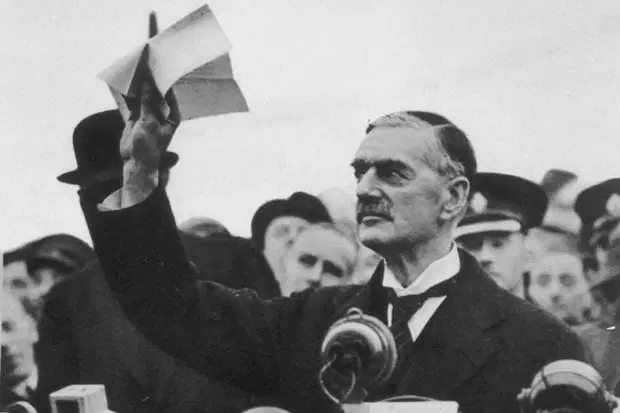
WHO?
Hitler
Stalin
Churchill
Roosevelt
Chamberlain
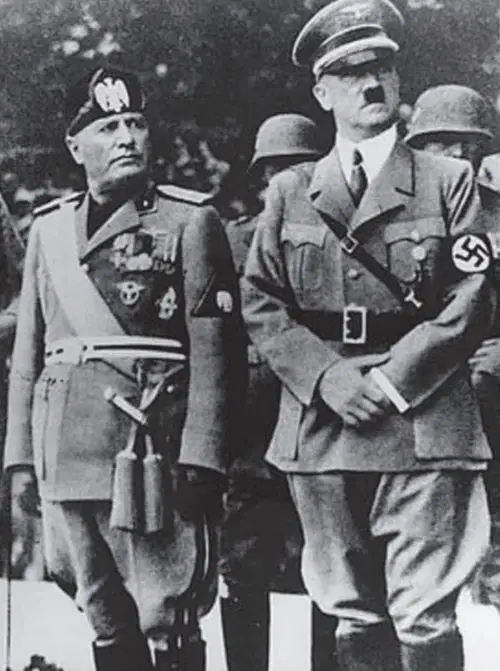
WHO?
Chamberlain and Churchill
Mussolini and Hitler
Stalin and Tojo
Roosevelt and Hitler
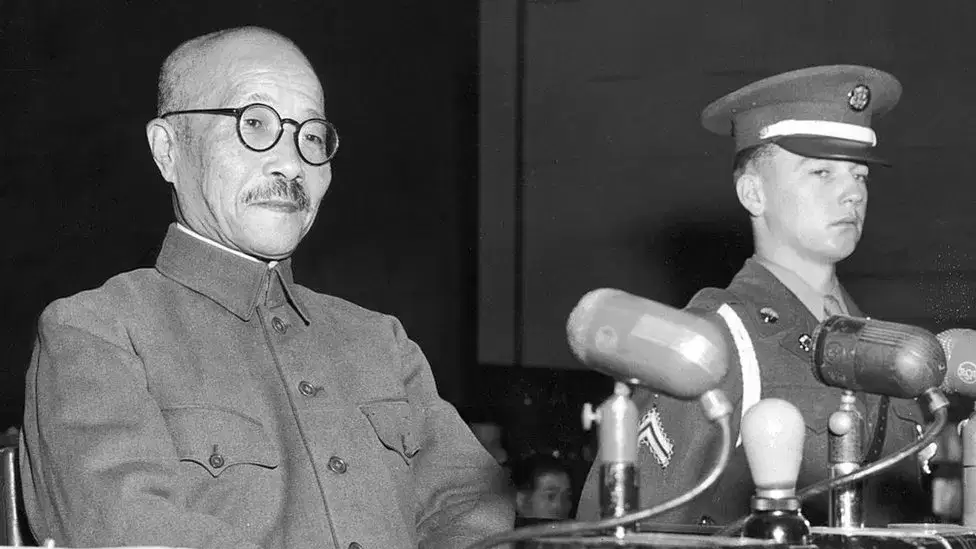
WHO?
Tojo
Mussolini
Hitler
Stalin
Roosevelt
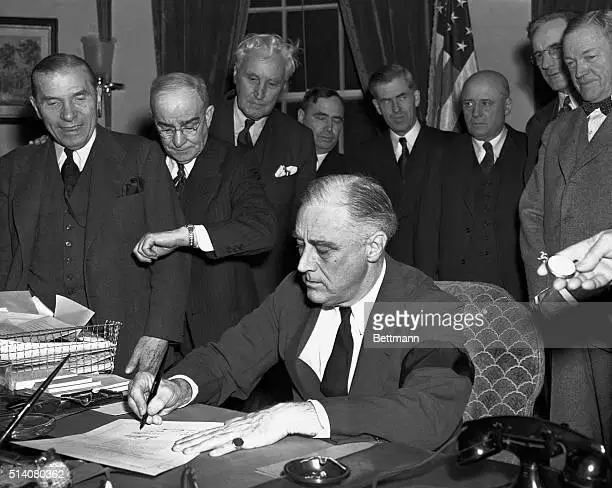
WHO?
Roosevelt
Tojo
Hoover
Hitler
Stalin
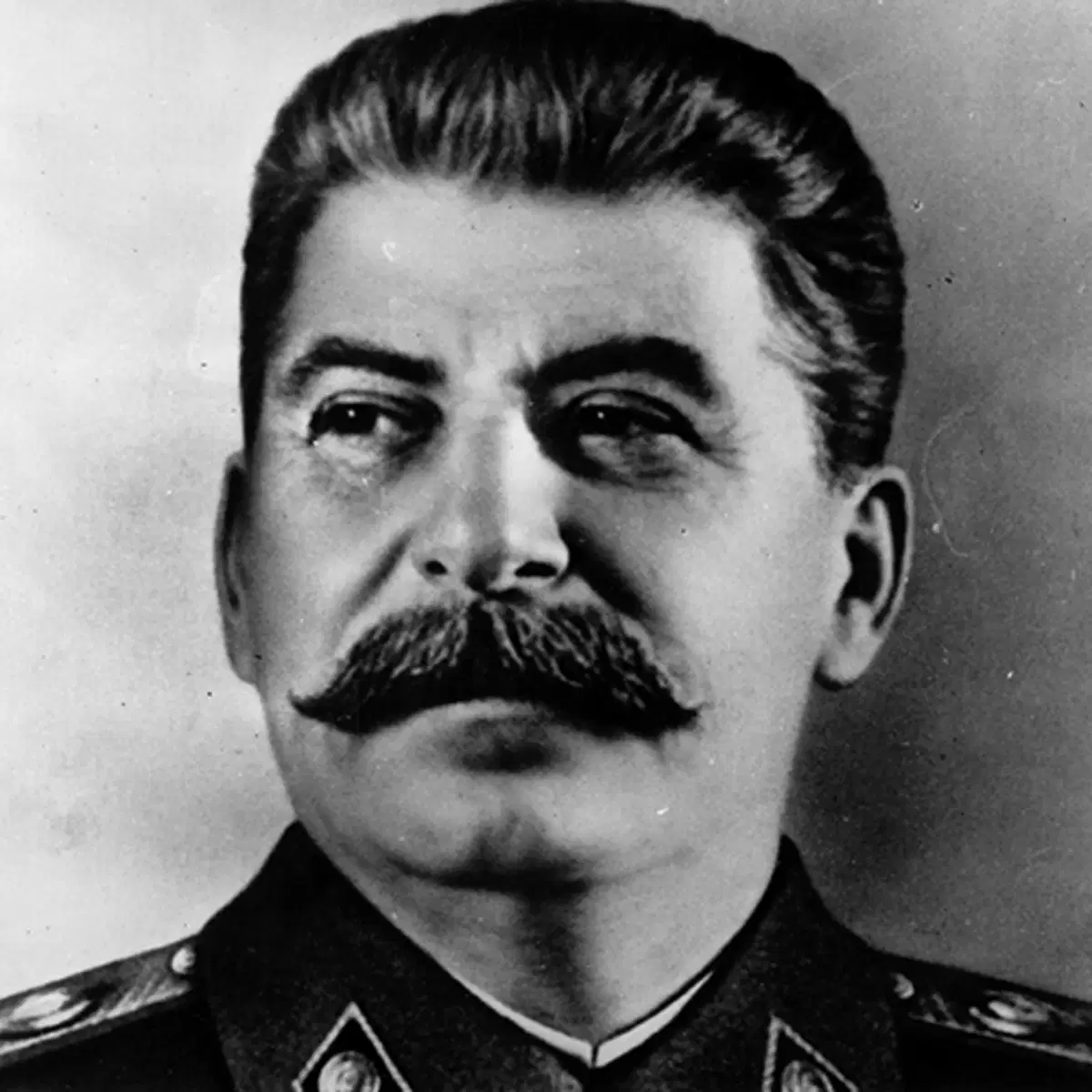
WHO?
Hitler
Stalin
Roosevelt
Tojo
Churchill
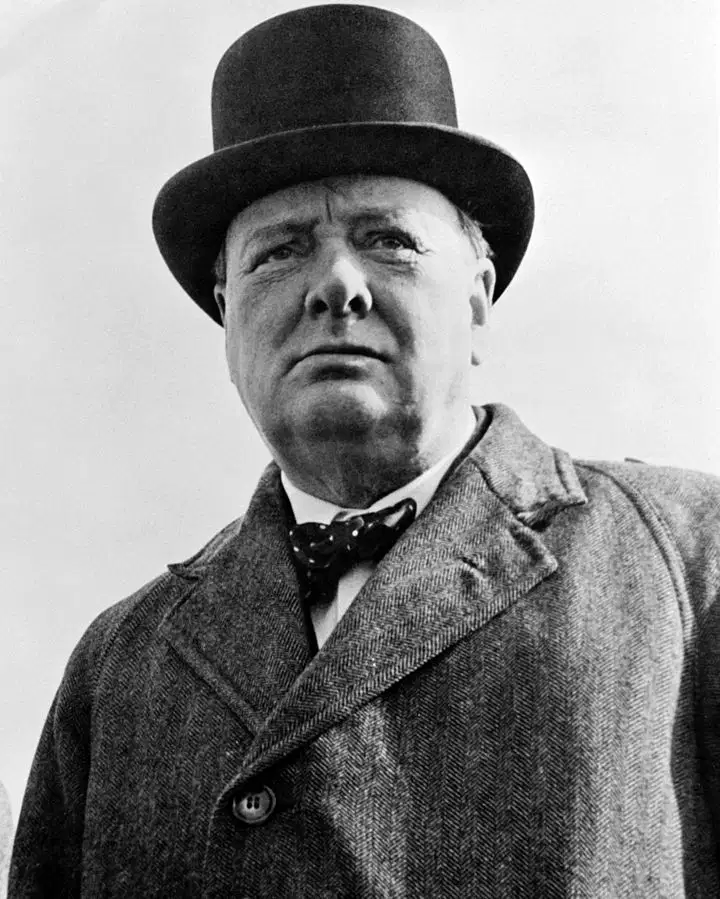
WHO?
Churchill
Chamberlain
Hitler
Stalin
Roosevelt

WHO?
Roosevelt
Stalin
Mussolini
Chamberlain
None of these!
This is Mickey!
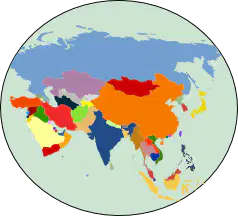
What color is China?
Orange
Blue
Black
Purple
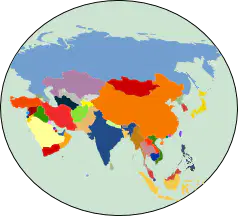
What color is Japan?
Orange
Blue
Green
Yellow
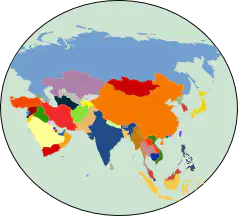
What color is the Philippines?
Yellow
Red
Blue
Orange
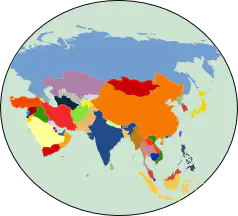
What color is Vietnam?
Blue
Black
White
Orange
Green
The date December 7, 1941 is famous for what event?
The start of WW1
The start of WW2
The Bataan Death March
The bombing of Pearl Harbor
The Nine Power Treaty The treaty promised that each of the signatories—the United States, the United Kingdom, Japan, France, Italy, Belgium, the Netherlands, Portugal, and China—would respect the territorial integrity of _________.
Japan
Vietnam
China
the Philippines
The group was notable for its unusual mission: Its members were mercenaries hired by China to fight against Japan. Eighty years ago, a small group of American aviators fought in their first battle in World War II. Their mission was unusual: They were mercenaries hired by China to fight against Japan.
The Flying Tigers
The Running Tigers
The Hungry Cats
The Swimming Dolphins
ACADEMIC VOCABULARY
__________ is a French colony and four protectorates in Southeast Asia established between l860 and 1904, and covering the present-day territories of Cambodia, Vietnam, and Laos. The five colonial components of ___________ became independent in 1954.
Asia
Southeast Asia
French IndoChina
Vietnam
ACADEMIC VOCABULARY
the act of intentionally trying to stop someone from achieving something or to stop something from developing
helping
sabotage
cheat
crying uncontrollably
ACADEMIC VOCABULARY
U.S. officials overlooked Japanese forces' preparations for war, and missed warning signs of the impending attack, including an intercepted December 6 Japanese message asking about berthing positions at Pearl Harbor, the sinking of a small Japanese submarine in the harbor, and a radar sighting of a large group of airplanes headed toward Oahu on the morning of December 7.
The 3 Clues
The 3 Musketeers
The Third Time Lucky
The Flying Tigers
The scorched earth policy
President that declared war on Japan after Pearl Harbor attack.
Franklin Delano Roosevelt (FDR)
Harry Truman
Dwight Eisenhower
Joe Biden
Official WW2 years
1914-1919
1923-1933
1933-1939
1939-1945
2019-2023
POW?
Prisoner of War
Prisoner of WOKE
Parents of Women
Pizza or Waffles
a military strategy of burning or destroying crops or other resources that might be of use to an invading enemy force.
All out fight
dog fight
scorched earth policy
shock and awe
blitz
He became a Senator in 1934. During World War II he headed the Senate war investigating committee, checking into waste and corruption and saving perhaps as much as 15 billion dollars. As President, ___________ made some of the most crucial decisions in history (dropping atomic bomb on two Japanese cities)
Eisenhower
Woodrow Wilson
FDR
Harry Truman
Donald Trump
ACADEMIC VOCABULARY
The Bataan Death March is remembered as an absolute tragedy. The prisoners of war were forced to march through tropical conditions, enduring heat, humidity, and rain without adequate medical care. They suffered from starvation, having to sleep in the harsh conditions of the Philippines.
Bataan Death March
Pearl Harbor
Holocaust
The Death Valley suicide hike
ACADEMIC VOCABULARY
______________ was an American five-star general and Field Marshal of the Philippine Army. He was Chief of Staff of the United States Army during the 1930s and played a prominent role in the Pacific theater during World War II.
John Kennedy
Harry Truman
FDR
Douglas MacArthur
Tojo
GEOGRAPHY
Japan is in what continent?
Africa
Asia
North America
Europe
Australia
Poland is in what continent?
Africa
South America
North America
Europe
Asia
USA is in what continent?
South America
North America
Asia
Africa
Europe
Vietnam is in what continent?
North America
South America
Africa
Asia
Australia
Chile is in what continent?
North America
Asia
Europe
Africa
South America
China is in what continent?
Africa
Asia
Antarctica
Alabama
North America
South Africa is in what continent?
Asia
Africa
Alaska
North America
Mars
The Philippines are in what continent?
Africa
South America
North America
Asia
Los Angeles
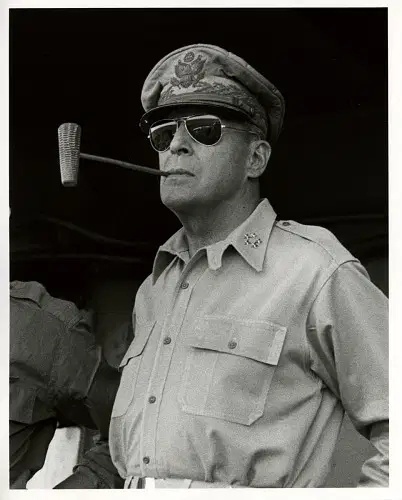
WHO?
Tojo
Hitler
Mussolini
MacArthur
Chamberlain
WHO?
Truman
MacArthur
Dixon
FDR
Mars

WHO?
The Flying Sharks
The Flying Tigers
The Tigers Flying
The Four Lazy Men
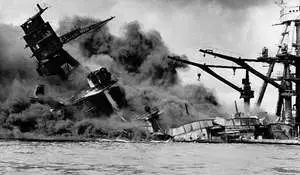
What?
Attack on Pearl Harbor
Battle of Britain
D-Day
The Atomic Bomb
The Sinking of the USS California

