
 Worksheets
Test - Unit 14 - Human Body Systems
Total questions: 18
Worksheet time: 13mins
When you get pinched by someone, which three systems interact to help you move your arm away?
Nervous
skeletal
Muscular
Digestive
endocrine
Which body systems works for nutrient absorption?
Circulatory
Digestive
Muscular
Excretory
Lymphatic
Which systems help to regulate water, and salt balance and remove waste in the blood?
Excretory and integumentary
Circulatory and excretory
Endocrine and circulatory
Immune and nervous
The digestive and respiratory systems pair together to ...
bring carbon dioxide and wastes to cells for diffusion.
bring oxygen and wastes to cells for diffusion.
bring oxygen and nutrients to cells for cellular respiration.
bring carbon dioxide and nutrients to cells for cellular respiration.
Last night Jane began to feel like she had a stopped up nose. Today she thinks she has come down with a cold. She went to the doctor and her temperature was 102 degrees and her white blood cell count determined she has an infection. Which organ systems (2) are mainly interacting in this scenario
lymphatic
integumentary
cardiovascular
muscular

The immune system fights diseases. The circulatory system pairs with the immune system because ___.
White blood cells attack invading bacteria
The immune systems makes red blood cells
The circulatory system produces hormones to attack bacteria
The bone marrow makes red blood cells.
It is Thanksgiving and you ate a lot of food and there is too much sugar in your blood. Which two systems work together to produce the hormone insulin and lower sugar levels in your blood?
Circulatory
Immune
Excretory
Endocrine
Digestive
You are running and start to feel light-headed. Your brain is receiving messages that your body needs more oxygen. What two systems would give your muscles more oxygen?
Respiratory
Nervous
Cardiovascular
Excretory
Endocrine
Someone is cold and shivers. Which three systems are at work together?
Respiratory
Lymphatic
Excretory
Integumentary
Muscular
Which three systems work together to move the body?
skeletal, respiratory, digestive
nervous, cardiovascular, skeletal
skeletal, muscular, nervous
cardiovascular, respiratory, digestive
The (a) is the body system that breaks food down so that it can be used by the body.
The (a) is a muscular organ that pumps blood to the body through blood vessels of the (b) system.
Match the following body systems to their corresponding picture

Reproductive

Lymphatic / Immune

Respiratory

Nervous
Match the following body systems to their function
Movement
Muscular
Structure, support, and protection
Skeletal
Transporting nutrients, oxygen, carbon dioxide
Circulatory
Removing waste from the blood/body
Excretory
Break down food and absorb nutrients
Digestive
Cell
Tissue
Organ
Organ System
Organism
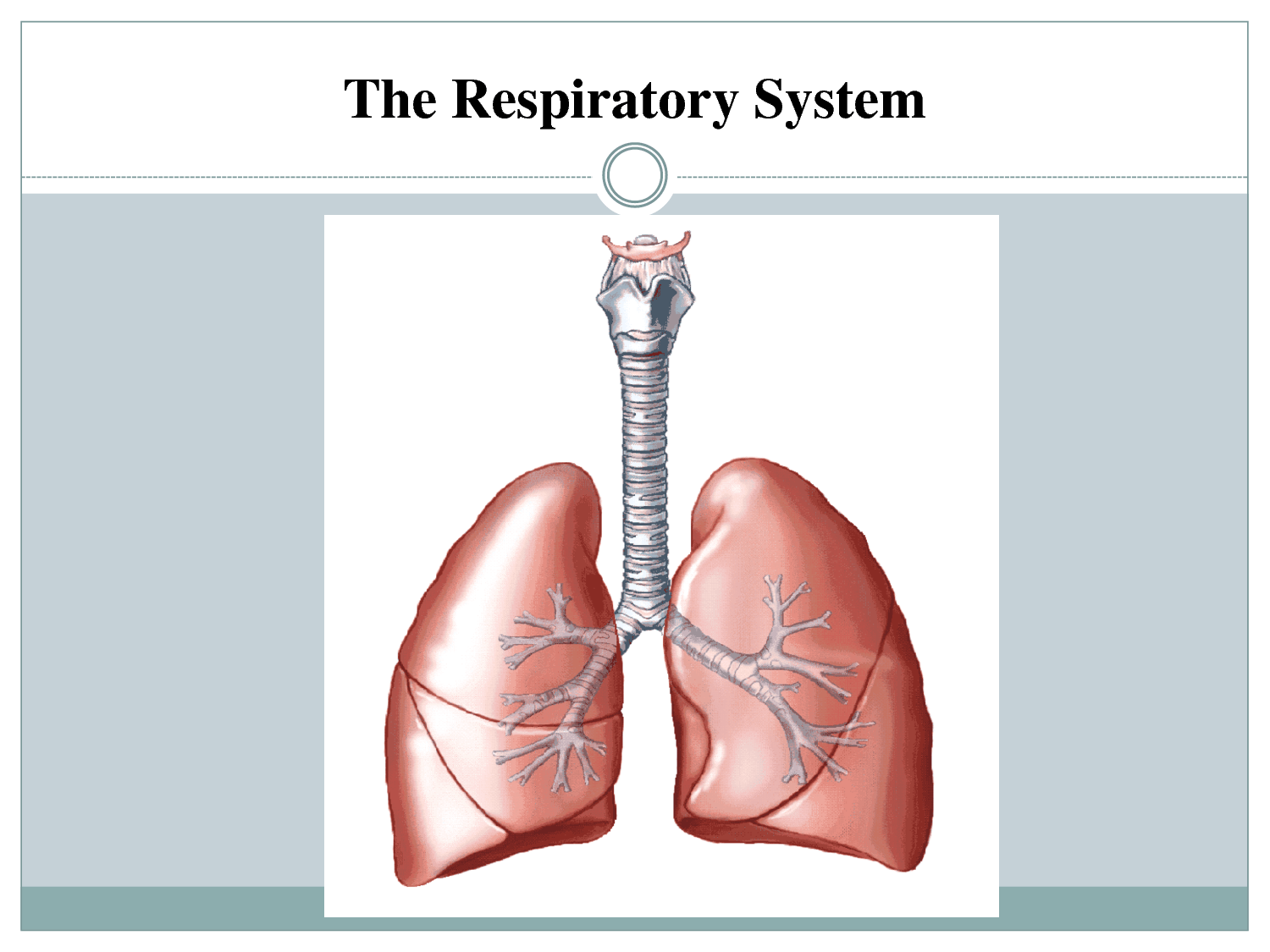
Match the following Structures to the correct system
muscular system
tendons
skeletal system
joints, cartilage
cardiovascular
veins, arteries
digestive
liver, espohagus
nervous
spinal cord

