
 Worksheets
DCMS: Progressivism; Industrial Revolution to Child Labor
Total questions: 20
Worksheet time: 21mins
Which of the following was NOT associated with early factory working conditions? (a)

How did railroads impact the prices of goods & services?
Made them more expensive and harder to ship
Made them cheaper and easier to ship
Gave people a way of transportation

An organization of workers dedicated to protecting members' interests and improving wages, hours and working conditions for all. (a)
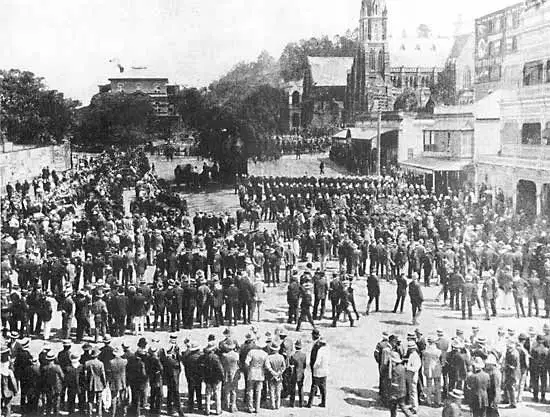
(a) is when workers refuse to work in order to force an employer to meet their demands.

How young did some children begin to work during the Industrial Revolution?
4 years old
9 years old
12 years old
16 years old
It was illegal for children to work during this time.

Did children make a lot of money for their work? (a)

Which of the following was a typical job worked by children? (a)

What was the main reason that businesses liked to hire children? (a)
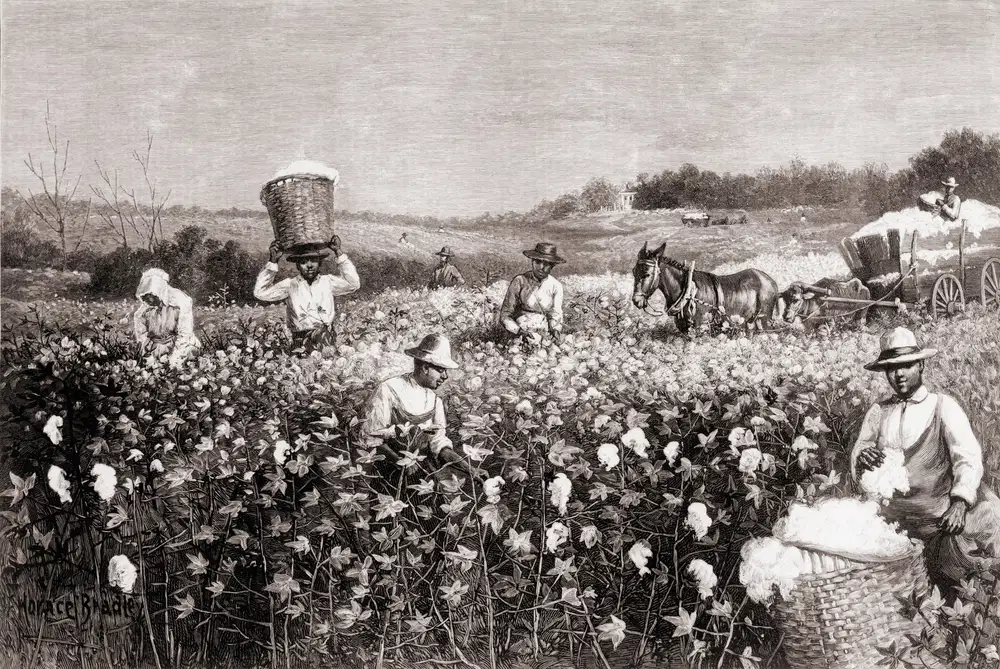
Before the Civil War, the economy was based on what type of society? (a)

The South as it was before the Civil War.
The South as it was under Spanish rule.
The older population of the South.
The old native settlers of the South.

They could no longer make a living farming.
They suffered farming losses due to wildfires.
They wanted vacation time and health insurance.

the payment of high wages
establishment of a safe and pleasant work environment
establishment of mill villages to provide housing for workers

Due to the abundant supply of raw materials and workers, which of the following industries led to the industrialized New South? (a)

As the price of cotton crashed, South Carolina began to (a) their economies.

The South Carolina city, (a) was a major hub to over 100 daily trains..
Two factors of production that were necessary for TEXTILE MILLS to exist in SC were (a) and (b) .

Unlike factories in the North that employed thousands of immigrants and (a) , mill owners in South Carolina hired (b) already living in the state or nearby.
When Mister Jay talks about CONTINUITY & CHANGE, he asks you to think about (a) and (b) during the period we are studying.
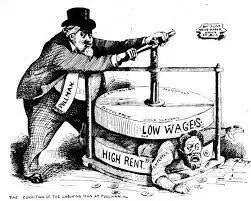
(a) is an idea that shows how people have been working to improve society, create fairness, and make things better from the past until now.
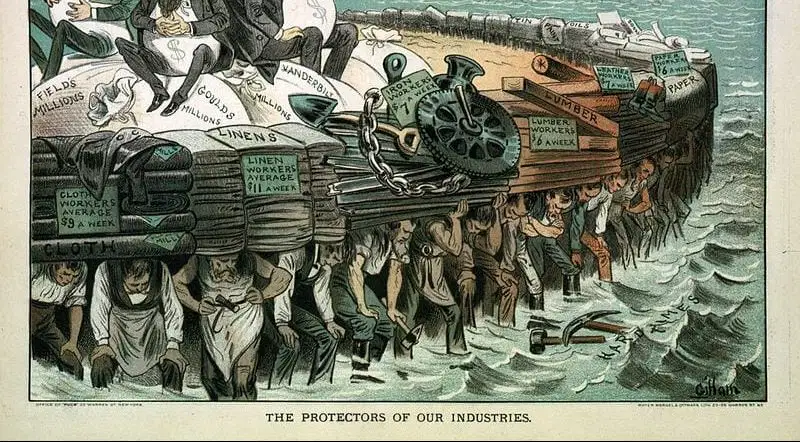
Populists seek to represent the interest of (a) .

