
 Worksheets
Immigration and Urbanization Practice Quiz
Total questions: 51
Worksheet time: 28mins

What was a large reason that people moved to America during this period?
Religious Persecution
Not fun in Europe
Inflation
Too much fun in the old country

True or False: America was the home of Freedom, and people were never refued jobs, going to college, or into social clubs based on religion?
True
False
True or False: No one ever became sick and died on the way to America...
True
False

What is the main mode of transportation immigrants took to America during this period of time(1870s-1920's)?
Lawnmower
Spaceship
Sailboat
Steamship

During what years was Ellis Island the US's main immigrant processing center?
1880-1970
1892-1895
1861-1984
1892-1924

How long did most immigrants spend in Ellis Island?
30-35 minutes
3-7 hours
4-8 hours
3-30 days

What was another reason many Europeans left for America in the later part of the 1800s?
Outbreaks of stinky foot disease
Deflation
Reflation
Revolutions and Political unrest
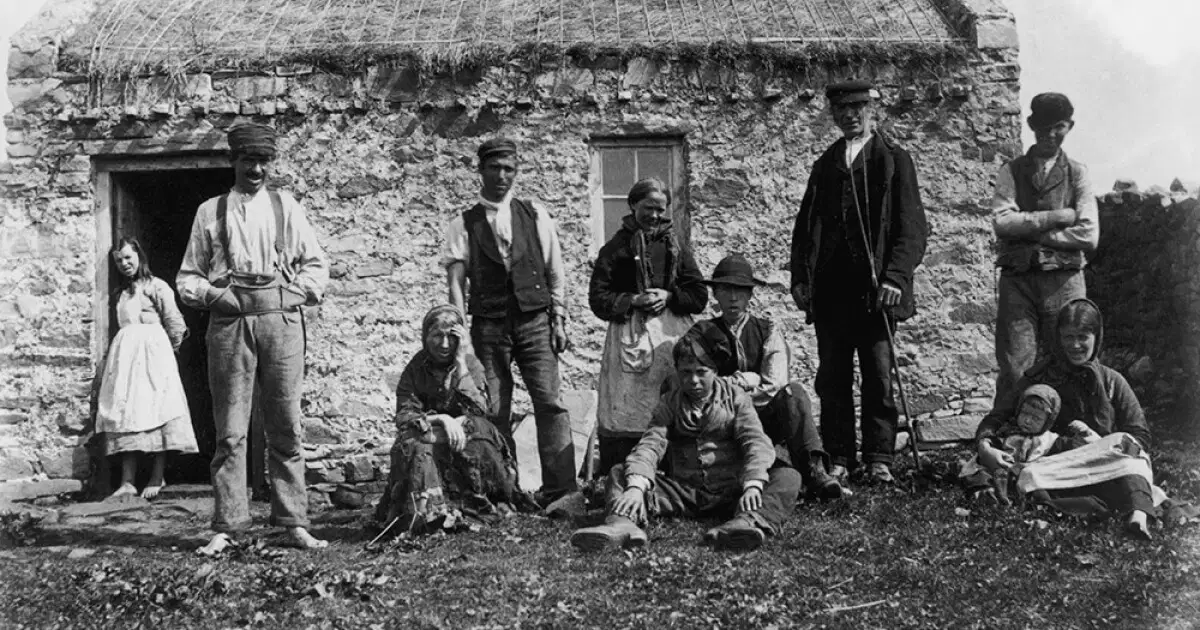
Why did agricultural workers leave home to come to America?
Crops were too successful, needed to make less money, laziness
Crop failures, low profits, needed to find work
Didn't like how Europe smelled, Needed new hats and shoes
America seemed cooler than Europe and Asia, better food

After 1880 where did most European immigrants come from?
Southern and Eastern Europe
Northern and Western Europe
Southern Asia
Western Africa

What was the imposed tax for all immigrants entering through US ports?
60 dollars
50 cents
25 cents
1 dollar

Where did most immigrants enter the US who were coming from the East?
Ellis Island
Angel Island
Rikers Island
Alcatraz Island

In what city's harbor is Ellis Island?
Boston Harbor
Newark Harbor
New York Harbor
Louisiana Harbor

What were some reasons that immigrants would be turned away or put into quarantine?
Contagious diseases
Mentally unfit
Criminal before coming to America
No money

Lack of electricity in many homes, using candles instead, on top of the fact that there was a lack of easily accessible water let to what?
Cities smelling bad
No showers ever
Fires that would spread and be difficult to stop
Nothing fun

Why was being an immigrant in America durig this period so difficult?(Click all that apply)
Difficult to find a place to live
Not fluent in English
Difficult to find work
Only hotdogs and hamburgers

What made steerage class so terrible?(Click all that apply)
No seat belts
Crowded
No windows
Shared toilets
Too clean

How much did cities, between 1870-1920, increase in population?
from 5-10 Million
from 1-100 Million
from 10-54 Million
from 10-100 Million

What made providing clean water so difficult in cities?(Click all that apply)
Most people did not have running water in their homes
No water filtration
Chlorine not used until early 1900's
It was illegal to boil water

True or False: Immigrants needed a witness or family membor to come to Angel island to support the incoming immigrant...
True
False

What are some examples of societal effects/cutural diffusion seen as an effect of immigration?(click all that apply)
Hotdogs/frankfurters
Spaghetti
Russian Literature
Italian Operas
Kindergarten

What was the cheapest ticket a person could buy on a ship coming to America?
Business class
Coach Class
Steerage Class
Low Class

How long did the Chinese Exclusion Act remain a law with all its extensions?
61 years
10 years
30 years
45 years

Why did Nativists believe that Catholics were a danger to America?
Catholics would be lazy and not work
They feared that Catholics would be loyal to the Pope above all else
They feared that Catholics create a country where all they ate was hotdogs
They feared that Catholics would try to convert everyone to Catholicism

What were some ways that new immigrants could acclimate to their new home?(Click all that apply)
Establishing/finding places of worship
Social clubs
finding people that speak their native language
learning to eat hotdogs

Pre-1880 most immigrants from what area of Europe?
Eastern and Southern Europe
Western and Northern Europe
Southeastern Asia
Africa

Where did most immigrants enter America on the West coast?
Ellis Island
Rikers Island
Angel Island
Falkland Islands

From which country was the largest group of Asians coming from?
China
Japan
Vietnam
Mongolia

True or false: Immigrants rarely spent more than a few hours on Angel Island before being allowed on American mainland.
True
False

According to Nativists beliefs, what are "wrong" countries that an immigrant can come from?
Great Britain, Germany, Scandanavian region
Poland, Russia, Austria-Hungary, Greece
Japan, China, Korea
Peru, Argentina, Chile

Chinese Exclusion Act of 1882 was supposed to remain law for how long?
1 year
3 years
10 years
20 years

What tactics did America use on new immigrants in order to keep them from immigrating, just as America had used on freed slaves to keep them from voting?(click all that apply)
Taking away their citizenship
Poll taxes
Literacy tests
Hotdog eating contests
True or false: Before 1853 all cities had paid fire departments...
True
False
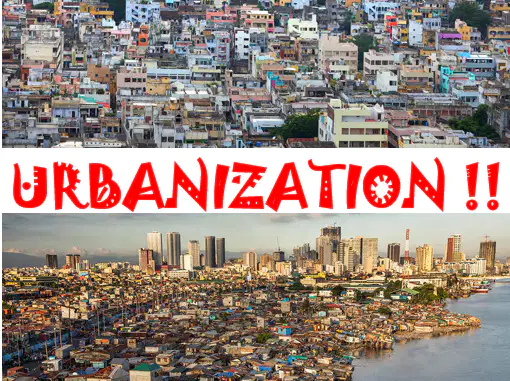
What is Urbanization?
An increase in population as well as city size
A decrease in population as well as city size
An increase rural population
A decrease rural population
According to Nativists beliefs, what are "right" countries that an immigrant can come from?
Great Britain, Germany, Scandanavian region
Poland, Russia, Austria-Hungary, Greece
Japan, China, Korea
Peru, Argentina, Chile

Approximately what percentage of babies would not make it to their first birthday during this period of the late 1800's?
1%
10%
25%
50%

True or False: Nativists also discriminated based on religion...
True
False

True or False: Most immigrants lived in rural areas...
True
False

True or False: By 1910, Immigrants accounts for more than one third of the total population of 18 major US cities
True
False
African Americans moved from the South to this area in order to escape violence and racism of the South...
Northwest
North
Southwest
Hawaii

What are "nativists"?
People that love Native Americans
People that believe immigrants are a danger to the "American way of life"
People that love immigrants and are against national borders
People that are against immigrants assimilating

Where did most of the expanding cities occur in America?
Southwest and West
South and Midwest
Northeast and Midwest
South and Northwest
Why did life in the city soon become difficult for poor immigrants?
tenements and homes soon became undercrowded
there were too many private homes
people became house poor
tenements and homes soon became overcrowded

These types of structures replaced wood as the main building material to avoid fires in cities during this period.
Wood, metal
Glass, plastic
Animal skin, fur
Stone, concrete, brick

True or false: Living in the city was generally much cleaner than living in rural areas...
True
False

Although cities build sewers, why did this way of disposing of waste still pose health risks?
Many sewers led to oceans
Many sewers led to bays and rivers that were used as water sources
Many sewers led to hotdog stands and the water was reused
People lived in the sewers and it was harmful to mole people.
What types of diseases were common during this period? (Click all that apply)
Chickenpox
Cholera
Yellow-fever
Tuberculosis
Covid-19

What is a tenement?
big house with many small windows
large building that offered many rooms for rent
home for a single family home, with shared walls with other homes
a home with no alley entrance
What is a row house?
big house with many small windows
large building that offered many rooms for rent
home for a single family home, with shared walls with other homes
a home with no alley entrance

What law greatly decreased the number of immigrants entering the US?
Immigration Act of 1973
Anti-immigration policy of 1885
Immigration Act of 1882

What did tenements in New York City need to have following the passing of laws about living conditions in 1879?
At least one window per building
at least one toilet per building
air shafts for ventilation
hotdog stands on every floor

This was the first year in America's history that more people lived in cities than in rural areas
1890
1910
1920
1930

