
Font size
 Worksheets
Las plantas
Total questions: 32
Worksheet time: 16mins
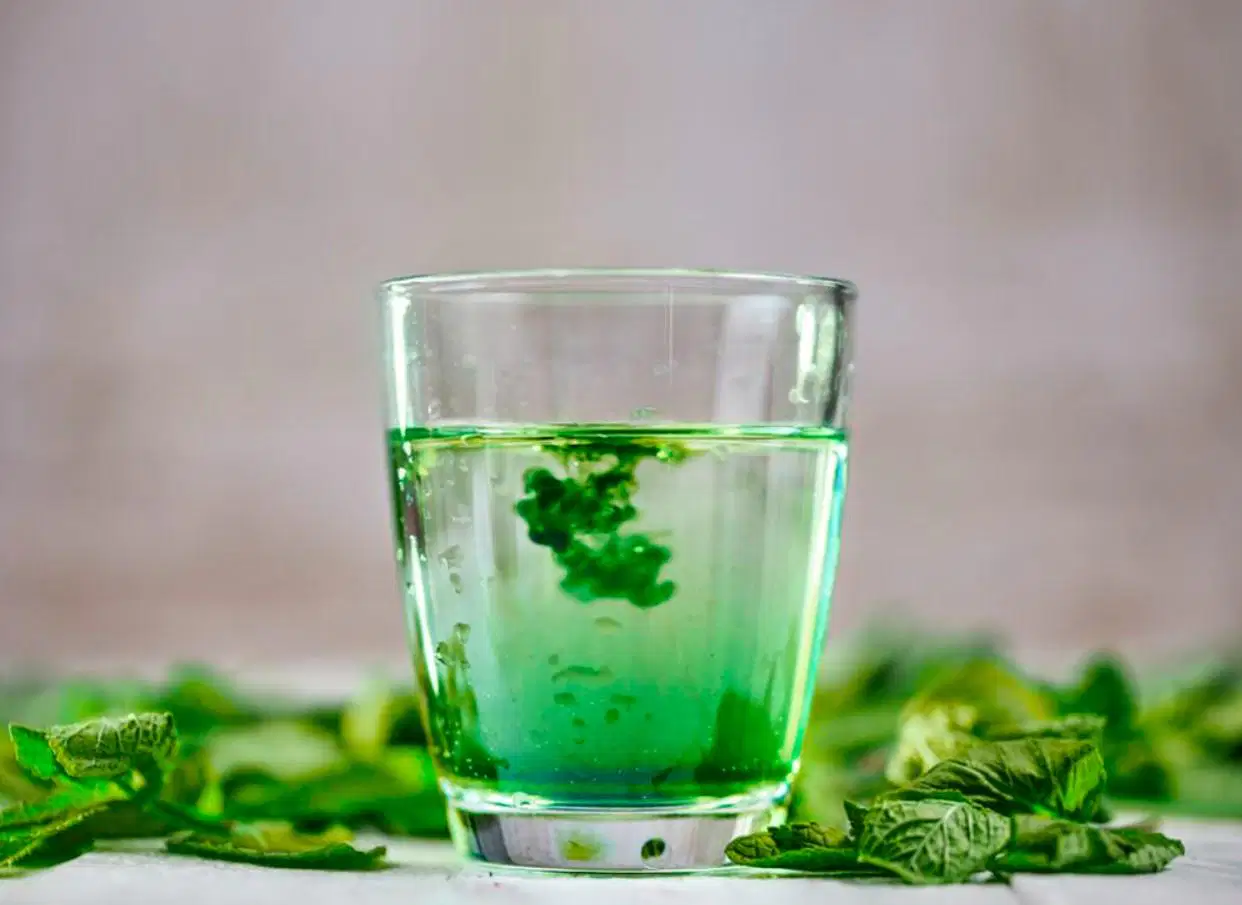
La clorofila es...
una parte de la planta.
una sustancia que da color verde a las hojas.
una forma de reproducción de las plantas.
una característica de las plantas.

The characteristics of plants are...
they are multicellular.
they can't move.
they are autotrophs.
all the answers are correct.

Which part of the plant is shown in the picture?
Trunk.
Stem.
Flower.
Fruit.
What part of the plants are under the ground?
Flowers and fruits.
Leaves.
Stems or trunks.
Roots.

¿Qué puede pasar si dormimos con plantas en nuestra habitación?
Respiramos, aunque las plantas nos quitan oxígeno.
Tanto las plantas como los seres humanos tienen el mismo oxígeno.
Nos morimos.
No pasa nada.
What is a deciduous plant?
They lose the leaves in autumn.
They always have green leaves.
They only have green leaves in spring.
They lose the leaves in autumn and winter.
Which of these plants are angiosperms?
Olive tree.
Grape tree.
Pine tree.
Blue and green are correct.
Which of these plants is gymnosperms?
Olive tree.
Grape tree.
Pine tree.
Blue and green are correct.

¿Qué reino representan los organismos de la imagen?
Animal
Vegetal
Protista
Fungi
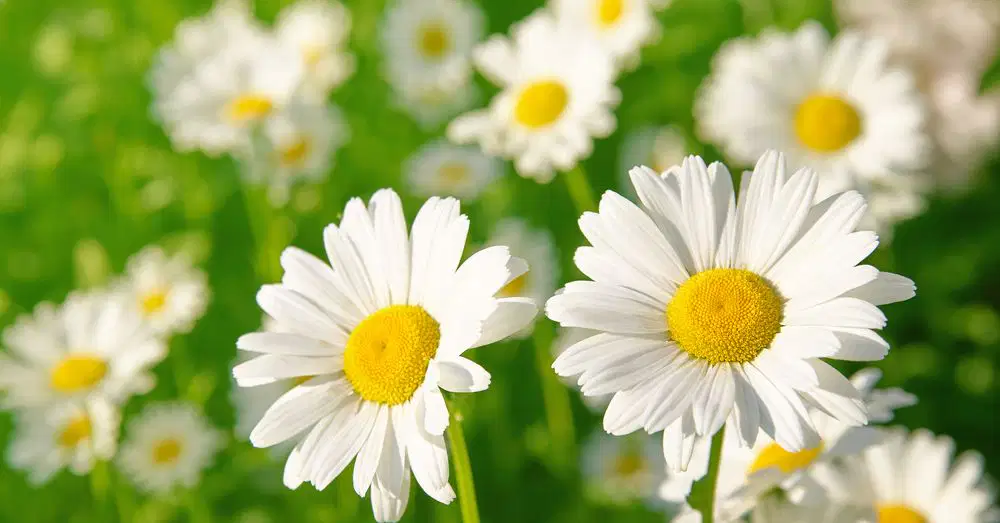
What are the characteristics of flowering plants?
They are the biggest group of plants and they have got flowers.
They are the smallest group of plants.
They haven't got flowers.
They are the smallest group of plants and they haven't got flowers.
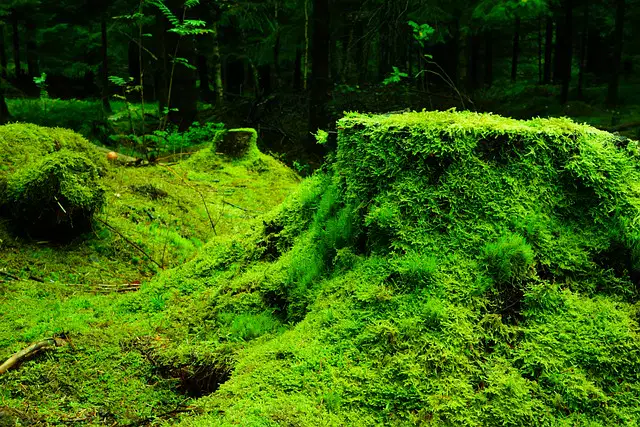
What are the characteristics of non-flowering plants?
They are the biggest group of plants and they have got flowers.
They are the smallest group of plants.
They haven't got flowers.
They are the smallest group of plants and they haven't got flowers.
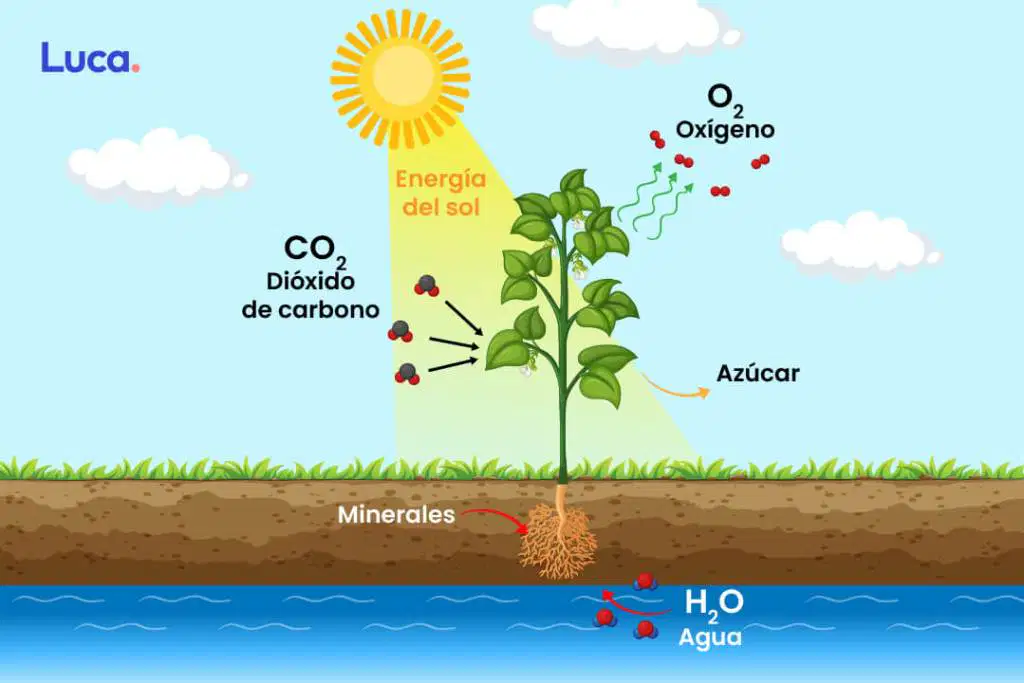
This is a step of photosynthesis.
The roots absorb water and minerals and form the raw sap.
They have long stems above the ground.
They have long underground stems like ginger.
The stamens produce pollen.
¿Cuáles son los dos tipos de tallos que hay?
Herbáceos.
Rocosos.
Leñosos.
Azul y amarillo son correctas.
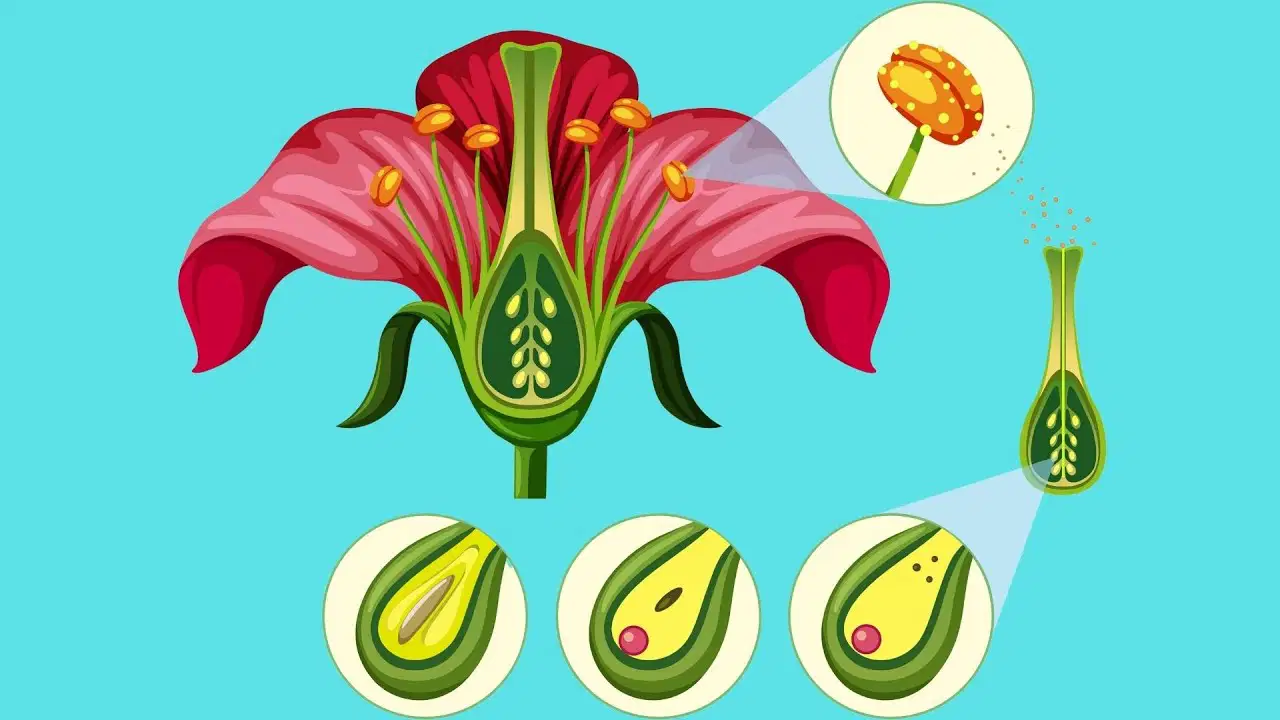
This is a step of sexual reproduction of plants.
The ovary matures and forms a fruit that contains the seed.
In the leaves, the raw sap mixes with the sunlight.
It travels to the leaves through the stem or the trunk.
The roots absorb water and minerals and form the raw sap.
When does photosynthesis take place?
During the evenings.
During the afternoons.
During the day.
During the mornings.
What are the elements necessary for photosynthesis?
Sunlight, water, minerals and carbon dioxide.
Sunlight, water, minerals and oxygen.
Sunlight, minerals, pollen and water.
Water, minerals, pollen and carbon dioxide.
¿Dónde empieza la reproducción sexual de las plantas?
Pistilo.
Estambres.
Pétalos.
Sépalos.
Bulbs...
have big underground stems, like potatoes.
have long underground stems like ginger.
have big underground stems with leaves that store food, like onions.
have long stems above the ground, like strawberry.
Sexual reproduction...
flowers are the reproductive organs of plant.
some plants don't need flowers to reproduce.
both are correct.
both are incorrect.
When do plants breathe?
During all the night.
During the day.
During the afternoons.
During all the day.
Las plantas con flores se reproducen con...
semillas.
frutos.
hojas.
tallos.
One step of sexual reproduction is...
the fruit falls to the ground and the seed germinates.
they have long stems above the ground, like strawberry.
in the leaves, the raw sap mixes with the sunlight and the carbon dioxide.
plants take carbon dioxide and release oxygen.
In the photosynthesis, plants...
fall to the ground and the seed germinates.
have long stems above the ground, like strawberry.
take oxygen and release carbon dioxide.
take carbon dioxide and release oxygen.
What part of the plant do big trees have?
Flowers and fruits.
Stems or trunks.
Branches.
Leaves.
Las hojas se pueden clasificar...
según su borde.
según su forma.
según el peciolo.
azul y verde son correctas.
Which part of the plant allows them to reproduce?
Branches.
Flowers and fruits.
Leaves.
Roots.
Mosses...
are small plants that lives on rocks and trees.
are larger than mosses and have got big leaves.
have big flowers and fruit.
have small flowers but no fruit.
Which part of the plant holds the plant and absorbs water and mineral?
Leaves.
Roots.
Stems.
Trunks.
¿A través de qué se reproducen las plantas sin flor?
Semillas.
Tallos.
Esporas.
Frutos.
What is a evergreen plant?
They lose the leaves in autumn.
They always have green leaves.
They only have green leaves in spring.
They only have green leaves in summer and spring.
What is the first step in the sexual reproduction of plants?
In the pistil, the ovary receives pollen.
The stamens produce pollen.
The fruit falls to the ground and the seed germinates.
The ovary matures and forms a fruit that contains the seed.
Tubers...
have long underground stems, like ginger.
have big underground stems, like potatoes.
have long stems above the ground, like strawberry.
have big underground stems with leaves that store food, like onions.

