
Font size
 Worksheets
L1-6 - East Asia
Total questions: 21
Worksheet time: 1hrs 3mins

Chinese emperors used the (a) to justify their rule.
They claimed that the (b) gave them the mandate, and thus the gods gave them power to (c) . The gods could also take away the mandate from (d) rulers. The gods could send (e) as a sign that the dynasty lost its mandate.
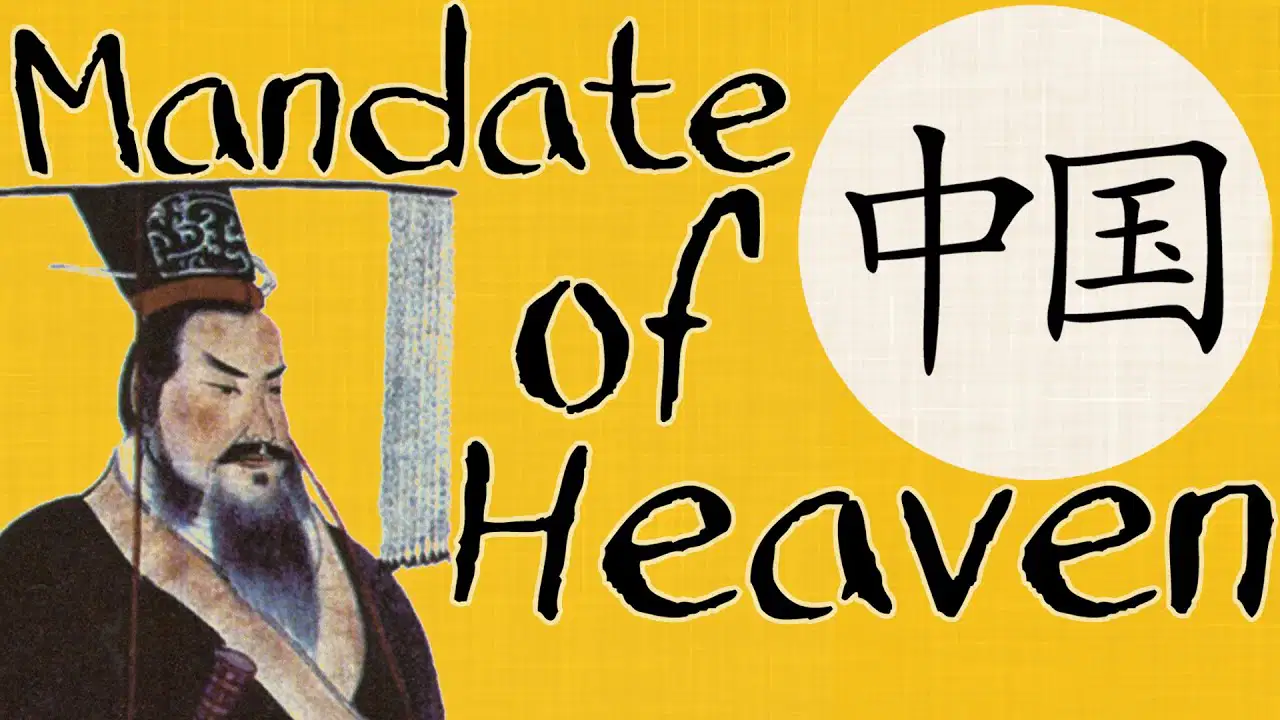
Which of these would be considered accomplishments of a successful Mandate of Heaven? (Check all that apply.)
Bring peace and order to the empire.
Build roads, defensive walls and irrigation systems in the empire.
Support education, philosophy, and arts throughout the empire.
Allow corruption throughout the empire.
Bring war and strife to different parts of the empire.
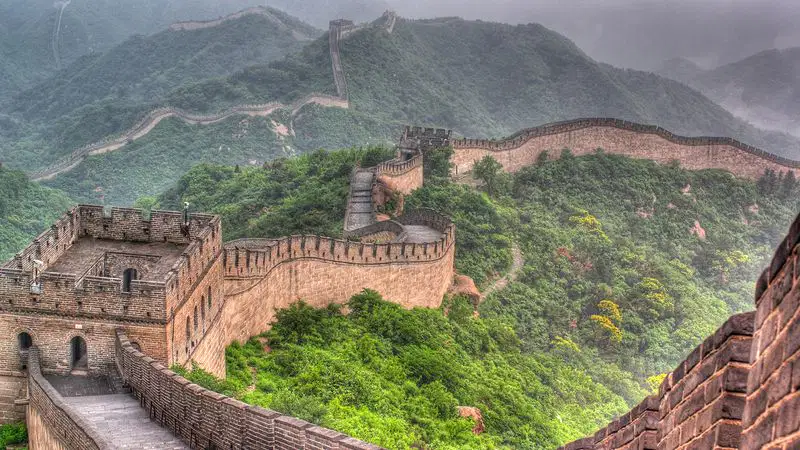
What can you conclude from the fact that the Great Wall is still standing today?
China has never been successfully invaded.
The wall still serves an important strategic purpose.
There are still many nomadic tribes north of the Great Wall.
It is still an important symbol of Chinese culture.
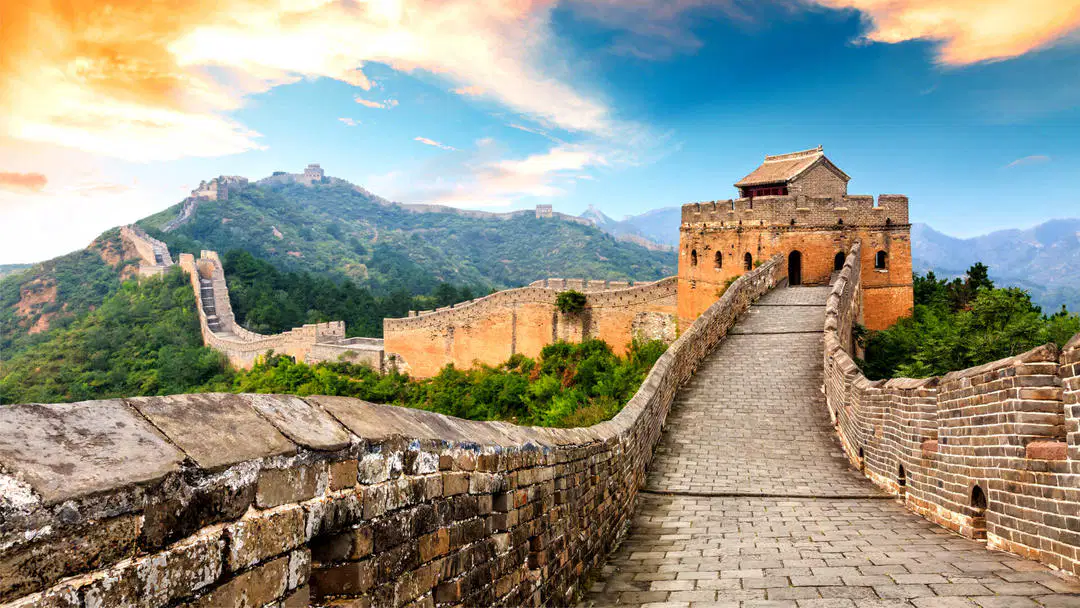
Why was the Great Wall built so high?
To prevent enemy armies from seeing what was on the other side.
To prevent horses from getting over it.
To prevent attacks with arrows and spears.
To prevent individual people from climbing it.

Which products were exchanged on the Silk Road? (Check all that apply.)
silk
plastic
exotic animals
spices
kevlar

Which of these cultural ideas were exchanged on the Silk Road? (Check all that apply.)
language
religion
skills
dna genetics
movie development

Confucius' ideas were put into a book called (a)
Where did Confucianism originate? (a)
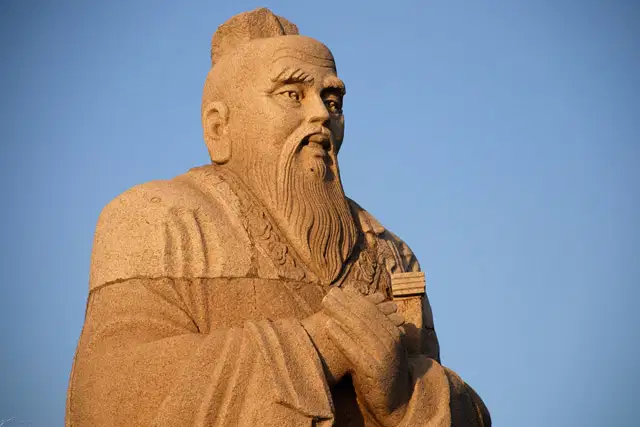
Confucius urged all people, no matter the social class to...
talk to one another.
respect each other.
kick each other.
hug each other.

It is the balance of Good and Evil.
Yang is the darker element, Ying is the lighter element.
If balanced, you can achieve Nirvana.
The two are opposites forces of nature, not just good and evil.

Serving your government.
Living in harmony with nature.
Enforcing laws with harsh punishments.
Humans are naturally evil.
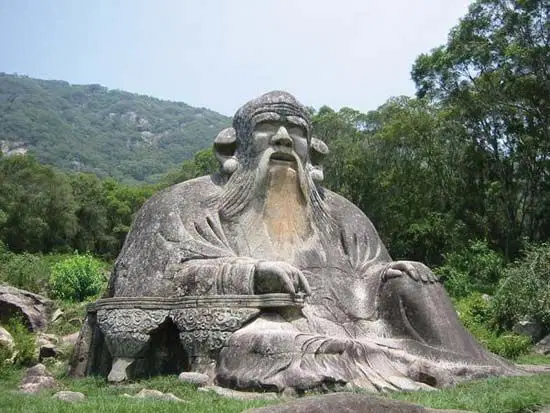
Confucius
Ronald Reagan
Laozi
John Cena
Trying to live a simple life.
You must be a vegetarian.
Investing in the stock market.
Devoting all your time to work.

Finding inner peace
Gaining wealth
Being popular
War

a symbol of how opposite forces are actually connected to each other.
a metaphor for "the struggle".
examples of good and evil.
analogies for China and Japan.
Which of these countries are communist? (Check all that apply.)
Which country has the most homogenous ethnic group?
If the epicenter of an earthquake occurs in the ocean, what might happen?
lots of fish will die
a tsunami
Aquaman's house will be destroyed
it will stop a monsoon

Define water scarcity.
When there is too much water.
When water gets scared of fire.
A flesh eating type of seaweed.
The lack of sufficient available water resources to meet the demands of water usage.

