
 Worksheets
Natural Disasters & Catastrophic Events
Total questions: 33
Worksheet time: 15mins

Identify the catastrophic event.
typhoon
hurricane
blizzard
avalanche
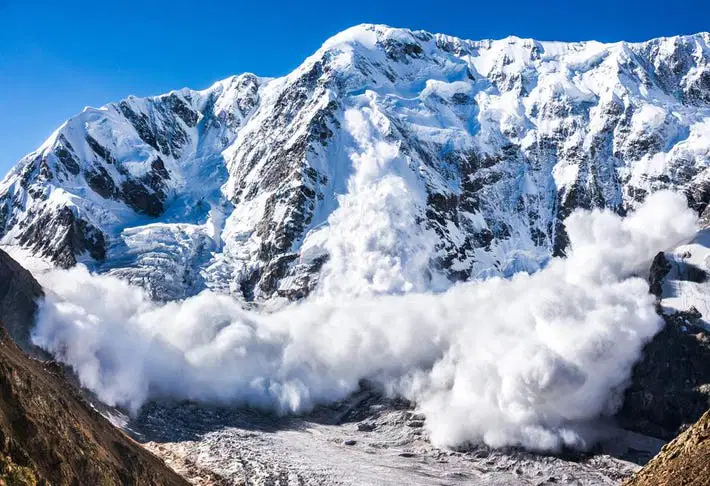
Identify the catastrophic event.
blizzard
avalanche
landslide
drought

Identify the catastrophic event.
avalanche
landslide
flood
tornado

Identify the catastrophic event.
landslide
avalanche
mudslide
earthquake

Identify the catastrophic event.
drought
mudlisde
flood
forest fire

Identify this catastrophic event.
a flood
an explosion
an earthquake
an avalanche

Identify the catastrophic event.
typhoon
hurricane
tornado
tsunami

Identify the catastrophic event.
flood
mudslide
drought
tornado

Identify the catastrophic event.
forest fire
wildfire
volcanic eruption
campfire
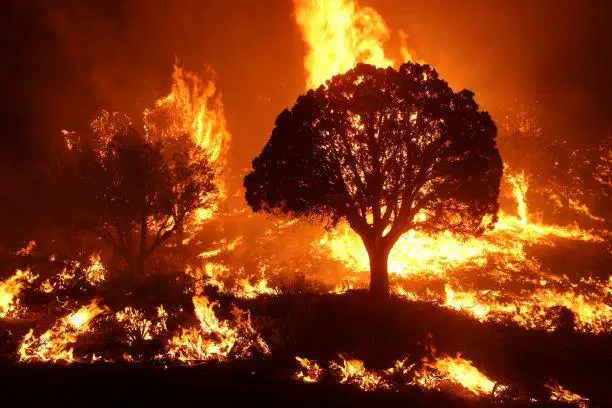
Identify this catastrophic event.
an explosion
a tsunami
a forest fire
an avalanche
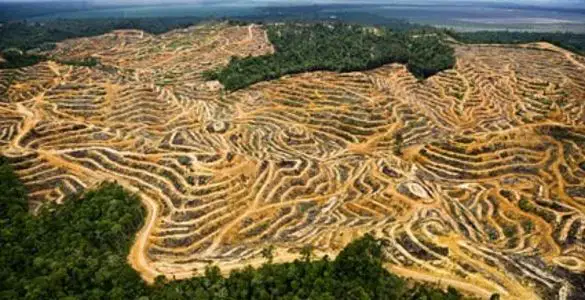
Identify this catastrophic event.
avalanche
heat wave
overhunting
habitat destruction

Identify the catastrophic event.
tornado
hurricane
blizzard
typhoon
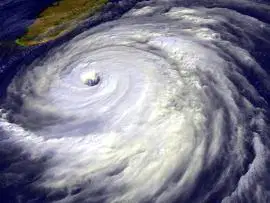
Identify the catastrophic event.
hurricane
tornado
avalanche
earthquake

Identify this catastrophic event.
wind
a tornado
a hurricane
a tsunami

Identify this catastrophic event.
a volcanic eruption
an explosion
a forest fire
a tsunami
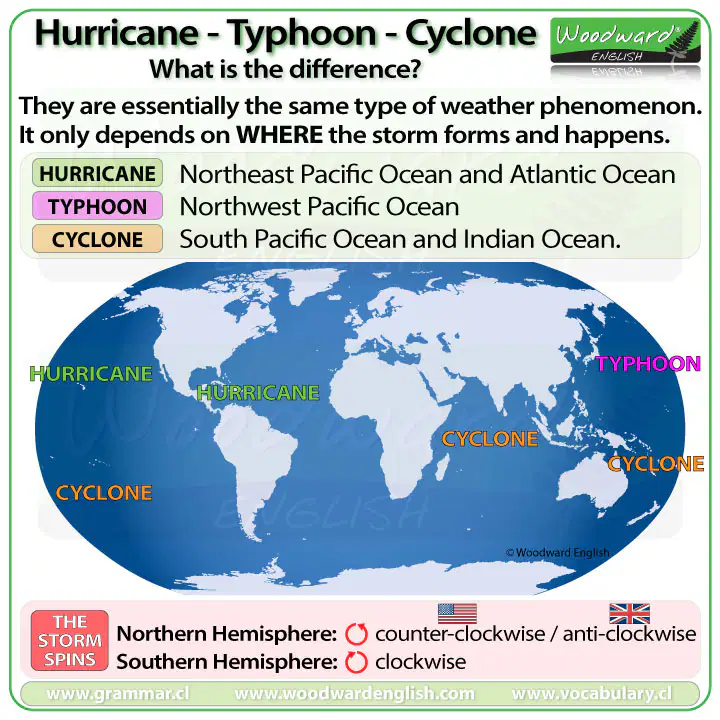
What is the main difference between a hurricane, a typhoon, and a cyclone?
They are completely different. Nothing similar about them.
They rotate in opposite directions.
They are the same thing. The name depends on WHERE the storm forms.
Hurricanes occur in the ocean, typhoons happen in Texas, and cyclones are tornados.
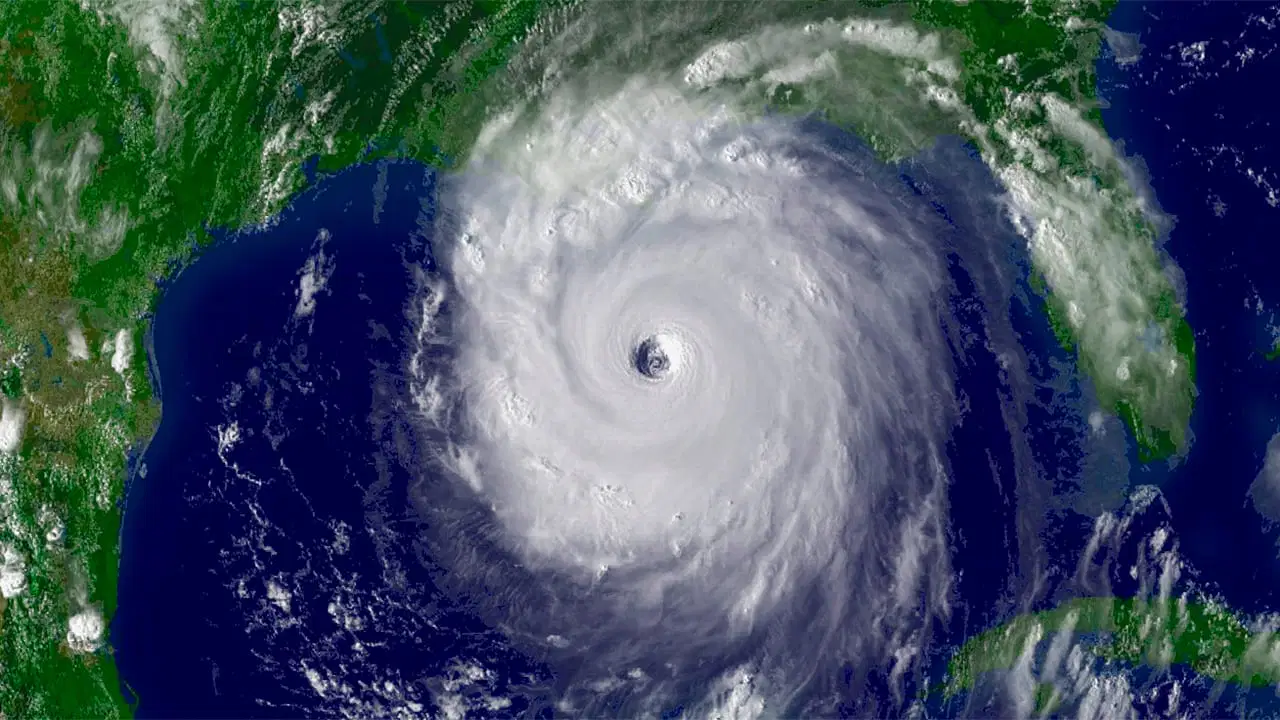
BEFORE a hurricane, what should be done to mitigate the damage?
Move to higher ground/ higher elevation
Go outside to watch where the hurricane is moving
Go to the basement and stay put
Cover windows and glass doors with plywood or storm shutters

BEFORE a wildfire, what should homeowners do to protect their property?
Cover windows and glass doors with plywood or storm shutters
Secure all heavy furniture to the floor
Clear dry brush/ vegetation away from the home

A volcano has recently erupted near your home, what should you do to protect your family?
Cover ventilation openings and seal doors and windows
Move to higher ground
Secure all heavy furniture
Avoid dangerous flood waters

During a tornado, what is the safest room in a house?
The attic (uppermost level)
The garage
The basement
Any room on the 1st floor
"In the open outdoors: If possible, seek shelter in a sturdy building. If not, lie flat and face-down on low ground, protecting the back of your head with your arms. Get as far away from trees and cars as you can; they may be blown onto you in a _______."
Which catastrophic event does this strategy most apply to?
Volcanic Eruption
Hurricane
Tornado
Wildfire
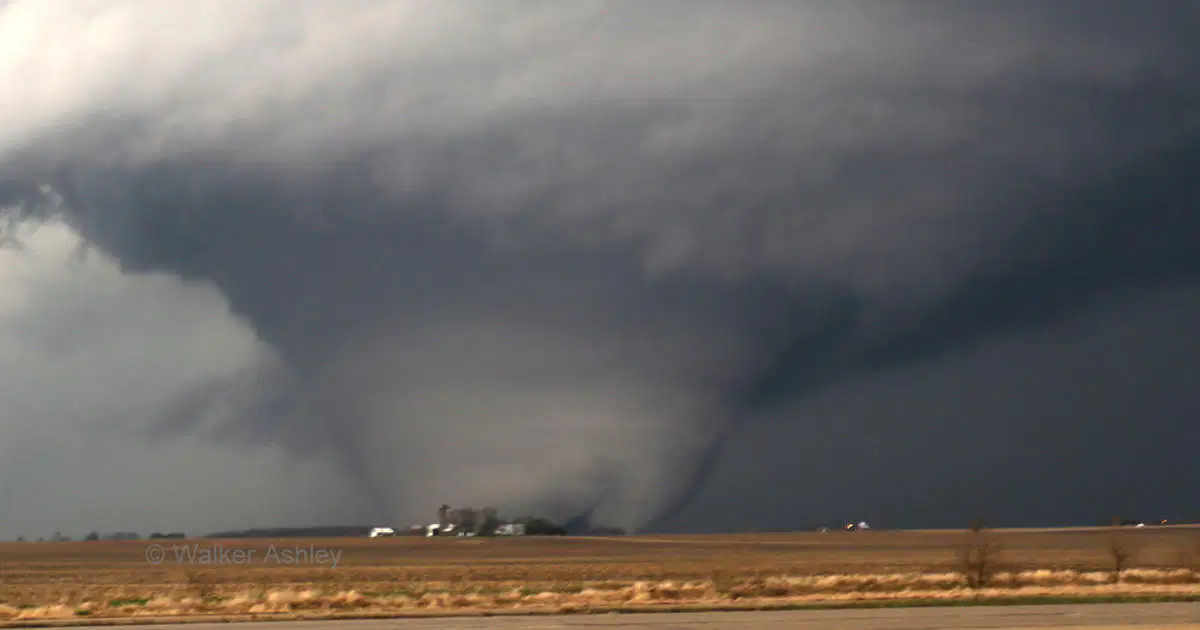
In the phrase, "F5 tornadoes can obliterate entire towns," what does "obliterate" mean?
Demolish
Perfect
Clean
Transform
"Avoid hot ash, charred trees, smoldering debris, and live embers. The ground may contain heat pockets that can burn you or spark another fire. Consider the danger to pets and livestock."
Which catastrophic event would this strategy most apply to?
Hurricane
Tornado
Tsunami
Wildfire
When will the risk of wildfires increase?
Little amounts of precipitation, less wind
Little amounts of precipitation, more wind
High amounts of precipitation, more wind
After a tsunami OR hurricane, what should be done to stay safe?
Move to the basement or lowest level of the home
Use a mask to protect against ash
Stay out of flood waters
Clear dry brush/ vegetation away from your home to avoid fire
Why is it important to avoid flood waters after a tsunami or hurricane?
Another storm could be approaching
You don't have avoid them! Go swim!
It can contain dangerous debris. Underground or downed power lines can electrically charge the water.
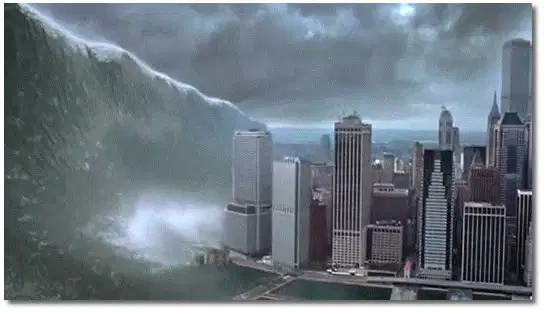
True or False: A tsunami is typically caused by earthquakes.
True
False
The safest place to be during a thunderstorm is under a tree.

What caused this to occur?
subsidence
flooding
landslide
avalanche

How will this oil spill impact the marine ecosystem?
It has no negative effects.
Oil is harmful to animals.
All of the following are atmospheric natural disasters except –
tornado
earthquake
drought
hurricane
All of the following catastrophes are geologic natural disasters except –
earthquake
volcanic eruptions
mudslide
tornado

There is an area in the middle of the United States that has predictable severe weather patterns each year, especially during the spring and summer. This type of event leaves a trail of destruction in its wake. What type of weather event does this describe?
tornado
flood
hurricane
drought

