
 Worksheets
Mark Jones - Quiz 1
Total questions: 40
Worksheet time: 13mins
It is a finger like sensory nerves that appear on one end of the neurons
Myelin Sheat
Dendrites
Axon
Nucleus
This allows information to pass across great distances from various locations
Myelin Sheat
Axon Terminal
Neurons
Nucleus
A single nerve fiber that carries an electrical signal to the next neuron
Dendrites
Cell body
Node of Ranvier
Axon
______ neurons that picking up signals through touch, pain, hearing or taste
Neurotransmitter
Sensory neurons
Synapse
Motor neurons
It is located in the brain or spinal cord that process quick reflexes after a sensation
Involuntary muscle
Sensory neurons
Interneurons
Motor neurons
It is the central processing that receives sensory information
Brain
Cerebral Cortex
Motor Cortex
Brainstem
It control the body's voluntary movements
Basal Ganglia
Cerebral Cortex
Motor Cortex
Cerebellum
It is the communication between sensation and motor effort
Sensory neurons
Feedback loop
Open-loop system
Closed-loop system
It functions like a Thermostat
Sensory neurons
Neurontransmitter
Feedback loop
Closed-loop system
This initiates an activity but nothing can be done to check or change the outcome
Open-loop system
Neurontransmitter
Feedback loop
Closed-loop system
If your body temperature goes up, the hypothalamus in your brain triggers sweating to cool you off is an example of?
Open-loop system
Neurontransmitter
Feedback loop
Closed-loop system
If your body temperature goes up, the hypothalamus in your brain triggers sweating to cool you off is an example of?
Open-loop system
Neurontransmitter
Feedback loop
Closed-loop system
Stretch the muscle too fast, and the feedback stimulus causes the muscle to contract against the stretch
Vision
Muscle spindles
Feedback loop
Golgi tendond
Put the _______ under too much tension, and the feedback initiates an inhibition
Vision
Muscle spindles
Feedback loop
Golgi tendond
The Open-loop system consider as __________ inputs
Involuntary
Voluntary
Changing
Triggering
Light touch sensors is called ________________
Involuntary
Pacinian Corpuscles
Meissner's Corpurcles
Sensation
Heavier touch sensors is called ________________
Involuntary
Pacinian Corpuscles
Meissner's Corpurcles
Sensation
This sensor help distinguish the difference between rough and smooth
Touch
Pacinian Corpuscles
Vision
Sensation
This sensor help distinguish the difference between hot and cold
Touch
Temperature
Vision
Sensation
__________ sensors on the feet tell you whether you are standing and how balanced you are on your feet
Touch
Temperature
Pressure
Sensation
It is essential part of coordinated movement.
Touch
Temperature
Vision
Sensation
Awareness of the body in space or environment
Touch
Proprioception
Vision
Golgi tendon
knowing whether feet are on soft grass or hard cement
Touch
Proprioception
Vision
Golgi tendon
In this Phase, you already decided what movement you want to initiate
Preparation phase
Initiation phase
Terminal phase
Feedback loop
In this Phase, the speed of movement comes into play
Preparation phase
Initiation phase
Terminal phase
Feedback loop
In this Phase, occurs just before the ball is hit and the point of contact
Preparation phase
Initiation phase
Terminal phase
Feedback loop
Both arms do essentially the same thing
symmetrical coordination
asymmetrical coordination
symetrical coordination
asymetrical coordination
Both arms move in different ways
symmetrical coordination
asymmetrical coordination
symetrical coordination
asymetrical coordination
Andrew use both hands at the same time when receiving a ball
symmetrical coordination
asymmetrical coordination
symetrical coordination
asymetrical coordination
Andrew use one hand in receiving the ball while the other hand is on the ground
symmetrical coordination
asymmetrical coordination
symetrical coordination
asymetrical coordination
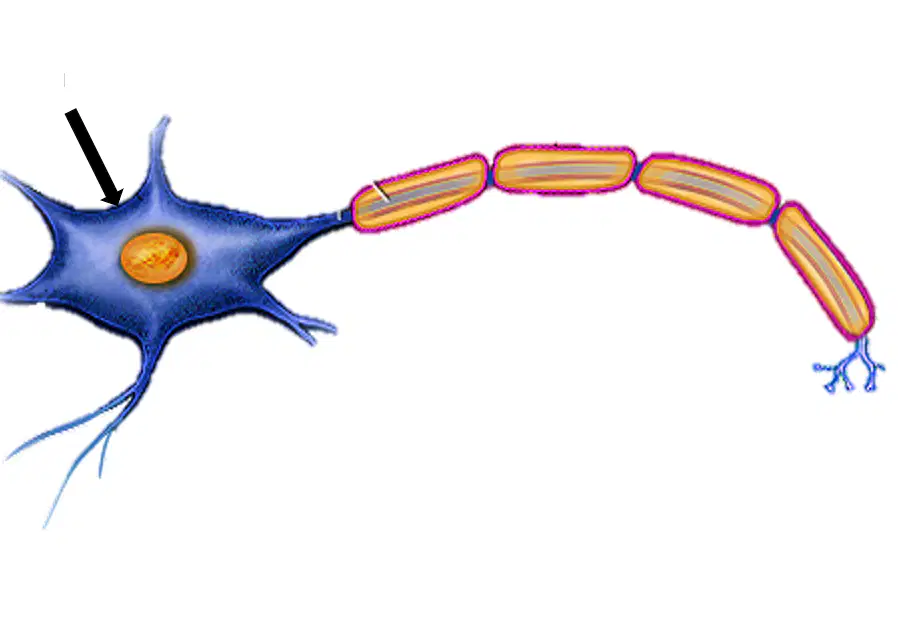
The arrow represents the...
Cell body
Cerebral cortex
Nucleus
Dendrites
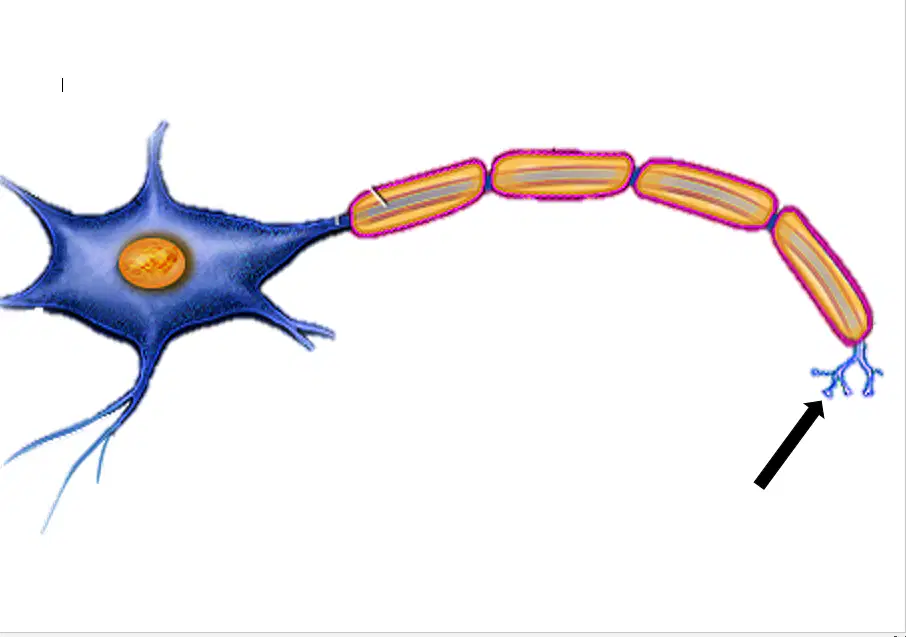
The arrow represents the...
Cell body
Cerebral cortex
Axon terminal
Axon
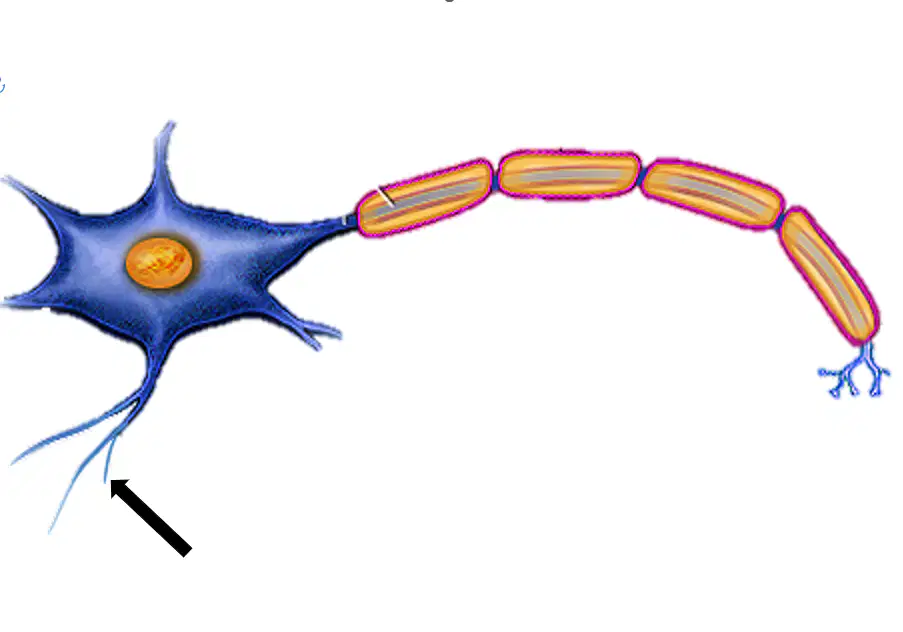
The arrow represents the...
Dendrites
Cerebral cortex
Axon terminal
Axon
Praying is an example of...
symmetrical coordination
asymmetrical coordination
symetrical coordination
asymetrical coordination
Beating of the heart is an example of...
Involuntary
Voluntary
Changing
Triggering
The environment is continually changing and you're always moving ______________ are always in action
Sensory neurons
Neurontransmitter
Feedback loop
Closed-loop system
Stepping in the stairs is an example of...
Involuntary
Voluntary
Changing
Triggering
Washing dishes is an example of...
symmetrical coordination
asymmetrical coordination
symetrical coordination
asymetrical coordination
Push-up exercise is an example of...
symmetrical coordination
asymmetrical coordination
symetrical coordination
asymetrical coordination
What is the full name of your Practice Teacher
Mark B. Sildora
Jones Mark B. Sildora
Mark Jones B. Sildora
John Mark B. Sildora

