
 Worksheets
Heat & Temperature Exam
Total questions: 53
Worksheet time: 49mins
Which of the following is used for measuring temperature?
thermometer
barometer
anemometer
scapulometer
phalangometer
George holds an ice cube in his hand. As he squeezes the ice, it begins to melt. Which of the following best explains why this happens?
George absorbs heat from the ice.
Heat moves from George's hand into the cube and warms it.
Cold moves from the ice onto George’s hand as it melts.
George releases cold to the ice.
What is the process that turns a gas into a liquid?
melting
freezing
evaporation
condensation
What is the process that turns a liquid into a solid?
melting
freezing
evaporation
condensation

The water in Mario’s swimming pool absorbs energy as heat during the day. Which of the following would the water in the pool be most likely to do?
condense
evaporate
freeze
melt
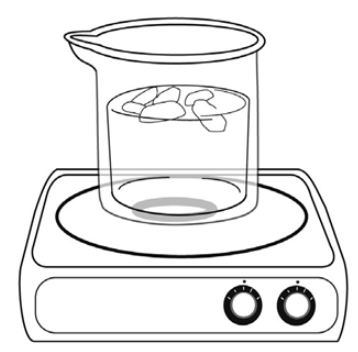
Emerson places a beaker of water on a hotplate and turns the hotplate on. The temperature in the room is 25 ºC. After the water heats to 75 ºC, she adds pieces of ice to the beaker.
Which of the following describes a transfer of heat energy that occurs during this experiment? Energy moves....
from the air to the water
from the ice to the beaker
from the water to the ice
from the water to the hotplate

How does the thermal energy of the liquid in the larger beaker compare to the thermal energy of the liquid in the smaller beaker?
The liquid in the larger beaker has less thermal energy than the liquid in the smaller beaker.
The liquid in the larger beaker has more thermal energy than the liquid in the smaller beaker.
The liquid in the larger beaker has the same amount of thermal energy as the liquid in the smaller beaker.
The exact volume of the liquid in each beaker must be known to compare the thermal energy of the liquids.
Heat loss causes matter to ________. Heat gain causes matter to ________.
contract ; expand
expand ; contract
stay ; change
change ; stay
What is heat?
a form of light
a form of energy
a measure of how old or cold something is
Which of the following materials is a poor conductor of heat? Click ALL that apply.
glass
metal
wood
rubber

Ashton warms a pure, solid substance. He graphs the changes in temperature as shown in the figure below. What is happening as he warms the substance?
molecules move more slowly
molecules move more rapidly
speed of the molecules in not changing
molecules speed up than slow down
Which example best illustrates the transfer of energy through RADIATION?
feeling warmth when you sit in a sunny place.
feeling warm air while standing in front of the blower from a heating system.
feeling the warmth of the bricks around a fireplace by touching them with your hand.
feeling warmth on the soles of your feet when you walk along the beach on a sunny day.
Which of these processes is the result of the motion of particles in a gas or liquid?
conduction
convection
insulation
radiation
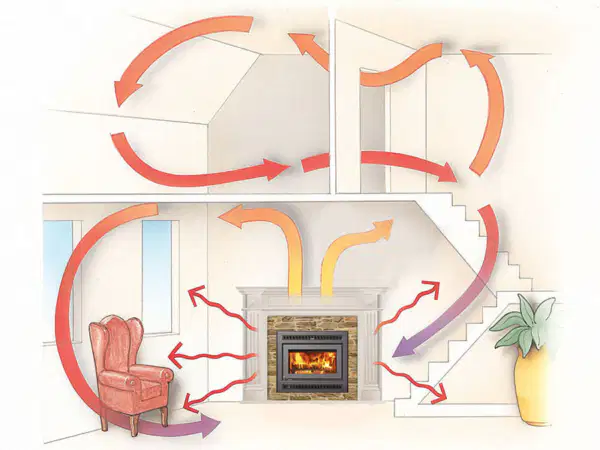
A fireplace warming the air in the room is an example of this type of heat transfer?
conduction
convection
radiation
transformation
Mrs. Malec likes to collect river rocks on her daily walk. She picked up a rock and placed it in her pocket. If the rock is 10 degrees Celsius and Mrs. Malec's hand is 31 degrees Celsius, which of the following BEST describes the transfer of energy?
Thermal energy will flow from Mrs. Malec to the rock.
Thermal energy will flow from the rock to Mrs. Malec
Thermal energy will flow from Mrs. Malec into the air.
Thermal energy will flow into the air and to the rock.
David is warming chocolate on the stove. How is the motion of the particles different after the temperature is increased?
they move faster
they move slower
the move less freely
they vibrate close together
On a hot day the lake water warms and the temperature increases. How does the movement of the particles change?
move slower and farther apart
move slower and closer together
move faster and farther apart
move faster and closer together
It is the tendency of matter to change in shape, volume, and area in response to a change in temperature.
Heat
Temperature
Thermal Expansion
Kinetic Energy
In which state of matter are the particles the moving the fastest?
solid
liquid
gas
If a liquid turns into a gas, what is happening to the amount of energy in the liquid?
It is decreasing
It stays the same
It is increasing

Which state of matter has a fixed volume and mass?
Solid
Liquid
Gas
Plasma

The state of matter that has no definite size or shape is
Solid
Liquid
Gas
The energy of MOTION is...
chemical energy
radiant energy
potential energy
kinetic energy

TRUE or FALSE: In order to change the state of matter, you need increase or decrease the energy (heat).
TRUE
FALSE

TRUE or FALSE: The particles in solids move around a lot and spread out.
TRUE
FALSE

Phase change from gas to solid is called:
Sublimation
Freezing
Deposition
Vaporization

When changing a substance from gas to liquid, the energy has to...
INCREASE
DECREASE

Which of the following statements is true about solids?
Particles do not move around much, but vibrate
Particles have a lot of free space and spread out
Solids have fixed shape but not volume.
Particles are less closely packed than gas.

Renewable energy resources produce less_____________ than fossil fuels.
pollution
energy
wind
light
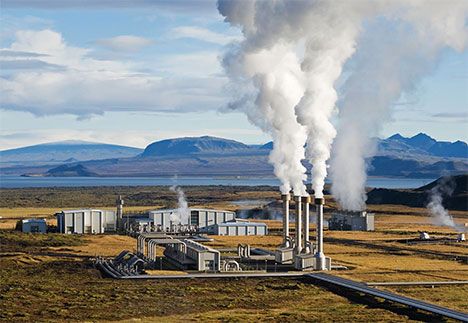
All of the following are considered renewable energy sources EXCEPT –
Wind
Coal
Biomass
Solar
A home is built with clear glass panels that allow sunlight to pass through. This is an example of
Active solar
Passive solar
Parabolic collector
Photovoltaic Cells
Which of the following are the most energy efficient light bulbs?
incandescent
compact florescent
LED
halogen
Which of the following is NOT a negative to using hydroelectric power
siltation occurs behind the dam
fish are not able to migrate upstream
creates air pollution
reservoirs impact the surrounding environment
Which of the following are sources of renewable energy? Select ALL that apply.
wind
hydroelectric
oil
gas
solar
What is the intended purpose of a camp fire?
chemical and sound energy
heat and light energy
electrical and mechanical energy
sound and magnetic energy

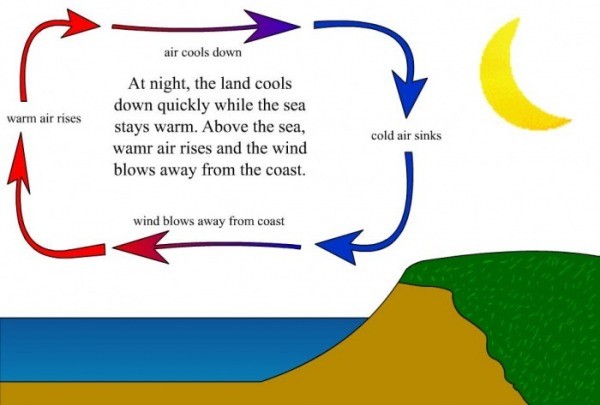
Coastal weather patterns are largely affected by which type of energy transfer?
Convection Current
Conduction
Radiation
Night
When food is cook in a microwave, radiation is giving off through what scientific concept?
Boyle's Law
Charles' Law
The Law of Conservation of Mass
Electromagnetic Spectrum
A family replaced the windows in their home with double-hung windows. This helps because a layer of gas between the two panes of glass acts as a good _______________
insulator
conductor
transformer
transfer
What does insulation do?
Slow down heat transfer out of your house
100% stops heat transferring out of your house
Heats your house up
What is an insulator?
Something that keeps objects warm
Something that stores thermal energy
Something that slows the transfer of thermal energy
Something that allows the transfer of thermal energy

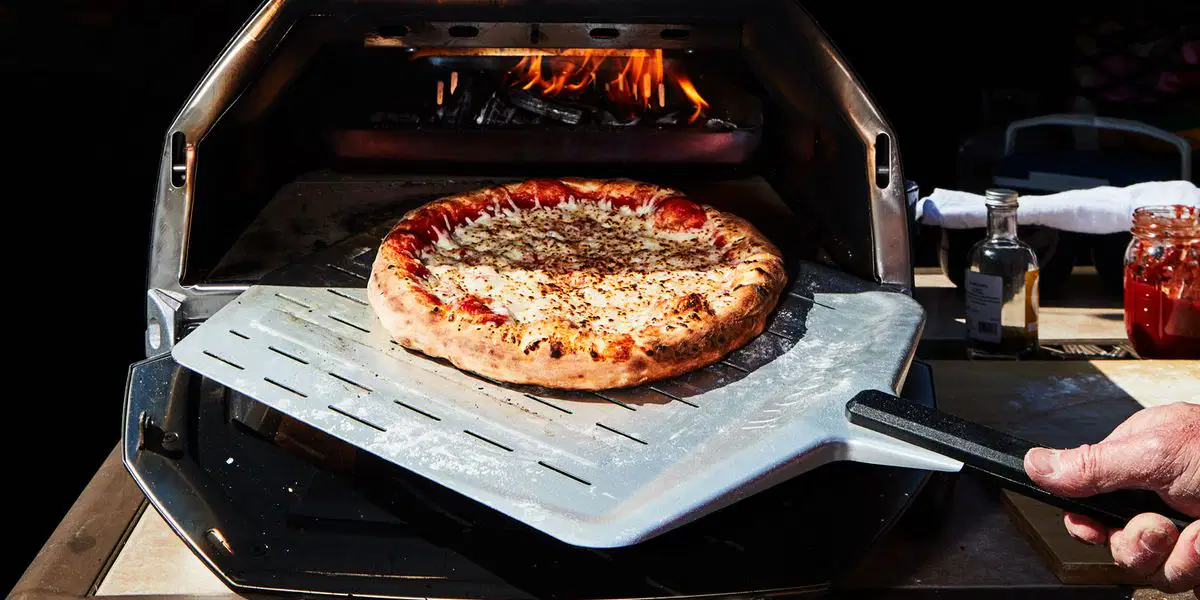
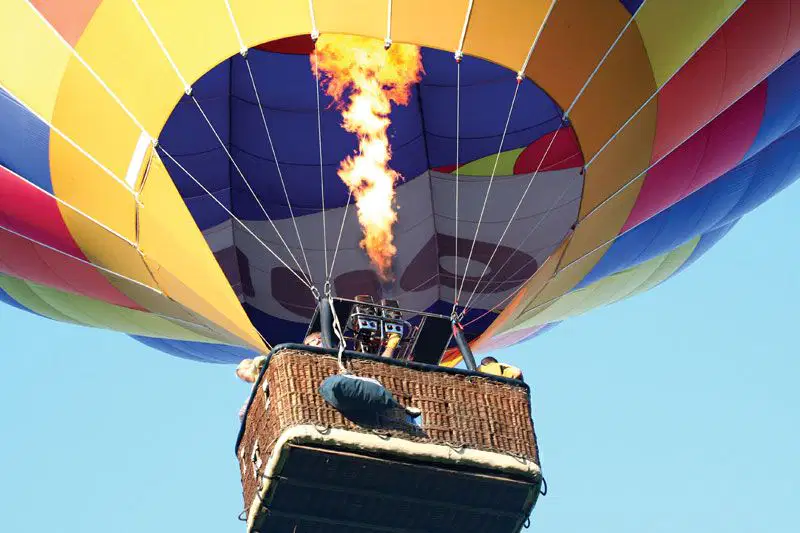
How does a hot air balloon rising, relate to the Particle Theory of Matter? How does the air inside the balloon compare to the air outside? (4 marks)

