
 Worksheets
Atoms and Periodic Table
Total questions: 26
Worksheet time: 15mins

The basic unit of matter is called _____
compounds
molecules
atoms
solids

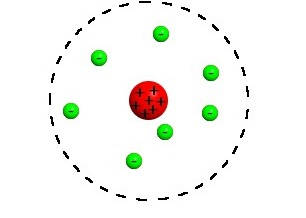
The "Nuclear Model" by Rutherford
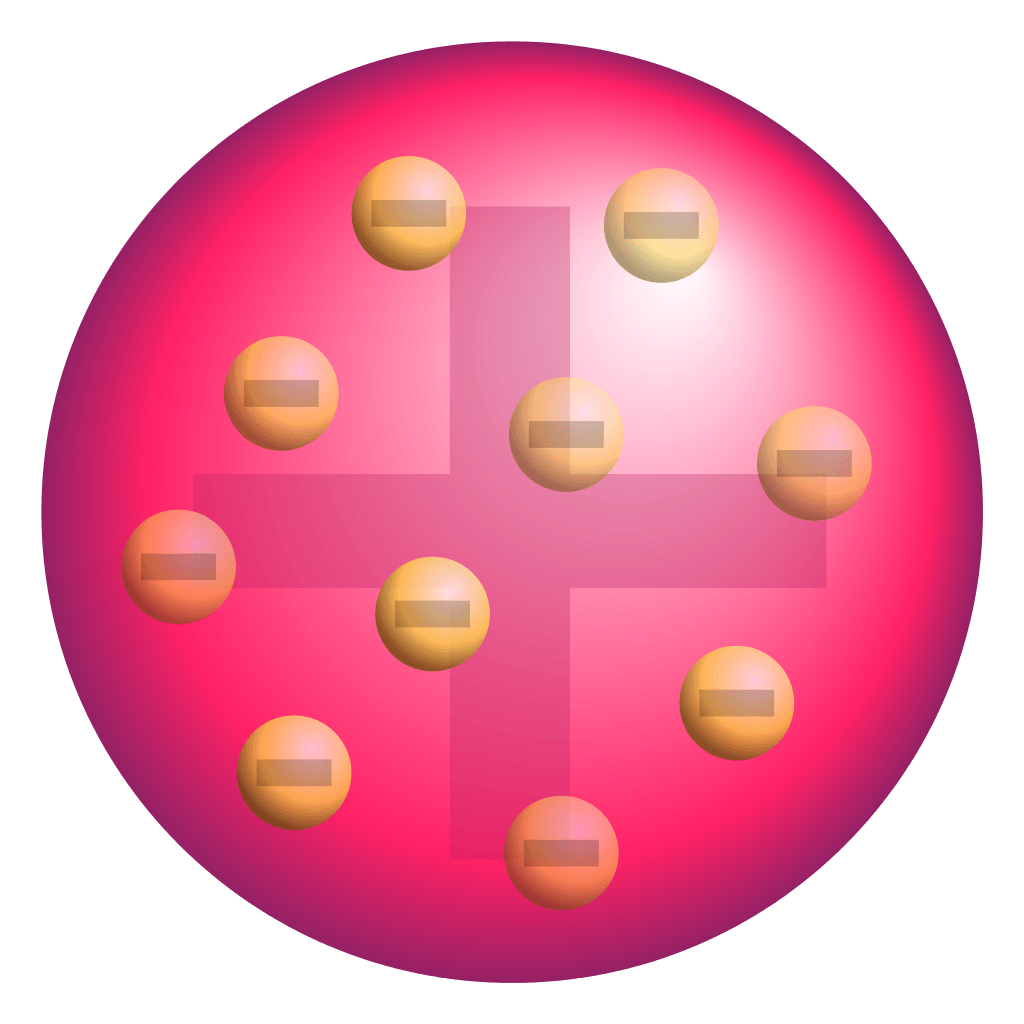
The "Plum Pudding Model" of the atom by Thomson
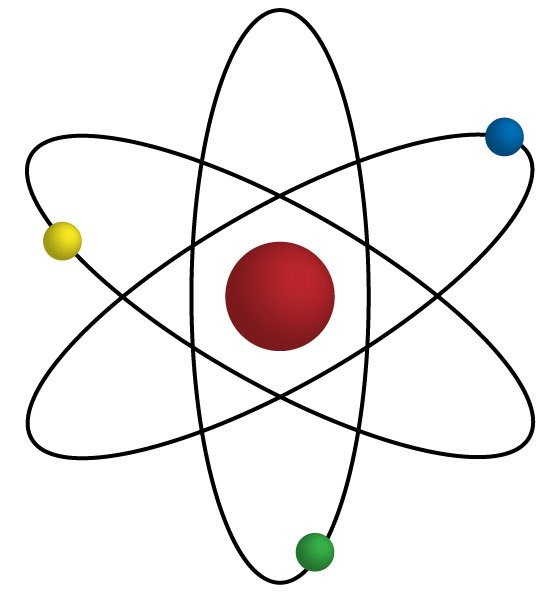
The "Quantum Mechanical Modell" of the atom by Heisenberg
Electrons have this type of charge?
negative
positive
neutral


What is the radius of an atom?
1m
1 x 10-1000m
1 x 10⁻¹⁰ m
1 x 10⁻² m

The nucleus of an atom makes up how much of the atom?
1/10,000
All of it
1/100
1/1000
Ions are formed when atoms gain or lose ___.
electrons
protons
neutrons
atomic mass

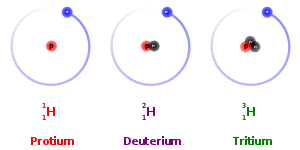

As you move down a Group on the periodic table, what happens to the size of the atoms?
they stay the same
they get larger
they get smaller

Which colour shows the alkali metals of group 1?
Blue
Green
Orange
Red
As you move down Group 1, the elements become .................... reactive
explosively
less
more
just as

Put the group 1 elements in order from least to most reactive?
Potassium - Sodium - Lithium
Sodium - Lithium - Potassium
Sodium - Potassium - Lithium
Lithium - Sodium - Potassium

Which colours show the non-metals?
Red, orange and yellow
Green and pink
Purple
All elements are non-metals
As you move down group 7, the elements become ............... reactive
explosively
less
more
just as

Put the group 7 elements in order from least to most reactive.
Iodine - Bromine - Chlorine - Fluorine
Fluorine - Chlorine - Bromine - Iodine
Bromine - Chlorine - Fluorine - Iodine
They all have the same reactivity

Which colour shows the halogens of group 7?
Blue
Green
Orange
Pink
How can we describe halogens?
They are all silver solids at room temperature
They are coloured solids, liquids and gases at room temperature
They are all coloured gases
They are all black solids

