
 Worksheets
DT GCSE: Use of Technology in design
Total questions: 18
Worksheet time: 9mins

What does CAD stand for?
Code and Design
Computer Aided Design
Create and Design
Craft and Design
What is CAD?
An app that lets you analyze different design concepts
A coding program to let you easily write in a computer language
Computer software used to create 2D drawings/3D models of designs
Creation and development for any robot
What does CAM stand for?
Carefully Added Material
Computer Aided Manufacture
Computer Aided Making
Careful Addition Manufacture
Which of the following are examples of CAM machines?

Laser Cutter

3D Printer

Vinyl cutter

Pillar Drill

Vacuum Former
What are the advantages of using CAD?
It is easy to learn and use
Precise, accurate drawings/models
You can easily send and edit designs
The software is cheap to buy
You can use CAM to bring your model to life
What is the main disadvantage of CAM?
Very expensive
Unreliable accuracy
Parts look unfinished
Takes up too much space
What are the advantages of CAM?
Human error is eliminated
The machinery is cheap
Products can be produced 24 hours a day without the need for lunch breaks
Any product can be made, without assembly by a human
What does a laser cutter look like?


Choose the most appropriate method for:
cutting a pice for an acrylic clock
a CNC router
a 3D printer
a vinyl cutter
a laser cutter
Computer Integrated Manufacture
Choose the most appropriate method for:
cutting a net for packaging with score lines for folding
a laser cutter
a 3D printer
a vinyl cutter
Computer Integrated Manufacture
a CNC router

When small quantities of the same product are made. It can be labor intensive but the use of machines, jigs, mould and templates can speed up production.
Mass production
Continuous production
One-off Production (also known as job or bespoke production
Batch Production
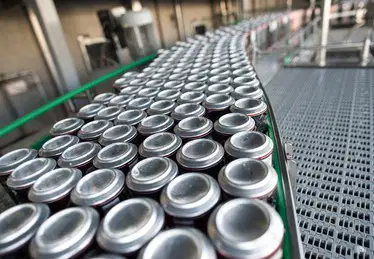
When hundred and often thousand of the same product are manufactured. The process id often automated, with machines undertaking many operations.
Mass production
Continuous production
One-off Production (also known as job or bespoke production
Batch Production

When production never stops. Making is often 24h a day with people working shifts to support the production. An example is the production of fuels.
Mass production
Continuous production
One-off Production (also known as job or bespoke production
Batch Production

When only one product is made at a time. It is highly skilled and labour intensive. This type of job is usually expensive.
Mass production
Continuous production
One-off Production (also known as job or bespoke production
Batch Production

Plastic sheet with adhesive backing
filament
acrylic
label
vinyl

A CAM machine with a blade mounted on a head that cuts 2D shapes in vinyl sheets
laser cutter
vinyl cutter
3D printer
paper trimmer

