
 Worksheets
4th grade adaptations, traits, and life cycles
Total questions: 76
Worksheet time: 51mins
________________ is the ability to live or exist, even in difficult conditions.
resources
survival
competition
organism
When organisms fight for the same resource, it is called ________________.
survival
resources
organism
competition
An organism is another name for a ___________________.
living thing
resource
climate
survival
If an organism competes successfully for resources, it is more likely to survive.
true
false
What is migration?
Long winter sleep
Mass movements of animals from one place to another
A thick layer of skin
none of the above
What are carnivores
(a)

Carnivores have ____and____front teeth.
(a)
Nocturnal means that an animal is active______.
at night
during the day
never
What is a living thing that is being hunted?
predator
prey
abiotic
What is a living thing that IS hunting?
predator
prey
biotic
What are physical features or behaviors that help an animal survive in it's environment?
abiotic
biotic
adaptations
What do dolphins use echolocation for?
to tell if it's dark
to feel the water
to sense if a predator is nearby
Webbed feet can help animals _______.
swim from predators
find food
see predators
Which are examples of learned behavior?
swimming and crying
breathing and sleeping
eating and walking
reading and sleeping
A body part or behavior that helps an organism survive?
learned behavior
instinct
adaptation
eyes
A behavior we are born not knowing how to do?
migrate
hibernate
learned behavior
instinct
Which are instinctive behaviors?
crying, sleeping, breathing
drinking from a bottle, sleeping, crawling
sleeping, talking, eating
breathing, reading, drawing
What weather conditions cause animals to hibernate?
lots of rain and shedding skin
less food and no shelter
the weather is colder and less food
cold weather and no rain
Plants and animals have adaptations to?
run fast and eat
meet their needs and protection from enemies
migrate and hibernate
protection and survival


Some grasses grow in hot dry areas. Why might they grow very deep roots?
to protect the plant from sun damage
to take in as much light as possible
to spread seeds to new places
to reach water that is underground
Which is an adaptation of plants to living in an ocean?
rigid trunks and leaves
flexible leaves and stems
storage of water in trunk for dry years
transparent leaves to hide from leopard sharks
Why does a water lily have air spaces inside its stems?
A water lily has air spaces in its stems so that it can make music.
A water lily has air spaces in its stems so that so that rhinoceroses won't eat it.
A water lily has air spaces in its stems so that you can find it in the dark.
A water lily has air spaces in its stems so that it can float.
Why do low-growing plants in the rain forest have brightly colored flowers?
Their bright flowers help them look good on Hawaiian shirts.
Their bright flowers keep carnivores from seeing them.
Their bright flowers attract pollinators, such as birds and insects.
Their bright flowers help them keep their temperature inside at a constant 98.6 degrees.

An adaptation that helps a cactus live in the desert is its
wide, flat leaves to catch water
bright green color
thin, spiny needles
tall stems

Plants have different needs depending on where they live. In what kind of environment would you find a plant that has an adaptation that allows it to store water?
rainforest
grasslands
tundra
desert
What is the first stage of the life cycle of a butterfly?
caterpillar
chrysalis
butterfly
egg
A ____________ is a series of stages that occur during a living things life.
life cycle
life span
stamen
pistil
Which type of metamorphosis does an insect go through when they start as an egg, turn into a nymph, and then become an adult?
none
complete
incomplete
life cycle
In this stage of metamorphosis, the larva forms a hard casing around itself
larva
pupa
adult
nymph
What forms after pollination occurs?
an insect
a seed
an adult plant
a leaf
In what ways can a seed travel?
Wind
Water
Animals
All of the above
When organisms inherit traits, they
always resemble their parents exactly
never resemble their parents at birth
never grow up to resemble their parents
often grow up to resemble their parents
Which of these animals/insects go through incomplete metamorphosis?
alligator
dragonfly
praying mantis
all of the above
Which of these (more than one) are traits that people can inherit?
eye color
hair color
face shape
eye shape
At what stage of metamorphosis can a salamander lay eggs?
egg
adult
larva
pupa
Which statement is true about nymphs?
Nymphs are fully developed and can lay eggs.
Nymphs look nothing like adults of the same animal.
Nymphs spin cocoons so they can rest and change form.
Nymphs molt as they grow from an immature animal to an adult.
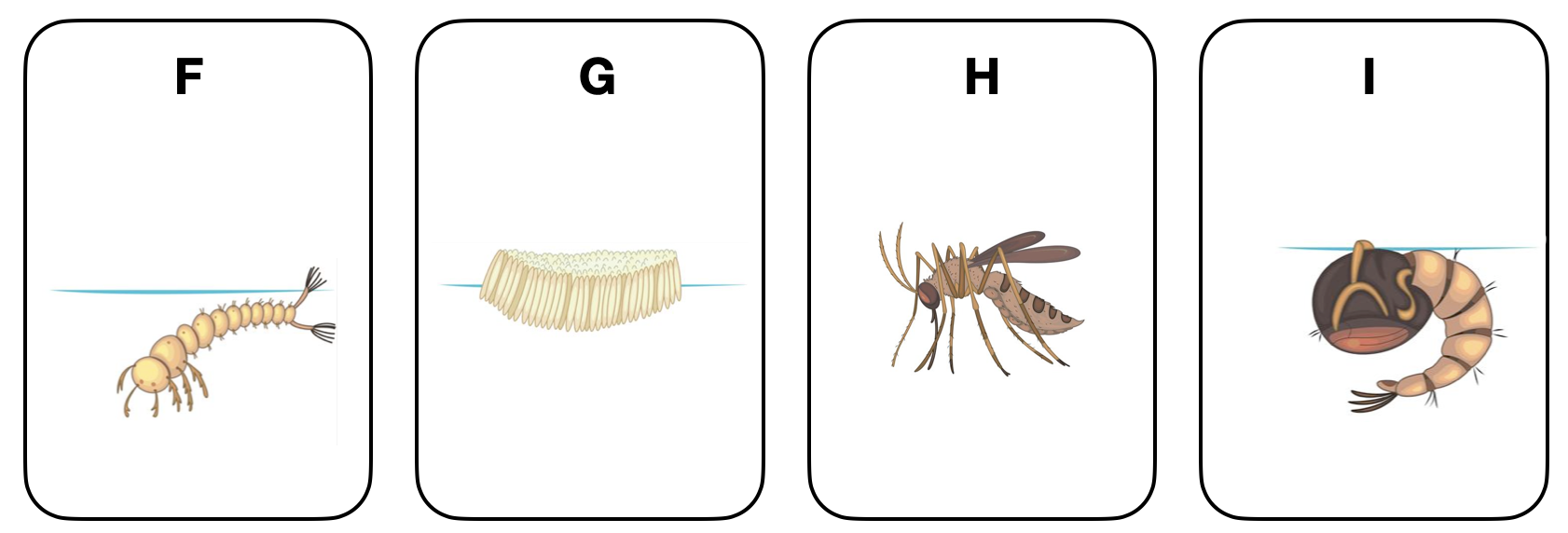
Which diagram shows stages of the mosquito life cycle in correct order?
F > G > I > H
G > F > I > H
G > H > F > I
H > I > G > F
How are plants and animals alike?
Both are living things that grow and change.
Both are nonliving things that grow and change.
Both are living things that eat animals.
Both can make their own food.
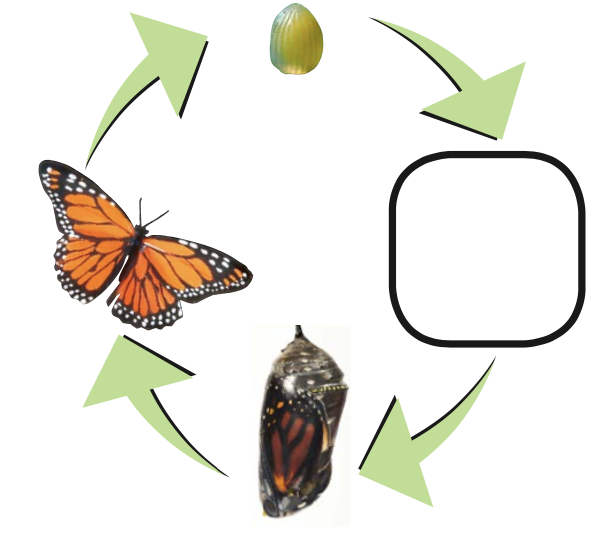
Which of the following should be inside the box to complete the life cycle of a butterfly?
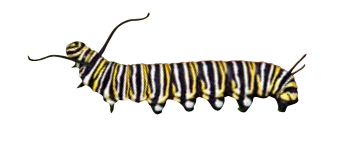
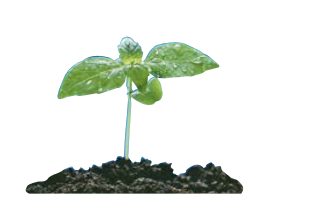
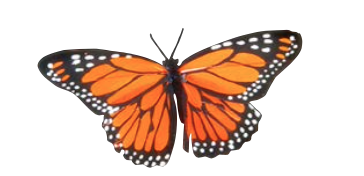
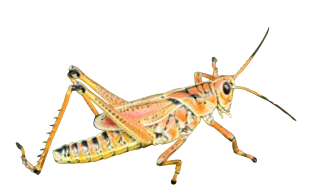
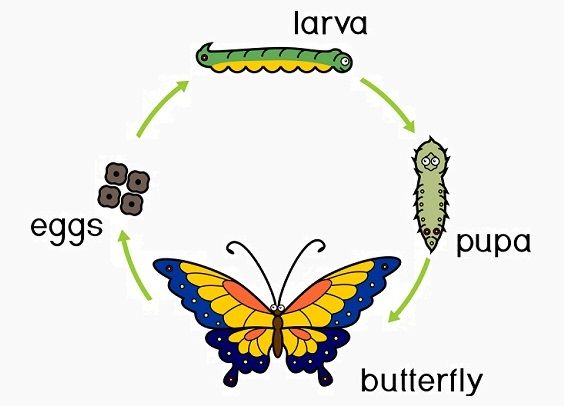
What is a "complete metamorphosis"?
When an organism completely changes after going through a pupa phase
When an organism starts as a nymph and grows larger into an adult
When an organism starts as an egg
When an organism hatches as an adult
What are the three stages in incomplete metamorphosis?
egg, larva, and adult
egg, larva, and pupa
egg, pupa, and adult
egg, nymph, and adult
A child has brown hair like his mother.
Inherited Trait
Learned Behavior
Instinct
I can roll my tongue
Inherited Trait
Learned Behavior
Instinct
A raccoon opens a cooler to get food.
Inherited Trait
Learned Behavior
Instinct
a maple tree leaf's shape
Inherited trait
learned behavior
A boy fears spiders after being bitten by one.
Inherited trait
Learned behavior
Tova learns in science class that many of her characteristics were passed on to her by her parents, and many were learned from her environment over the years. Which physical characteristic was passed on to Tova by her parents?
The color of her hair.
The length of her hair.
The scar on her right knee.
The sunburn on her back.
What are Inherited Traits?
Traits passed on from parents to their offspring
Behavior that we learn from others
A big business
Food that was eaten in the middle ages
What are Learned Behaviors
A conversation between 2 friends
Behaviors that organisms are born with
Behaviors that are learned from experience
What was the question again?
TRUE or FALSE reading is an example of an inherited trait in humans?
TRUE
FALSE
Which of the following is an example of a learned behavior?
A turtle laying its eggs on the beach
A dog retrieving a stick for its owner
A bird migrating south for the winter
A baby chick cracking open its shell


Which human trait below is learned?
Speaking French
Having 10 toes
Drinking water
Seeing with your eyes
Which of the following behaviors is an inherited trait in dogs?
Barking when they are in fear
Playing fetch
Leading the blind
Sitting on command
Thorns on a rose bush are an example of-
Inherited Trait
Learned Behavior
Outfits
Life cycles are continuous.
True
False
Inherited traits are passed down through-
You get them from your friends in class
Family member such as parents or grandparents
They are all random
A cactus stores water in its stem is an example of a(n)
Inherited Trait
Learned Behavior
A rabbit knows where to find the best vegetables is an example of a(n)
Inherited Trait
Learned Behavior
A sea otter uses a stone to break open a shell is an example of a(n)
Inherited Trait
Learned Behavior
A man has freckles on his nose is an example of a(n)
Inherited Trait
Learned Behavior

