
 Worksheets
Middle School Art
Total questions: 50
Worksheet time: 25mins
Name
Class
Date
1.
_____ is a visual statement that represents the real world, communicates an idea or feeling, or presents an interesting design.
a)
artist
b)
credit line
c)
art
d)
composition
2.
To _____ is to become aware through the senses of the special nature of objects.
a)
glance
b)
perceive
c)
overlook
d)
peek
3.
_____ are people who use imagination, creativity, and skill to communicate ideas in visual form.
a)
critics
b)
patrons
c)
curators
d)
artists
4.
_____ art is art valued solely for its visual appeal or success in communicating ideas or feelings.
a)
fine
b)
content
c)
collage
d)
applied
5.
_____ art is art made to be functional as well as visually pleasing.
a)
abstract
b)
applied
c)
fine
d)
non-objective
6.
A _____ is a carefully selected collection of artwork kept by students and professional artists.
a)
catalog
b)
file
c)
portfolio
d)
sketchbook
7.
A _____ is an artwork made up of cut or torn materials pasted to a surface.
a)
landscape
b)
sculpture
c)
collage
d)
print
8.
A _____ is a listing of important facts about an artwork.
a)
credit line
b)
composition
c)
reference
d)
portfolio
9.
A(n) _____ is a basic visual component an artist uses to create art.
a)
art technique
b)
element of art
c)
principle of art
d)
property of art
10.
A _____ is a continuous mark made on some surface by moving a point.
a)
line
b)
form
c)
shape
d)
hue
11.

This is an example of what type of line.
a)
curved
b)
vertical
c)
horizontal
d)
diagonal
12.

This is an example of what type of line.
a)
horizontal
b)
vertical
c)
diagonal
d)
zigzag
13.

This is an example of what type of line.
a)
diagonal
b)
curved
c)
zigzag
d)
horizontal
14.
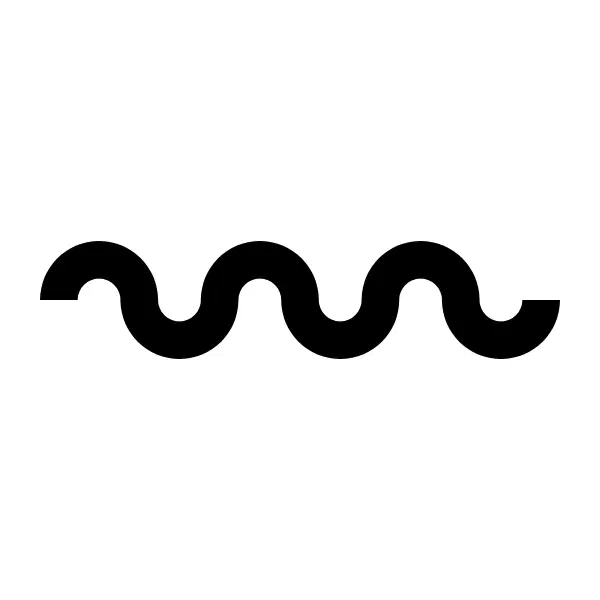
This is an example of what type of line.
a)
vertical
b)
zigzag
c)
horizontal
d)
curved
15.

This is an example of what type of line.
a)
diagonal
b)
zigzag
c)
vertical
d)
horizontal
16.
_____ is the element of art that is derived from reflected light.
a)
form
b)
space
c)
color
d)
shape
17.
A _____ is an arrangement of colors in a circular format.
a)
motif
b)
color wheel
c)
pattern
d)
element of art
18.
_____ is a color's name.
a)
hue
b)
primary
c)
value
d)
intensity
19.
Red, yellow, and blue are _____ hues.
a)
secondary
b)
complementary
c)
analogous
d)
primary
20.
Green, orange, and violet are _____ hues.
a)
monochromatic
b)
secondary
c)
intermediate
d)
primary
21.
_____ hues are made by mixing a primary hue with its neighboring secondary hue.
a)
intermediate
b)
analogous
c)
primary
d)
secondary
22.
_____ is the lightness or darkness of a hue.
a)
tint
b)
shade
c)
value
d)
intensity
23.
_____ is the brightness or dullness of a hue.
a)
shade
b)
intensity
c)
value
d)
tint
24.
_____ are colors that are opposite each other on the color wheel.
a)
primary colors
b)
monochromatic colors
c)
analogous colors
d)
complementary colors
25.
_____ are different values of a single hue.
a)
analogous colors
b)
monochromatic colors
c)
secondary colors
d)
complementary colors
26.
_____ are colors that are side by side on the color wheel and share a hue.
a)
analogous colors
b)
complementary colors
c)
intermediate colors
d)
monochromatic colors
27.
_____ is an element that refers to an area clearly set off by one or more of the other six visual elements.
a)
color
b)
texture
c)
shape
d)
space
28.
_____ are precise shapes that look as if they were made with a ruler or other drawing tool.
a)
organic shapes
b)
overlapping shapes
c)
nonobjective shapes
d)
geometric shapes
29.
_____ are not regular or even. Their outlines curve to make freeform shapes and they are often found in nature.
a)
linear shapes
b)
organic shapes
c)
geometric shapes
d)
overlapping shapes
30.
_____ is an element of art that refers to an object with three dimensions.
a)
shape
b)
line
c)
form
d)
space
31.
_____ is an element of art that refers to the distance or area between, around, above, below, and within objects.
a)
color
b)
space
c)
form
d)
texture
32.
_____ is a drawing or painting of mountains, trees, or other natural scenery.
a)
cityscape
b)
portrait
c)
collage
d)
landscape
33.
_____ is the element of art that refers to how things feel, or look as though they might feel, if touched.
a)
texture
b)
shape
c)
value
d)
form
34.
_____ are guidelines that govern the way artists organize the elements of art.
a)
works of art
b)
principles of design
c)
basics of media
d)
media of art
35.
_____ is concerned with arranging art elements in an artwork so no one part of that work overpowers, or seems heavier than, any other part.
a)
emphasis
b)
rhythm
c)
balance
d)
harmony
36.
_____ is concerned with combining art elements by adding slight changes to increase visual interest.
a)
variety
b)
movement
c)
proportion
d)
unity
37.
_____ is the principle of art concerned with combining similar art elements to create a pleasing appearance.
a)
balance
b)
proportion
c)
emphasis
d)
harmony
38.
_____ is the principle of art concerned with making an element or object in an artwork stand out.
a)
pattern
b)
emphasis
c)
harmony
d)
variety
39.
_____ is the manner in which the parts of a work relate to each other and to the whole.
a)
proportion
b)
harmony
c)
balance
d)
rhythm
40.
_____ is a two-dimensional decorative effect achieved through the repetition of colors, lines, shapes, and/or textures.
a)
variety
b)
emphasis
c)
pattern
d)
proportion
41.
_____ is the principle of art used to create the look and feel of action and to guide the viewer's eye throughout a work of art.
a)
balance
b)
pattern
c)
unity
d)
movement
42.
_____ is the repetition of an element to make a work seem active.
a)
harmony
b)
emphasis
c)
rhythm
d)
variety
43.
_____ is the arrangement of elements and principles with media to create a feeling of completeness.
a)
pattern
b)
unity
c)
proportion
d)
balance
44.
_____ are tools and materials used to create works of art.
a)
art media
b)
craftsmanship
c)
techniques
d)
elements of art
45.
_____ is a process in which an inked image is transferred to a surface.
a)
painting
b)
sculpting
c)
paper mache
d)
printmaking
46.
A(n) _____ is a series of prints that are all exactly alike.
a)
composition
b)
edition
c)
collage
d)
portfolio
47.
_____ is the art of creating three-dimensional works.
a)
printmaking
b)
forming
c)
sculpting
d)
drawing
48.
_____ is art made in part or whole using computer hardware and software.
a)
printmaking
b)
drawing
c)
photography
d)
digital art
49.
_____ is a technique used for creating forms by mixing wet paper pulp with glue or paste.
a)
paper mache
b)
palette
c)
collage
d)
perspective
50.
_____ is the quality of an object, its materials, and the skill with which it was made.
a)
composition
b)
craftsmanship
c)
expression
d)
construction
100 %

