Worksheets
What is Drama?
Total questions: 30
Worksheet time: 32mins
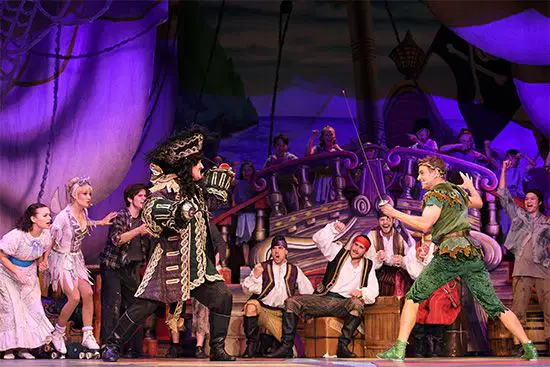
Match the following elements of a performance to their picture.

Props

Costumes

Set

Cast

Crew

All the (a) in a play are performed by (b) . The group of actors together is called the (c) . The actors (d) , or practice the play before the show.
Which three spots show props that the actors could use in this play?

(a) could tell what a scene looks like, when and where a character moves or what special effects happen at a particular moment. They are often written in (b) or in parenthesis to make it easier to tell them apart from the dialogue.

Characteristics of poetry include (a) instead of paragraphs, (b) to give a pattern to the words, or (c) with the same words used many times.

Characteristics of prose are that it is organized with sentences and (a) , has characters and a (b) , and can be used to write newspaper articles, books, or (c) .

Characteristics of drama include it is written in a (a) form with stage directions and (b) , it lists a (c) to tell you who all of the people are in the play, and is written by a (d) .

written to be performed by actors and watched by an audience
Drama
the author of a play
Playwright
the written form of a play
Script
words spoken by the characters
Dialogue
the notes in a script that explain the movement, feelings, and emotions of the character, also can be lighting and sound effects
Stage directions

Shakespeare (a famous playwright from the past from England) often had five acts in his plays. Most modern plays usually only have 1, 2, or 3 acts. What is an ACT?
small division of a play, changes when the setting changes
a break in the show
the time and place of the story
large division of a play

The time between acts, when the audience and actors take a break, is called: (a)

(a) can be further broken up into pieces called (b) . They change every time the (c) or (d) changes in the play.

The (a) will usually put all the information you need to know about the setting and time at the (b) of the scene or act. Make sure to ready everything!
A drama or play is a story that is meant to be acted out in front of an audience. Where is the audience?

A (a) is a story meant to be acted out in front of an audience.
A drama or play is a story that is meant to be acted out in front of an audience. Where is the story being acted out?

Match the following:
audience and actors are in the performance space together
Theater
audience is not in the performance space with the actors
Movie
to act out
Performance
written form of the drama
Script

What separates (a) from movies is that the performance happens (b) or in front of the audience's eyes, instead of in front of a camera.
A drama is...
story with no dialogue
piece of scientific research
story that's meant to be acted out
short piece that's written in rhyme
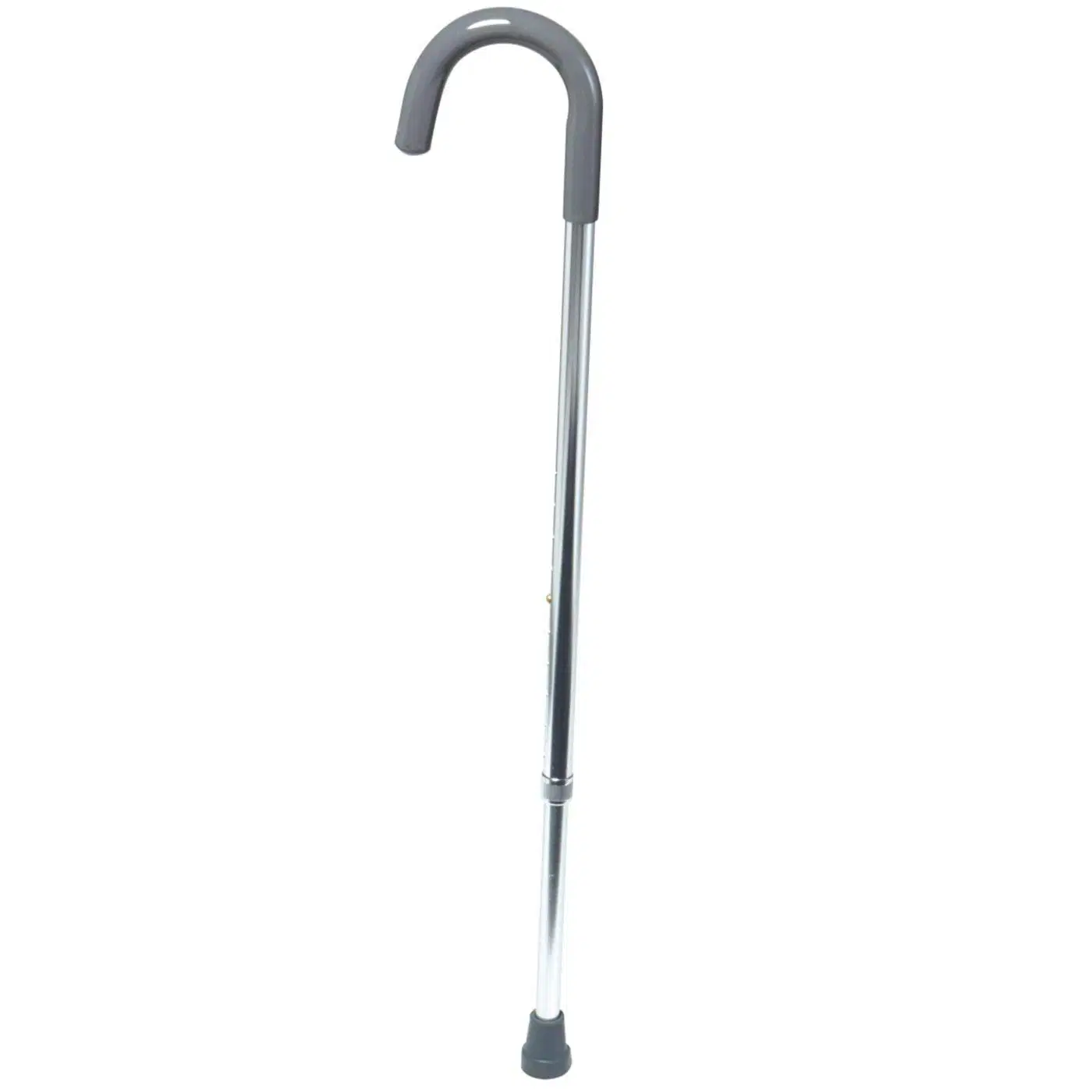
Which of the following could be used as a prop in a play?




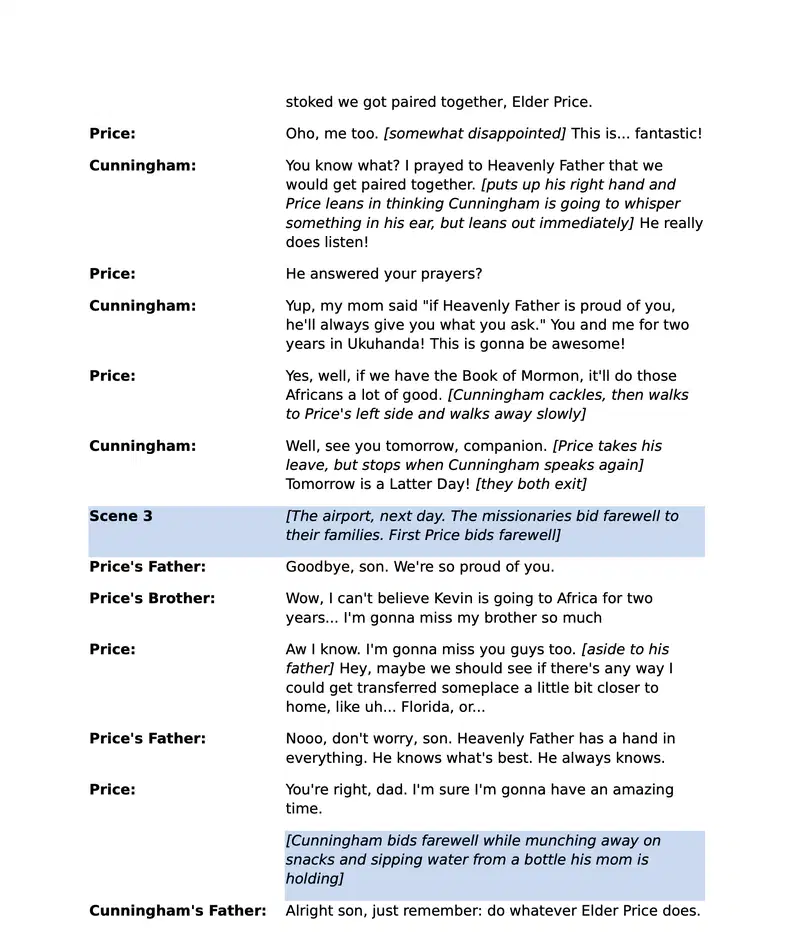
Which of the following is an example of a stage direction?
George: Hello Emily!
[both face front, shy throughout]
Emily: I was really ready to talk about our relationship.
Sarah: Where were you?

Sally and Mary sit backstage during the performance and help move sets and props. What job do they have?
actors in the play
members of the audience
directors
members of the crew

Which of the following is a difference between novels and plays?
Plays are meant to be acted out while novels are only meant to be read.
In a play, there is only dialogue, while in a novel there is dialogue and description.
Plays might be divided into acts and scenes, while novels are divided into chapters.
Novels don't have characters but plays do.

In a novel, the writer can describe the character traits and motivations of the character. In a play, how do we learn about these? How do we know what kind of person the character is?
stage directions (their actions)
dialogue (their words)
stage lighting
sound effects
Drag over the word that goes best with the image
Scene
Stage direction
Dialogue
Set
Annie: I changed trains every time they stopped, the man who sold me that ticket ought to be tied to the tracks...you didn’t bring Helen. I was hoping you would.
Kate: No, she’s home.
Annie: You--live far from town, Mrs. Keller?
Kate: Only a mile.
Annie: Well. I suppose I can wait one more mile. But don’t be surprised if I get out to push the horse!
Based on the dialogue, which of the following is true?
Annie is reluctant to meet Helen and start working.
Kate brought Helen with her to the station.
Annie is very impatient to meet Helen.
Annie’s train ride was short and easy.

Which of the following is a difference between novels and plays?
Plays are meant to be acted out while novels are only meant to be read.
In a play, there is only dialogue, while in a novel there is dialogue and description.
Plays might be divided into acts and scenes, while novels are divided into chapters.
all of the above


When and where the play takes place.
setting
characters
stage direction
script
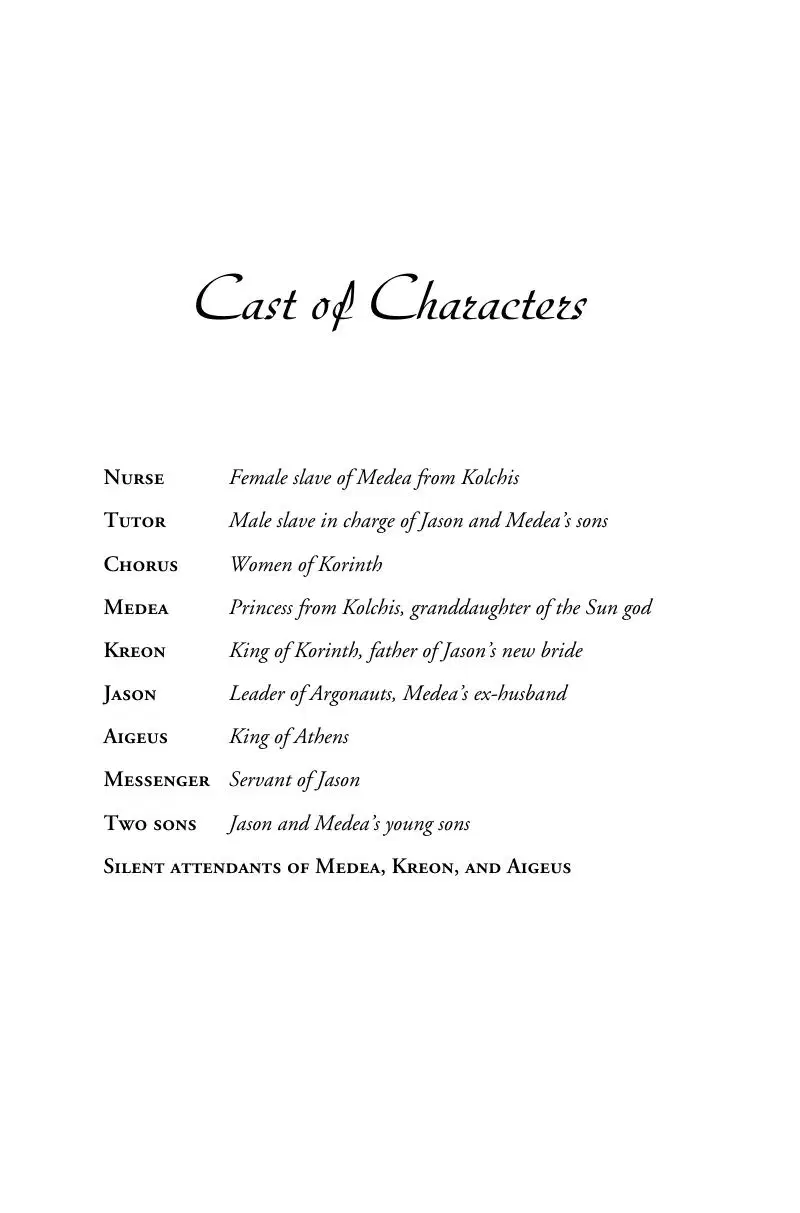
The cast of characters is....
a play intended to make an audience laugh
the signal given to people working in or on a play
lines spoken between characters in a play
the people who perform in a play