wayground logo

Free Printable Worksheets

Font size

S
M
L
XL
Worksheets

Narrative Elements (Practise Before Scriptwriting)

Total questions: 23

Worksheet time: 32mins

Name
Class
Date
1.
The time and location in which a story takes place.
a)
Plot
b)
Setting
c)
Conflict
d)
Characterization
2.
The underlying message of a story is called the _________.
a)
Theme
b)
Mood
c)
Plot
d)
Setting
3.
This is the end of the central conflict of the story.  
a)
Exposition
b)
Resolution
c)
Falling Action
d)
Rising Action
4.
The opposition of forces, essential to the plot is called ______.
a)
Setting
b)
Conflict
c)
Character
d)
Climax
5.
The most exciting part of the story is called the ________.
a)
Setting
b)
Exposition
c)
Climax
d)
Rising Action
6.
What is a person or animal which takes part in the action of a story called?
a)
Setting
b)
Plot
c)
Character
d)
Conflict
7.
What is the sequence of events involving characters and conflict called?
a)
Setting
b)
Plot
c)
Character
d)
Conflict
8.
This is the name of the events leading up to the climax of a story.
a)
Exposition
b)
Resolution
c)
Falling Action
d)
Rising Action
9.
All of the events after the climax that lead to the resolution are called _______.
a)
Exposition
b)
Resolution
c)
Falling Action
d)
Rising Action
10.
This is the beginning of the story.  It often introduces the setting, character, and conflict.
a)
Exposition
b)
Resolution
c)
Falling Action
d)
Rising Action
11.

Refers to the the narrator of the story

a)

Subject

b)

Voice

c)

Setting

d)

Theme

12.

Established by the person telling the story; first person is used for personal narrative writing.

a)

Point of View

b)

Perspective

c)

Theme

d)

Subject

13.

Corresponds with voice; portrays the narrator's outlook or view on the story

a)

Voice

b)

Perspective

c)

Theme

d)

Setting

14.

This diagram represents the beginning, middle, and ending of a story. These are known as the ______________ in a narrative?

a)

theme

b)

setting

c)

characterization

d)

plot events

15.

We get to know the main characters through the author's descriptions. Characterization techniques include: (check all that apply).

a)

appearance

b)

thoughts and spoken words (dialogue)

c)

actions

d)

setting

e)

other character reactions to him/her

16.

Which is an example of external conflict?

a)

Buzz Lightyear's inability to recognize that he is a toy.

b)

Harry Potter struggling with the Slytherin aspects of his personality

c)

Will Smith fighting aliens in Men in Black

d)

Katniss's desire and need to compete to stay alive conflicting with her love for Peeta in The Hunger Games

17.
This type of conflict is a struggle within a character’s mind. It may occur when a character faces a difficult decision or conflicting feelings.
a)
Character vs. character
b)
Internal conflict
c)
Character vs. nature
d)
Character vs. society
18.

The main character (or hero) who works toward a goal or tries to solve a problem.

a)

Character

b)

Protagonist

c)

Antagonist

d)

Minor Character

19.

The major character who works against the protagonist and tries to stop them from reaching their goal.

a)

Character

b)

Protagonist

c)

Antagonist

d)

Villain

20.
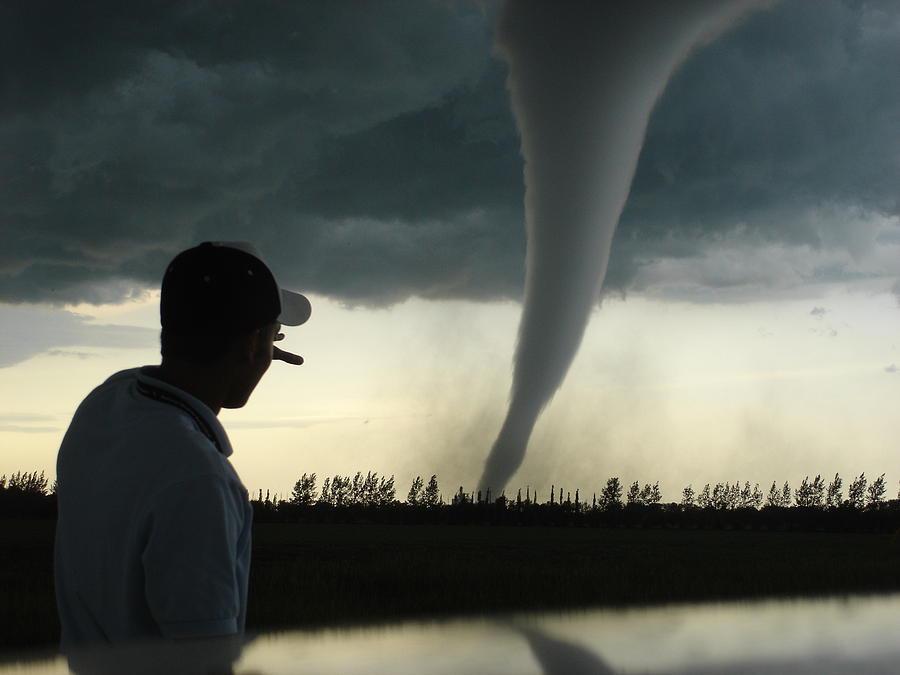
What type of conflict is the picture? 
a)
Character vs Character
b)
Character vs Nature
c)
Character vs Self
d)
Character vs Society
21.
What type of conflict is the picture? 
Katniss was forced to play the Hunger Games because those were the rules of the government.

a)
Character vs Character
b)
Character vs Nature
c)
Character vs Self
d)
Character vs Society
22.
What type of conflict is the picture? 
a)
Character vs Character
b)
Character vs Nature
c)
Character vs Self
d)
Character vs Society
23.
When an evil ogre kidnaps the princess, the brave knight Lewis sets out to return her safely to the castle. Along the way he must defeat monsters, powerful wizards, and an evil dragon. Will Lewis prevail on his quest or will the powerful ogre crush him?
a)
Character vs. Self
b)
Character vs. Character
c)
Character vs. Society
d)
Character vs. Nature