
 Worksheets
Land Management and Conservation
Total questions: 25
Worksheet time: 20mins


Area protected from exploitation
wilderness
rural
infrastructure
open space
Which of the following is true of parks and preserves?
They are not affected by air and water pollution.
They serve as sources of wood for industries.
They provide limited hunting of designated wildlife.
They provide recreation for people.
What can be done to sustain the productivity of rangeland?
limit herd size
eliminate invasive plants
leave the land unused for a time
all of the above
The main categories of rural land are farmland, rangeland, forest land, national and state parks, and wilderness.
True
False
which of the following are examples of Ecological Services? (Check ALL that apply)
purification of the air and water
maintenance of biodiversity
decomposition of wastes
Pollination of crops and natural vegetation
groundwater recharge through wetlands
most common human use of rangeland
cropland
grazing livestock
create parks
building cities
__________ is the depletion of vegetation due to the continuous feeding of too many animals.
Overgrazing
Undergrazing
Farming
Sustainable
The process of cutting and removing only middle-aged or mature trees.
Clear-cutting
Selective cutting
The process of cutting and removing only middle-aged or mature trees.
Deforestation
Reforestation
Neither
_______ is a region that is not cultivated and that is not inhabited by humans.
Cities
States
Country
Wilderness
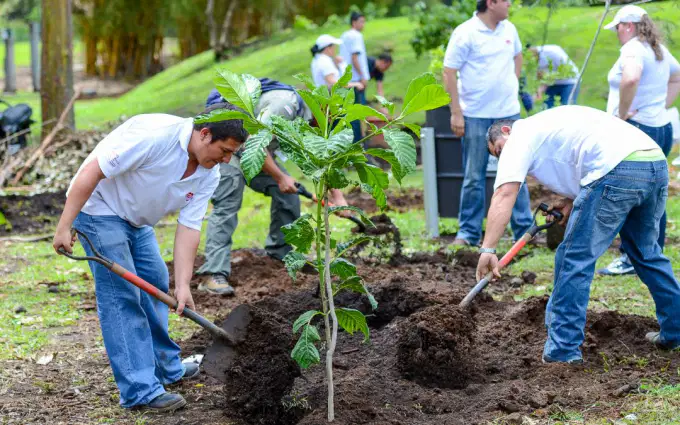
Planting trees to replaces those cut down is known as -
overgrazing
deforestation
reforestation
wilderness

Clearing trees from an area without replacing them is known as -
overgrazing
deforestation
reforestation
wilderness

Congress protected this vast land in Wyoming and Montana in 1870. It essentially became the first national park in the U.S.
overgrazing
Yellowstone
rangeland
wilderness
Farmland needs to be protected because [Choose all that apply]
It provides Oxygen
It controls the temperature
It provides crops and fruits
Provides carbon dioxide
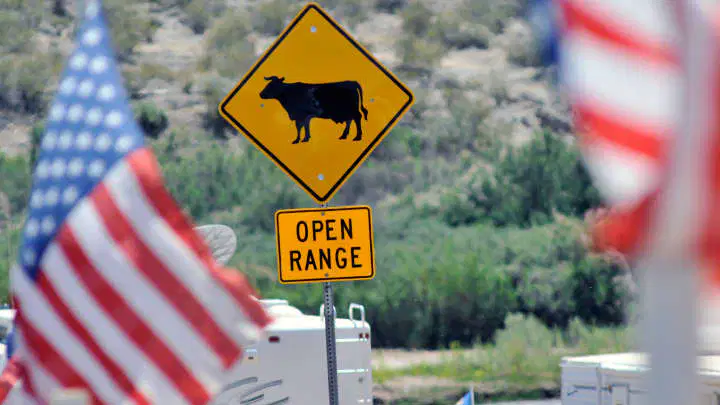
The __________ Act of 1978 improves rangeland management practices.
Anti Ranchers
Public Rangelands Improvement
Farming Improvement
Maintain the Rangeland
Which of the following is an effect of deforestation? [Choose all that apply]
reduction of habitat
soil erosion
loss of topsoil
reforestation
Which of the following is allowed in a wilderness area? [choose all that apply]
fishing
jet skiing
hiking
camping
What is erosion?
The movement of sediment
The breaking of sediment
The dropping of sediment

