
 Worksheets
Unit 5/EOY Test
Total questions: 20
Worksheet time: 25mins
Alligators have been harvested for some two hundred years. Alligators were first
harvested in Louisiana in great numbers in the early 1800s. These alligators were
harvested for their skins, which were used to make boots, shoes and saddles, and for
their oil, which was used to grease steam engines and cotton mills. The demand
decreased when the leather made from the skins was thought to not be durable.
Based on Source 1, how were cotton farmers dependent on Louisiana’s
alligator farmers?
Cotton farmers required durable leather for work boots.
Cotton farmers required oil from alligators to make their mills work.
Cotton farmers used alligator leather for their horse saddles.
Cotton farmers needed alligator skins to produce shoes.
In the late 1800s and early 1900s, commercial tanning processes began in New York,
New Jersey and Europe. Because this process made the alligator skins soft, durable
and more pliable, the demand for alligator leather increased dramatically.
pliable: capable of being bent or flexed or twisted without breaking
Based on Source 3, which of the following best explains the trade of alligator
skins to New York, New Jersey, and Europe?
Louisiana is dependent on New York, New Jersey, and Europe for alligator
skins.
Louisiana imports alligator skins from New York, New Jersey, and Europe.
Louisiana exports alligator skins to New York, New Jersey, and Europe.
New York, New Jersey, and Europe have been able to make alligator skins
more pliable.
By the mid 1900s Louisiana’s alligator population had been significantly reduced. In
1962 the alligator hunting season was closed statewide due to low numbers. To
protect the alligator from becoming extinct, the Louisiana government put a ban on
alligator fishing. In 1972 the first alligator season was opened only in Cameron Parish
and lasted 13 days. Other parishes were gradually added until the season became
statewide in 1981. Louisiana’s wild and farm alligator harvests currently exceed
300,000 animals annually, while the population level remains stable. Over time and
through experience, alligator farmers in Louisiana have been able to improve
techniques to cultivate the skins and meat. Raw meat and hide values are
estimated at over $10 million for the wild harvest.
Based on Source 4, what has the main reason the Louisiana government
implemented hunting seasons for alligators?
There was a surplus of alligators in Louisiana.
The increased production of alligators in Louisiana impacted the price of
alligator meat.
Alligators are valued as a $10 million industry.
There was a shortage of alligators in Louisiana.
People who are a mix of European, African, and/or Native American ancestry
are called...
Creole
Cajun
Native American
Acadian
Which two of the following Explorers did not come to Louisiana?
Hernando De Soto
Christopher Columbus
Pierre Le Moyne d'Iberville
Ferdinand Magellan

The picture is most likely showing:
Lent
Easter
Acadia Day
Mardi Gras
Mark moved from New Jersey to Louisiana. He is surprised by the Louisiana
weather. In the summer, the temperatures reach over 90 degrees. The heat
makes him feel sick.
Which of the following helps Mark deal with Louisiana’s summer weather?
jazz
air conditioning
Mardi Gras
airplanes
A group of settlers lands in Louisiana. They begin cutting down trees to make
houses and barns. For food, they catch fish from the lake. The settlers become
farmers. They grow cotton to make clothes and food to eat.
How are these settlers affecting the environment?
they are using human made resources
they are using natural resources
they are using imaginary resources
they are using human resources
Planning vacations, saving for retirement, and sending kids to college are all
reasons why people __________.
vote
try to be good citizens
save money
go to Mardi Gras annually
Men's dress shoes have a HIGH DEMAND, and a LOW SUPPLY.
Women's dress shoes have a HIGH DEMAND, and a HIGH SUPPLY.
Ballet shoes have a LOW DEMAND, and a HIGH SUPPLY.
Tennis shoes have a LOW DEMAND, and a LOW SUPPLY.
Which good will probably cost the most?
Men's dress shoes
Women's dress shoes
ballet shoes
tennis shoes
Jason is doing a social studies project on the Civil War. He goes to the library
where they have Civil War diaries written by actual soldiers. What kind of source
is Jason looking at?
secondary source
electronic source
primary source
natural source
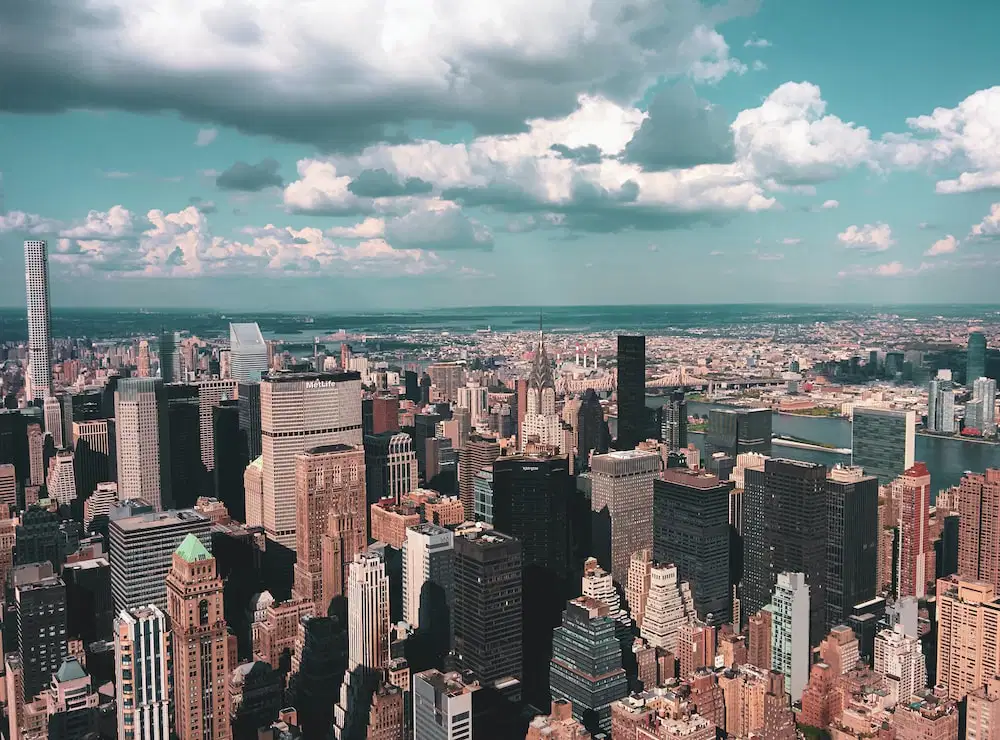
This picture shows a ______ area
rural
suburban
urban
bayou
When prices increase, consumers _________.
buy more
buy less
sell more
sell less
Hurricane Joe is headed towards Louisiana. People hammer boards over their
windows and buy food and water. Some people leave the state. Before the
hurricane, the governor wants to make sure the levees are safe.
Levees are meant to...
prevent flooding.
prevent hurricanes.
help fishermen catch crawfish.
make sure that people obey Louisiana’s constitution.
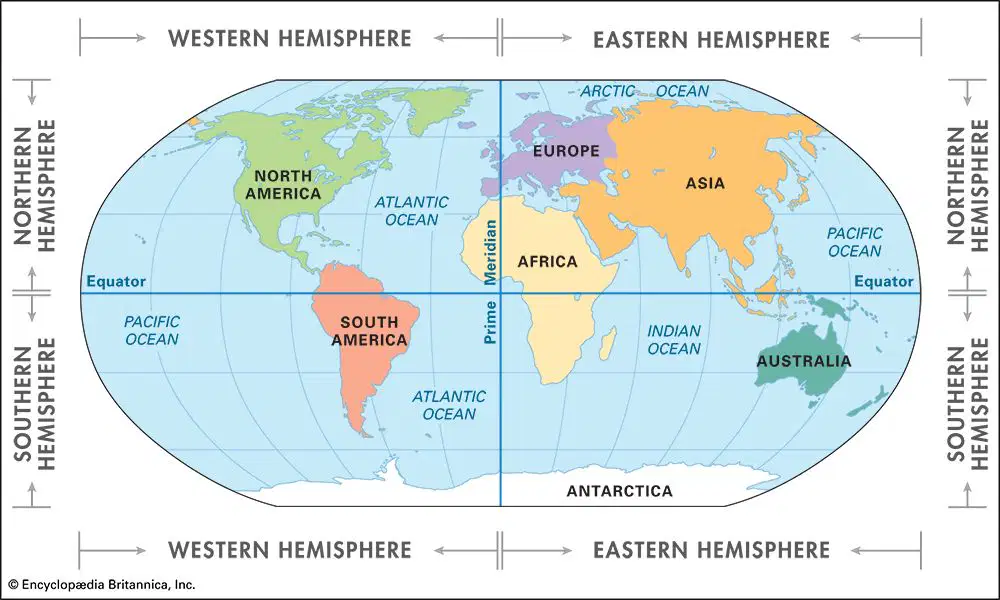
According to the map, Louisiana is located in the
_____ hemisphere and the _____ hemisphere.
western
northern
southern
eastern
Which of the following statements best describes the difference between
laws and rules?
People have to follow rules, but they do not have to obey laws.
People have to follow laws, but they do not have to follow the rules.
Rules are established by private organizations, while the public
government makes the laws.
The government enforces laws but may not enforce rules.
Which branch of government includes courts?
executive
judicial
legistlative
none
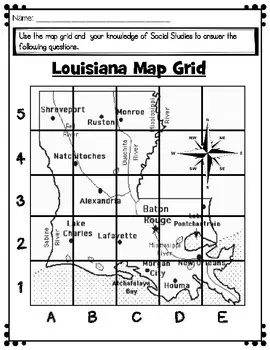
Where can you find the city of Ruston?
A5
C3
D2
B5
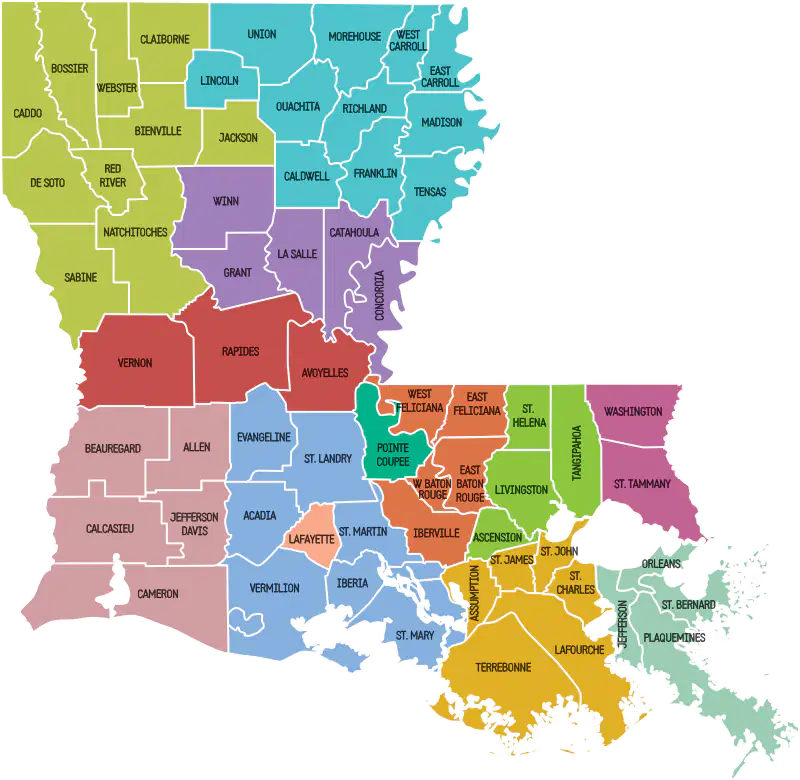
This map shows
cities
counties
parishes
bayous
Which branch of government is responsible for making Louisiana’s laws?
executive
judicial
state government
legislative

