
 Worksheets
IGCSE - Computer Science
Total questions: 23
Worksheet time: 12mins
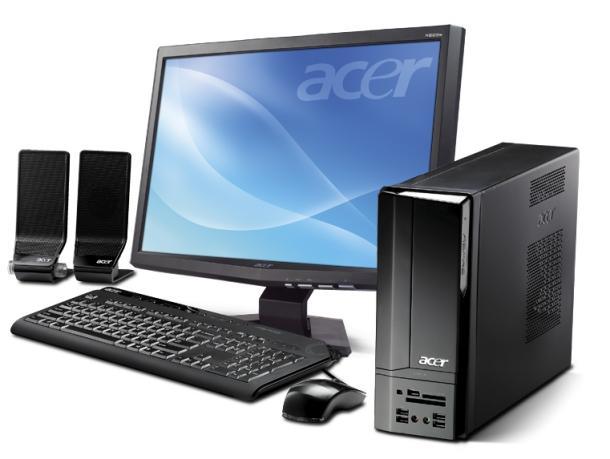
Which of these are internal hardware components in a computer (select all that apply)
mouse
RAM
CPU
operating system
BIOS
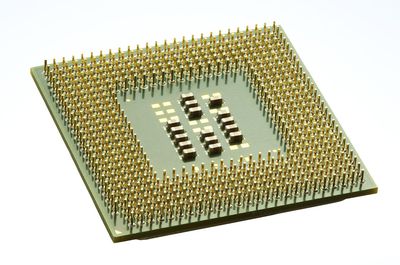
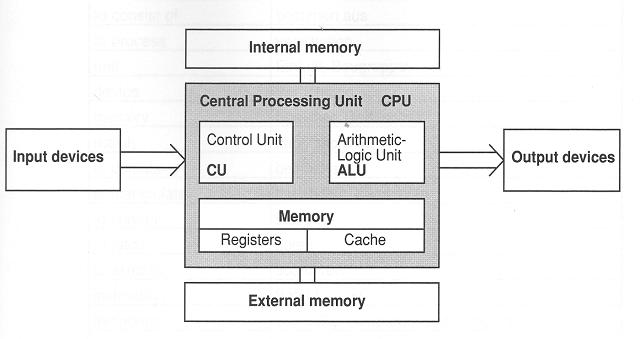
Select all the components of the CPU
ALU
Control Unit
Registers
RAM
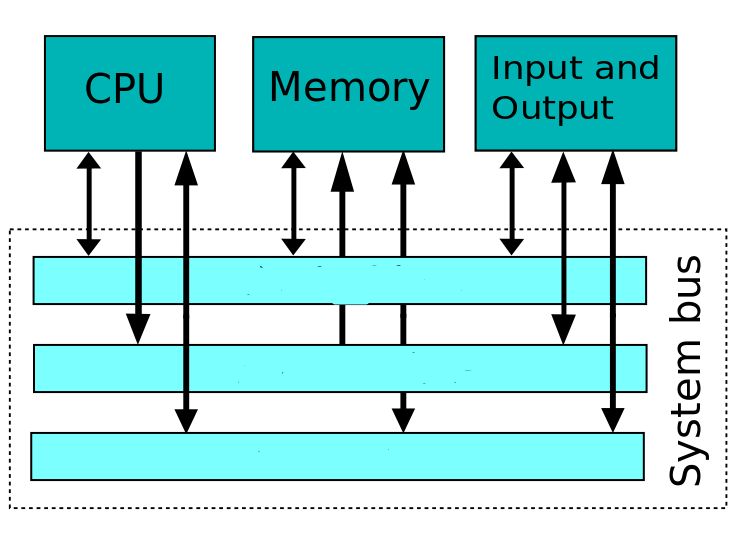
Choose all the types of system bus?
Address
Data
Control
Register

Choose all the registers found in a typical processor?
Current Instruction
Accumulator
Memory Data
Memory Address
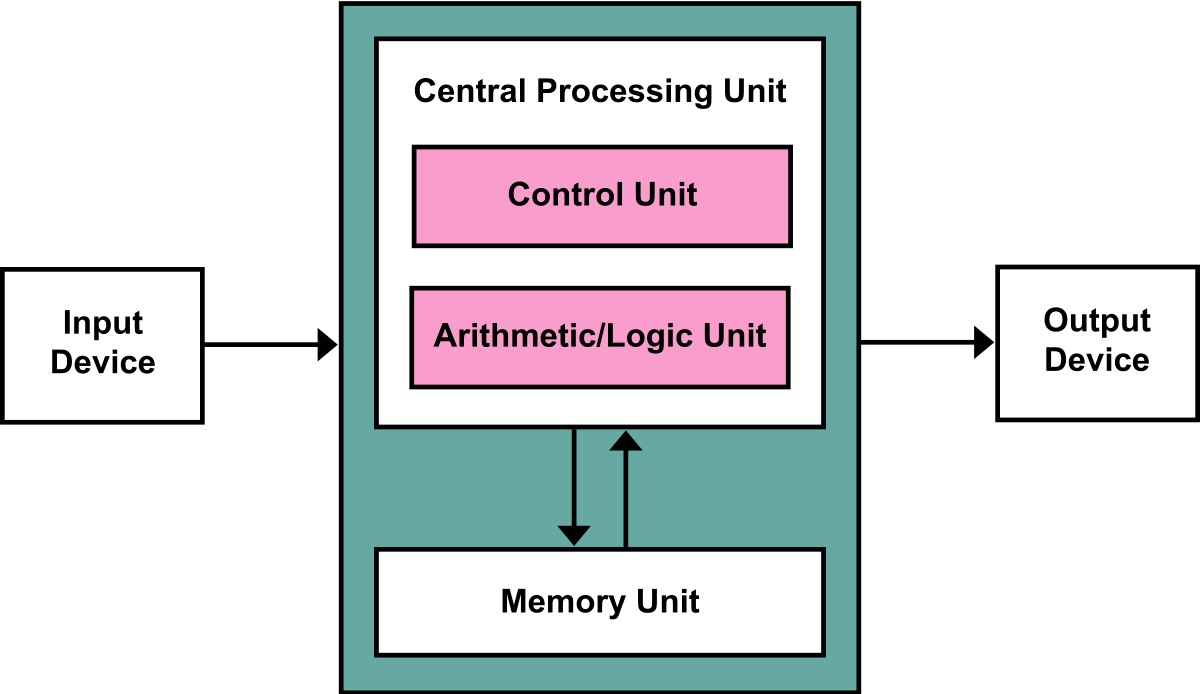
What is meant by a von Neumann computer architecture?
Where the program instructions are stored in a seperate memory storage from the data
Where the program instructions are stored in the same memory storage as the data
Where the program instructions are stored in ROM and the data is stored in RAM
Where the program instructions are divided across several CPUs
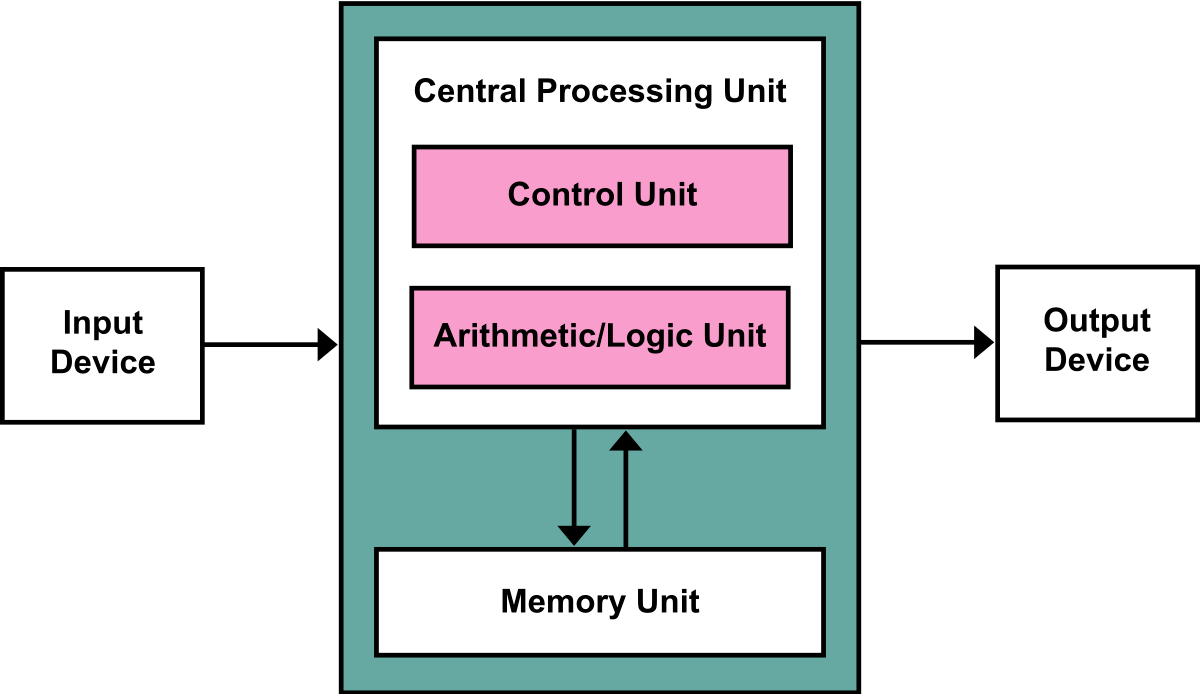
What is the main storage area for program instructions and data in a Von Neumann computer architecture?
RAM
CPU
ROM
Cache
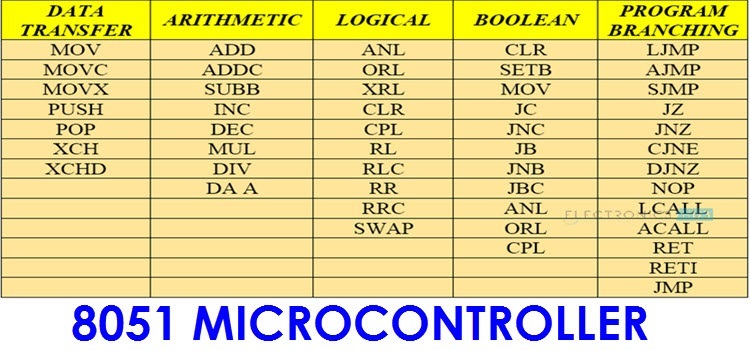
Which internal component carries out the processing of program instructions?
CPU
GPU
RAM
BIOS
What controls the timing of the instruction cycle in a computer
The amount of RAM available
The frequency of the internal clock
The width of the address bus
The size of addressable memory
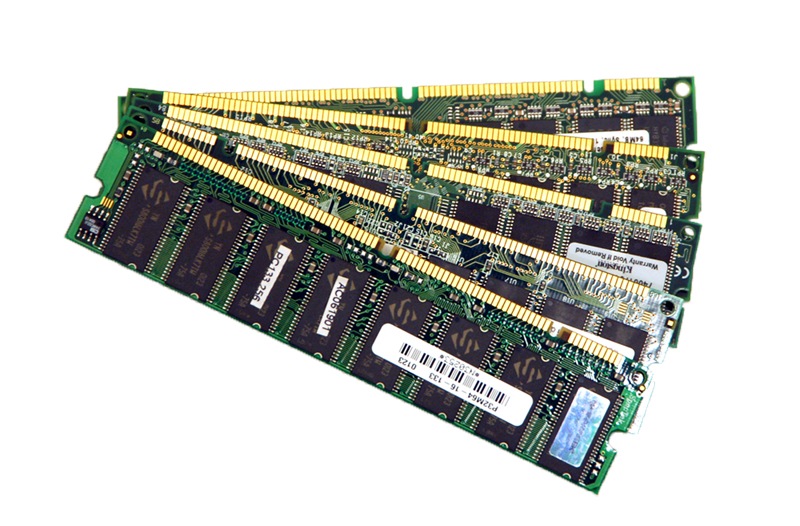
Which word describes the property of RAM memory where memory cells must be constantly refreshed to keep their contents
volatile
non-volatile
random
static
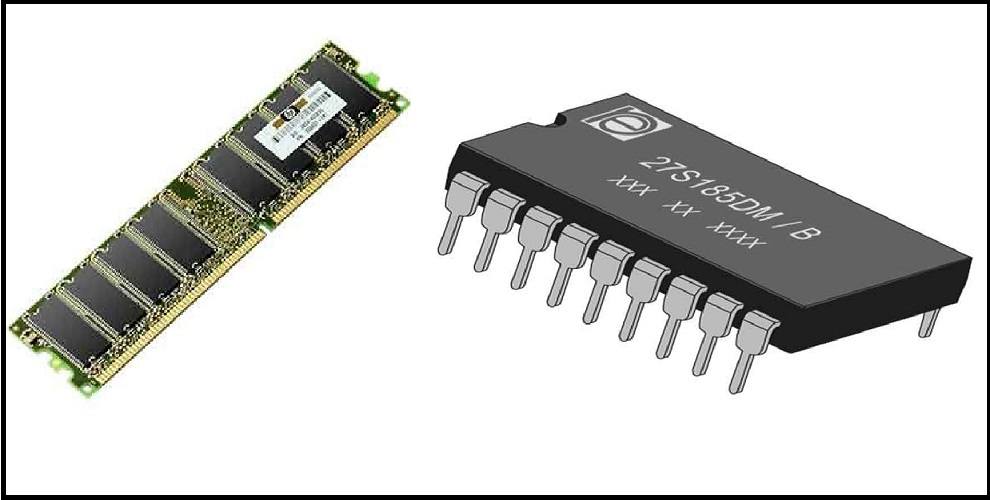
A type of primary memory that does not need to be refreshed to retain its contents AND whose contents cannot be changed
RAM
BIOS
Flash
ROM
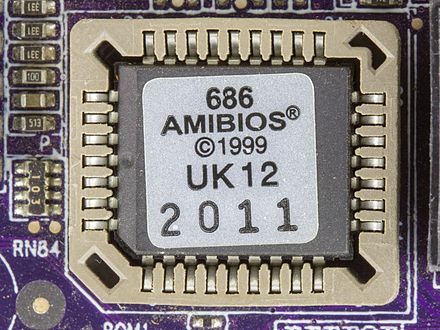
What is the non-volatile firmware used to perform hardware initialization during the booting-up process called?
BIOS
Cache
ROM
Hard disk
What type of memory is used to compensate for the difference in speed between accessing processor registers and reading memory locations in RAM?
Cache
Flash
UEFI
BIOS
What is the part of the CPU that performs calculations and makes decisions called?
ALU
Control Unit
Registers
Clock
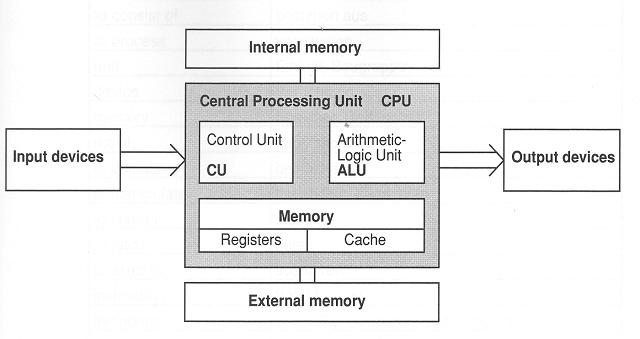
The part of the CPU that directs the operations of the processor
Control unit
ALU
Registers
Clock
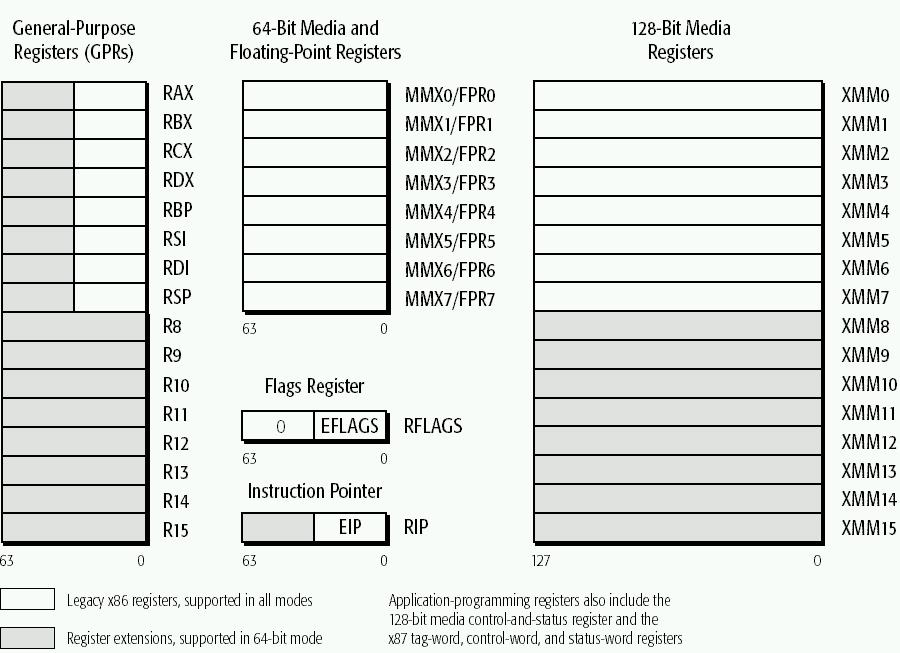
A register inside the CPU that stores the memory address of the next instruction to be fetched from memory
Accumulator
Program counter
Current Instruction Register
Memory Data Register
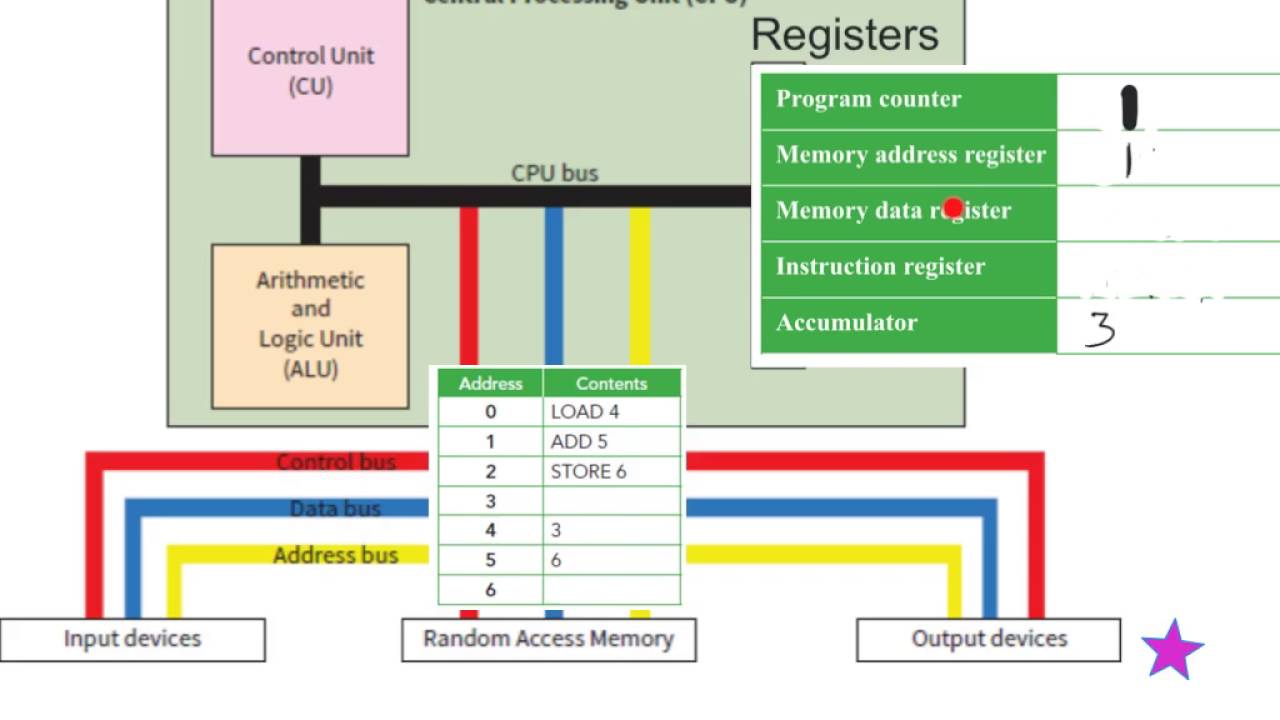
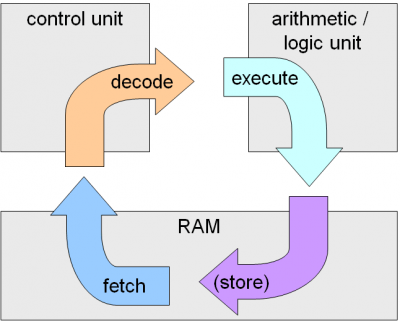
What is the correct sequence of operations between CPU and RAM?
Fetch-decode-execute
Fetch-execute-decode
Decode-fetch-execute
Fetch-execute-fetch
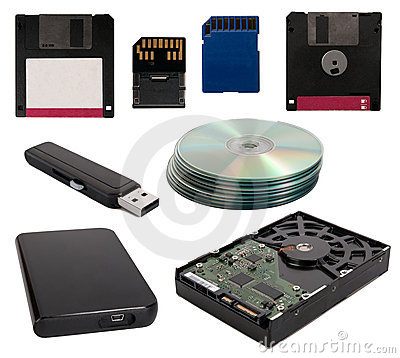
Choose all the secondary storage mediums ...
HDD
SSD
DVD
Cloud
RAM
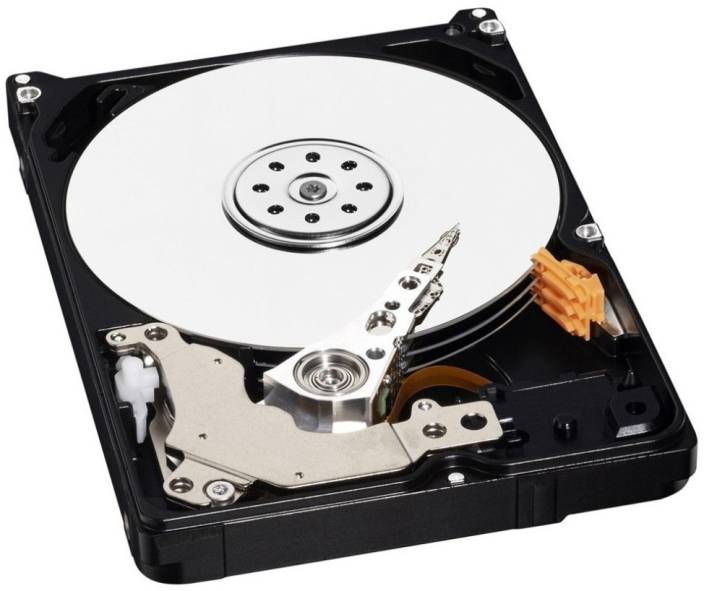
What type of storage does this device use?
Magnetic
Optical
Solid state
Cloud
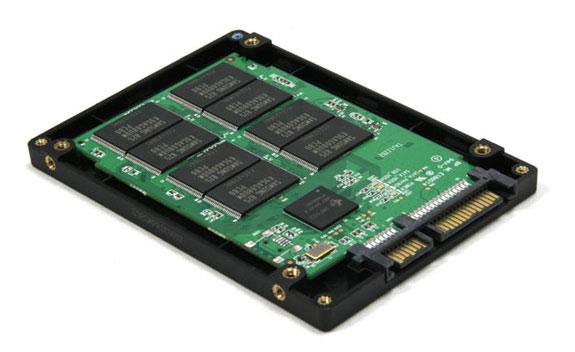
What type of storage does this device use?
Magnetic
Optical
Solid state
Cloud
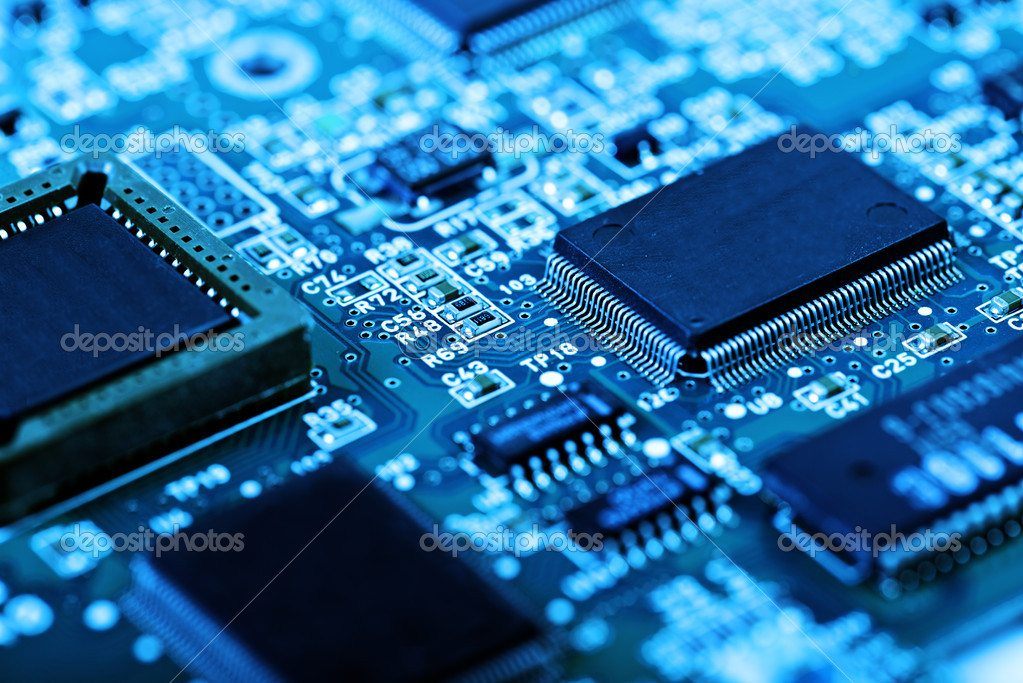
What types of storage would usually be found in an embedded system? (select all that apply ...)
ROM
RAM
HDD
SSD

Which types of memory storage are volatile? (choose all that apply ...)
RAM
ROM
Flash
Cache
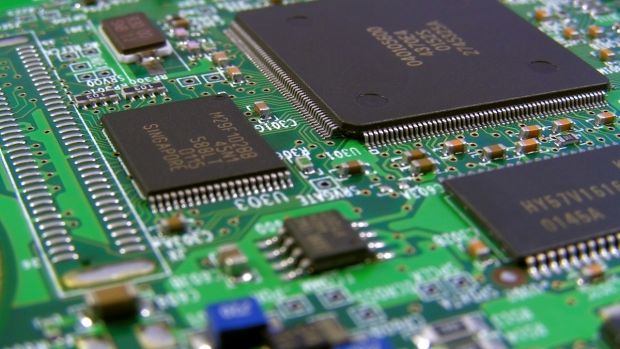
Which is the main reason for having cache memory?
To be able to run more powerful programs
To compensate for the difference in speed of the CPU and RAM access times.
To increase the size of main memory
To allow you to run a program with less RAM
Choose all the factors that could potentially affect the performance of the CPU ...
Frequency of internal clock
Number of processor cores
Size of cache memory
Type of cache (L1, L2, L3)
Amount of RAM

