
 Worksheets
May 2 Science
Total questions: 145
Worksheet time: 1hrs 13mins
Name
Class
Date
1.
It is the condition of the air around us over a short period of time (from day to day)
a)
Weather
b)
Sunny
c)
Stormy
2.
It is where the weather you can see that the sun shines brightly. The sky is clear and blue. Feathery clouds float up above.
a)
Sunny or fair weather
b)
Cloudy Weather
c)
Stormy weather
3.
You can see lots of clouds in the sky. The sky looks gray. The whole sky may even be covered with clouds.
a)
Cloudy Weather
b)
Stormy weather
c)
Windy weather
4.
The leaves fall from trees. The branches of trees are swaying. You can feel the wind blowing
a)
Windy Weather
b)
Rainy Weather
c)
Cloudy Weather
5.
You can see clouds hanging low.
a)
Rainy Weather
b)
Cloudy Weather
c)
Stormy Weather
6.
You can see rains pouring down heavily. The wind is blowing so strong. The trees are swaying. Fruits of trees fall down. There may even be lighting or thunderstorm.
a)
Story weather
b)
Cloudy weather
c)
Sunny Weather
7.
A weather chart is a record of conditions of the air and sky from time to time.
a)
True
b)
False
8.
Cirrus clouds are thin, wispy clouds seen high in the sky
a)
True
b)
False
9.
Cumulus clouds are the puffy clouds that are usually scatters throughout the sky
a)
True
b)
False
10.
Stratus clouds looks like a huge thick blanket covering the sky
a)
True
b)
False
11.
The word nimbus means a cloud that already has rain or snow falling from it. These clouds are dark and seen during thunderstorm along with thunder and lightning.
a)
True
b)
False
12.

What does this picture show?
a)
sunny weather
b)
cloudy weather
c)
stormy weather
13.
Which is true about sunny weather?
a)
The sky is clear and blue
b)
Branches of trees are swaying.
c)
You can see rains pouring heavily.
14.
The thermometer tells the temperature of the air.
a)
True
b)
False
15.
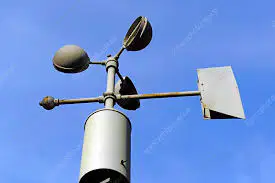
This instrument measures the direction of the wind.
a)
True
b)
False
16.
The condition of the air that changes from time to time is called ___________________
a)
climate
b)
weather
c)
instruments
17.
There are children flying their kites on the field. What kind of weather is this?
a)
windy
b)
sunny
c)
stormy
18.
There lots of people at the beach. What kind of weather is this?
a)
rainy
b)
sunny
c)
stormy
19.
The pupils cannot go to school. There are heavy rains and strong winds. What kind of weather is this?
a)
sunny
b)
stormy weather
c)
cloudy
20.
Mother is always using her fan. What kind of weather is this?
a)
sunny
b)
stormy
c)
windy
21.
Dark clouds are hanging low. People on the streets running to look for shelter. What kind of weather is this?
a)
windy
b)
cloudy
c)
rainy
22.
People cut down trees in the forest for their needs. Most often, people do not plant new trees.
Too much cutting down of trees results in forest denudation.
a)
True
b)
False
23.
This is because very few trees are left to hold water underground. Floods wash away the soil. This is called soil erosion.
a)
True
b)
False
24.
Soil erosion removes the most important layer of the soil called the topsoil.
a)
True
b)
False
25.
Landslides could also happen since few trees are left to hold the soil together. Landslide often brings harm to people living at the base of a mountain and on its slopes.
a)
True
b)
False
26.
Water pollution occurs when harmful substances—often chemicals or microorganisms—contaminate a stream, river, lake, ocean, aquifer, or other body of water, degrading water quality and rendering it toxic to humans or the environment.
a)
True
b)
False
27.
Air pollution is a mixture of solid particles and gases in the air.
a)
True
b)
False
28.
Pollution- is the introduction of harmful materials into the environment.
a)
True
b)
False
29.
Pollutants- These are harmful materials.
a)
True
b)
False
30.
Waterborne Diseases- Infection can result not only from drinking but also swimming in dirty water. Bacteria can enter the body through broken skin.
a)
True
b)
False
31.
Airborne Diseases- These diseases are caused by bacteria that are transferred through coughing, sneezing, or through close personal contact.
a)
True
b)
False
32.
Soilborne Diseases- are caused by fungal pathogens.
a)
True
b)
False
33.
Pollution harms the productivity of oil
a)
Yes
b)
No
34.
Too much cutting down of tree helps animals and people around.
a)
Yes
b)
No
35.
The washing away of soil is called soil erosion
a)
Yes
b)
No
36.
Smoke coming from factories helps clean the air.
a)
Yes
b)
No
37.
Put all kinds of garbage in one container.
a)
Yes
b)
No
38.
This is the introduction of harmful chemicals in the environment.
a)
pollution
b)
Landslides
c)
pollutants
39.
Pollution harms the productivity of soil.
a)
True
b)
False
40.
Smoke coming from factories helps clean the air.
a)
True
b)
False
41.
It is good to put all kinds of garbage in one container.
a)
True
b)
False
42.
Which of the following is an airborne disease?
a)
influenza
b)
wilting of plants
c)
cholera
43.
Which of the following is a waterborne disease?
a)
tuberculosis
b)
diarrhea
c)
stunting of plants
44.
Which can be a possible cause of dead fish?
a)
people cutting trees
b)
people throwing garbage on streets
c)
spilled oil from ships and boats
45.
Overuse of fertilizers and pesticides by farmers can cause soil pollution.
a)
true
b)
false
46.
Soil erosion will protect the important layer of the soil called topsoil.
a)
true
b)
false
47.
Weather affects people's activities
a)
Yes
b)
No
48.
Weather changes everyday
a)
Yes
b)
No
49.
Children do not go to school during rainy weather
a)
Yes
b)
No
50.
We wear clothes made of thin materials during sunny weather
a)
yes
b)
no
51.
We eat warm foods during rainy weather.
a)
Yes
b)
No
52.
Which one do people do during rainy days?
a)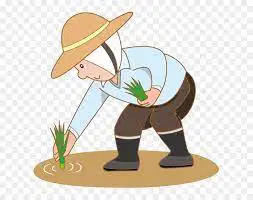
Option 1
b)
Option 2
c)
Option 3
53.
Which one do you do during sunny days?
a)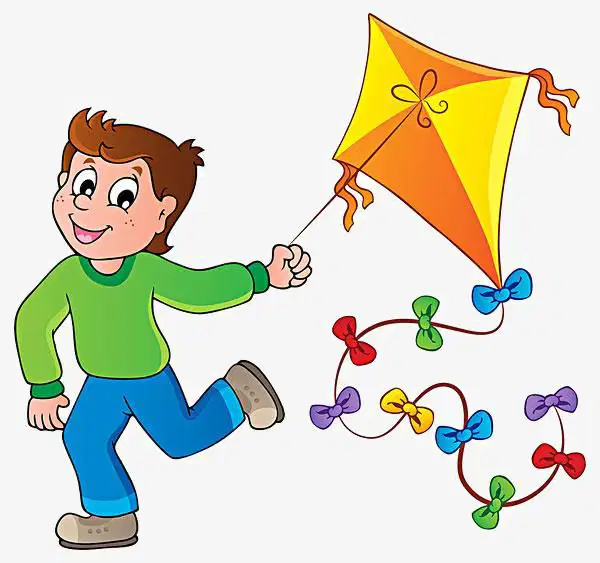
Option 1
b)
Option 2
c)
All of the above
54.
Which one should be taken during cold days?
a)
Option 1
b)
Option 2
c)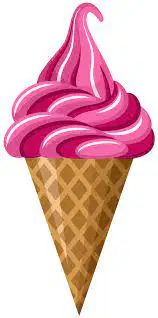
Option 3
55.
The weather affects us in many ways. The things we do, the food we eat, and the plants that we grow are affected by the weather.
a)
True
b)
False
56.
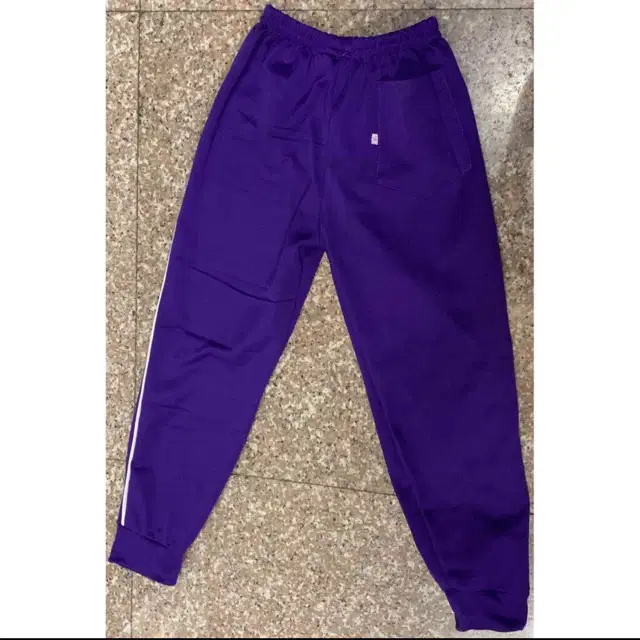
When do we wear these clothes?
a)
Cold weather
b)
Sunny weather
57.
Which group of words is group correctly?
a)
jogging pants, rain coat, boots and jacket
b)
sando, jogging pants, raincoat and boots
c)
t-shirt, rain coat, boots and swimwear
58.
Which clothes do not belong to the group?
a)
Sando
b)
jacket
c)
raincoat
59.
It is good to eat cold food during rainy and cold weather.
a)
true
b)
false
60.
What should you do when you hear that a strong typhoon is coming?
a)
All of the choices
b)
Regularly listen to the radio
c)
Store enough food and drinking water
61.
If your place is easily flooded, prepare to move out if the rain begins to pour heavily.
a)
True
b)
false
62.
sunny or fair weather
a)
The sky is clear and blue. Feathery clouds float up above
b)
You can se lots of cloud in the sky. The sky looks gray
c)
The leaves fall from trees. The branches of trees are swaying
d)
The wind is blowing strong. There might even be lightning or thunderstorm
63.
cloudy weather
a)
The sky is clear and blue. Feathery clouds float up above
b)
You can se lots of cloud in the sky. The sky looks gray
c)
The leaves fall from trees. The branches of trees are swaying
d)
The wind is blowing strong. There might even be lightning or thunderstorm
64.
windy weather
a)
The sky is clear and blue. Feathery clouds float up above
b)
You can se lots of cloud in the sky. The sky looks gray
c)
The leaves fall from trees. The branches of trees are swaying
d)
The wind is blowing strong. There might even be lightning or thunderstorm
65.
stormy weather
a)
The sky is clear and blue. Feathery clouds float up above
b)
You can se lots of cloud in the sky. The sky looks gray
c)
The leaves fall from trees. The branches of trees are swaying
d)
The wind is blowing strong. There might even be lightning or thunderstorm
66.
Which instrument is used to measure temperature?
a)
thermometer
b)
anemometer
c)
barometer
67.
Which instrument is used to measure wind speed?
a)
barometer
b)
anemometer
c)
thermometer
68.
Which instrument is used to measure rainfall?
a)
thermometer
b)
rain gauge
c)
anemometer
69.
Which type of cloud is thin and wispy, and looks like feathers?
a)
cirrus
b)
cumulus
c)
stratus
70.
Which type of cloud is flat and gray, and covers the whole sky?
a)
stratus
b)
cirrus
c)
cumulus
71.
Which type of cloud is puffy and white, and looks like cotton balls?
a)
stratus
b)
cumulus
c)
cirrus
72.
Which clothes do not belong to the group?
a)
sando
b)
jacket
c)
raincoat
73.
If your place is easily flooded, prepare to move out if the rain begins to pour heavily.
a)
True
b)
False
74.
1. Highest mountain in the Philippines
a)
Mt. Apo
b)
Mt. Makulot
c)
Mt. Banahaw
75.
2. It is the highest landform on Earth
a)
Mountain
b)
Valley
c)
Hills
76.
3. It is the top of the mountain
a)
Peak
b)
slope
c)
Mt. Everest
77.
4. It is called the side of the mountain
a)
peak
b)
slope
c)
valley
78.
It is the world's highest mountain.
a)
Mt. Apo
b)
Mt. Everest
c)
Mountain
79.
6. It is a special kind of mountain.
a)
Lava
b)
Crater
c)
Volcaco
80.
7. What do you call the opening of the mountain?
a)
lava
b)
crater
c)
magma
81.
8. What do you call the burning stones, and ashes come out of the crater during an eruption?
a)
lava
b)
crater
c)
magma
82.
9. It is a very hot molten or semi molten rock.
a)
magma
b)
lava
c)
crater
83.
10. It is a highland that is lower than a mountain.
a)
hill
b)
valley
c)
mountain
84.
11. It is an elevated land area that is surrounded by a lower land area.
a)
plateau
b)
plain
c)
valley
85.
12. It is a flat land between mountains or hills.
a)
valley
b)
hills
c)
mountain
86.
13. It is a flat level land.
a)
plain
b)
plateau
c)
valley
87.

14. It is smaller than a mountain. What do you call this?
a)
Hills
b)
Mountain
88.

15. What is a characteristic of this landform?
a)
It is an elevated land area that has has flat top.
b)
It can erupt anytime.
c)
It is flat land in between mountain.
89.
16. Which one is a valley?
a)
Option 1
b)
Option 2
c)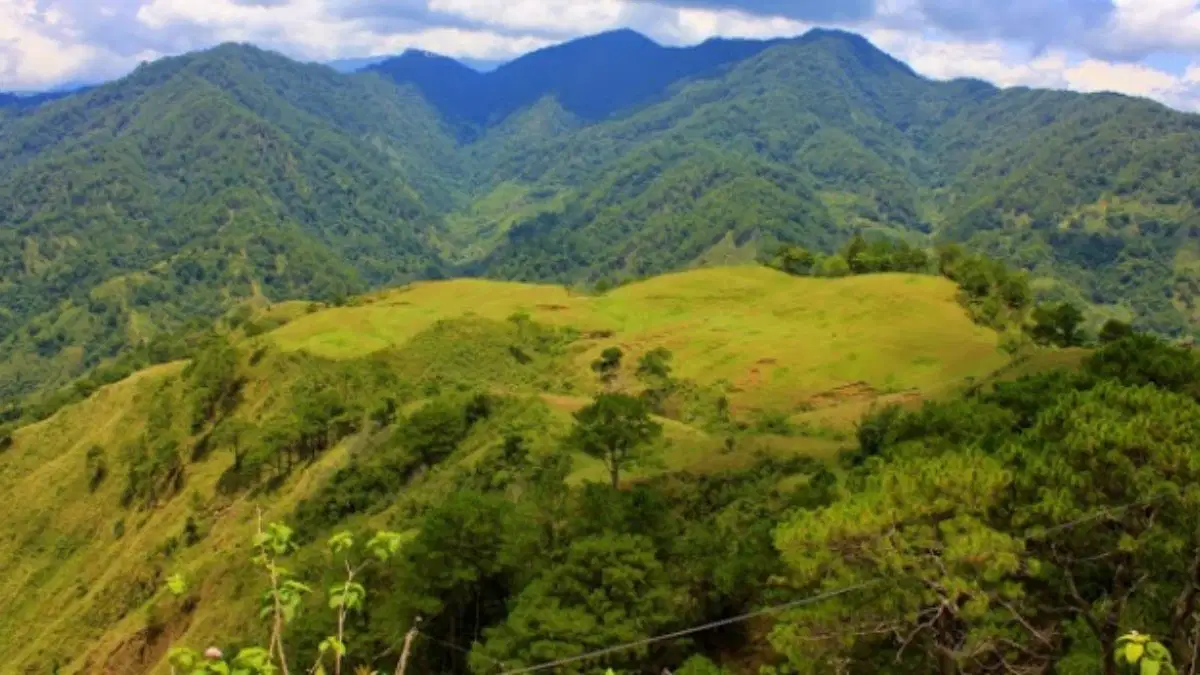
Option 3
90.
17. Large area of flat land is...
a)
Plain
b)
Mountain
c)
Hill
91.
18. When the liquid rock is spilled out onto the surface, It is called ________
a)
lava
b)
magma
c)
volcanoes
92.
It is called a small island.
a)
islet
b)
island
c)
continent
93.
It is called a group of islands
a)
archipelago
b)
continent
c)
island
94.
It is called a very large area of land.
a)
archipelago
b)
continent
c)
island
95.
19. Which one shows the preservation of the landforms?
a)
Plant more fruits and vegetables in the lowlands.
b)
Do mining in the mountains without government permission.
c)
Practice illegal logging in the mountain and forest areas.
96.
20. It has vents that magma erupts from.
a)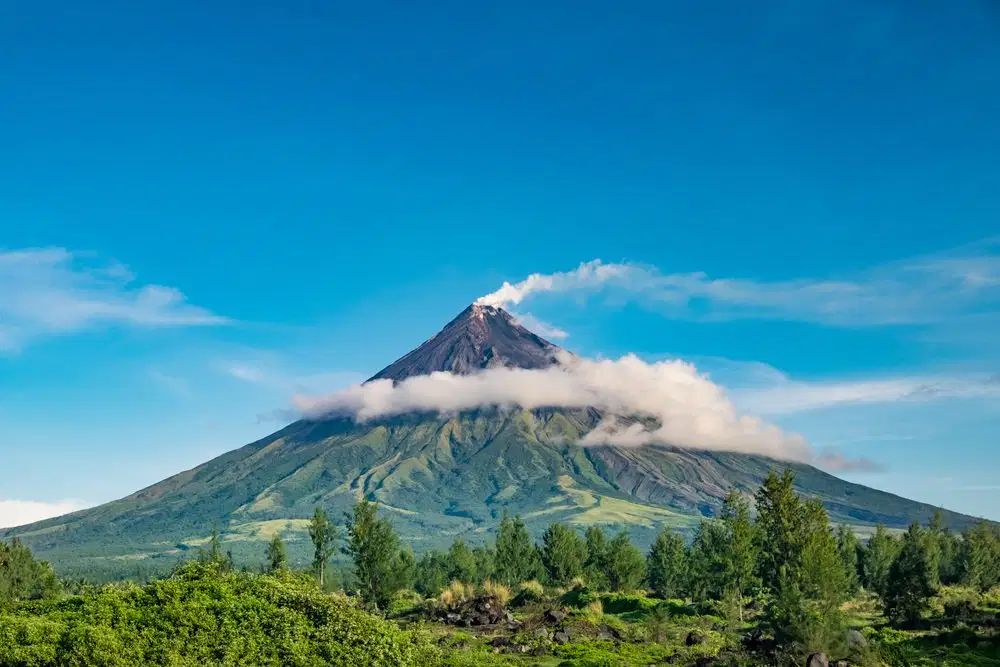
Option 1
b)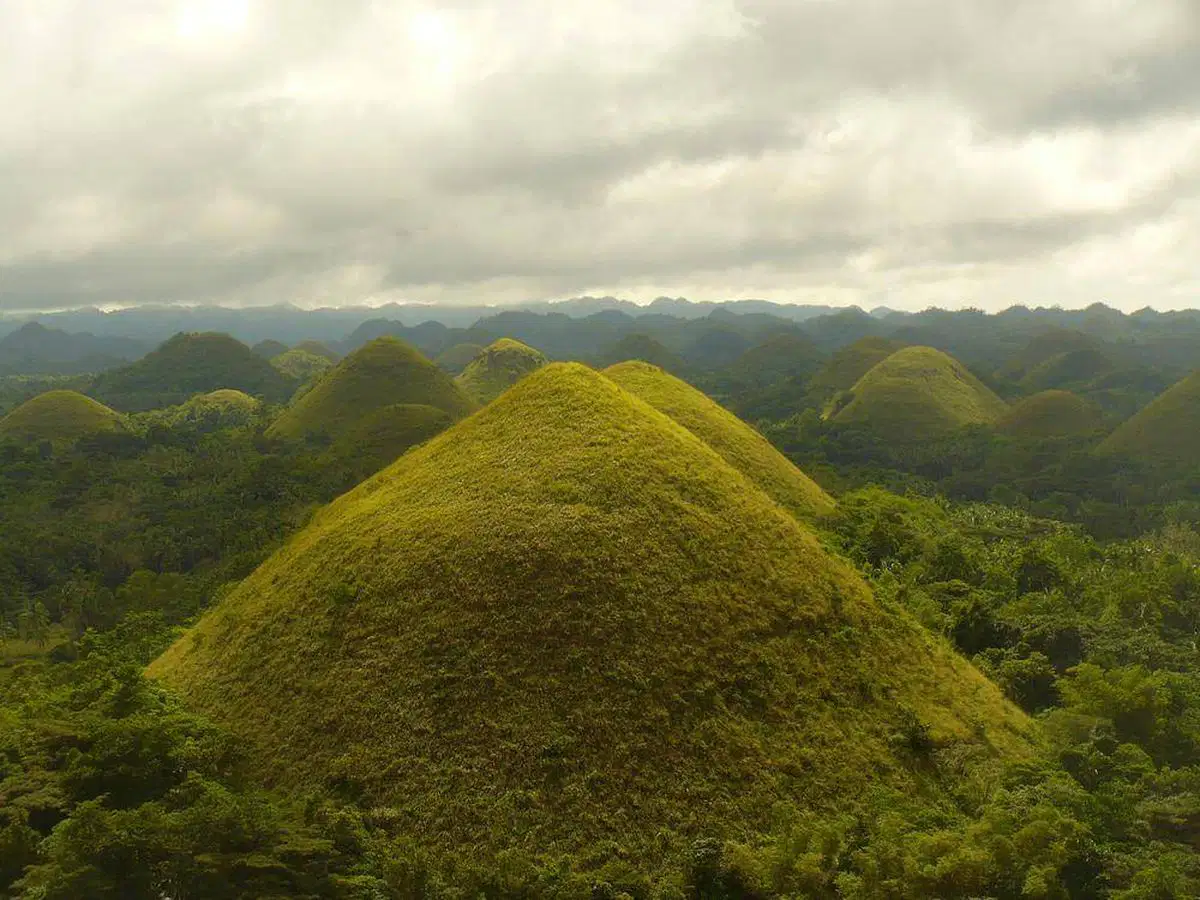
Option 2
c)
Option 3
97.
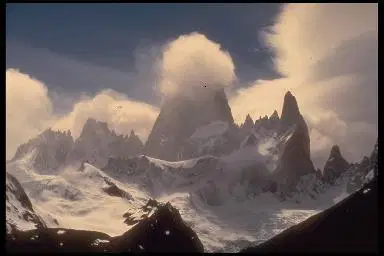
21.
a)
Mountain
b)
Valley
c)
Hills
98.
It is s the largest body of water
a)
Ocean
b)
River
c)
Falls
99.
It is a water form smaller than ocean
a)
Sea
b)
Ocean
c)
pond
100.
Rivers is a large body of fresh water.
a)
True
b)
False
101.
The side of the river is called a Riverbank
a)
True
b)
False
102.
The bottom of the river is called Riverbed
a)
True
b)
False
103.
Spring a water form where water flows out of the ground.
a)
True
b)
False
104.
When water falls over a cliff is called Waterfall
a)
True
b)
False
105.
Underground water is a good source of drinking water
a)
True
b)
False
106.
Lake is a body of fresh water surrounded by land
a)
True
b)
False
107.
Ponds is smaller than a lake
a)
True
b)
False
108.
I am a huge body of salt water covering most of the Earth. What am I?
a)
lake
b)
ocean
c)
river
109.
True or false? All bodies of water are saltwater?
a)
true
b)
false
110.
How does a sea differ from an ocean?
a)
sea has smaller fishes living on it
b)
sea is smaller than an ocean
c)
sea has boats travel through it
111.
Because we are only grade 2 students, we cannot do anything to protect the different bodies of water.
a)
true
b)
false
112.
Which of the following describes a sea?
a)
A huge sheet of ice that covers land.
b)
A large body of saltwater that is often connected to an ocean. It may be partly or completely surrounded by land.
c)
A large, flowing body of freshwater that usually empties into a sea or ocean.
113.
Which of the following describes a river?
a)
A large, flowing body of freshwater that usually empties into a sea or ocean.
b)
A huge sheet of ice that covers land.
c)
An area where water, usually freshwater, is surrounded by land.
114.
A body of water surrounded by land is called ____________________
a)
ocean
b)
lake
c)
river
115.

a)
pond
b)
river
c)
stream
116.
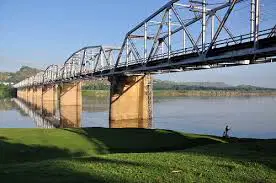
a)
stream
b)
river
c)
sea
117.
Give one way how you can take care of any body of water.
4 lines
118.
Water and soil are very important natural resources.
a)
True
b)
False
119.
Living things depend on water and soil.
a)
True
b)
False
120.
Renewable resources- are resources that can be replaced in a short span of time.
a)
True
b)
False
121.
Nonrenewable resources are resources that are, limited in supply. They cannot be replaced easily or cannot be replaced at once when they are used up.
a)
True
b)
False
122.
Plants and animals are renewable resources because they can reproduce and replace themselves
a)
True
b)
False
123.
Water is also a renewable resources.
a)
True
b)
False
124.
coal
a)
R
b)
NR
125.
plants
a)
R
b)
NR
126.
Soil
a)
R
b)
NR
127.
Animals
a)
R
b)
NR
128.
Water
a)
R
b)
NR
129.
Natural Oil
a)
R
b)
NR
130.
Gas
a)
R
b)
NR
131.
Conservation means savings the things that come from nature like air, soil, water, animals, and plats.
a)
True
b)
False
132.
Use electrical devices responsibly.
a)
True
b)
False
133.
Wild animals should be killed
a)
True
b)
False
134.
Support planting of new trees
a)
True
b)
False
135.
Apply the principle of 3 R's - reduce reuse recycle
a)
True
b)
False
136.
It is smaller than a mountain.
a)
Hill
b)
Ocean
c)
Lake
d)
Pond
137.
What is a body of water that is completely surrounded by land called?
a)
Hill
b)
Ocean
c)
Lake
d)
Pond
138.
What is a large body of saltwater that covers most of the Earth's surface ?
a)
Hill
b)
Ocean
c)
Pond
d)
Lake
139.
What is a body of water that is smaller than a lake and is surrounded by land
a)
Hill
b)
Pond
c)
Ocean
d)
Lake
140.
Geothermal power
a)
Renewable
b)
Non-Renewable
141.
Coal
a)
Renewable
b)
Non-Renewable
142.
Oil
a)
Renewable
b)
Non-Renewable
143.
Waterfalls and rivers
a)
Renewable
b)
Non-Renewable
144.
A stream is bigger than an ocean.
a)
True
b)
False
145.
Littering is a human activity that involves dumping garbage and waste into the environment.
a)
True
b)
False
100 %

