
 Worksheets
End of Year Science GMAS Review
Total questions: 208
Worksheet time: 2hrs 16mins
If you rub a balloon on your hair, it will stick to a wall.
Which of these objects develops a negative charge because of this rubbing action?
wall
your hair
your hands
balloon
Tyra and Mark produced static electricity in two balloons.
Which of the following is the best reason why the balloons push each other apart?
The balloons have magnetic charges
The balloons have no charges
The balloons have opposite charges
The balloons have the same charge
Shayna and Mike are making a list of electrical appliances that people use in their homes.
Which of the following objects best shows electrical energy being converted into mostly light energy?
fan
lamp
radio
toaster

Tasha made this model. In her model the bulb is not lit.
Which of these statements best explains why the bulb is not lit?
The wires are connected to the wrong battery terminals.
The bulb is burned out.
The switch is open.
A wire is missing.

Eileen tried each of these setups to make a working circuit.
In which setup would the bulb light?
Setup A
Setup B
Setup C
Setup D
Alicia turned on a light switch. What does turning a switch on do?
open a circuit, allowing electricity to flow
close a circuit, allowing electricity to flow
open a circuit, stopping electricity from flowing
Close a circuit, stopping electricity from flowing
Adam made a circuit. His light bulb did not light up. Which of these could NOT be the cause?
open switch
dead battery
closed circuit
loose connection
Francisco is doing an experiment to see what materials complete a circuit. Which activity will NOT be part of his experiment?
recording observations
gathering opinions
interpreting data
making a plan
Ashley is classifying some objects as conductors or insulators. What is the difference between conductors and insulators?
A conductor allows electrical current to flow through it easily, while an insulator does not.
An insulator allows electrical current to move through it easily, while a conductor does not.
A conductor has a static charge, while an insulator does not.
An insulator is a metal, while a conductor is not a metal.
Greg is using a circuit to test materials to determine which ones are good insulators. What happens when he tests a good insulator?
He gets an electrical shock.
No current flows through the circuit.
A strong current flows through the circuit.
The current flowing through the circuit flows weakly and then strongly.

Annie classified some materials as insulators or as conductors. Which of the following materials did she list in the wrong column?
air
glass
rubber
saltwater

Four students are planning to do science projects. Only one of the projects is an experiment. Which student is doing an experiment?
Selene
Walden
Mya
Sasha
Mariella knows that copper is a good conductor of electricity. Why might a gold coin also be a good conductor?
It is also a metal.
It has a shiny surface.
It resists current flow.
It bends easily.
Abbie was making breakfast before school and used her toaster to warm her bagel. What energy transformation took place within her toaster?
Electrical energy to heat and light energy.
Electrical energy to sound energy.
Electrical energy to mechanical energy.
Electrical energy to light and sound energy.

Kala wants to make a simple circuit with a battery, a lightbulb, and a switch. She connects the lightbulb to the switch with one wire, and the batter with another wire, as shown in the picture.
To have the lightbulb turn on, Kala must do one last step before closing the switch. Which step must she do?
Add a wire connecting point A to point D.
Add a wire connecting point A to point B.
Add a wire connecting point C to point A.
Add a wire connecting point D to point B.
true
How can a volcano be both constructive and destructive?
It's both constructive and destructive because the plate tectonics push the land forward and breaks apart other land.
It's both constructive and destructive because it can form sand dunes and cause erosion.
It's both constructive and destructive because it builds up land like islands and destroys land and vegetation from the lava.
It is not both constructive and destructive.
Click on all landforms below that represent a constructive process or was created by a constructive process. (There may be more than one.)
sea arch
mountain
canyon
delta

Students are studying the constructive and destructive processes that shape Earth's surface. The teacher separates the students into five groups. She asks each group to build a model that represents either a constructive or a destructive process. Which description best summarizes the process shown in group Z's model?
a constructive process of sand being deposited by wind
a destructive process of sand being removed through erosion
a destructive process of sand being removed through weathering
a constructive process of sand being deposited by gravity

From the models the students created below, pick three groups that chose to model constructive processes
V
W
X
Y
Z
A student claims that some landforms can be created quickly through constructive processes. Which example should she choose as an argument to BEST support her claim?
She should choose a canyon that can be created by flowing water carving through rock.
She should choose a delta that can be created by depositing sand at the mouth of a flowing river.
She should choose a valley that can be created by a glacier changing the landscape as it retreats.
She should choose an island that can be created by cooling lava from a volcano eruption.
Morgan has to design a model for science class. Her model must show a destructive process that changes the surface of the Earth. Pick the destructive processes below that Morgan could use for her model. (There may be more than one!)
mechanical weathering
mountain
delta
canyon
sea arch
A group of students were observing the land around the creek near their school. Each student was asked to explain the natural processes that had shaped the creek and the land around it. Which is the best argument to explain what happened?
It was a slow constructive process caused by earthquakes.
It was a slow destructive process caused by the movement of water.
It was a fast destructive process caused by a glacier.
It was a fast constructive process caused by the wind.

Students were drawing models to show how changes in surface features indicate constructive processes. Which student models correctly illustrate constructive processes?
Students B and C
Students A and B
Students A and C

The image below is of Horseshoe Bend in Arizona. Was the creation of Horseshoe Bend due to a constructive or destructive force?
constructive
destructive
Breaking down of rocks and other substances on Earth
Weathering
Erosion
Deposition
T/F: A constructive force builds landforms on earth.
True
False
Select all of the following constructive forces.
Volcano
Sand Dune
Delta
Erosion
Weathering

What constructive process is this?
Delta
Sand Dune
Volcano
Erosion

What kind of constructive process is this?
Volcano
Delta
Weathering
Mountain

What kind of constructive process is this?
Volcano
Mountain
Sand Dune
Delta
T/F: All volcanos are huge mountains.
True
False
Where are mountains found?
Every continent and the ocean
Only in the USA
Just land
Just water
Mountains are formed through earthquakes and volcanos. This makes it a _____________ process.
Constructive
Destructive
How are natural sand dunes formed?
The wind drops sand to make sand dunes
The ocean pushes the sand dunes up from the ocean
Humans use tractors to make them
Where are sand dunes located? Select two.
Volcanos
Mountains
Beaches
Deserts
Where are delta's found?
In the middle of the ocean
at the mouth of a river
at the tongue of a river
Desert
Do delta's create more land?
Yes
No
T/F: Deltas are constructive processes.
True
False
The moving of rock and sand
Weathering
Erosion
Deposition
The dropping of rock and materials
Weathering
Erosion
Deposition

A landslide takes soil down a hill
Weathering
Erosion
Deposition

A river slows down when it meets the ocean and makes a river delta.
Weathering
Erosion
Deposition

Wind carries sand across a desert
Weathering
Erosion
Deposition
A sudden movement in the earth's surface along a plate line
Volcano
Earthquake
Moodquake
Sand Dune

This class has hair or fur and is the ONLY vertebrate that feed milk to their young.
Fish
Amphibians
Insects
Mammals


A behavior animals are born knowing how to do is an __________.
example
animal
option
instinct
Bears go into hibernation.
Anna has a southern accent.
Jamal is very tall.
A rabbit digs a burrow.
Which is a learned behavior?
A woman is a great cook. Why are her children likely to become good cooks?
They will learn to cook from instinct.
They will learn to cook from watching her.
They will inherit her cooking skills
Cooking is inherited
Which animal observation would be considered an instinct?
a dog jumps 6 ft into the air to catch a Frisbee.
a dog barks when its owner tells it to speak
a dog barks when a stranger approaches it
a dog sits upright and appears to beg for a treat
Which trait below is NOT one that is inherited in puppies?
number of whiskers
length of tail
injured paw
eye color


They cause stomach illness or even death.
Penicillin
Athletes Foot
Algae
Salmonella / E Coli
A fungus that causes skin disease.
Ring Worm
Salmonella
Yeast
Athletes Foot
A fungus that is usually located on your feet which causes skin disease.
Ring Worm
Athletes Foot
E Coli
Protozoa
Helpful in the making of bread.
Penicillin
Salmonella
Yeast
Fungi
Helps to digest the food in your stomach.
Fungi
Algae
Yeast
Bacteria
A fungus used as a medicine.
Yeast
Bacteria
Penicillin
Algae
Helping in the making of yogurt and cheese.
Yeast
Penicillin
Salmonella
Bacteria
_____________ can be many different sizes ranging from microscopic single celled yeasts used in bread making to macroscopic fungi which contain many cells such as moulds, mushrooms, and toadstools.
Protozoa
Fungi
Yeast
Algae
_____________ are single-celled spherical, spiral or rod shaped organisms.
Yeast
Algae
Penicillin
Bacteria
_______________ are parasites, which means they can only survive inside the cells of other living things.
Viruses
Protozoa
Algae
Fungi
________________ come in many different sizes from microscopic single celled diatoms used in toothpaste to macroscopic alga which contain many like seaweed.
Algae
Fungi
Protozoa
Yeast
____________ single celled organism which cause diseases such as malaria, and sleeping sickness. They are also helpful in the treatment of sewage waste where they eat the harmful bacteria making it safe for disposal.
Protozoa
Alagae
Yeast
Fungi
Which observation supports the claim that microorganisms are helpful to ecosystems?
Microorganism are to small to been seen without special equipment.
Microorganism need water and energy to survive.
Millions of microorganism can often be found in soil.
Microorganisms break down dead plants and animals, making nutrients available.
Some microorganism are harmful when they enter other living things and cause living things to ______________.
Grow quickly
Get sick
Reproduce
Produce Energy
Organisms that live in the intestines of humans are helpful when they______________.
Block nutrients that humans need.
Help break down food for humans to use.
Secrete chemicals that cause disease.
Enter the bloodstream of humans.
A living thing that is too small to be seen without a microscope.
Decomposer
Health
Microorganism
Yeast
An organism that gets energy by using dead organisms, nonliving materials, or waste as food.
Decomposer
Microorganism
Microscope
Beneficial
A scientific tool used to see small objects more clearly.
Microorganism
Decomposer
Beneficial
Microscope
If something is BENEFICIAL it is ___________
Helpful
Microscopic
A single celled fungus
A scientific tool used to see small objects.
A single-cell fungus
Health
Decomposer
Microorganism
Yeast
A physical change...
changes the physical properties of an object, but does not create a new substance.
creates a new substance and cannot be undone.
A chemical change
changes the physical properties of an object, but does not create a new substance.
creates a new substance and cannot be undone.

Is this an example of a physical or chemical change?
physical
chemical

Is this an example of a physical or chemical change?
physical
chemical

Is this an example of a physical or chemical change?
physical
chemical

Is this an example of a physical or chemical change?
physical
chemical

Is this an example of a physical or chemical change?
physical
chemical

Is this an example of a physical or chemical change?
physical
chemical

Is this an example of a physical or chemical change?
physical
chemical

Is this an example of a physical or chemical change?
physical
chemical

Is this an example of a physical or chemical change?
physical
chemical

Is this an example of a physical or chemical change?
physical
chemical

Is this an example of a physical or chemical change?
physical
chemical

Is this an example of a physical or chemical change?
physical
chemical

Is this an example of a physical or chemical change?
physical
chemical

Is this an example of a physical or chemical change?
physical
chemical

Is this an example of a physical or chemical change?
physical
chemical

Is this an example of a physical or chemical change?
physical
chemical

Is this an example of a physical or chemical change?
physical
chemical

Is this an example of a physical or chemical change?
physical
change
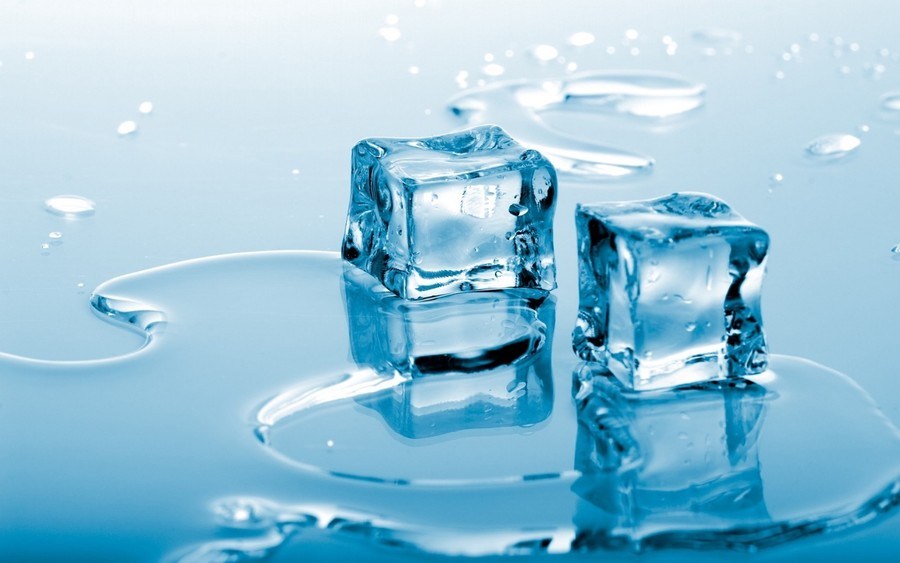
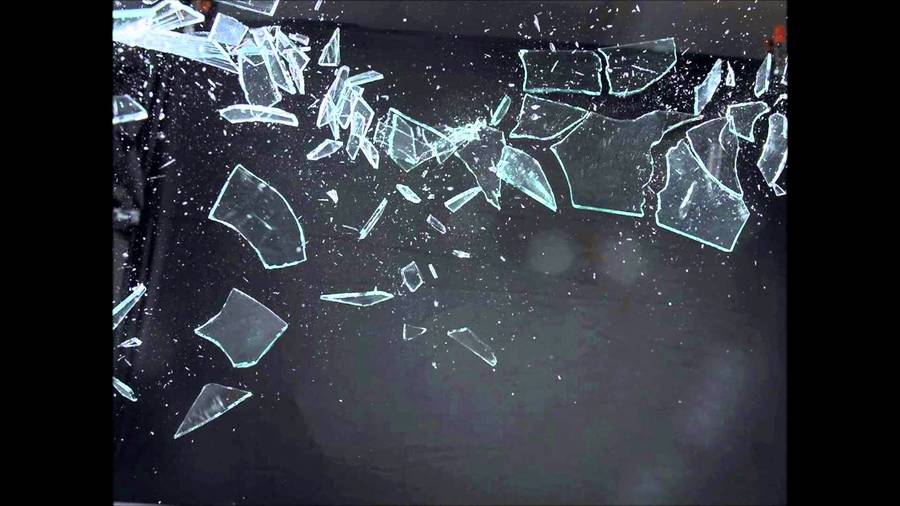


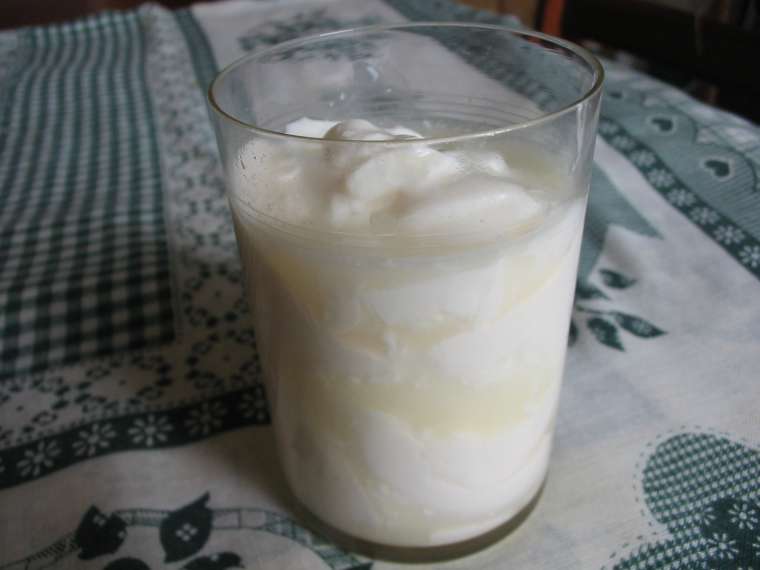


Students observed a piece of iron change from shiny to rusty. What caused this change?
a chemical reaction
a heat reaction
a cold reaction
a physical reaction
Which is the best example of a new substance forming?
lighting a match
cutting a piece of paper
popping a balloon
hitting a nail with a hammer
Which is an example of a different substance being formed?
glass breaking
metal melting
water freezing
wood burning
Identify the change:
Glass breaking
Physical
Chemical
Identify the change:
Wood burning
Physical
Chemical
Bending metal
Physical Change
Chemical Change
Boiling Water
Physical Change
Chemical Change
Ice cream melting
Physical Change
Chemical Change
Dissolving Sugar
Physical Change
Chemical Change
Crumpling paper
Physical Change
Chemical Change
A Candle Burning
Physical Change
Chemical Change
Nail Rusting
Physical Change
Chemical Change
Bleaching Clothes
Physical Change
Chemical Change
Egg Cooking
Physical Change
Chemical Change
Ice melting
Physical Change
Chemical Change
Condensation on a glass
Physical Change
Chemical Change
A chemical change is a change in
an item's properties such as size, shape, density
an item that creates a new substance, releases light or heat
an item's sound
an item's look or state of matter
A physical change is a change
in an item's properties like its shape, size or density.
that creates a new substance or emits light or heat
that creates a smell
that cannot be undone
What is matter?
Anything that has mass and takes up space.
The amount of space that an object occupies or takes up
a physical combination of 2 or more substances
a change of matter in size, shape or state of matter without any change in identity.
What are the three states of matter?
solid, liquid and gas
physical change, chemical change, solution
solution, mixture, volume
qualitative data, quantitative data, beaker