
 Worksheets
Weather Review of Infinite Joy
Total questions: 127
Worksheet time: 3hrs 11mins

Layer of the atmosphere in which weather occurs
thermosphere
mesosphere
stratosphere
troposphere

Warm air
rises
sinks
generally does not move

Cool air
rises
sinks
generally does not move

What is the change from a gas to a liquid called?
Evaporation
Condensation
Precipiation
Transpiration

Any form of water that falls to Earth's surface from the clouds is called what?
Evaporation
Condensation
Precipitation
Sublimation
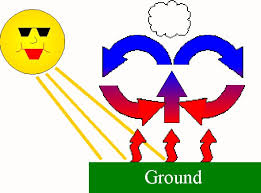

What causes winds?
differences in precipitation
differences in humidity
differences in air pressure


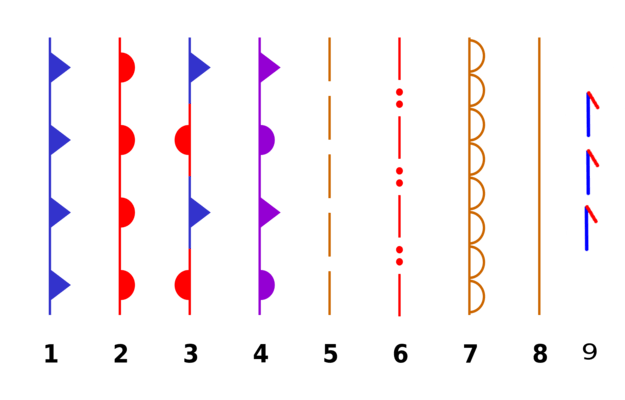
What type of front does this symbol represent?
warm front
cold front
stationary front
occluded front

What front does this symbol represent?
warm front
cold front
stationary front
occluded front

When a cold front moves in
it forces warm air to rise rapidly creating big clouds and likely rain
it pushes against warm air and becomes a stationary front
the cold air goes above the warm air causing a clear sky
it forms a wedge and the warm air slowly rises and may form small clouds


Why do floods happen?
There is too much water on earth.
If too much rain falls too quickly the ground becomes completely covered in water. The longer the rain falls, the higher the water will rise.
Water can not be controlled.

Tornadoes usually occur during...
cloudless days
earthquakes
Room 61's PE game "Pirates of the Carribean"
thunderstorms

What is a tornado?
a lot of rain
loud thunder and lightning
snow
spinning cloud
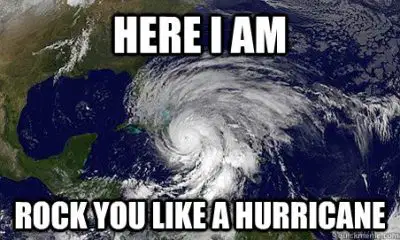
- Which of the following is a true statement about hurricanes?
They only affect the tropical areas
They cannot be measured on any scientific scale
Their winds are always above 74 miles per hour
They cause more deaths every year than tornadoes and earthquakes


The picture that shows the flood is...



Troposphere
Thermosphere
Mesosphere
Stratosphere

What factor are weather events controlled by?
Air Pressure
Spare Pressure
Peer Pressure
Front Pressure

Atmospheric pressure is caused by....
liquid particles that have no mass are pulled to the earth with gravity.
The weight of air molecules that make up the atmosphere
no kinetic energy in the atmosphere.

Compare the weather conditions in high air pressure and low air pressure situations.
In high air pressure systems, the skies are clear and during low air pressure systems, the skies are cloudy and can have precipitation.
In low air pressure systems, the skies are clear and during low air pressure systems, the skies are cloudy and can have precipitation.
In acid rain pressure systems, the skies are clear and during low air pressure systems, the skies are cloudy and can have precipitation.
In holy cow pressure systems, the skies are clear and during low air pressure systems, the skies are cloudy and can have precipitation.

What is the difference between weather and climate?
Weather is the day-to-day conditions of the atmosphere and climate is the average weather in a region over long periods of time.
One is big and one is bigger over short periods of time.
Climate is the day-to-day conditions of the atmosphere and weather is the average weather in a region over long periods of time.
However, this index has not been in use for long enough to compare with historical drought patterns.

What is it called when a big body of air shares similar characteristics, such as density and moisture, throughout?
Air Masses
Air Clouds
Air Density
Air Jordans

Maritime Polar air mass is formed...
Over Water
Over the moon
Over the country of Maritime
Over desert

Arctic air mass is formed...
Over the arctic
Over the desert
Over Alaska only
Over the United States

Maritime Tropical air mass is formed...
Near Canada
Near the equator over water
Near St. Louis
Over deserts near the equator

Continental Tropical air masses are formed....
Over land in warm climates
Over land in wet climates
Over the Great Bering Sea
Over Southern China, Northern Korea

Maritime Polar Characteristics
Carries moisture. Very humid and cold.
Carries no moisture. Very Wet and cold.
Carries moisture. Very wet and warm.
Carries moisture to Australia.

Arctic air mass characteristics
Super cold air
Super warm air
Super duper lukewarm air
It has no air mass

Continental Polar air mass characteristics
Dry and cold air
Wet and cold air
Water cyclones
Over land and very wet

Maritime Tropical air mass characteristics
Warm and humid air
Wet and cold air
Water Tornadoes
Over land and very wet

Continental Tropical air mass characteristics
Dry and warm air
Dry and cold air
Water Pokemon
Over islands and very wet

What is it called when air masses meet?
Front
Air masses
Air mating
Air drop

How can you remember what a front is? What is a front like?
A fight
A peaceful conversation
A very long nap
A long day at school

What letter in the word “COLD” reminds you that cold air sinks down?
C
O
L
D

What is a cold front’s signature wrestling move?
Rising
Sleeping
Sinking
Stinking

The letter R in the word “WARM” reminds you that warm air does what?
W for Wet Cloud
A for Air Mass
R for Rises
M for Making clouds

What is a WARM front’s signature wrestling move?
Rising
Sleeping
Sinking
Stinking
What does stationary mean?
Still
Moving
Running Away
Train Station

What air mass wins during a stationary front?
Neither
Warm
Cold
Occluded



In a stationary front who "wins"?
Warm Front
Cold Front
Neither
Occluded

In a cold front which air mass "wins"?
Cold Front
Occluded Front
Warm Front
Stationary Front

In a warm front who "wins"?
Warm Front
Cold Front
Occluded Front
Stationary Front

In an occluded front who "wins"?
Warm Front
2 Cold Fronts win against a Warm Front
Neither
Occluded

Was is the weight of all the air above us called?
Air pressure
Hard Gas
High Gas
Heavy Water
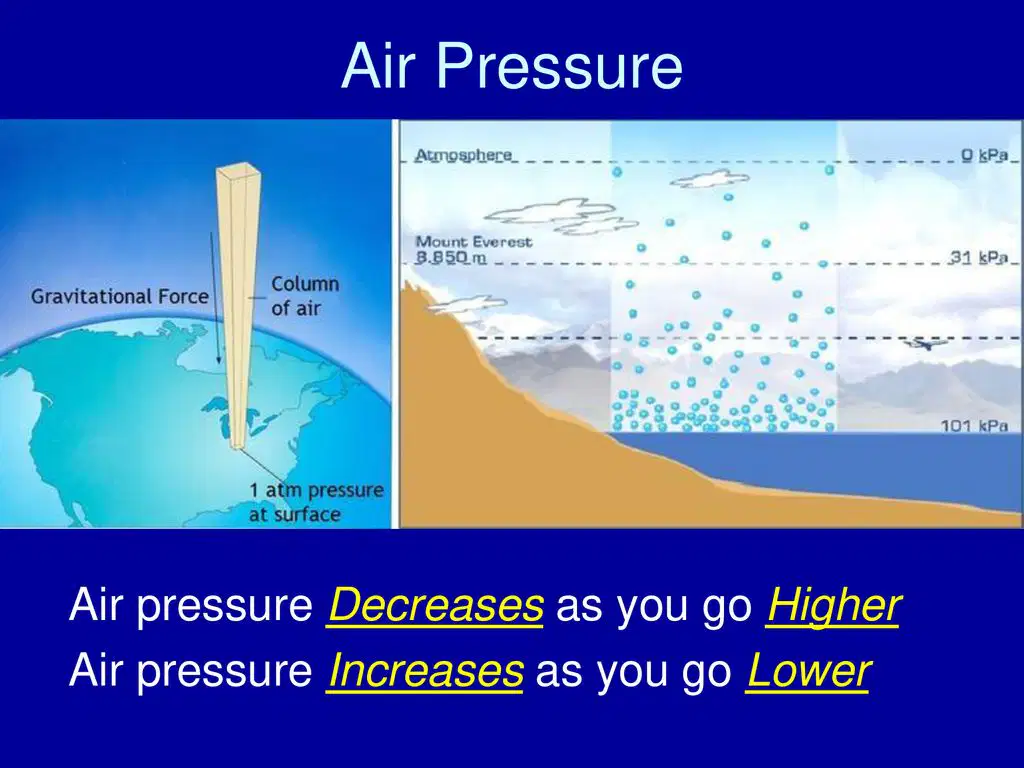
Where does air pressure decrease?
High in the atmosphere
Bottom of the ocean
Middle of the road
When it freezes

What can occur when air rises in a low-pressure system?
Water vapor condenses forming clouds and often precipitation
Water vapor precipitates on to the ground causes erosion
It gets lonely and becomes cold
Water vapor explodes forming icebergs and often precipitation

What direction do the winds of a low-pressure system move in the northern hemisphere?
Counterclockwise
Clockwise
Low
High

What direction do the winds of a low-pressure system move in the southern hemisphere?
Counterclockwise
Clockwise
Low
High
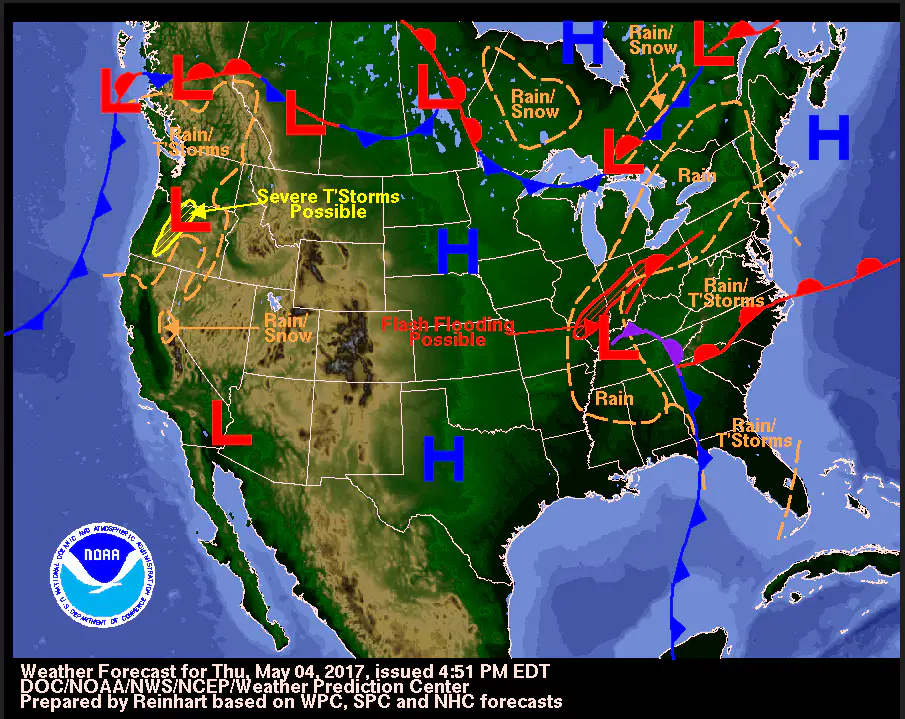
On a weather map, what is the symbol for a low-pressure system?
Red letter L
Red letter X
Red letter R
Blue letter L

What direction do the winds of a high-pressure system move in the northern hemisphere?
Counterclockwise
Clockwise
Low
High

What direction do the winds of a high pressure system move in the southern hemisphere?
Counterclockwise
Clockwise
Low
High

On a weather map, what is the symbol for a high pressure system?
Blue letter H
Red letter H
Blue number L
Red Number H

What two factors does air pressure depend on?
Temperature of air and the density of air molecules
Temperature of water and the density of water molecules
Temperature of solid and the density of solid molecules

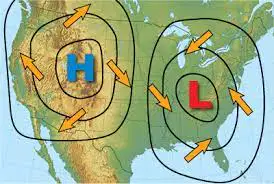
What is this image showing?
High and Low Pressure systems
Cold and Warm Pressure systems
Location of worldwide pressure systems

How does air naturally want to flow?
It wants to flow from areas of high pressure to areas of low pressures
It wants to flow from areas of low pressure to areas of high pressures

Which type of pressure suppresses weather development?
High Pressure
Low Pressure
Mixed Pressure
No Pressure
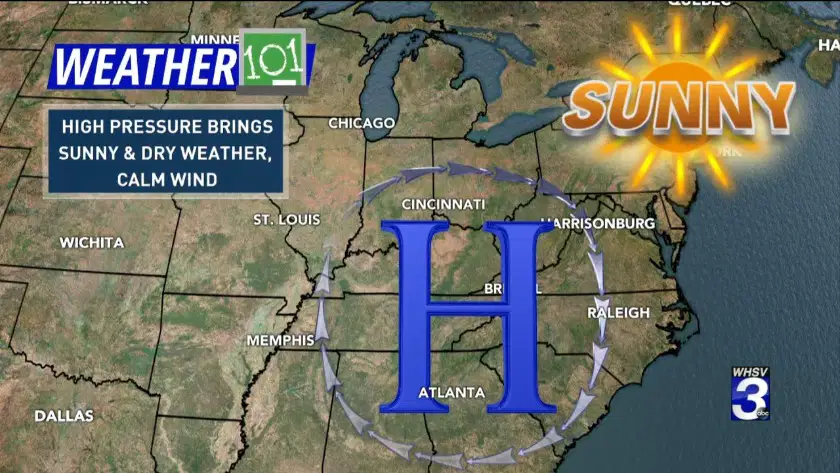
Which type of pressure often leads to calm, clear or sunny conditions?
High Pressure
Low Pressure
Mixed Pressure
No Pressure
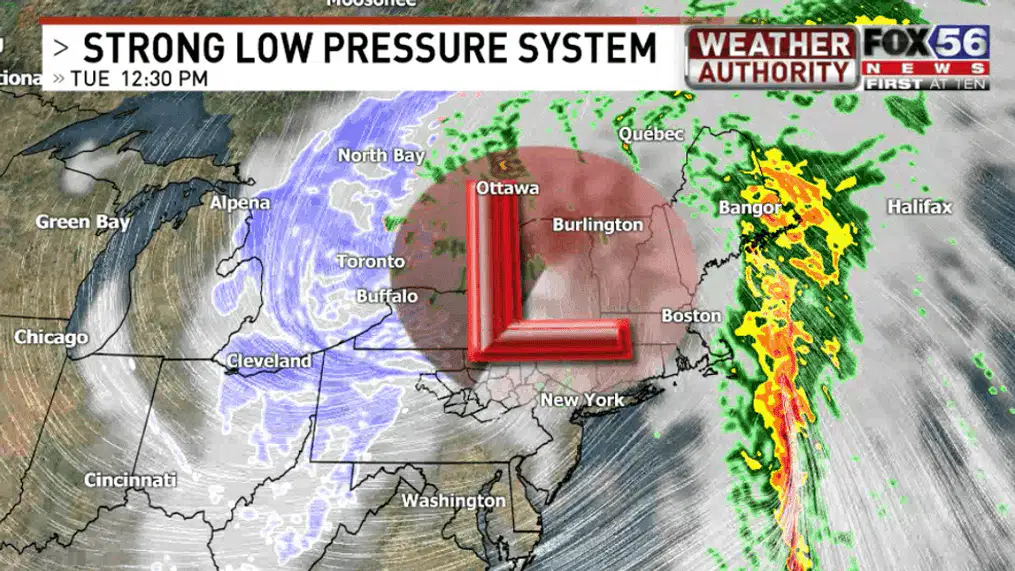
Which type of pressure brings storms and precipitation?
High Pressure
Low Pressure
Mixed Pressure
No Pressure
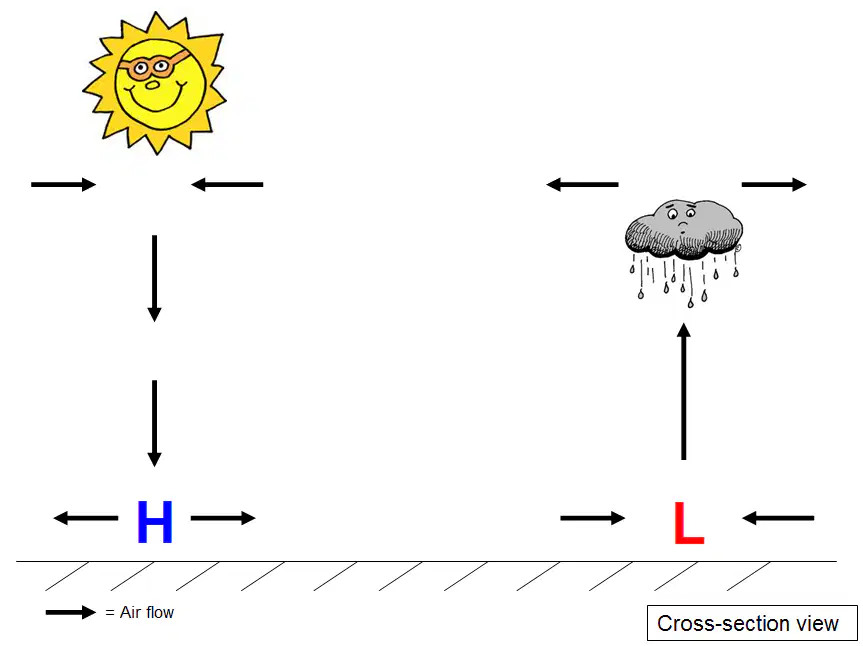
Which type of pressure brings storms and precipitation?
Atmospheric pressure affects the weather conditions. Low pressure systems cause clouds to form and storms to develop, which high pressure systems generally lead to clear conditions, although they might trap some fog.
Atmospheric pressure affects the weather conditions. High pressure systems cause clouds to form and storms to develop, which low pressure systems generally lead to clear conditions, although they might trap some fog demons.

What type of weather front will Florida experience soon?
Cold Front
Warm Front
Western Front
No Front
What type of weather should Florida expect?
Precipitation, Storms, Clouds
Sunshine, clear skies, 80 degrees Fahrenheit
Snow and Ice
No weather

Are the skies cloudy or clear in Texas today? How do you know?
They are clear because there is a high- pressure front
They are cloudy because there is a low- pressure front
They are clear because there is a low-pressure front
They are cloudy because there is a high-pressure front
What direction is the cold front on the west coast moving? How do you know?
It is moving east towards California because that is the way the triangles on the cold front are facing.
It is moving west towards Maine because that is the way the triangles on the cold front are facing.
It is moving North towards Canada because that is the way the triangles on the warm front are facing.
It is moving far away because of the tsunami
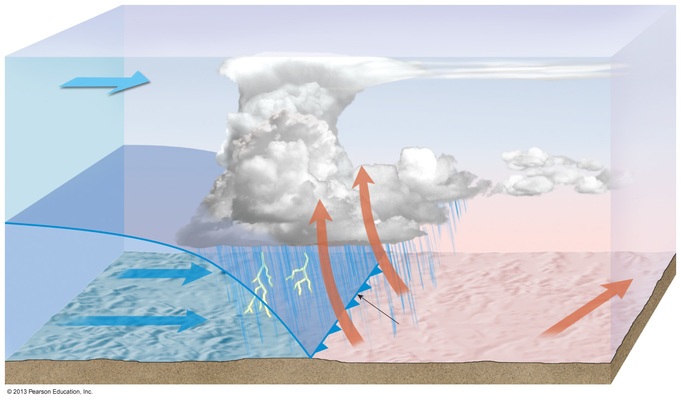
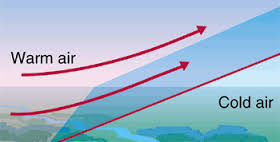
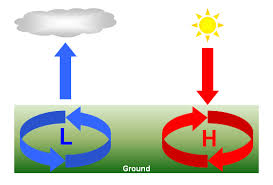

What type of front is shown?
Warm Front
Cold Front
Occluded Front
Stationary Front


What type of front is over Texas?
warm front
cold front
stationary front
occluded front
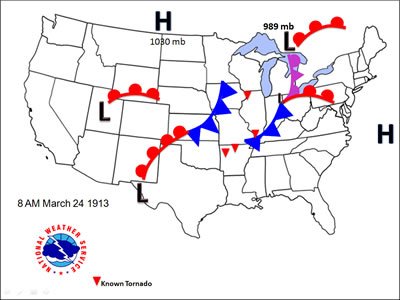
What type of front is over Ohio?
Warm front
Cold front
Occluded front
Stationary Front



A mixture of gases that surrounds the Earth like a blanket.
atmosphere
troposphere
ozone
nitrogen

Gas in the atmosphere that protects the Earth from the Sun's rays
atmosphere
troposphere
ozone
nitrogen
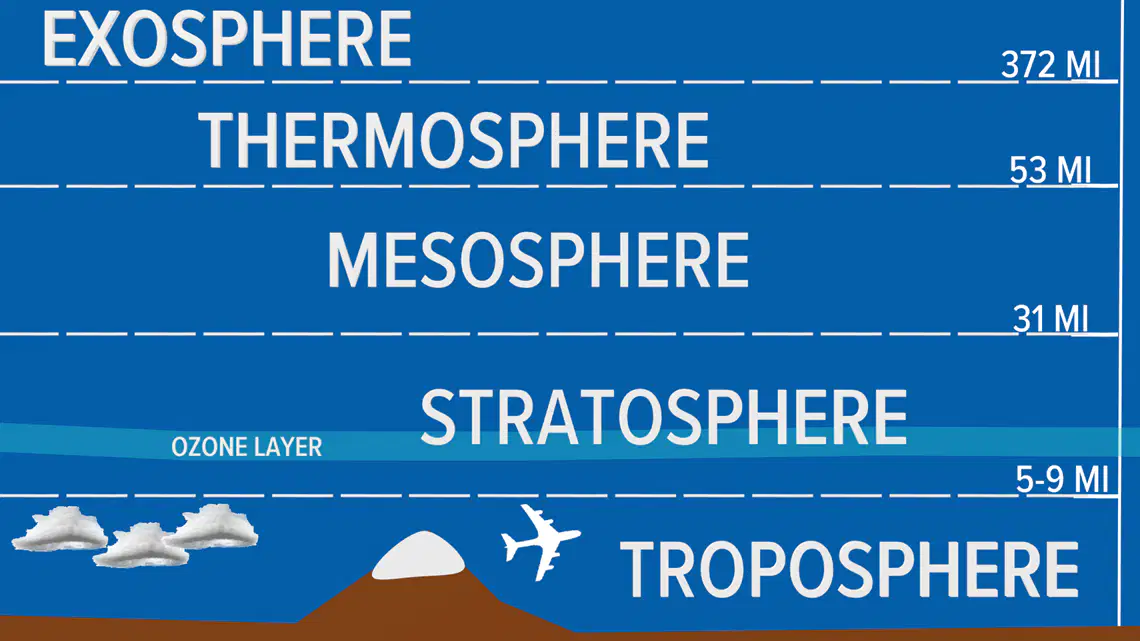
Lowest layer of the atmosphere
lifting
troposphere
wind funnel
nitrogen
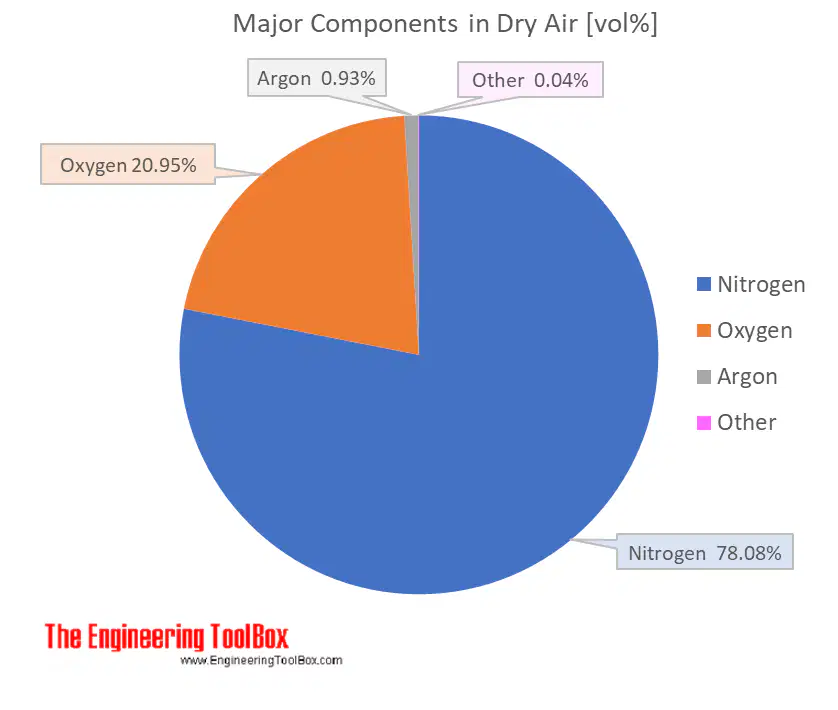
The air we breathe is mostly made of
nitrogen
oxygen
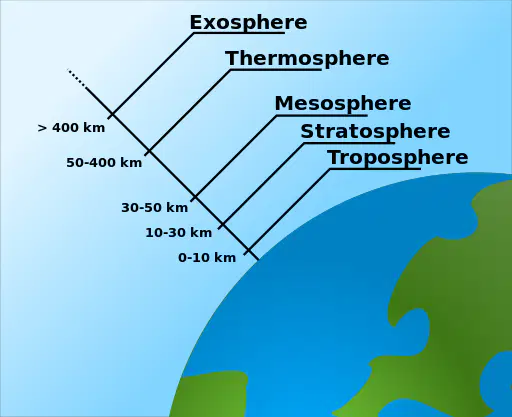
The highest layer of the atmosphere is
troposhphere
mesosphere
stratosphere
exosphere

Weather happens in the
troposhphere
mesosphere
stratosphere
exosphere
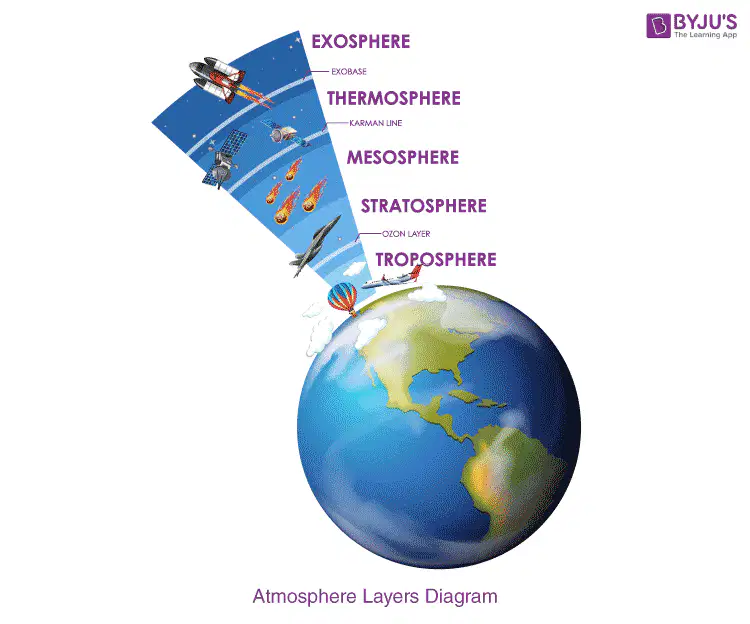
Airplanes fly in the
mesosphere
stratosphere
exosphere
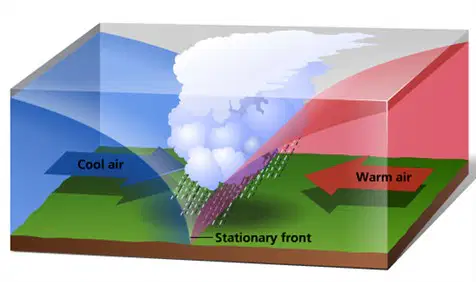
Which front is there little movement?
warm front
cold front
occluded front
stationary front
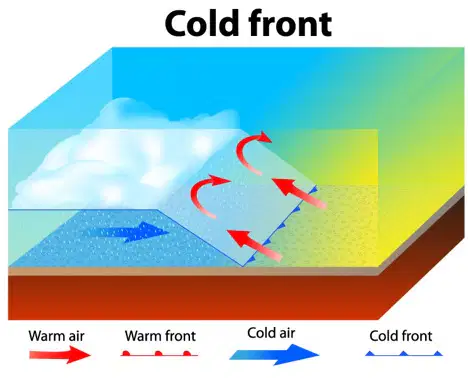
What kind of front results in thunderstorms?
warm front
cold front
occluded front
stationary front

Which front is in this picture?
Warm front
Cold front
stationary front
occluded front
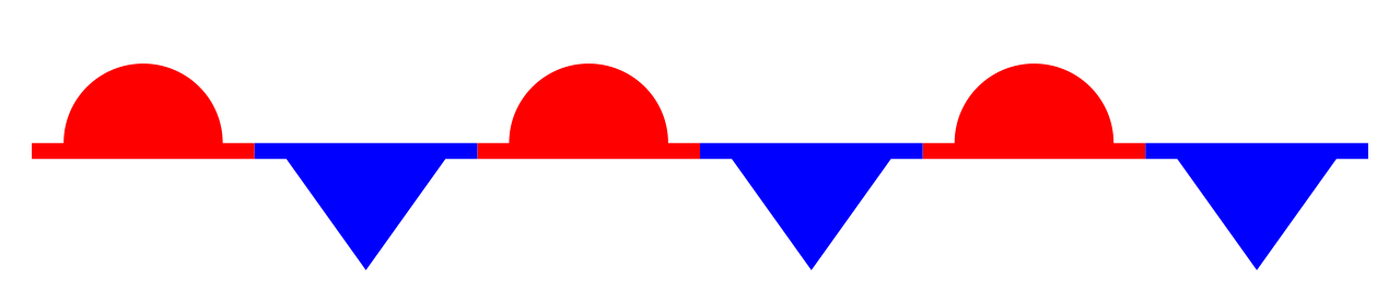
What is the name this front?
warm front
cold front
stationary front
occluded front

Which front does this show?
cold front
warm front
stationary front
occluded front

An air mass has similar
temperature and moisture
cold and wind
rain and temperature
warm and dry
What type of front is over Texas?
warm front
cold front
stationary front
occluded front
What type of front is over Ohio?
Warm front
Cold front
Occluded front
Stationary Front

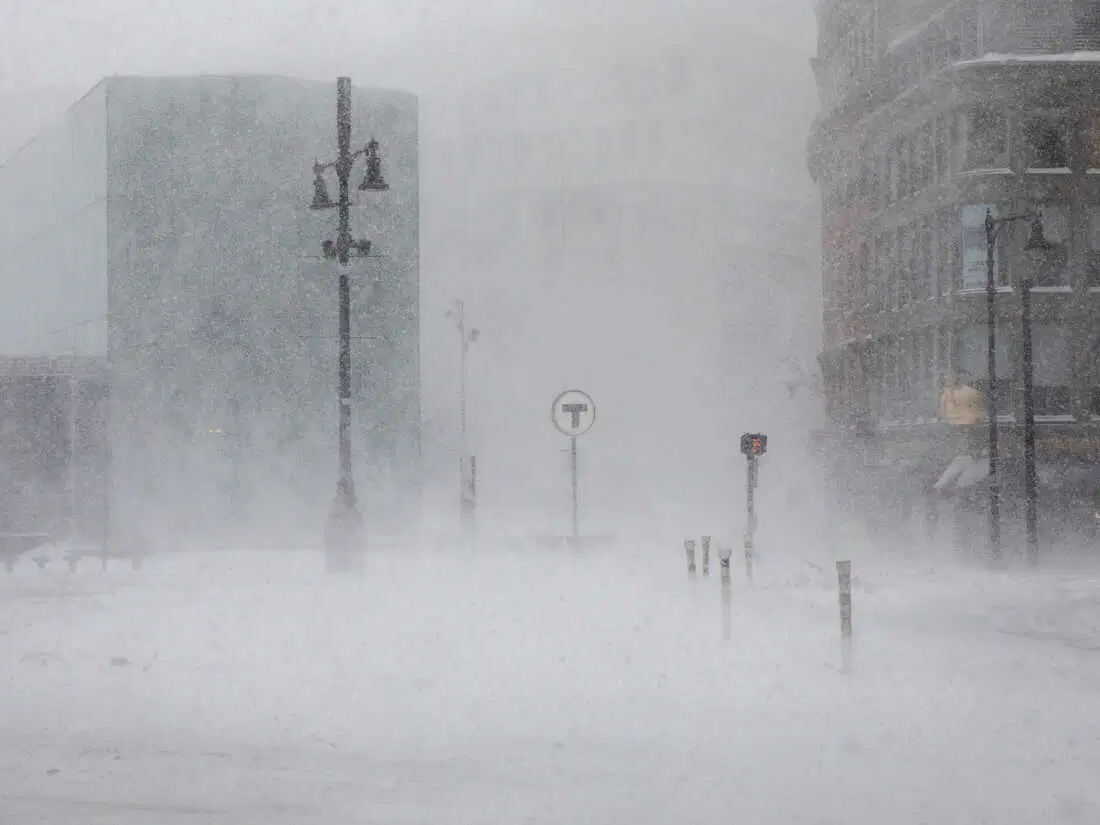
High Pressure System
Low Pressure System
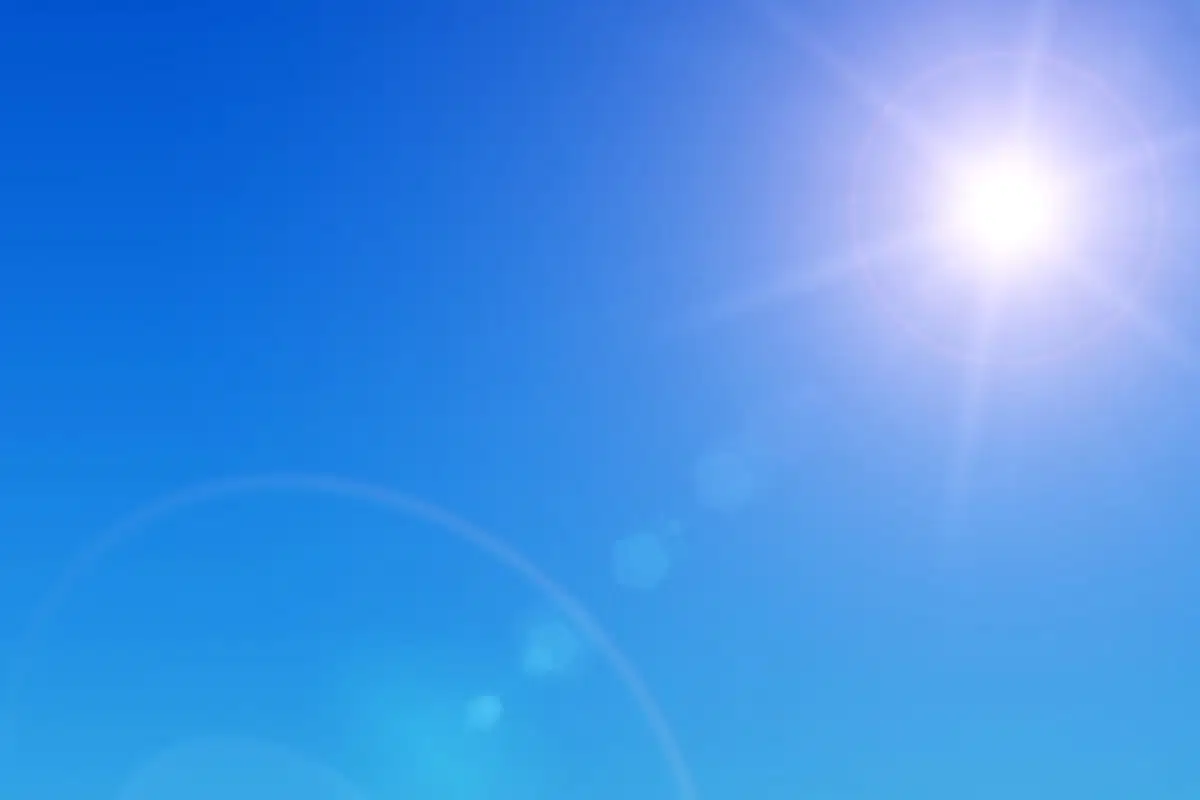
High Pressure
Low Pressure

High Pressure
Low Pressure
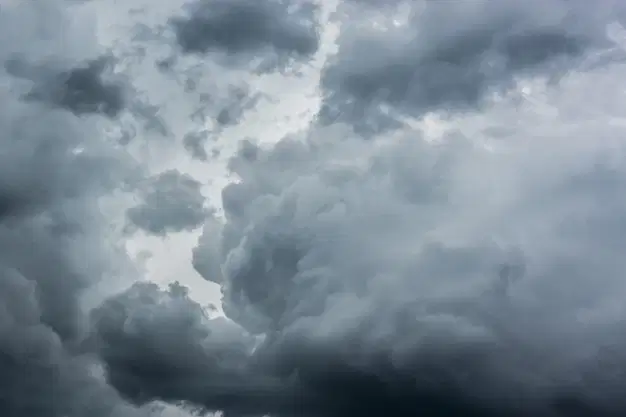
High Pressure System
Low Pressure System
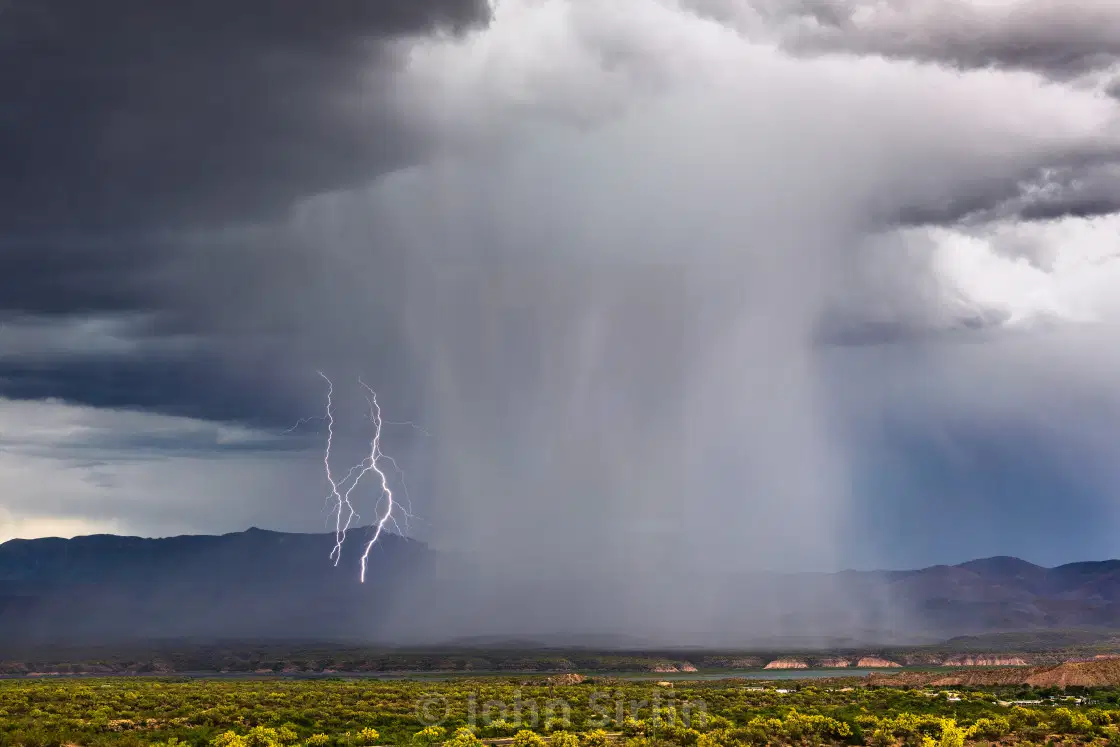
High Pressure System
Low Pressure System

High Pressure System
Low Pressure System

High Pressure System
Low Pressure System
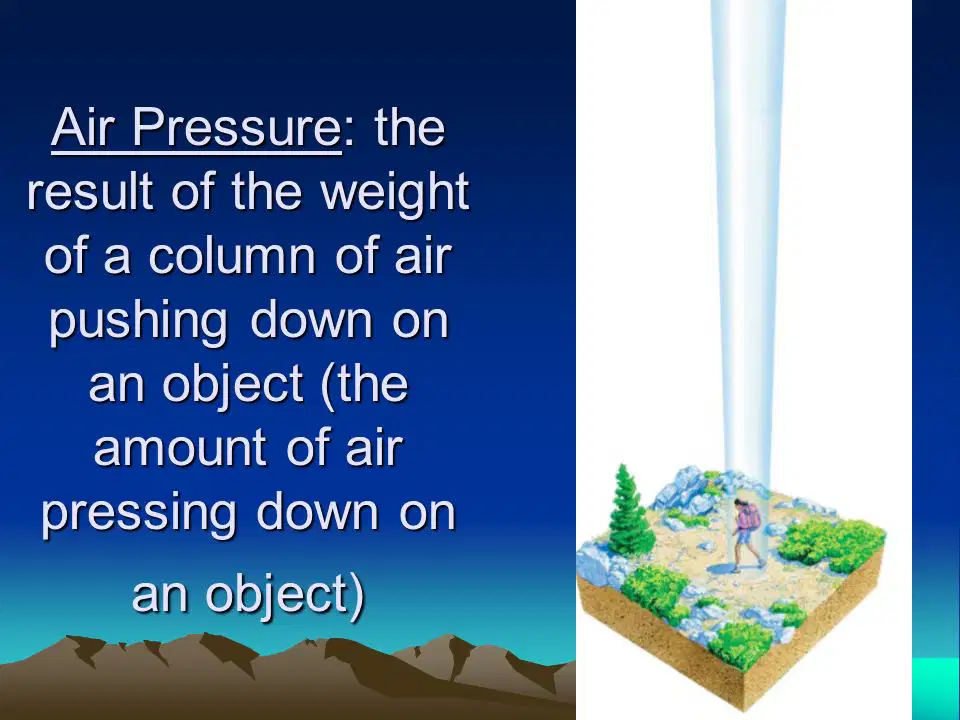
air pressure
density
volume
none of the above
everywhere
no where
there is no pressure
downward

Which is MORE dense?
Sponge
Brick

Does this picture show high or low density?
High density
Low density

Does this picture show high or low density?
High density
Low density
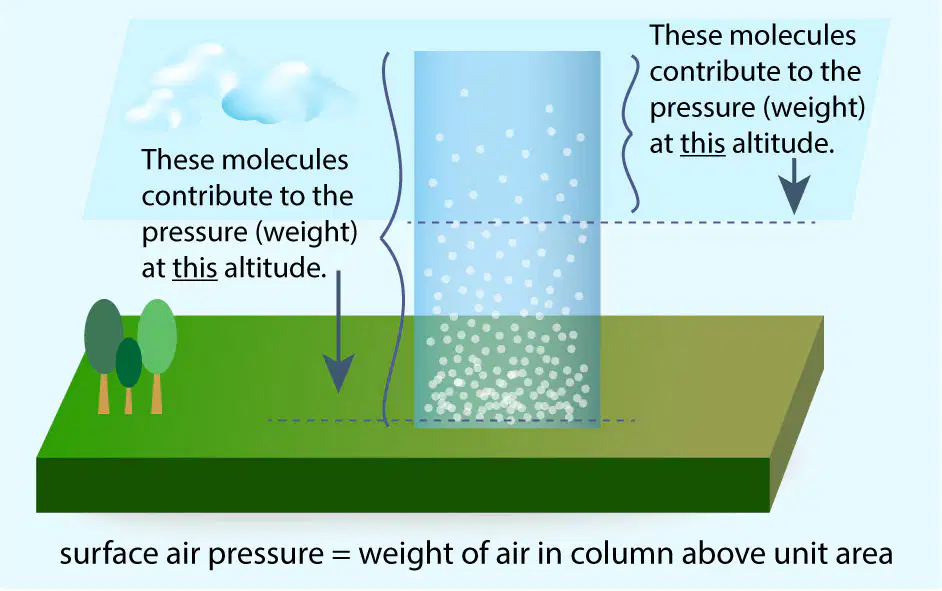
The air molecules are farther apart.
The air molecules are closer together.
Air molecules collide.
Air molecules are tightly packed.
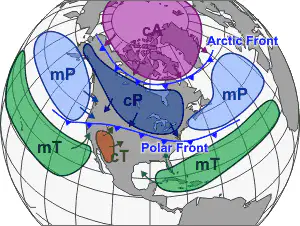
Large pockets of air that may cover ten thousand or more square miles
temperature
wind
water
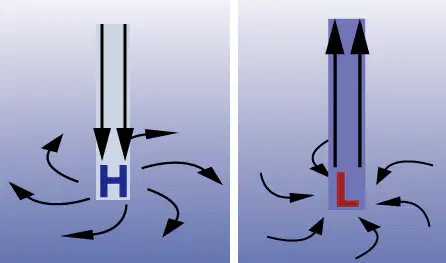
Do LOW air pressure systems SINK or RISE in the atmosphere?
Sink
Rise
Does high air pressure systems SINK or RISE in the atmosphere?
Sink
Rise
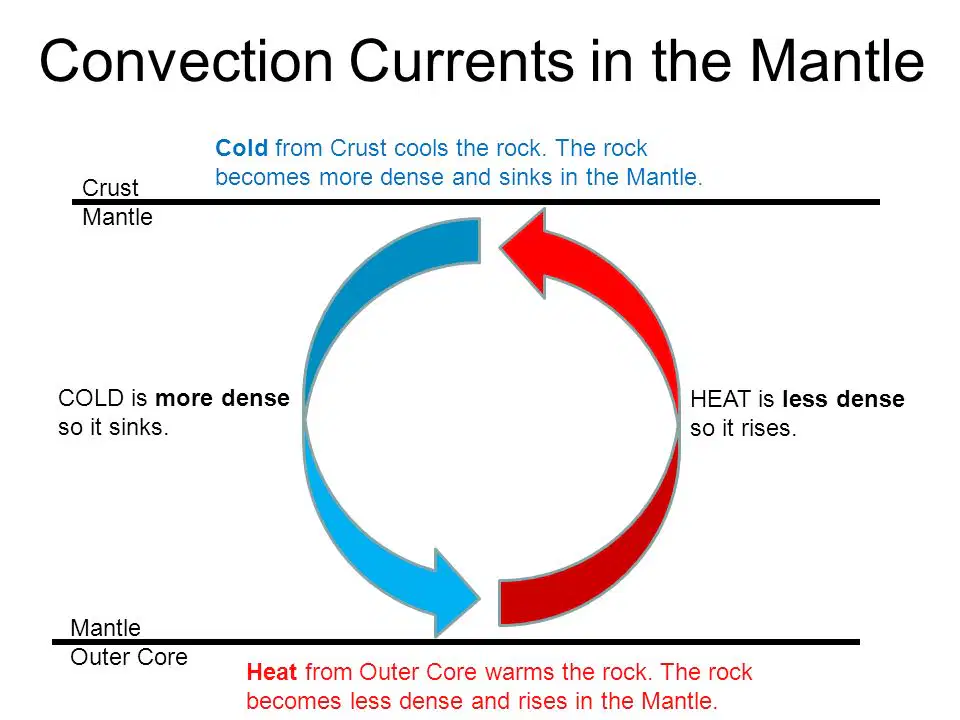
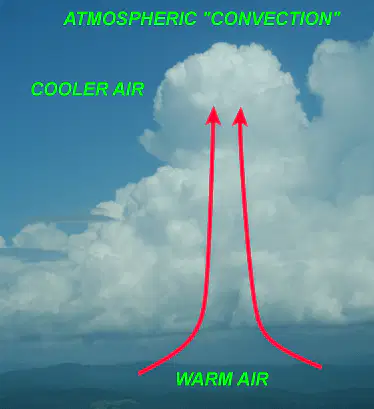
warm air is more dense than humid air
warm and cold air have the same density
cold air is less dense than warm air
cold air is more dense than warm air



