
 Worksheets
Interior Design Styles
Total questions: 15
Worksheet time: 8mins
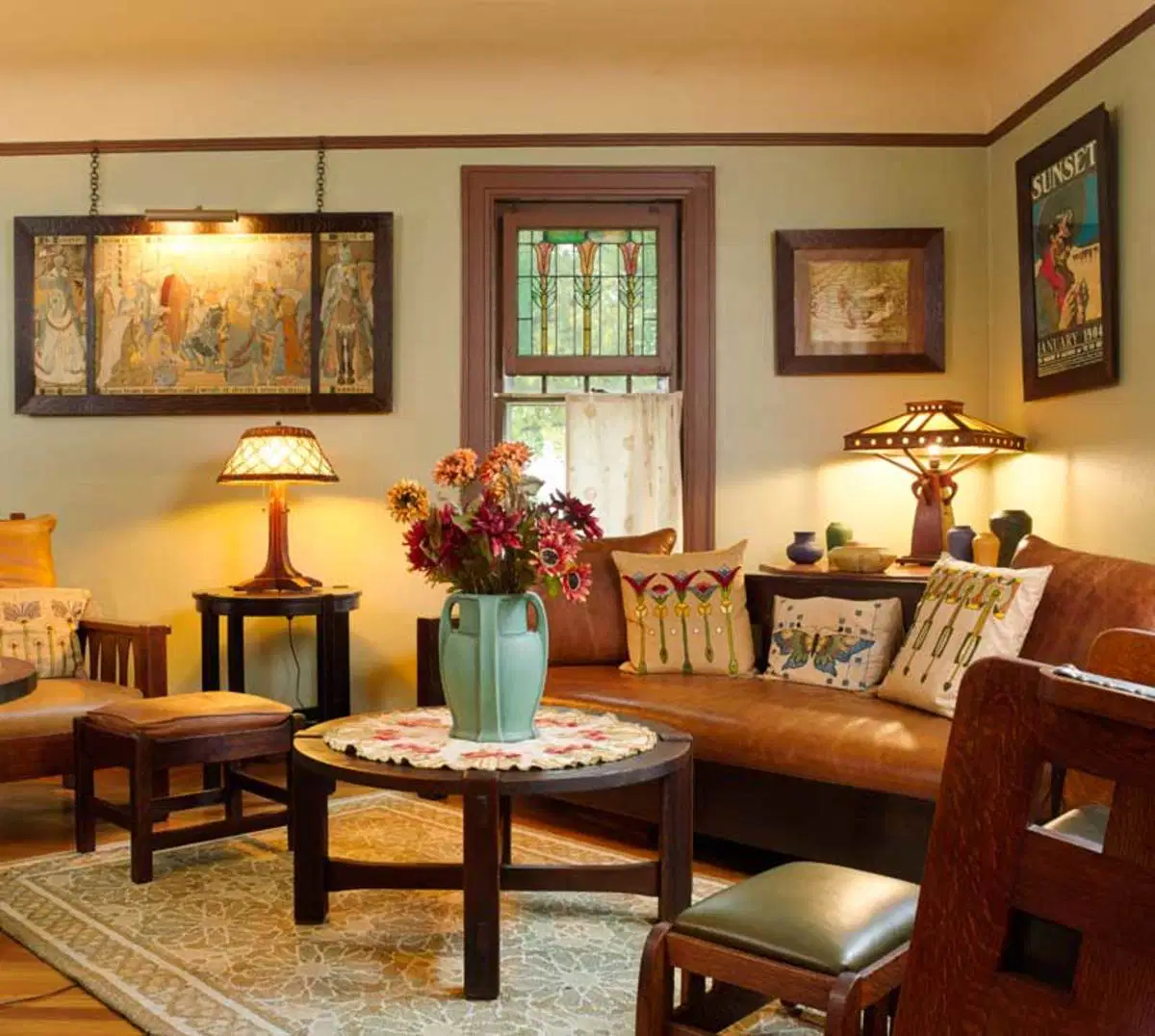
This interior design style took off around the turn of the 20th century. It rejected the factory-produced furnishings and decorative accents that prevailed at the time, embracing instead natural beauty and traditional craftsmanship. Key characteristics include rich wood tones, warm colors from nature, upholstery, art glass windows, leather and wood furnishings, natural flooring, Tiffany lighting, and warm metals.
Arts and Crafts
Traditional
Eclectic
Moroccan
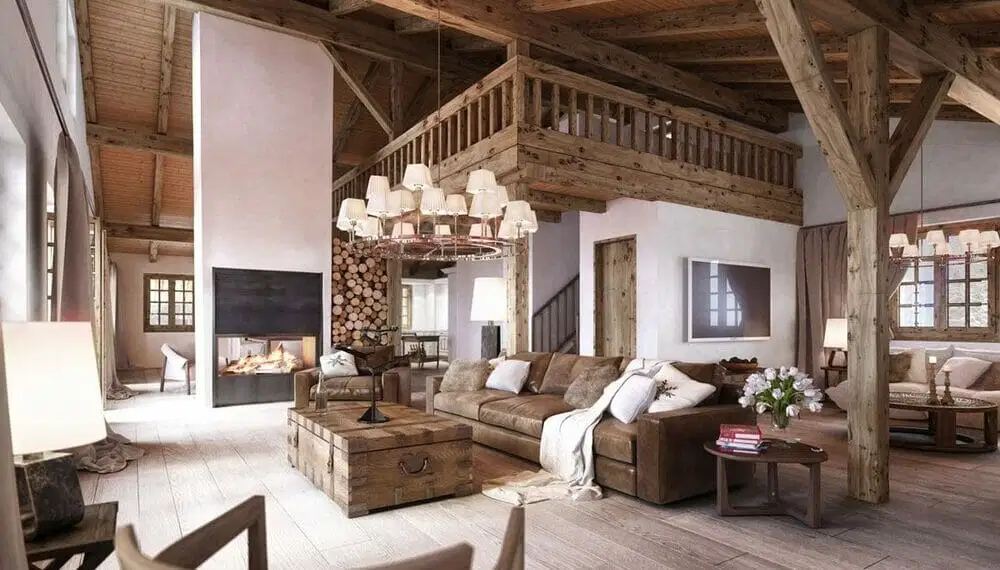
In this interior design style, there is often a focus on natural materials, handmade furniture and décor, and items with a distinctly organic form. It should feel welcoming and easy, with a color palette that's calming and traditional. Key characteristics include muted, neutral tones, wood grains, rugged lines and shapes, animal hides and fur, iron finishes, and a warm aesthetic.
Rustic
Mid-Century Modern
Victorian
Shabby Chic
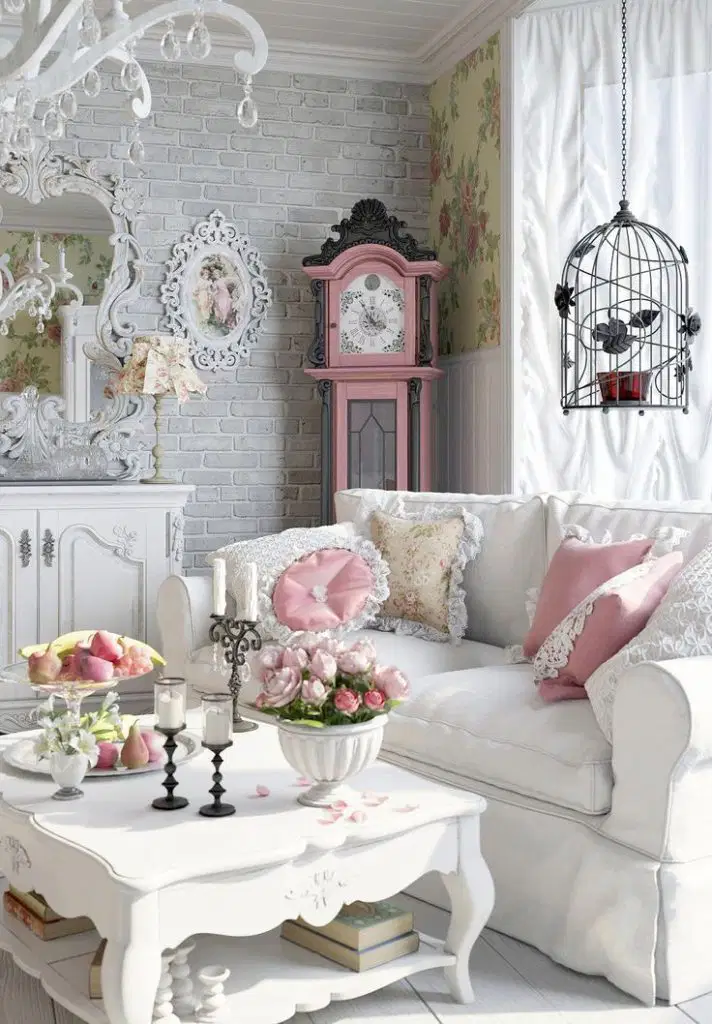
This interior design style is defined by its vintage, romantic or relaxed appearance. Key characteristics include chalk paint, distressed furniture, muted tones and whites, and ruffles. Loose, casual textiles, natural finishes and textures, and a weathered look are common for this style.
Scandinavian
Mid-Century Modern
Industrial
Shabby Chic
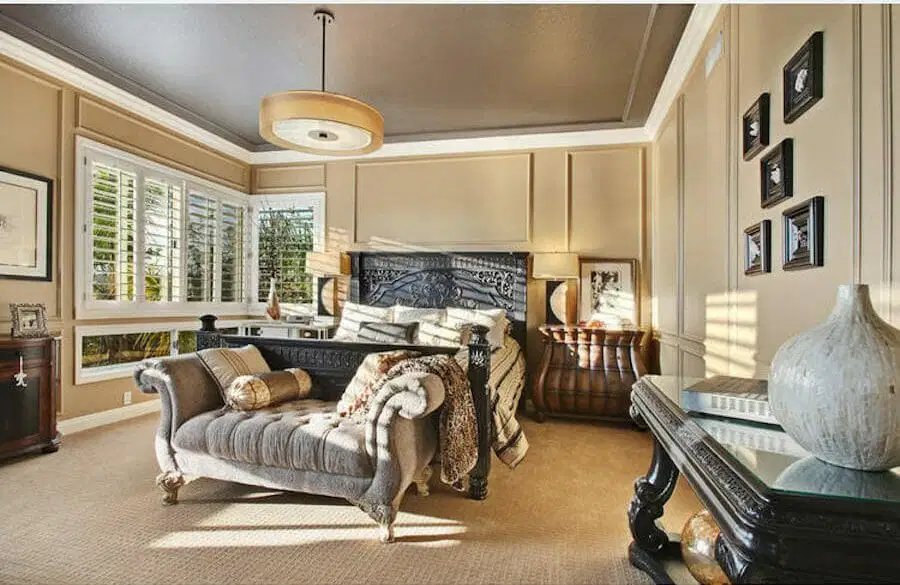
This is a popular style of décor that is based largely on 18th- and 19th-century European styles and conventional notions of what a home looks like. Key features include wood elements, warm tones, classic art, antique furniture, symmetry, upholstered furniture, and ornate fireplaces.
Traditional
Bohemian
Rustic
Transitional
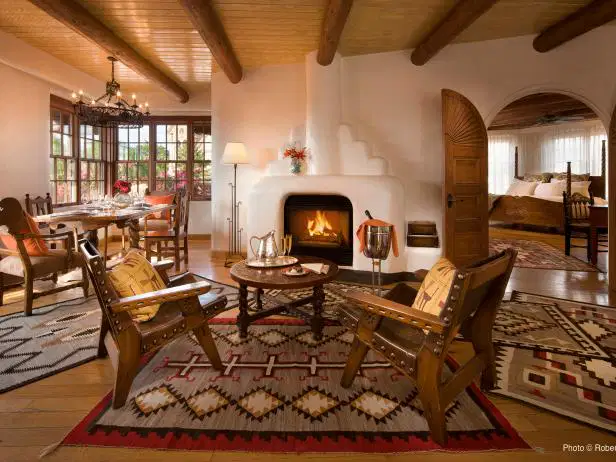
This interior design style gathers its inspiration from the desert palette, Spanish textiles, adobe houses, ironwork, and nature. Leather, suede, and loads of texture in shades of rust, terra-cotta, cactus green, and bulky furnishings fill the space.
Southwestern
Scandinavian
Industrial
Mid-Century Modern

This style is a free-spirited aesthetic that mixes different cultures and artistic expressions into an eclectic style with an emphasis on organic elements and nature. Bright colors and geometric patterns are paired for a maximal look. Lush plants are incorporated into the design. Woven textures in particular, like rattan and wicker, create the cozy depth that defines this style.
Bohemian
Scandinavian
Victorian
Asian Inspired
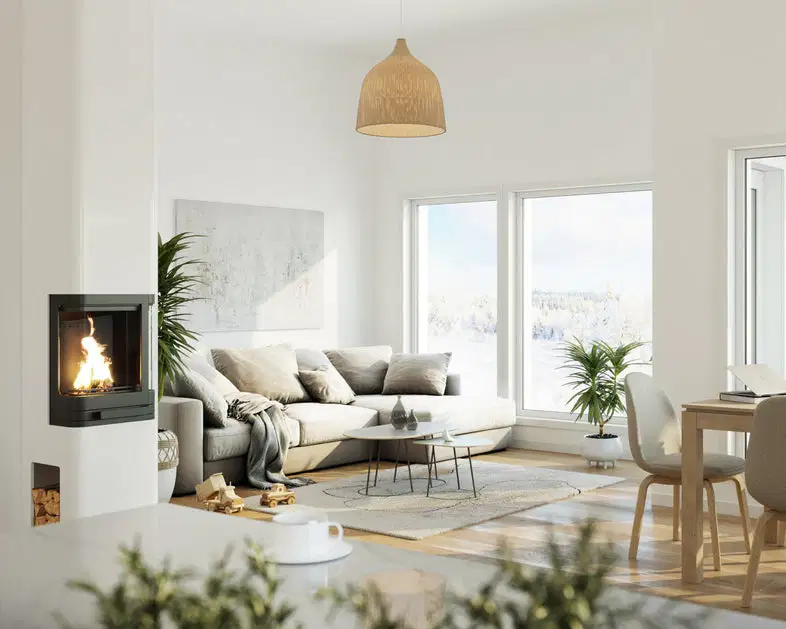
This interior design style is a minimal and clutter-free style that emphasizes airy spaces, natural light, muted colors, warm woods, and clean lines. The walls are almost always painted white. It pares back unnecessary clutter to focus on form, function, and simplistic beauty in home decor. With a heavy focus on functionality, this design style leans toward modernism and minimalism, while incorporating coziness.
Scandinavian
Industrial
Asian Inspired
Arts and Crafts

This interior design style evokes a clean, serene atmosphere by relying on soothing, neutral hues: think taupes, tans, and vanillas paired with dark brown for depth. These interiors are a blend of traditional and modern. It combines curves with straight lines, it’s airy and polished, and it’s textured but not cluttered. Symmetry, clean lines, and polished finishes complete the space.
Transitional
Coastal
Moroccan
Scandinavian

This interior design style includes bright colors, bold leaf or flower patterns, and full of plants. Accessories are often botanical paintings, fun animal and bird pictures, and eclectic pieces. Natural textures like wood floors and rattan furniture help the room feel like a permanent vacation.
Coastal
Tropical
Transitional
Shabby Chic
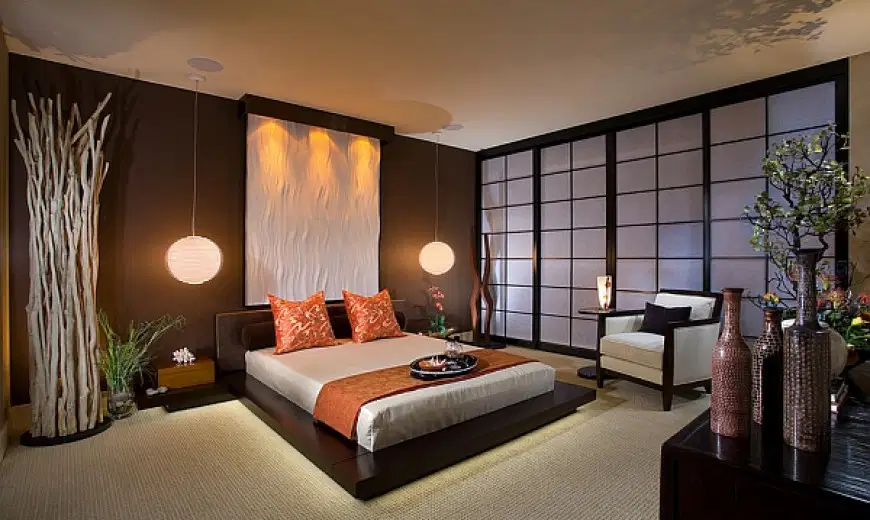
This interior design is a style that focuses on emphasizing a sense of harmony, balance, tranquility, and simplicity in your home. Color schemes are often neutral palettes with accents of colors from nature (blues, greens, yellows). Natural elements like linen fabric, bamboo, and water features contribute to the serene feeling. The space is minimal and full of natural light.
Asian Inspired
Industrial
Rustic
Mid-Century Modern
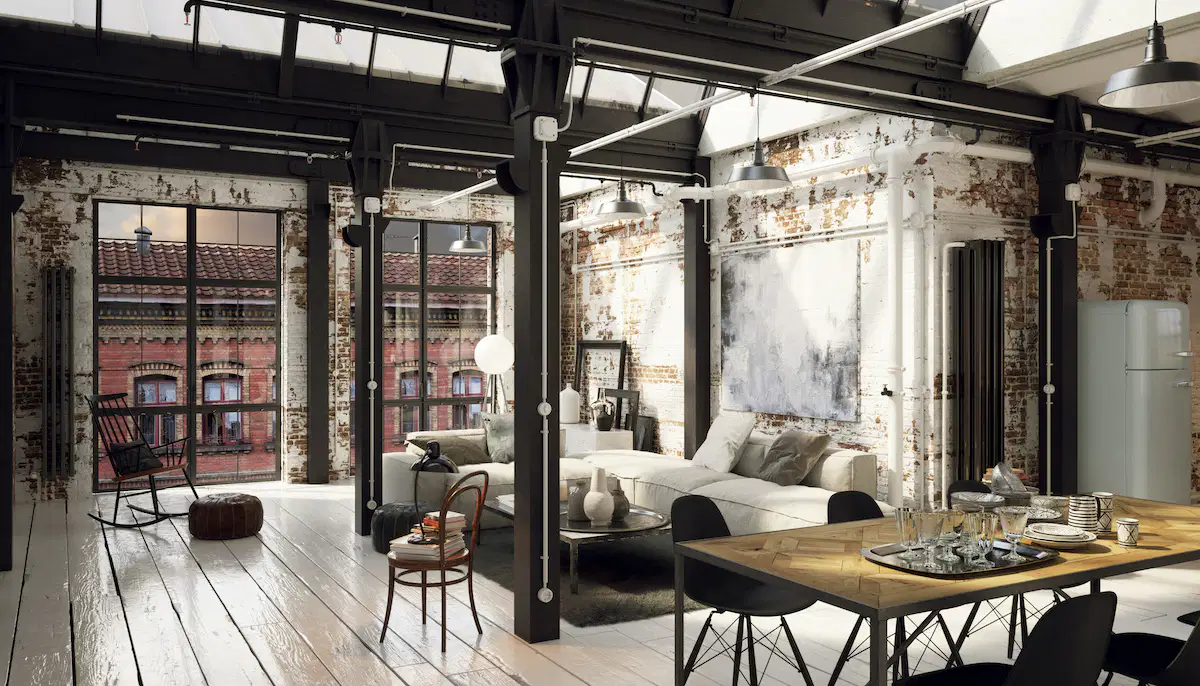
Key characteristics of this design style include exposed pipes and beams, wood and metal surfaces, and vintage furniture. It’s about proudly displaying the building materials that many try to conceal, resulting in a "warehouse" look. Often seen in loft apartments and modern homes.
Industrial
Victorian
Coastal
Scandinavian

This interior design style incorporates bold colors, such as fuchsia, royal blue, deep purple, and vibrant red, with the soothing neutral colors of the desert, such as sand, taupe, beige, and shades of white. This design style draws much of its inspiration from the Moorish design of the East and often includes brightly patterned ceramic or mosaic tiles on furniture pieces.
Moroccan
Asian Inspired
Scandinavian
Traditional

This interior design style emphasizes lighter tones in shades of blue, green, beige, and white to communicate a relaxed feel. It also embraces natural textures like rope, driftwood, or wicker with casual furnishings slipcovered in neutral layers to create a cozy interior while welcoming sisal rugs, sea glass details, and gauzy linen drapery.
Coastal
Victorian
Tropical
Bohemian

Elements of this interior design style include clean lines, muted tones, a combination of natural and manmade materials, graphic shapes, vibrant colors, and integrating indoor and outdoor motifs. It was popularized during the 1940s.
Mid-Century Modern
Bohemian
Traditional
Transitional
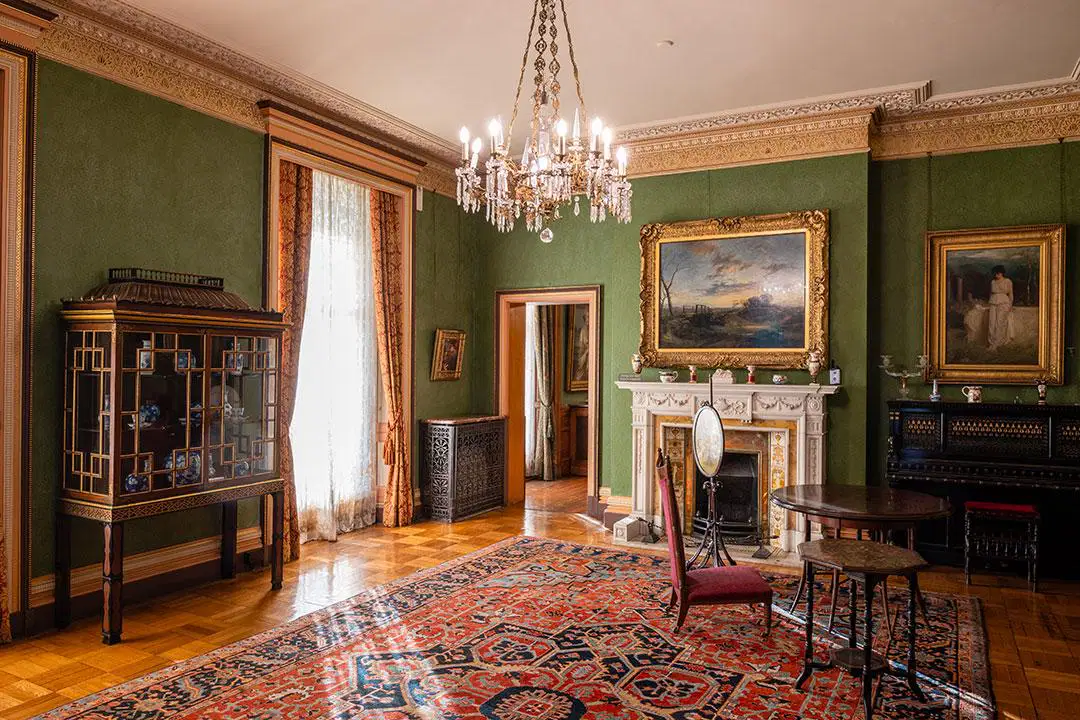
This interior design style is opulent, ornamental, and highly decorative. Present in the United Kingdom in the mid- to late-1800s, it was meant to signify the status and wealth of the household. These rooms contain opulent furnishings, tapestries, patterned wallpaper, rich colors, flowers, and sentimental pictures and drawings.
Victorian
Moroccan
Shabby Chic
Southwestern

