
 Worksheets
Topic 5: Japan Quizizz Review Game
Total questions: 23
Worksheet time: 18mins

(a) is the name for a "supreme military leader" during Japanese feudal age.

(a) is the name of the samurai code of conduct that means "the way of the warrior."

Highly trained warriors or "those who serve," are called (a) .
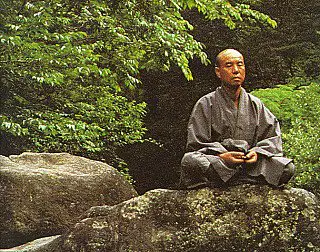
(a) teaches that people can gain enlightenment through intense meditation.
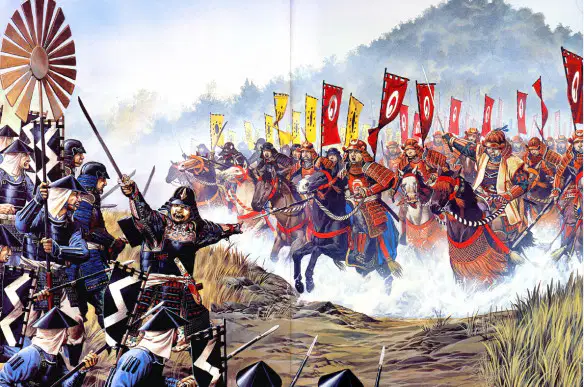
A social system that created a military hierarchy that rewarded people with land for military service is called (a) .
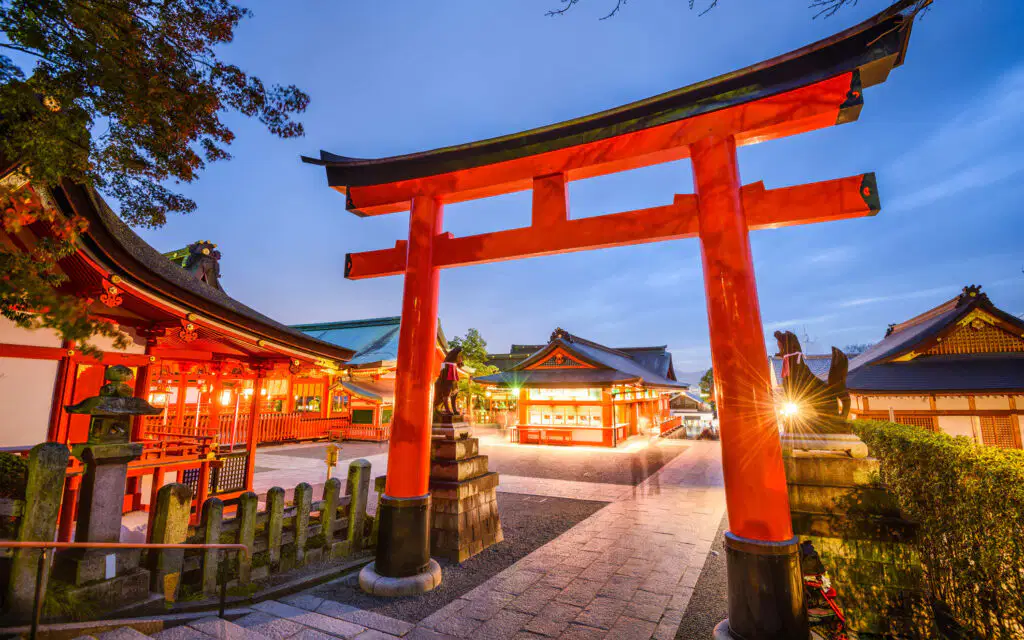
(a) , the traditional Japanese religion, means "the way of the gods."

What's the significance of the Heian period in Japanese history?
It was the time period when the leader of the Yamato clan was recognized as the emperor.
It's considered the Golden Age of Japanese culture.
It was the time period of Japanese feudalism when the emperor was just a figurehead and the shogun had the power.
It was the time period when kabuki became really popular.

(a) is the idea that spirits from nature, ancestors, and important people can be represented by a holy beings or shrines.

Japan is made up of four main islands. What is the name of the largest island?
Kyushu
Shikoku
Honshu
Hokkaido
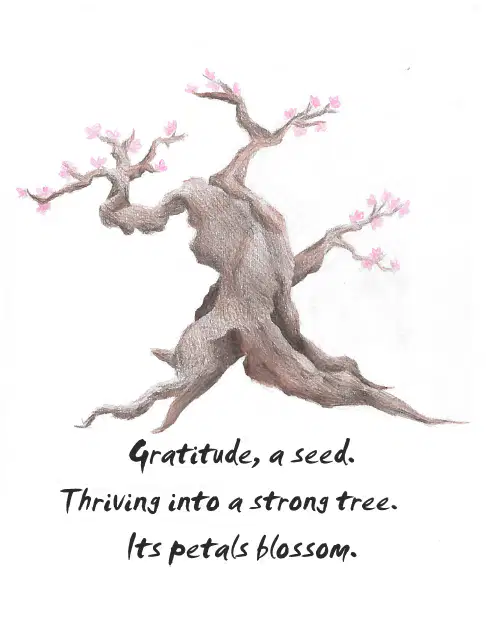
A japanese poem that use syllable patterns.
(a)
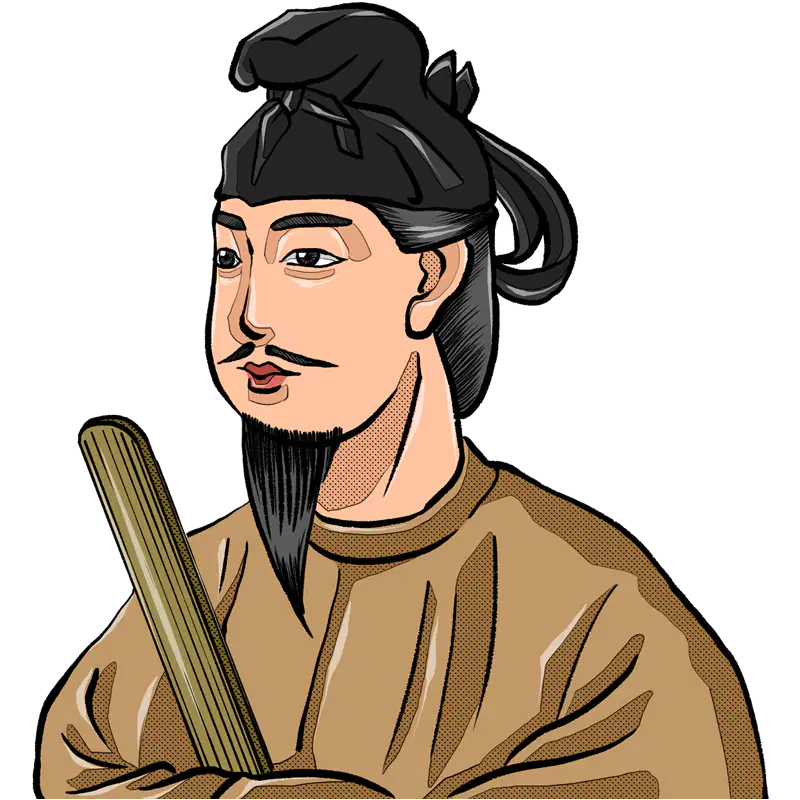
(a) attempted to unify the Japanese clans by creating a moral code called the Constitution of Articles which was based on Confucian and Buddhism thought.
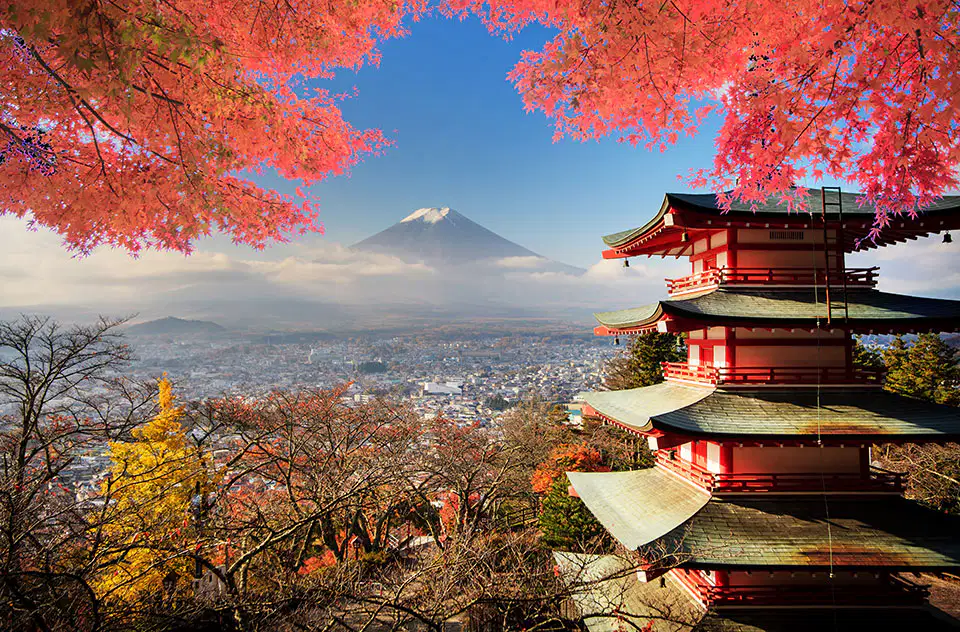
Which clan was able to rule Japan for 300 years by reducing the power of emperor and making him a symbolic leader?
Yamato
Fujiwara
Taira
Minamoto

Which of the following describes the differences between a Noh drama and Kabuki drama?
Noh drama appealed to the common folk and used bare stages while a Kabuki drama appealed to the upper class and had stunning sets and costumes.
Noh drama appealed to the upper classes and used bare stages while a Kabuki drama appealed to the common folk and had stunning sets and costumes.
Noh drama was meant to excite the senses while a Kabuki drama was meant to be serious and intense.
Noh drama did not use masks while Kabuki did.
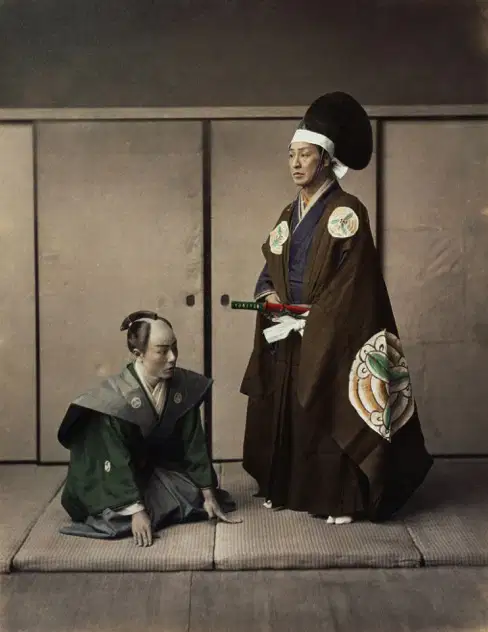
What is the name for wealthy landowning lords who promise protection if the people worked their land?
(a)
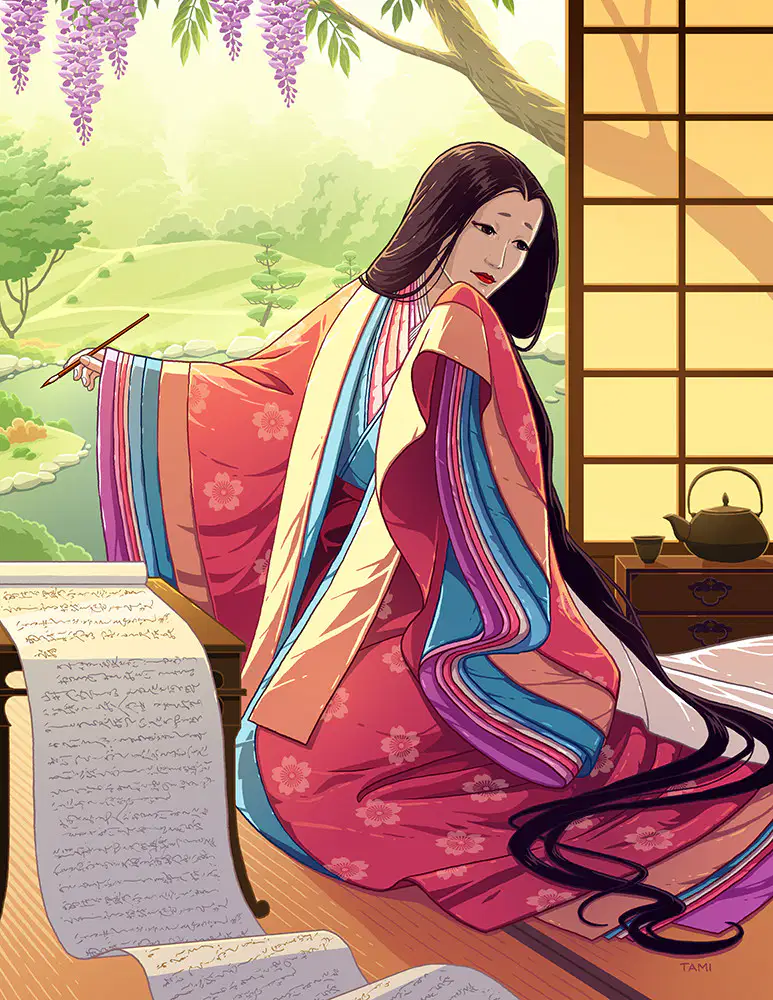
Wrote the world's first novel, "The Tale of Genji," which shed light on the life of Japanese women in the high court.
(a)
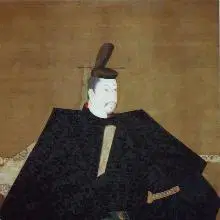
(a) helped overthrow the Fujiwara clan and defied the emperor to become the first shogun of Japan in 1185.
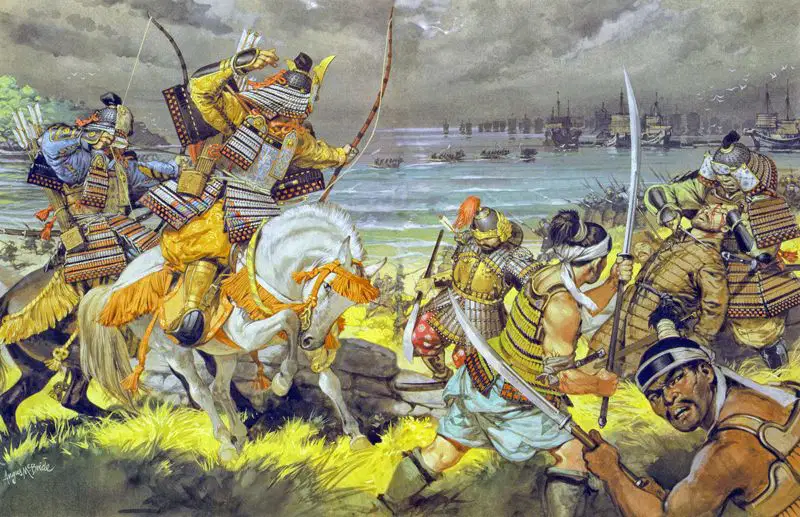
The Mongols attempted to invade Japan several times but were ultimately stopped by which of the following?
The Japanese agreed to pay tribute to stop Mongol invasion.
The Mongols were defeated by the bravery of samurai warriors.
A typhoon destroyed the Mongol invasion fleet.
Mongol and Japanese officials negotiated a peace.
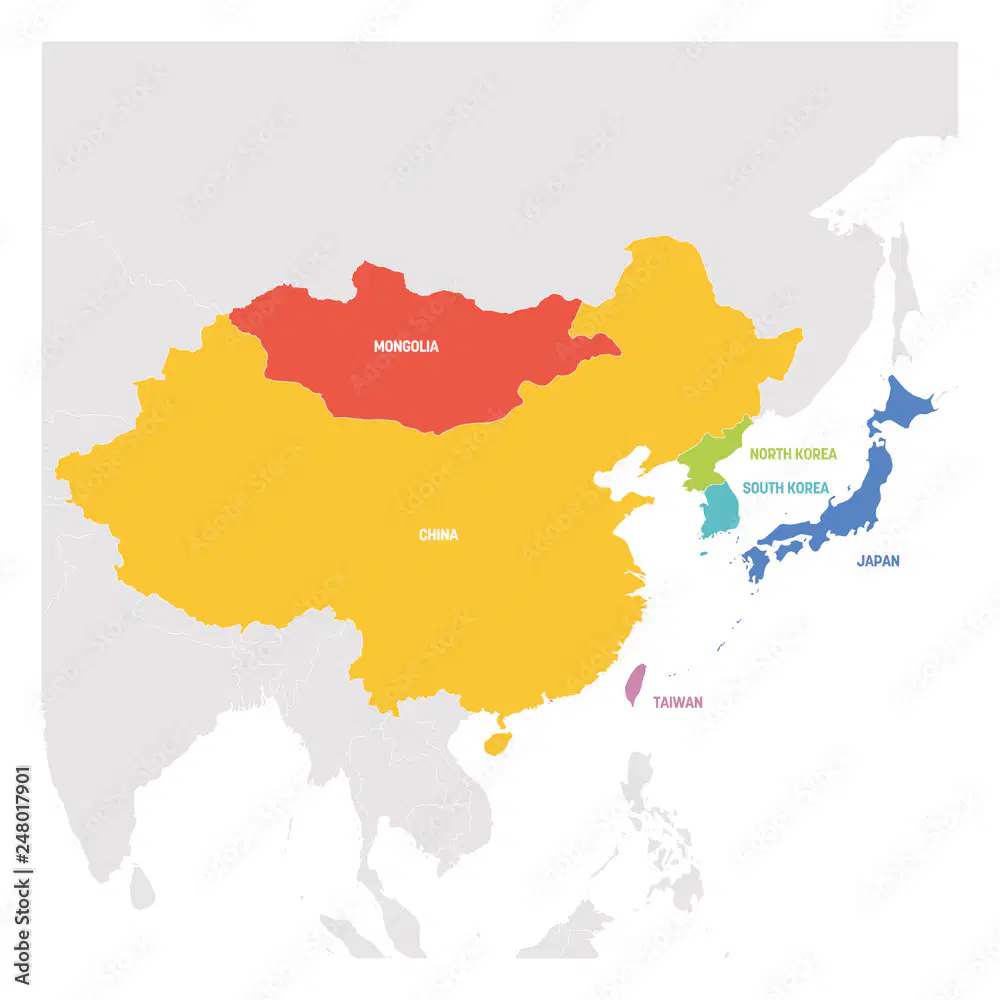
Japan was heavily influenced by its neighbors, China and Korea. Which of the following did Japanese "borrowed" from its neighbors? (Mark all that apply)
Daoism
Buddhism
kana (using characters)
sword design
calendar
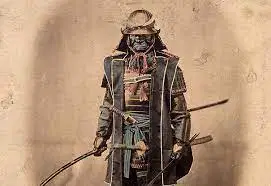
The samurai of Japan were similar to what in medieval Europe?
European lords
European peasants
European kings
European knights
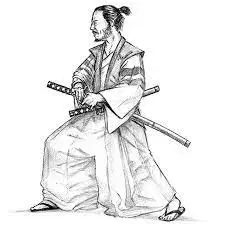
The price for failing to live up to the code of bushido was ritual suicide. Which of the following is the name of this ritual?
kami
kamikaze
seppuku
shibumi
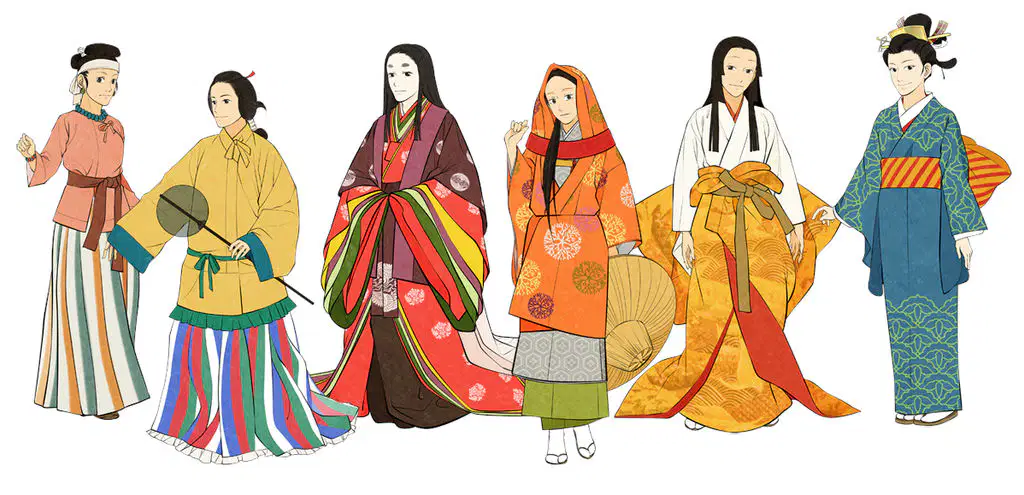
To be considered beautiful during the Heian period a woman would ___________________________________.
blacken her teeth, wear red lipstick, use white face powder, and have short, black hair.
blacken her teeth, wear red eyeshadow, use white face powder, and have long black hair.
whiten her teeth, wear red lipstick, use white face powder, and have long, black hair.
whiten her teeth, wear red eyeshadow, use white face powder, and have short black hair.

Which of the following ideals of bushido guided samurai? Choose Two.
Loyalty to the emperor
Family honor
Loyalty to daimyo
Personal honor
Consensus and harmony

Which of the following made the the leader of the Yamato clan the emperor of Japan?
The Constitution of Seventeen Articles
The Taika Reforms
Prince Shotoku's adoption of Confucian beliefs from China
When Fujiwara leaders became the regents for young emperors

