
 Worksheets
Non Verbal Communication
Total questions: 30
Worksheet time: 30mins
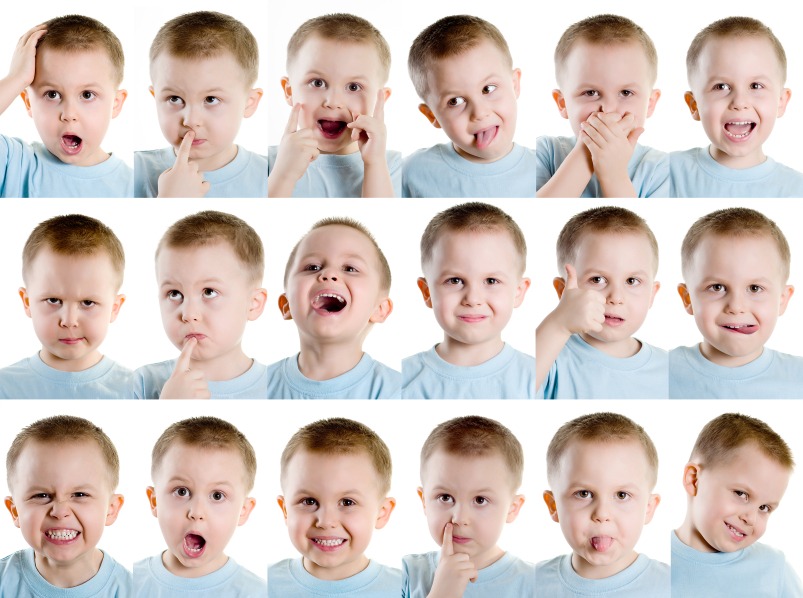
Communication without words is called
Silent speaking
Verbal communication
Nonverbal communication
Interpersonal communication


Using your face to communicate a feeling is called
facial expression
gesture
impression
Why is non verbal communication with patients important?
You can listen, look, move, and react
All of the above
Tell the patient you’re communicating with whether or not you care
It can put patients at ease, build trust, and draw others towards you
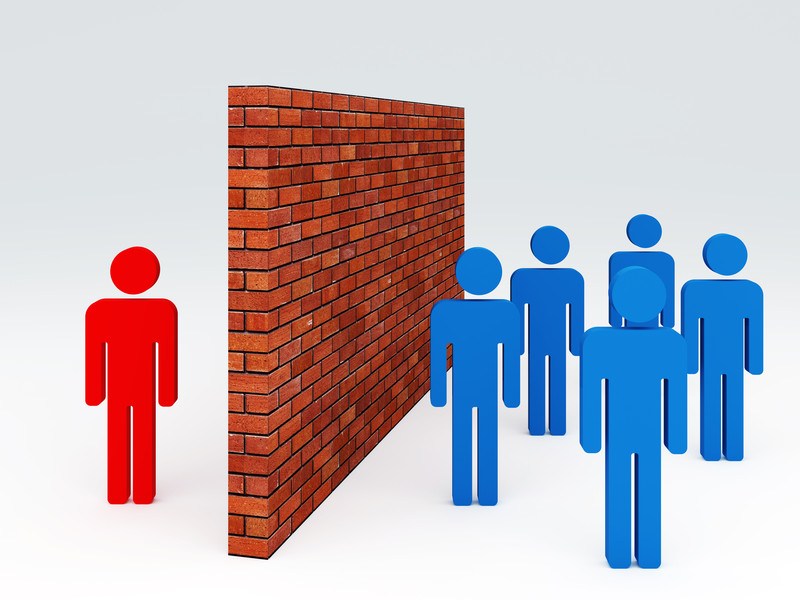
Which of the following is a barrier to communication?
Message is not clear
Not listening
Lack of language skills
All of the above

She is using a hand ____ to say "okay."
facial expression
gesture
posture
Shaking the head vertically means
I do not agree
I am sad
I agree
Eye contact
Thumbs up means
Good job
Try again
Okay
Not good

The image above can mean:
I agree
I do not agree
I don't know
All of the above
Facial Expressions:
smiling, frowning and even blinking
running, jumping, swimming
text, read, send
screaming, crying, laughing
When asked if she was cheating during the test by her teacher, Kim looks down at the floor. What is her body language communicating?
fear
sadness
guilt
concealing something
Juan is drumming his fingers on the table while his mother gives him directions for cleaning the house. This gesture communicates
worried
impatience
contempt
disgust

Chose the best word express this reaction.
Stunned and shocked
Absent-minded
Happy and pleased
Sleepy
Click on the picture below that best shows someone is ANGRY


Click on the picture below that best shows someone is NERVOUS

This person is SAD. How can you tell she is sad?
Laughing
Crying
Biting her nails
Frowning
How can you show a person you are listening to them?
Making eye contact
Slouching in your chair
Walking around the room
Playing on your phone

This person is FRUSTRATED. How can you tell he is frustrated?
Hand pushed against his face
Arms crossed
Eyebrows raised
Grinding his teeth
Someone breathing heavy and fidgeting while you're talking to them might feel:
Upset
Excited
Sad
Anxious

What does this body language indicate?
Shame
Sadness
Confidence
Nervousness

Putting objects in the mouth (such as pens, eyeglasses, fingernails) can be a sign of anxiety.
True
False
What is a rude thing to do when talking with someone?
Show eye contact
Look around the room

What does this person’s body language communicate?
interested
pleased
bored
prepared

What does this person’s body language communicate?
curious
sad
annoyed
interested
If you are clenching your fist you are probably feeling
tired
fascinated
exhausted
angry
Which of the following pictures best portrays the disgust emotion?


Which of these signals suggest the person you are speaking to might not be telling the whole truth?
They make steady eye contact.
They make frequent hand to face touches, including attempts to cover their mouth.
They answer you fairly promptly.

