
 Worksheets
Services & Settlements
Total questions: 15
Worksheet time: 6mins
Which of these is NOT one of the 3 types of services listed in the chapter?
Consumer
Religious
Business
Public
Over the past 50 years in developed countries, as the number of tertiary sector jobs have __ , the number of primary and secondary sector jobs have __.
increased, also increased
remained unchanged, increased
decreased, increased
increased, decreased
The greatest distance people are willing to travel to obtain a service is called the__ of service.
threshold
range
market area
sprawl
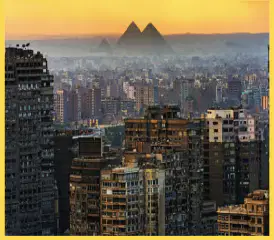
A city with more than 20 million people is considered a __.
megacity
metacity
primate city
megalopolis
Market area is sometimes referred to as __, and is the area that supports a Central Business District and all the services.
primate city area
threshold
hinterland
urban sprawl

Mexico's urban sizes are representative of which rule?
Rank-Size
Primate City
market area
Metropolitan Statistical Area
Which of the following statements regarding range is correct?
The range for all types of services is the same.
People always think of distance in terms of linear measurements rather than time.
People are only willing to travel a short distance for everyday services.
In general, people travel to the best business and distance doesn't matter.
Which of the following definitions refers to a primate city?
The largest city in a country with a population more than twice as large as that of the second- largest city.
The smallest city in a country that is substantially smaller than any other city
A country with a disproportionatly large population of apes and monkeys.
The city in a country that exhibits the fastest growth rate
Geographers see a very close link between services and settlements because ___.
cities are the only places that have access to services.
cities and urban areas have the greatest amount of specialized services
people have shown they are willing to travel great distances for any service
services are only found in primate cities
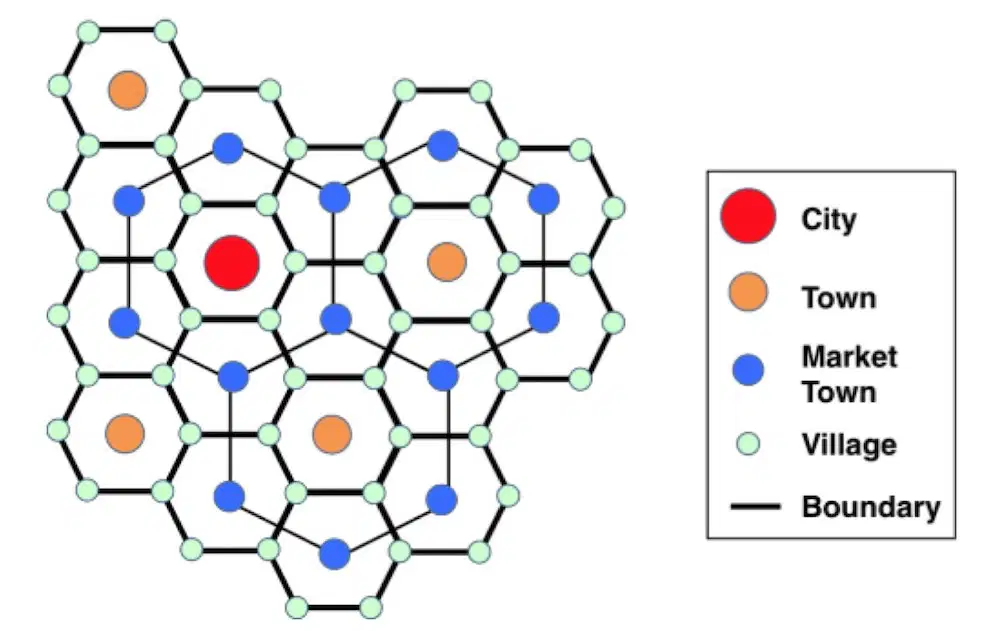
____ helps geographers understand the best location for any service.
Rank-size Rule
Metropolitan Statistical Area
Central Place Theory
Primate City Rule
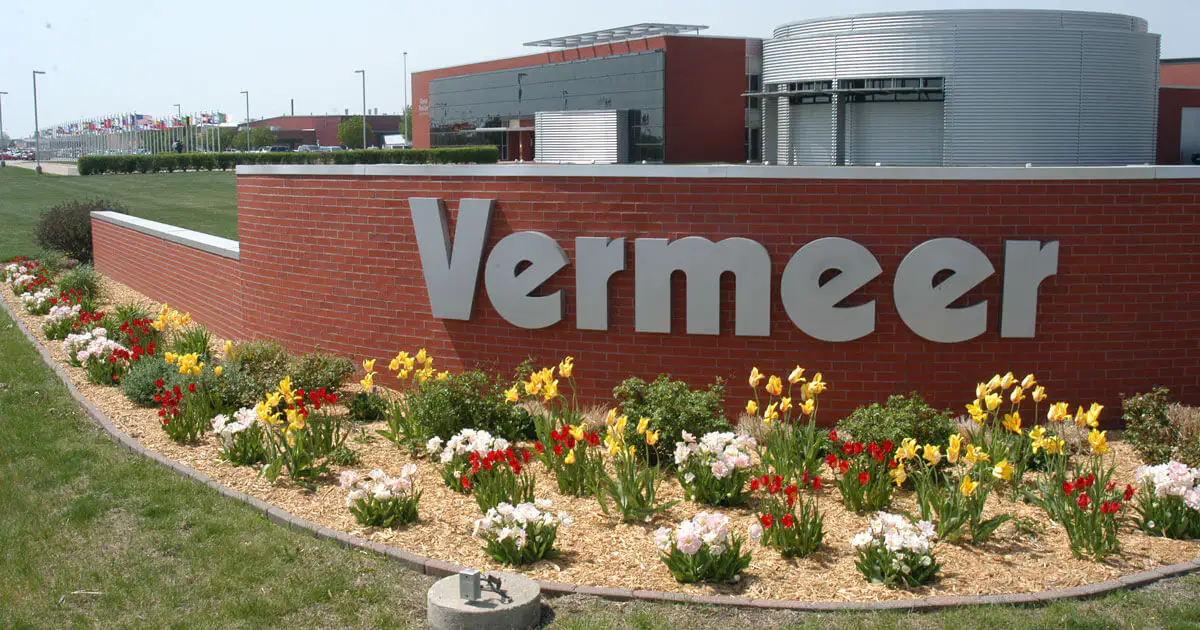
In Pella, Vermeer is an example of a __.
basic business, because it mainly employs and makes products for people out of the community
nonbasic business, because it mainly makes goods for people in Pella
basic business, because it is a business AND consumer service
nonbasic business, because it only services other businesses
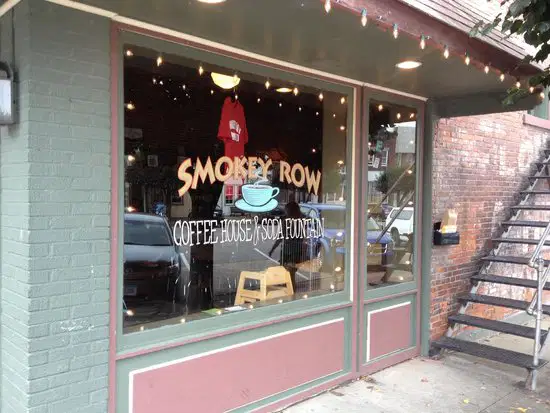
In Pella, Smokey Row would be an example of __.
a nonbasic business, because people are willing to travel a great distance for its products
a basic business, because most of what it makes is intended for people who live somewhere else
a nonbasic business, because it mainly serves people who live in the town
a basic business, because it usually employs people from outside of the community
The main reason that the largest city is not MANY times bigger than the other cities in a developed country is __.
there are no megacities located in developed countries
because suburbs are only found developed countries, so cities don't really grow
because the government sets laws that prevent too much city growth
services are found in big AND small cities in developed countries.
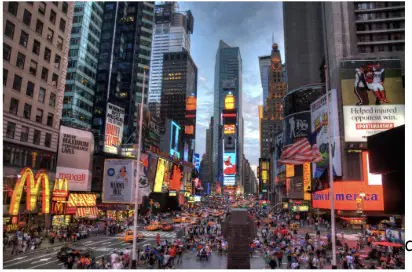
Global (or world) cities are important because __.
they are usually economic, cultural, and political hearths from which ideas diffuse
they are without suburbs
they have the highest threshold of any Central Business Districts
they are the only places with informal settlements
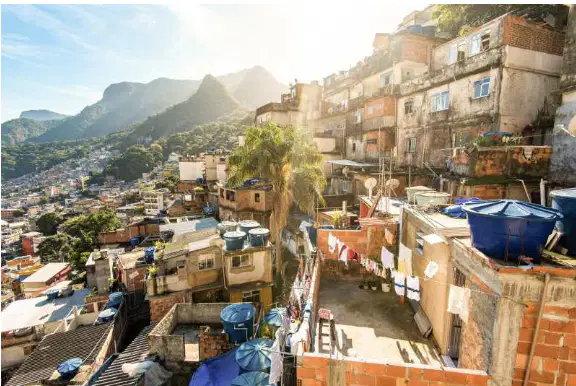
Which of these is NOT true about informal settlements?
they are areas where the Gov't is not involved in regulating services or care for people
they exist in developed countries, but are more common in developing countries
they mean the same thing as suburbs in the developing world
they are called favelas in Brazil, and 1/4 of people in Rio live in them

