
 Worksheets
KS Practice #2 (of 14) Cell Types
Total questions: 9
Worksheet time: 5mins

O2

CO2

ATP (ENERGY)

NaCl
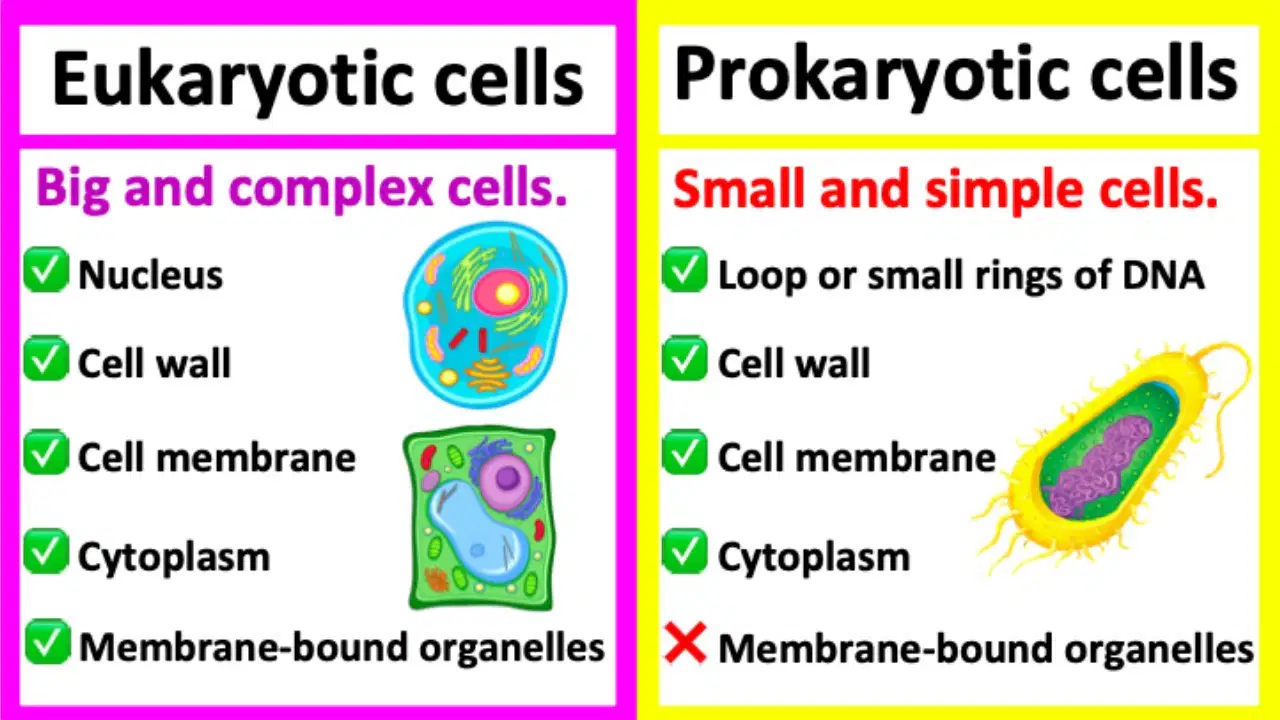
The presence of both DNA and ribosomes in prokaryotic cells indicates that they are more complex than eukaryotic cells.
The larger size of prokaryotic cells indicates that they are more complex than eukaryotic cells.
The larger size of eukaryotic cells indicates that they are more complex than prokaryotic cells.
The presence of membrane-bound organelles in eukaryotic cells indicates that they are more complex than prokaryotic cells.
the ability to reproduce asexually
the ability to make their own food
the need for a source of energy
the need for oxygen for respiration
contain genetic material
make their own food
have organ systems
need oxygen gas to breathe
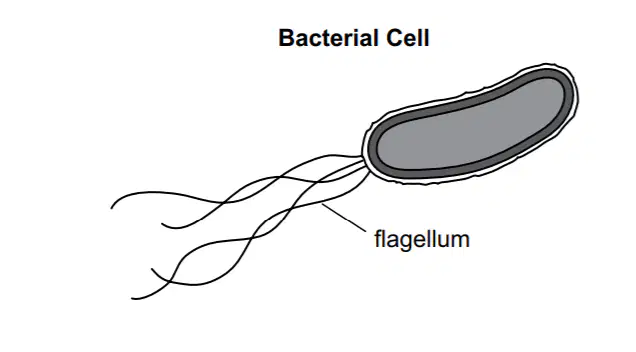
defense against predators
movement through an environment
detection of the location of a light source
measurement of atmospheric temperature changes
They have cell membranes.
They use energy to function.
They can change over time.
They have the ability to reproduce.
They have the ability to achieve movement
They have the ability to use oxygen
They have the ability to obtain and use NaCl
They have the ability to obtain and use chemical energy
Eukaryotic cells are smaller than prokaryotic cells.
Prokaryotic cells are more complex than eukaryotic cells.
Prokaryotic cells contain a distinct central organelle, and eukaryotic cells do not.
Eukaryotic cells contain membrane-bound organelles, and prokaryotic cells do not.
the method that the organism uses to reproduce itself
the physical and chemical responses to environmental changes
the type of organelle used to produce energy for cellular functions
the process used to form proteins by transcription and translation

