
 Worksheets
Group Review for final
Total questions: 142
Worksheet time: 2hrs 36mins
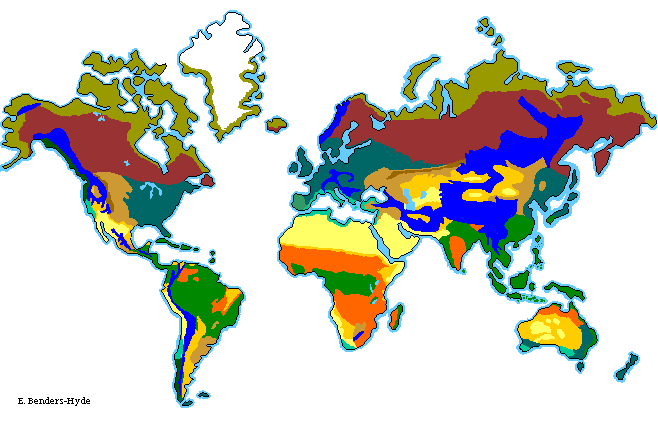
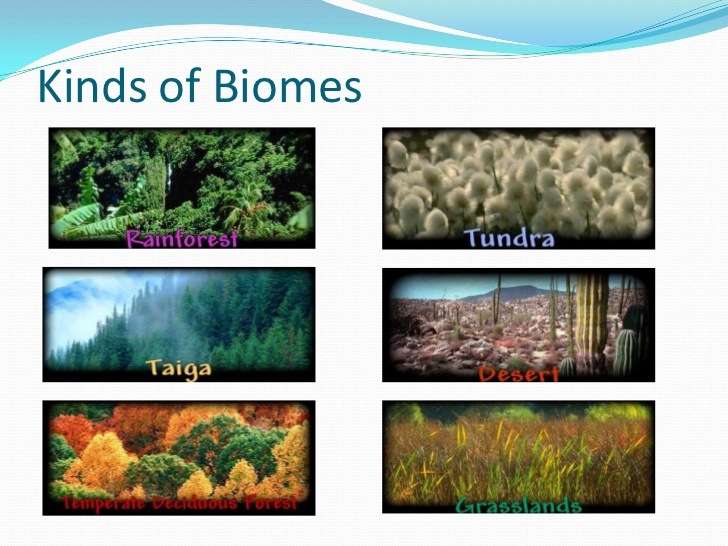
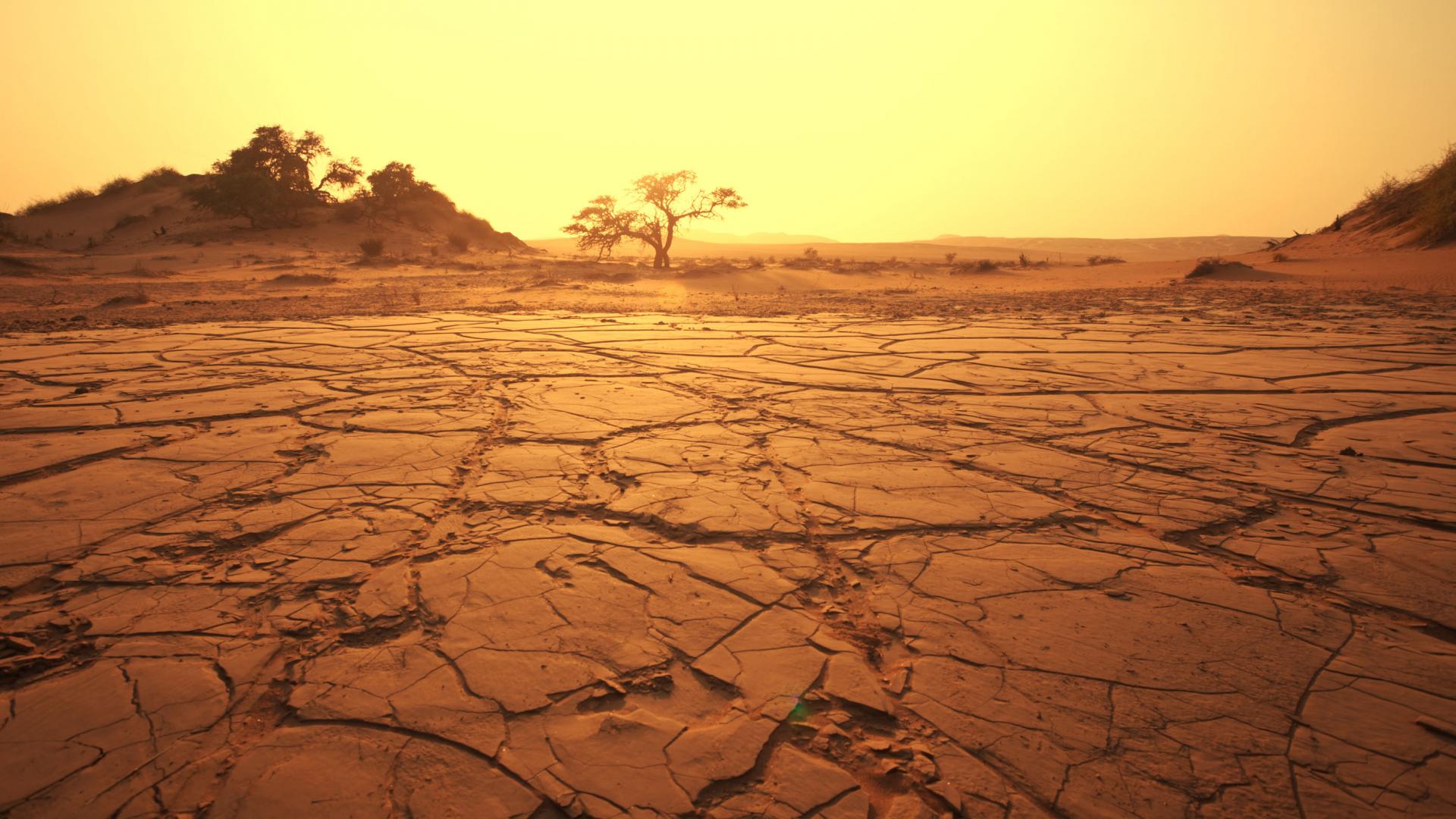
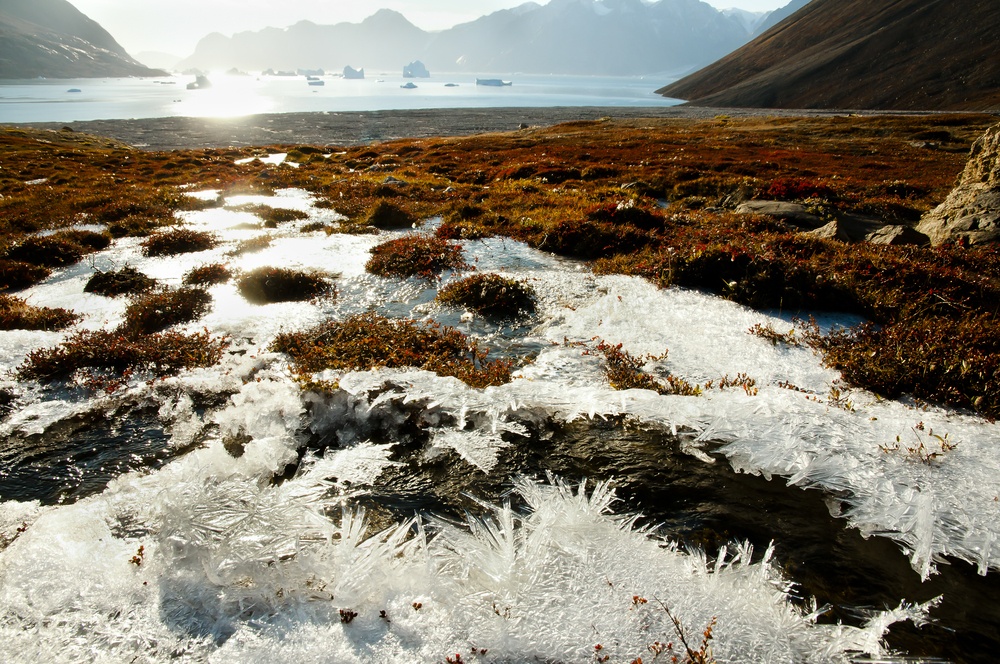
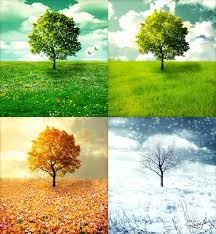
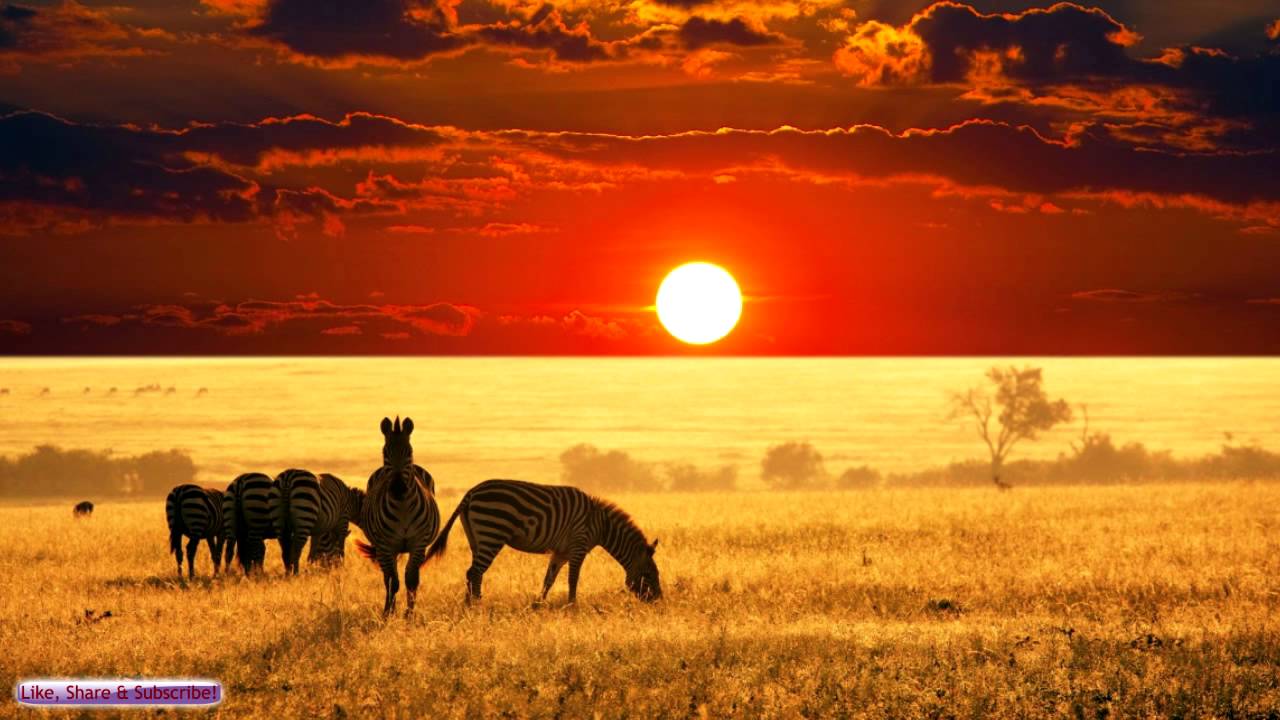
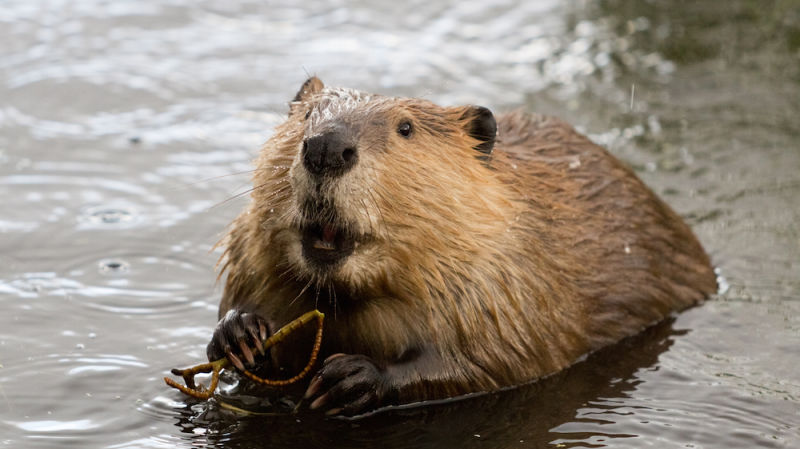
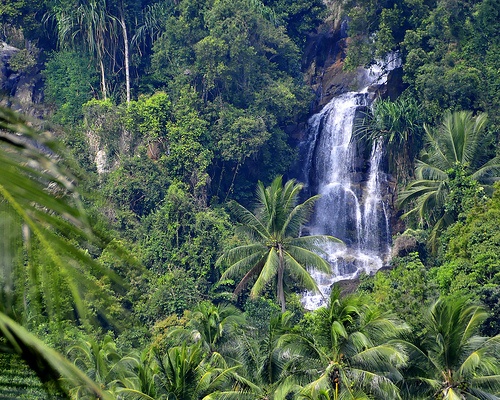

All energy in an ecosystem comes from the sun. This energy is passed through the ecosystem as organisms eat other organsims.
Ominvores
Herbivores
Detritivores
Flow of energy

Animal that gets its energy and nutrition from eating plants.
Parasite
Herbivore
Carnivore
Ominvore

Animal that gets its energy and nutrition from eating meat.
Detritivore
Ominvore
Carnivore
Herbivore

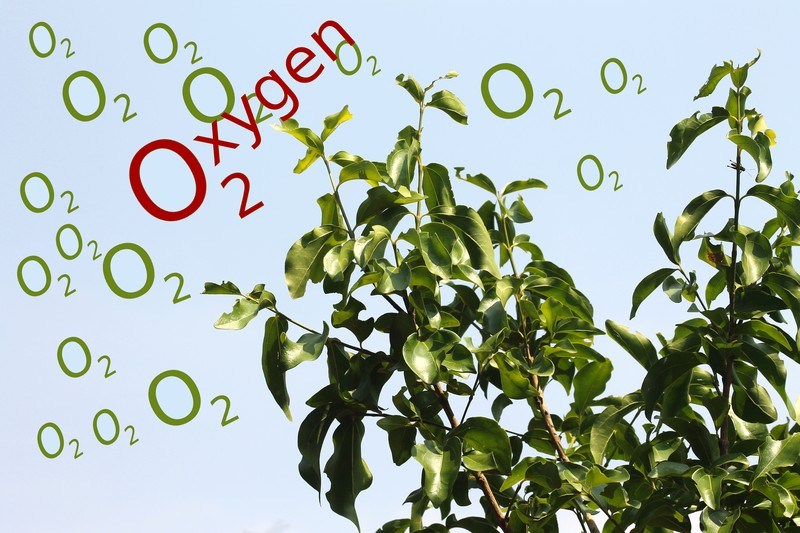
Organisms that produce their own food mostly through photosynthesis (producers). Examples are plants and algae.
Ominvore
Detritivore
Heterotroph
Autotroph

Organisms that get their energy and nutrition from other organisms (consumers).
Heterotroph
Autotroph
Decomposer
Detritivore

Heterotrophs that get energy and nutrition from dead or decaying organisms or their waste products and recycle nutrients back to the ecosystem.
Producer
Trophic
Decomposer
Autotrooph

Heterotrophs that “clean up” the ecosystem by eating dead and decaying organisms.
Autotrophs
Herbivores
Ominvores
Detritivores

The level in an Ecological pyramid that includes all the organisms that share the same place in a food chain.
Trophic Levels
Toxic Levels
KeKe Levels
Environmental Systems

Autotrophs--The bottom trophic level where all organisms produce their own food, usually by photosynthesis.
Trophic Levels
Producers
Ominvores
Herbivores

Herbivores--The second trophic level where herbivores eat the primary producers.
Detritivores
Autotrophs
Producers
Primary Consumers

The third trophic level where the animals eat herbivores.
Abiotic Factor
Biotic Factor
Secondary Consumer
Secondary Producer

The fourth trophic level where animals eat secondary consumers or below.
Herbivore
Autotroph
Tertiary Consumer
Tertiary Producer

Matter is passed up the ecological pyramid in a similar way to energy but recycled by decomposers and detritivores. This Biomass pyramid roughly follows the 10% rule as well.
Flow of energy
Flow of matter
Ecological Hysteria
Producers

Complex trophic relationships in an ecological pyramid.
Food Chain
Food Web
Abiotic Factor
Biome

Parts of an ecosystem that are living or deal with the living. Examples include producers, consumers, decomposers, predation, disease, competition, parasitism, and symbiosis.
Abiotic Factors
Biotic Factors
Community
Population

Parts of an ecosystem that are not living. Examples: water, soil, sunlight, temperature, altitude.
Detritivores
Herbivores
Biotic Factors
Abiotic Factors

The flow of carbon from the atmosphere to plants, to animals to the soil and back into the atmosphere.
Bi-Cycle
Nitrogen Cycle
Carbon Cycle
Abiotic Cycle
Organisms need the following to survive:
food
water
shelter
mates
Many organisms interact with other organisms in their environment. This is known as...
mutualism
symbiosis
interdependence
competition
A close relationship between organisms of different species when at least one of the organisms benefits.
symbiosis
interdependence
competition
biodiversity
One of the possible combinations of symbiosis is both organisms may be harmed.
true
false
One of the possible combinations of symbiosis is one organism may benefit.
true
false
One of the possible combinations of symbiosis is one organism benefits and the other is unaffected.
true
false
One of the possible combinations of symbiosis is one organism may benefit and the other is harmed.
true
false
A relationship between living things that depend on the same resources.
symbiosis
biodiversity
competition
interdependence
The basic unit of structure and function of all living things.
cell
tissue
organ
organ system
Group of cells of the same kind.
cell
organ
tissue
organ system
Structure composed of one or more types of tissues.
organ
cell
tissue
organ system
The tissues of this work together to perform a specific function.
cell
organ system
organ
organism
A group of organs that work together to perform a specific function.
organisms
organ system
tissue
cell
Individua living things that may be made up of one or more organ system.
organisms
population
community
ecosystem
Organisms of the same species that live in the same area make up this.
species
population
community
ecosystem
All of the populations that live in the same area make up this.
community
population
ecosystem
biodiversity
This consists of all the living things in a given area, together with the nonliving environment.
ecosystem
population
community
biosphere
What is the name for living factors in the environment?
biotic
abiotic
biome
biosphere
What is the name for nonliving factors in the environment?
(a)
Water is an abiotic factor.
false
true
Other species are an abiotic factor.
false
true
Sunlight is an abiotic factor.
true
false
Plant growth is an abiotic factor.
false
true
Soil is an abiotic factor.
true
false
A group of similar ecosystems with the same general type of physical environment.
biome
biosphere
biodiversity
population
The part of Earth where all life exists.
biodiversity
biosphere
community
biotic factor
Term for all the land, water, and air where living things can be found.
(a)
A measure of this, for Earth, is the number of different species of different organisms that live on Earth.
biodiversity
population
community
biosphere
Which is a biotic factor?
soil
air
bacteria
water
As a population of a species increases within a territory, which of the following most likely also increases?
Immigration
Food supply
Carrying capacity
Competition
Which of the following populations is most likely to go extinct?
a very small population in an unstable environment
a moderate-sized population of r strategists
a large population with lots of genetic variability
all would be equally likely to go extinct
Which of the following represent abiotic factors that affect an environment?
Fish, trees, and bacteria
Alligators, ferns, and snakes
Temperature, wind, and soil type
Birds, mushrooms, and insects

The number of deaths in a given period of time.
birth rate
death rate
life expectancy

The number of births occurring in a given period of time.
birth rate
death rate
life expectancy
What causes competition to occur in an environment?
Good conditions make resources plentiful.
Organisms struggle for a limited resource.
Members of a population have different roles.
A population falls below the environment’s carrying capacity.
Without other changes to a population, which of the following will cause a population to increase in size?
The birth rate equals the death rate.
The birth rate is less than the death rate.
The birth rate is greater than the death rate.
The birth rate and the death rate both equal 0.
Which of the following is an example of an abiotic limiting factor on population size?
water availability
Availability of food
disease
predation

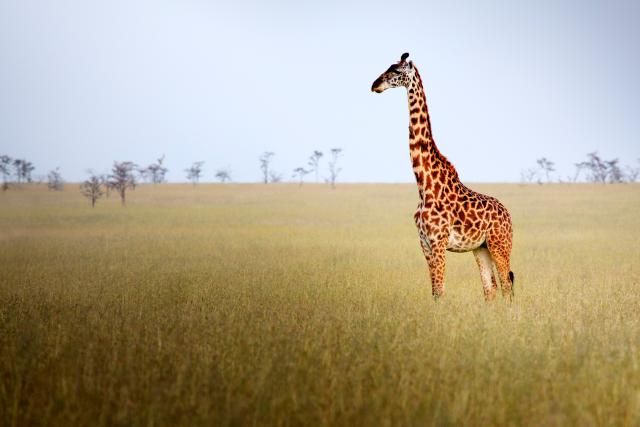
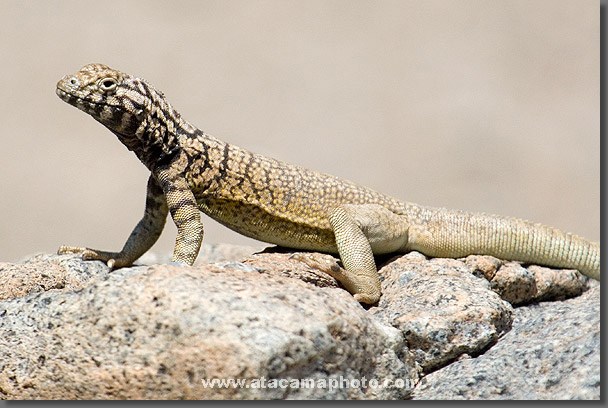
If the populations of grasshoppers would decrease, what affect would that have on the population of lizards?
Increase
Stay the same
Decrease
Unable to determine
Owls and snakes eat mice and other organisms. What would happen to the mice population if the owl population decreased?
The population would decrease, as the loss of owls as part of their diet is a limiting factor.
The population would decrease, as shelters created by owl nests is a limiting factor.
The population would increase, as competition for food is a limiting factor.
The population would increase, as predation by owls is a limiting factor.
- Use sun's energy to make their own food
- Plants (grass)


When a population of organisms increase very quickly in a short period of time.
population explosion
emigration
What could cause a population to increase?
births and immigration
deaths and emigration
births and emigration
deaths and immigration
The carrying capacity of an ecosystem depends on....
the amount of resources available
the color of the ecosystem
What caused the population explosion of deer in Wolf island?
the wolves left
the producers increased
the bear population decreased
Which ecosystem is probably healthier?
An ecosystem with only a few species of animals
An ecosystem with MANY different animals


What is the species eaten in a predation called?
Predator
Prey
Individual
Organism
Which type of relationship helps regulate the population?
Mutualism
Predator Prey
Commensalism
Parasitism
Ostriches and gazelles feed next to each other and watch for predators, alerting each other to danger. Since the visual abilities of the two species are different, they each can identify threats the other animal would not as readily see. This is an example of -
Mutualism
Commensalism
Parasitism
Predation
Oxpeckers are a type of small bird that land on zebras and eat ticks and other parasites that live on the zebra’s skin. The oxpeckers get food and the zebras get pests removed. This is an example of -
Mutualism
Commensalism
Parasitism
Predation
Ticks live on dogs and feed off the dog’s blood. They may also infect the dog with a parasite that can cause the dog to become quite sick. Dogs also are sometimes found to be very tired because a large volume of their blood has been drained. This is an example of -
Mutualism
Commensalism
Parasitism
Predation

Wrasse fish feed on the parasites found on the black sea bass's body (usually in the mouth). This is like dental floss for the fish and both species benefit. This is an example of which type of symbiosis?
commensalism
predation
parasitism
mutualism

What may happen if the grasshoppers were removed from the food web pictured?
The rabbit population in the habitat would increase.
The micer population would decrease because its the only food for the owls.
The grass population would decrease because all the birds are eating it.
Foxes would dies due to no food source.

Mistletoe extracts water and nutrients from the spruce tree to the detriment (ill effect) of the spruce. This is an example of which type of symbiosis?
parasitism
commensalism
mutualism
predation

Based on the graph, what happens to the amount of kelp as sea otter numbers decrease?
As the sea otter population decreases, kelp increases.
As the sea otter population decreases, kelp decreases.
As the sea otter population decreases, kelp doesn't change.

What is a keystone species?
A species that helps to hold an ecosystem together
A species that lives in or around rocks
Keys and stones have nothing to do with ecology
A keystone isn't a living thing, it's just a stone

The purple sea star (Pisaster ochraceus) supports biodiversity in tidepools and is therefore a(n)...
invasive species
keystone species
native species
symbiotic species
What is the species eaten in a predation called?
Predator
Prey
Individual
Organism
Which type of relationship helps regulate the population?
Mutualism
Predator Prey
Commensalism
Parasitism
Ostriches and gazelles feed next to each other and watch for predators, alerting each other to danger. Since the visual abilities of the two species are different, they each can identify threats the other animal would not as readily see. This is an example of -
Mutualism
Commensalism
Parasitism
Predation
Oxpeckers are a type of small bird that land on zebras and eat ticks and other parasites that live on the zebra’s skin. The oxpeckers get food and the zebras get pests removed. This is an example of -
Mutualism
Commensalism
Parasitism
Predation
Ticks live on dogs and feed off the dog’s blood. They may also infect the dog with a parasite that can cause the dog to become quite sick. Dogs also are sometimes found to be very tired because a large volume of their blood has been drained. This is an example of -
Mutualism
Commensalism
Parasitism
Predation
Wrasse fish feed on the parasites found on the black sea bass's body (usually in the mouth). This is like dental floss for the fish and both species benefit. This is an example of which type of symbiosis?
commensalism
predation
parasitism
mutualism
What may happen if the grasshoppers were removed from the food web pictured?
The rabbit population in the habitat would increase.
The micer population would decrease because its the only food for the owls.
The grass population would decrease because all the birds are eating it.
Foxes would dies due to no food source.
Mistletoe extracts water and nutrients from the spruce tree to the detriment (ill effect) of the spruce. This is an example of which type of symbiosis?
parasitism
commensalism
mutualism
predation
Based on the graph, what happens to the amount of kelp as sea otter numbers decrease?
As the sea otter population decreases, kelp increases.
As the sea otter population decreases, kelp decreases.
As the sea otter population decreases, kelp doesn't change.
What is a keystone species?
A species that helps to hold an ecosystem together
A species that lives in or around rocks
Keys and stones have nothing to do with ecology
A keystone isn't a living thing, it's just a stone
The purple sea star (Pisaster ochraceus) supports biodiversity in tidepools and is therefore a(n)...
invasive species
keystone species
native species
symbiotic species