
 Worksheets
ArtEd1 - Chapter 7 Quiz
Total questions: 45
Worksheet time: 9mins
It is the universal language of the people around the globe, which is a part of art and science.
Dance
Music
Performance
Dialect
DO, RE, __, FA, __, LA
TI, FA
SO, LA
SO, MI
MI, SO
Which continent was then the epicenter of art?
Europe
Africa
Asia
Australia
A purpose of music referring to its use for praise and worship in most denominations.
Entertainment
Religion
Earning Prestige
Socio-cultural
Individuals join various singing competitions to get their luck, like joining the "American Idol" and "Idol Philippines".
Political campaign
socio-cultural
earning prestige
religion
This period is also known as Middle Ages or Dark Ages.
Medieval period
Classical period
Renaissance period
Baroque period
Traveling musicians from France are known as _____________.
trouveres
travelers
performers
troubadours
This was founded by Pope Gregory the Great and became popular in the 9th to the 10th centuries.
polyphony
rhythmic modes
counterpoints
Gregorian chant
It is the gap or distance from one note to the other.
intervals
harmony
melody
meter

Who is the musician on the left?
Pope Gregory the Great
Guillame de Machaaut
Hildegard of Bingen
Which of the following does NOT belong to string instruments?
lute
dulcimer
gittern
fiddle
It is the period of revival of cultures from Greece and Rome.
Also known as the Age of Rebirth.
Renaissance period
Classical period
Baroque period
Medieval period
It is a musical representation of specific poetic images.
harmony
minor triad
word painting
major triad
Secular vocal songs wherein the music is set to poems in various languages like Italian, French, Spanish, German, Dutch and English.
Renaissance mass
word painting
Renaissance motet
Renaissance madrigal
It is similar to piano but a smaller version wherein the white keys of piano is colored black in this instrument and vice versa.
organ
harpsichord
lute
sackbut
A piece that was sung.
cantata
fugue
oratorio
sonata
A composition in several movements for one to eight instruments.
cantata
fugue
oratorio
sonata
It is known in history as the "Age of Absolutism".
Classical period
Medieval period
Renaissance period
Baroque period
The word Baroque means (a) .
A piece that sounds fairly complete and independent but is part of a larger composition.
opera
movement
fugue
cantata
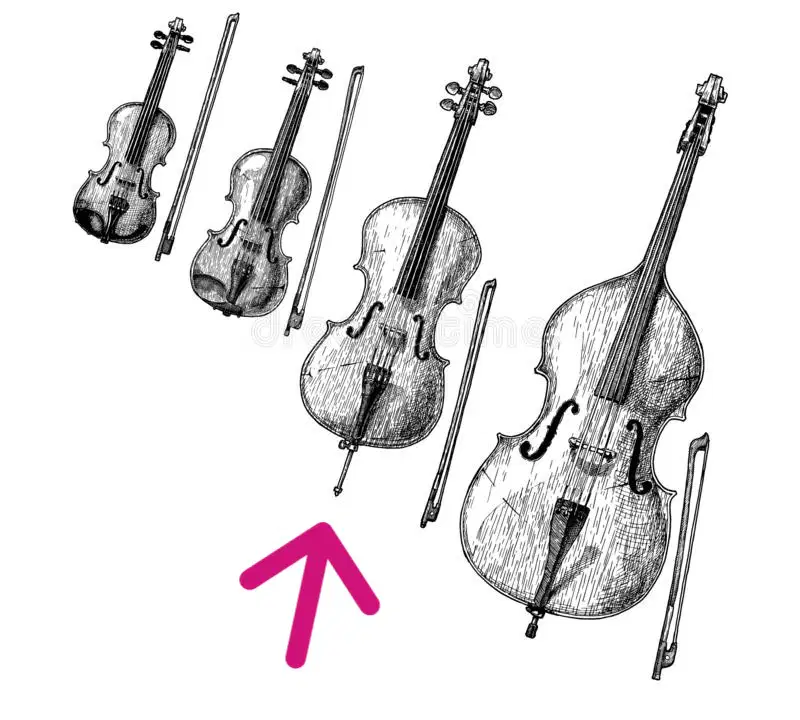
On the left is the Violin family of instrumentation. What is the name of the one pointed by arrow?
double bass
violin
viola
cello
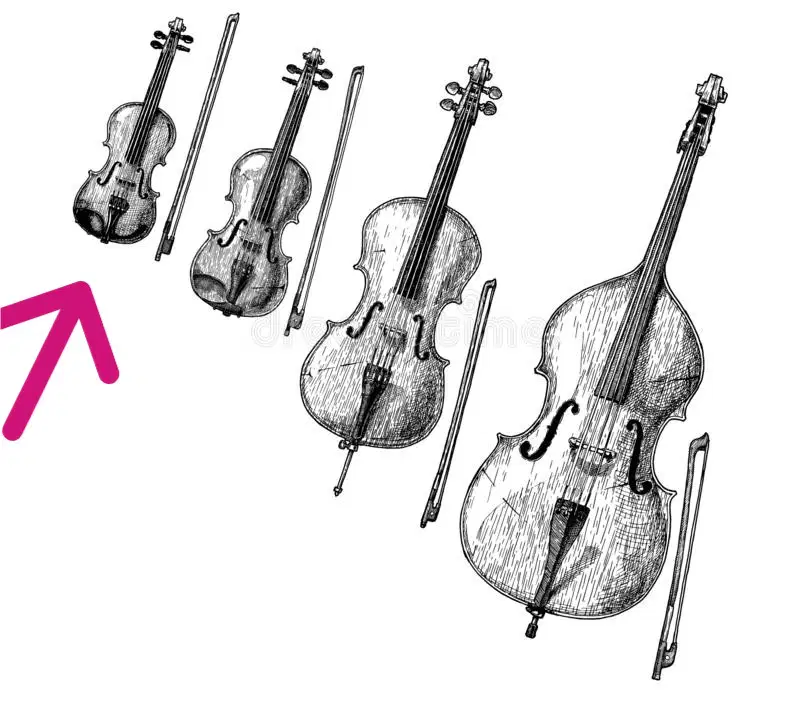
On the left is the Violin family of instrumentation. What is the name of the one pointed by the arrow?
viola
violin
cello
double bass
Who among the following does not belong to the famous composers of Baroque period?
George Frederic Handel
Johann Sebastian Bach
Joseph Haydn
Antonio Vivaldi
He was known as the "Red Priest" and the composer of The Four Seasons (1725).
Joseph Haydn
Ludwig van Beethoven
Peter Ilyich Tchaikovsky
Antonio Vivaldi
A versatile composer who composed the famous Twinkle Twinkle Little Star.
Wolfgang Amadeus Mozart
Frederic Chopin
Ludwig van Beethoven
Guillame de Machaaut
This refers to the LOUDNESS and SOFTNESS of voice or sound.
pitch
melody
dynamics
tempo
This refers to how HIGH or LOW a sound or voice is.
pitch
melody
dynamics
tempo
This refers to how FAST or SLOW a rhythm is.
pitch
melody
dynamics
tempo
He fused the national and international elements and influences to create his music with intensive and passionate compositions; his notable work is The Nutcracker (1892).
Frederic Chopin
Johannes Brahms
Guillame de Machaaut
Peter Ilyich Tchaikovsky
A style of music that is originated in Jamaica with strongly accented beat.
Reggae
Musical
Rock
Love Song
The most internationally known artist of all time, multitalented singer and dancer, his one of the greatest hits - Billie Jean.
Claude Debussy
Leonard Bernstein
The Beatles
Michael Jackson
R in R&B stands for ...
(a)
In the Philippine Traditional Indigenous Music, it is the medium used to pass on the legacy of every tribe from one generation to another generation.
Scripts/Writings
Traditional dances
Word of mouth
digital records
Which of the following belongs to AEROPHONES classification of tribal music instruments?
Tambuli
Kulintang
Bunkaka
Buktot
It is a traditional percussion instrument described as an hour-glass shaped drum.
Bunkaka
Agong
Gansa
Dabakan
OPM is popularly known as (a) .
In Beethoven's Symphony No. 5 (1808), what was the 3rd movement?
Allegro
Allegro con brio
Andante con moto
Allegro scherzo

What kind of music ensemble shown in the photo?
orchestra
chorale
quartet
chamber music
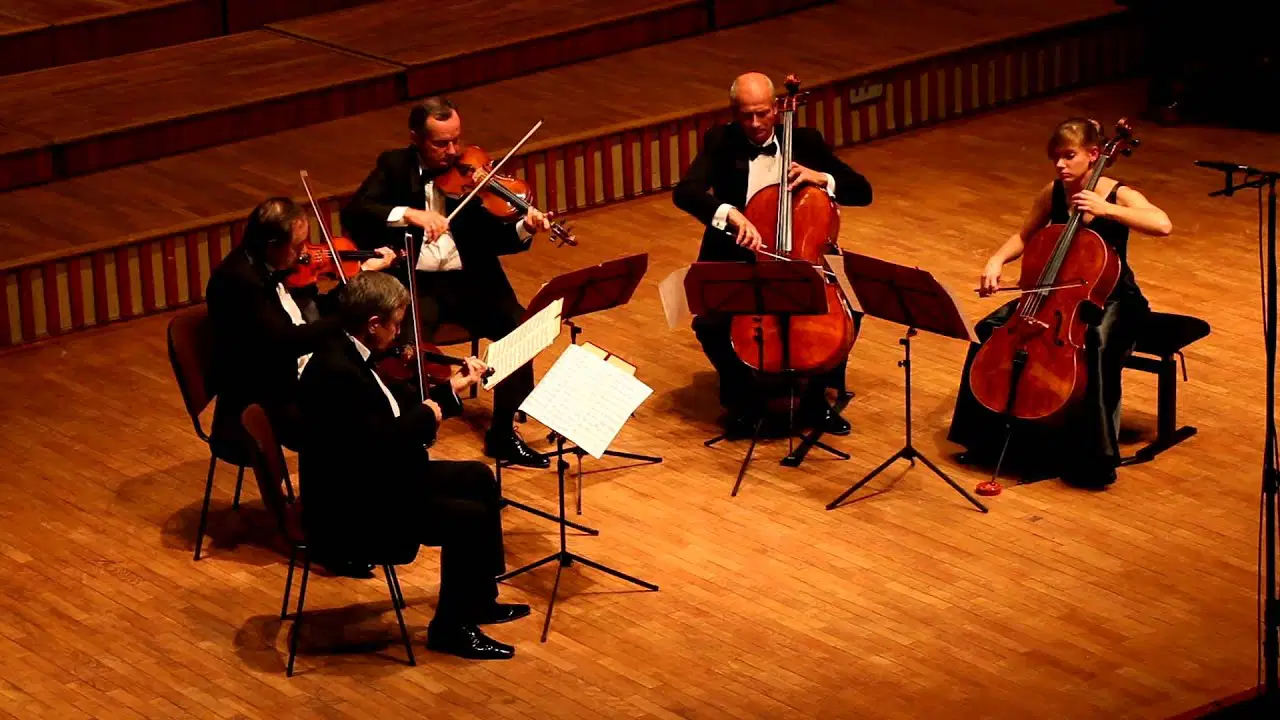
What kind of music ensemble shown in the photo?
quartet
chorale
orchestra
quintet
In dancesports, there are two classifications. which classification includes Samba, Cha-cha, Rumba, Paso Doble and Jive?
International Latin
International Standard
International Samba
International Ballroom
In dancesports, there are two classifications. which classification includes Waltz, Tango, Viennese Waltz, Foxtrot and Quickstep?
International Latin
International Standard
International Samba
International Ballroom
The following are some of the health benefits of dance. Which does not belong to the group?
mental ease
burn calories
strong bones
sociability
An element of dance which refers to the movement of the execution of the dance using projection, balance, sway, wiggle and other movements depending on the chosen dance genre.
(a)
An element of dance which refers to the dance hall or the stage where the dance is presented.
(a)
It is non-verbal communication art that uses primarily body movements with the use of music.
(a)

