
NEW
Font size
 Worksheets
Atomic Structure
Total questions: 28
Worksheet time: 28mins
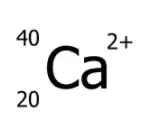
How many neutrons are in this calcium ion?
none
2+
40
20
The mass of an electrons is:
Greater than the mass of a neutron
Less than the mass of a neutron
Equal than the mass of a neutron
Equal than the mass of a proton
Describe the location and charge of a neutron
Nucleus and negative
Nucleus and no charge
Electron cloud and negative
Electron cloud and no charge
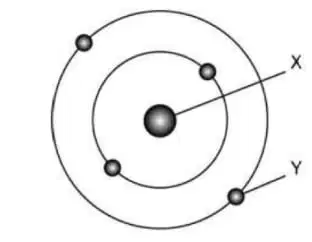
Look at position Y in the diagram. What subatomic is located at Y?
Neutron
Proton
Electron
Nucleus
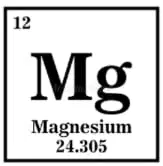
Using the provided image. What is the atomic number and number of protons for the element Mg?
Atomic # = 12, Proton # = 12
Atomic # = 24, Proton # = 12
Atomic # = 12, Proton # = 36
Atomic # = 24, Proton # = 24
An element has an Atomic # of 19 and an Atomic mass of 39. Determine how many neutrons this element has?
58
19
39
20
What two subatomic particles contribute to the mass of an atom?
Protons and Electrons
Protons and Neutrons
Electrons and Neutrons
Protons, Neutrons, and Electrons
Pick the answer that accurately describes the structure of an atom
Electrons orbit a nucleus made of protons and neutrons
Protons orbit a nucleus made of electrons and neutrons
Neutrons and protons orbit a cloud of electrons
Electrons and protons orbit a cloud of neutrons
How do you find the number of neutrons an atom has?
atomic mass
atomic mass plus atomic number
atomic number
atomic mass minus atomic number
The nucleus contains protons and neutrons. What is the charge of the nucleus?
Positive
Negative
No charge
Equal between positive and negative
If an atom has 36 protons and 47 neutrons, what is the atomic number?
36
47
83
11

Discovered that electrons move around the nucleus in orbits called electron shells. He is responsible for creating the planetary model.
Niels Bohr
James Chadwick
Democritus
Erwin Schrodinger
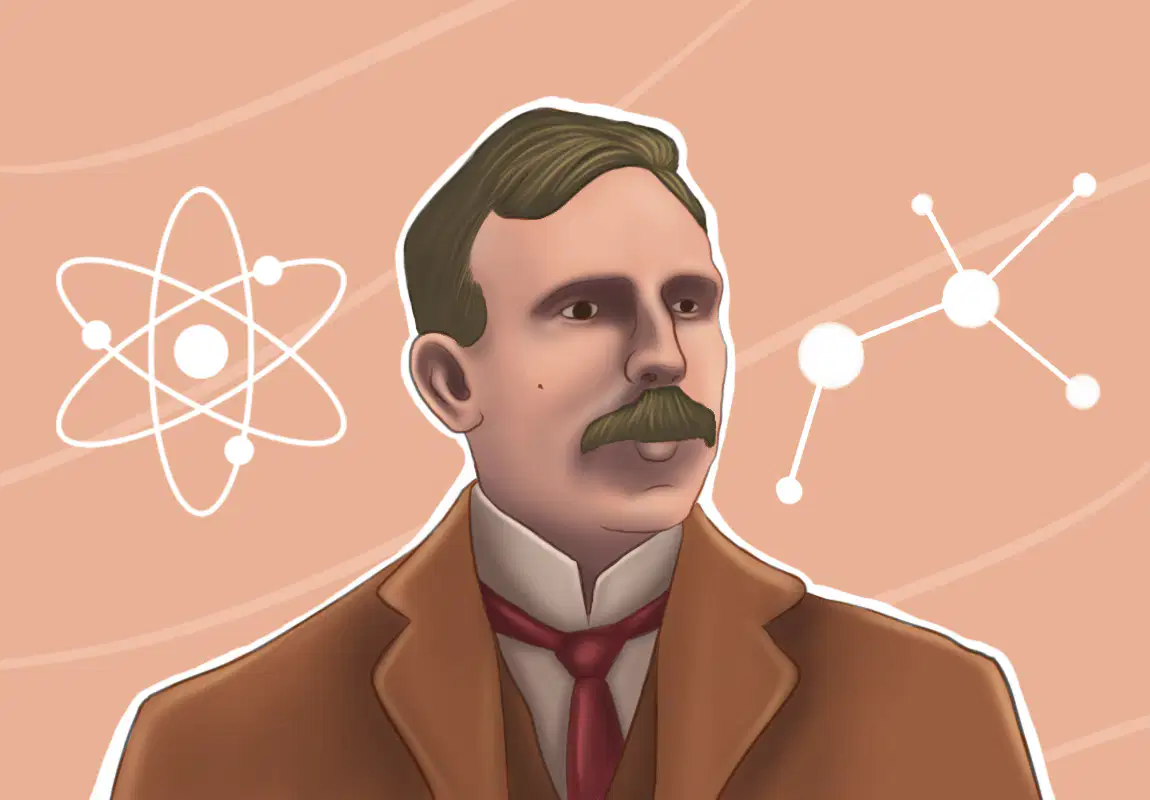
Discovered the atomic nucleus with his gold foil experiment. He is known as the "Father of Nuclear Chemistry"
Werner Heisenberg
Ernest Rutherford
J. J. Thomson
James Chadwick
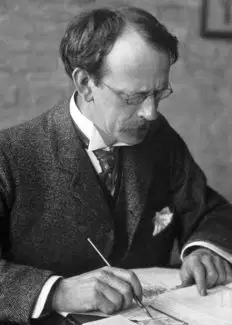
Discovered the electron and created the plum pudding model
Niels Bohr
Werner Heisenberg
Ernest Rutherford
J. J. Thomson
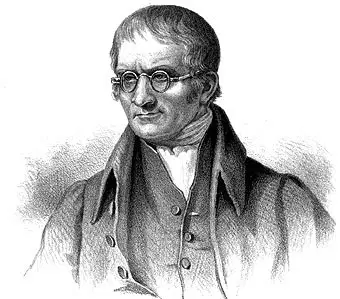
English chemist and physicist who said atoms are solid spheres and cannot be created or destroyed
John Dalton
Democritus
Erwin Schrodinger
James Chadwick
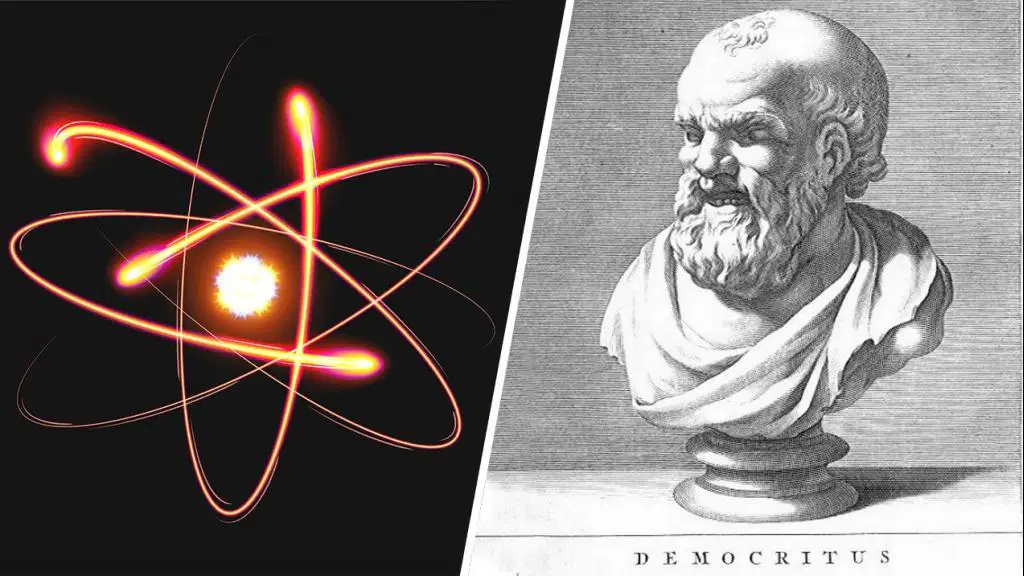
Greek philosopher that sad all matter is made of tiny particles called "atomos" or atoms.
Democritus
Ernest Rutherford
J. J. Thomson
John Dalton
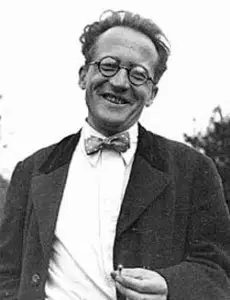
Developed the Quantum Model that says electrons are found in orbitals around the nucleus. Electron cloud not orbits.
Erwin Schrodinger
Neils Bohr
Werner Heisenburg
Democritus
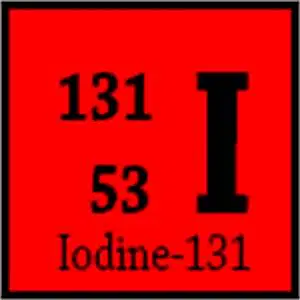
How many neutrons are in the element iodine?
184
131
78
53
How many electrons are in the calcium ion?
40
22
18
20
How many protons are in the calcium ion?
20
40
60
2
How many electrons are in the element iodine?
131
53
0
184
What is the atomic number for radium?
88
86
104
44
Number of electrons can be found by:
protons minus charge of ion
charge of ion minus protons
mass minus protons
protons minus mass
Charge of a ion is calculated by:
protons minus electrons
protons minus neutrons
mass minus protons
electrons minus protons
A positively charged ion is called a:
cation
anion
nonion
atom
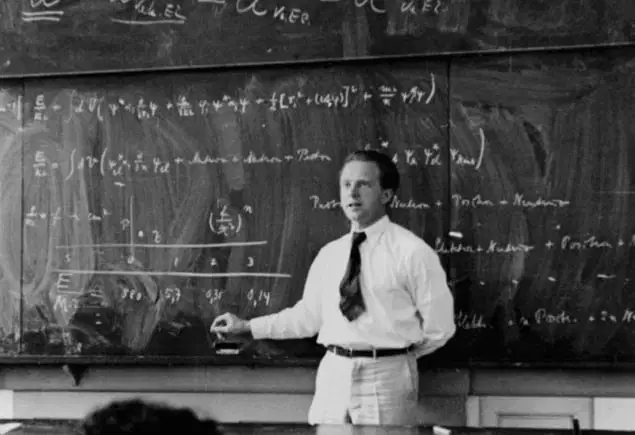
Scientist known for the principle that states it is impossible to know the exact position and velocity of an electron at the same time.
Werner Heisenberg
J. J. Thomson
John Dalton
Erwin Schrodinger
Look at position X in the diagram. What does letter X represent?
Neutron
Proton
Electron
Nucleus
Look at position X in the diagram. What best describes properties at this location?
It has mass and a positive charge
It has mass and a negative charge
It has no mass and a positive charge
It has no mass and a negative charge

