
Font size
 Worksheets
Knee Anatomy and Injuries
Total questions: 20
Worksheet time: 19mins
What are the quadriceps ?
A type of muscle that secretes synovial fluid into the joint space.
The muscle that acts as a shock absorber for the knee joint.
A group of muscles in front of thigh that aid in extending the leg.
A type of cartilage that covers the back side of the patella.
What is the largest sesamoid bone in the body?
Cuboid
Trapezium
Illium
Patella
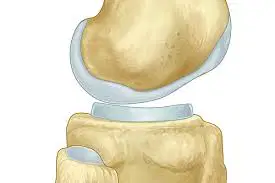
What type of cartilage is mainly used in the knee joint?
Fibrocartilage
Elastic Cartilage
Hyaline Cartilage
What is the most common injured ligament in the knee?
Anterior Cruciate Ligament(ACL)
Lateral Collateral Ligament(LCL)
Medial Collateral Ligament(MCL)
Posterior Cruciate Ligament(PCL)
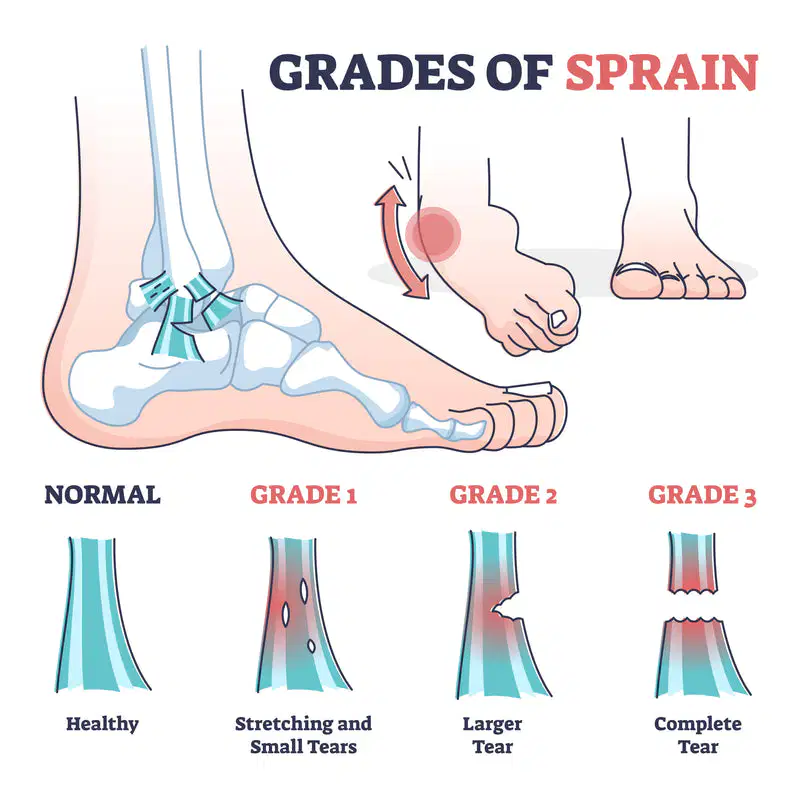
What is sprain ?
An injury to fibrous tissue that connects bone to bone.(Ligaments)
An injury to the fibrous tissue that connects muscle to bone(Tendon) or the actual muscle.
If you hear a pop which ligament(s) is most likely to be injured?
Medial Collateral Ligament
Posterior Cruciate Ligament
Lateral Collateral Ligament
Anterior Cruciate Ligament
Synovial Fluid lubricates joints
False
True
Which of these is NOT a long bone?
Femur
Fibula
Patella
Tibia
Which of the following is a movement of the knee joint?
Lateral Rotation
Dorsiflexion
Plantar flexion
Abduction

Which of these injuries will have the longer recovery?
Sprains
Strains
What SOAP stand for?
Sympathy, Observation Articulation Proclamation
Substitution
Opinion
Administrative
Petition
Strengthening
Operation
Appointment
Premonition
Subjective Objective
Assessment
Plan
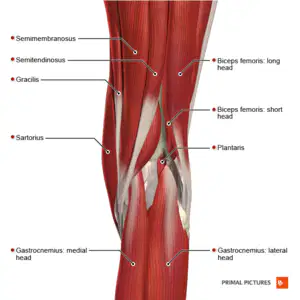
Which of the following is NOT a muscle that supports the knee ?
Hamstrings
Quadriceps
Triceps
Calves

What is the RICE treatment ?
Rest
Ice
Compression
Elevation
Rest
Isokinetic
Compression
Effusion
Respiration
Ice
Concentration
Elevation
Recuperation
Imbricate
Cancellate
Elevation
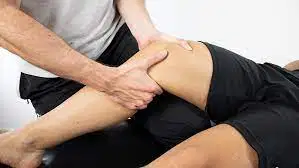
What does a positive Lachman test mean ?
Posterior Cruciate Ligament tear
Anterior Cruciate Ligament tear
Anterior Talofibular ligament tear
Medial Collateral Ligament tear
How many bones connect to the knee joint?
6
3
5
4
What ligament prevents posterior displacement of the knee?
Posterior Cruciate Ligament
Anterior Cruciate Ligament
Medial Collateral Ligament
Lateral Collateral Ligament
Which ligament in the knee provides the most stability by strength?
LCL
PCL
MCL
ACL
Which one of these bones do NOT make up the knee joint?
Fibula
Femur
Radius
Patella
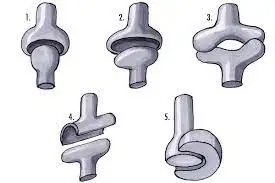
What type of joint is the knee joint ?
Saddle Joint
Hinge Joint
Socket and Ball Joint
Condyloid Joint

