
 Worksheets
Unit 213 VB
Total questions: 14
Worksheet time: 7mins
What is the main effect of marking out errors on a work programme?
Increased productivity.
Increased labour cost.
Reduced customer confidence.
Reduced material usage.
What is most likely to happen if errors are made when marking out a staircase?
The staircase would not meet the ACoP.
An enforcement notice will be served.
The client would have to pay for extra material.
The work will not be completed on time.
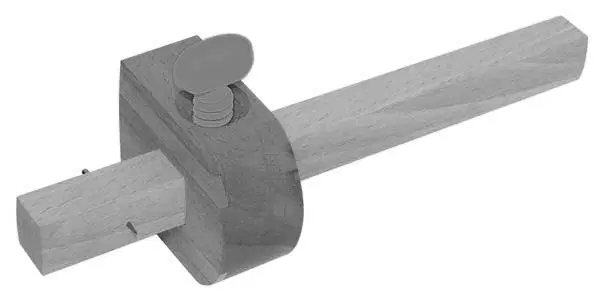
What is the tool shown in the image?
Sliding bevel.
Mortice gauge.
Marking gauge.
Box square.
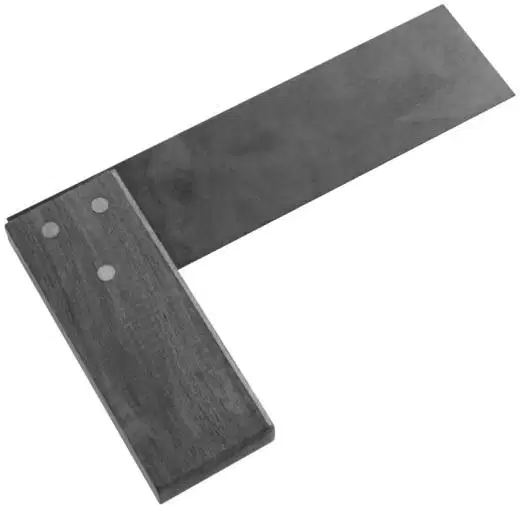
What type of square is shown in the image?
Combination square.
Try square.
Mitre square.
Box square.
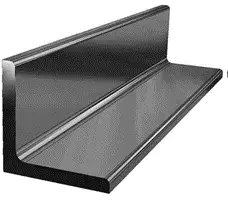
What is the tool shown in the image?
Combination square.
Try square.
Mitre square.
Box square.
The main advantage of using a setting out rod is to
allow for marking out of one item accurately
allow for repetitive marking out of items accurately
mark out straight on to timber without using a drawing
show marking out of all the joints and grooves.
Where would the information to mark out a window be shown?
Block plan.
Site plan.
Setting out rod.
Manufacturer’s information.
Why are the face side and edge marks used as a reference when marking out timber?
They ensure the best surfaces are used for the finished product.
They show the width and thickness of materials.
They ensure material is not wasted.
They are quicker to mark out.
What is the main purpose of using a pattern when marking out components?
To ensure the same material is used.
To ensure all deadlines are met.
To mark out individually.
To mark out multiple items.
What tool should be used to allow the transfer of shoulder lines of a tenon joint on to
pre-profiled timber?
Box square.
Try square.
Combination square.
Sliding bevel.
Which one of the following is the correct sequence of marking out mortices on timber
components?
Mark out mortice length and position.
Identify position of mortice, gauge and mark waste.
Gauge the mortice and mark waste.
Identify mortice position, mark out length and gauge.
Which one of the following is the correct sequence of marking out a halving joint?
Find half thickness, gauge, mark out shoulder lines and mark waste.
Mark out shoulder lines, find half thickness, gauge and mark waste.
Mark waste, gauge, mark out shoulder lines and find half thickness.
Gauge and mark waste, find half thickness and mark out shoulder lines.
What adjustment would have to be made to a mortice if a groove was shown in the
section of a rail?
Reduce the mortice length.
Increase the mortice length.
Increase the haunch.
Reduce the haunch.
When marking out a tenon shoulder, what should be considered if an ovolo moulding is
identified on the stile?
Stopping the mouldings.
Increase in haunch size.
Both shoulders stepped back.
Long and short shoulders.

