
 Worksheets
PreTest: Introduction to Light Waves
Total questions: 12
Worksheet time: 10mins

In this diagram, which of the angles shown represents the angle of incidence? _____ represents the angle of incidence.
Angle A
Angle B
Angle C
Angle D

All electromagnetic waves travel at the same speed, through a vacuum. This accepted value for the speed of light (c) = ____.
299,792,458 m/sec
3.00 x 10⁸ m/sec
299,792 km/hr
3.0 x 10⁸ km/sec

The scientist who first determined a numerical value for the speed of light was the Danish astronomer, _____ _____.
Oersted, Hans Christian
Galilei, Galileo
Faraday, Michael
Romer, Ole

Light waves are produced by oscillating _____ that are perpendicular to one another.
Particles
Electric Field and Magnetic Field
Photons
Electric Fields
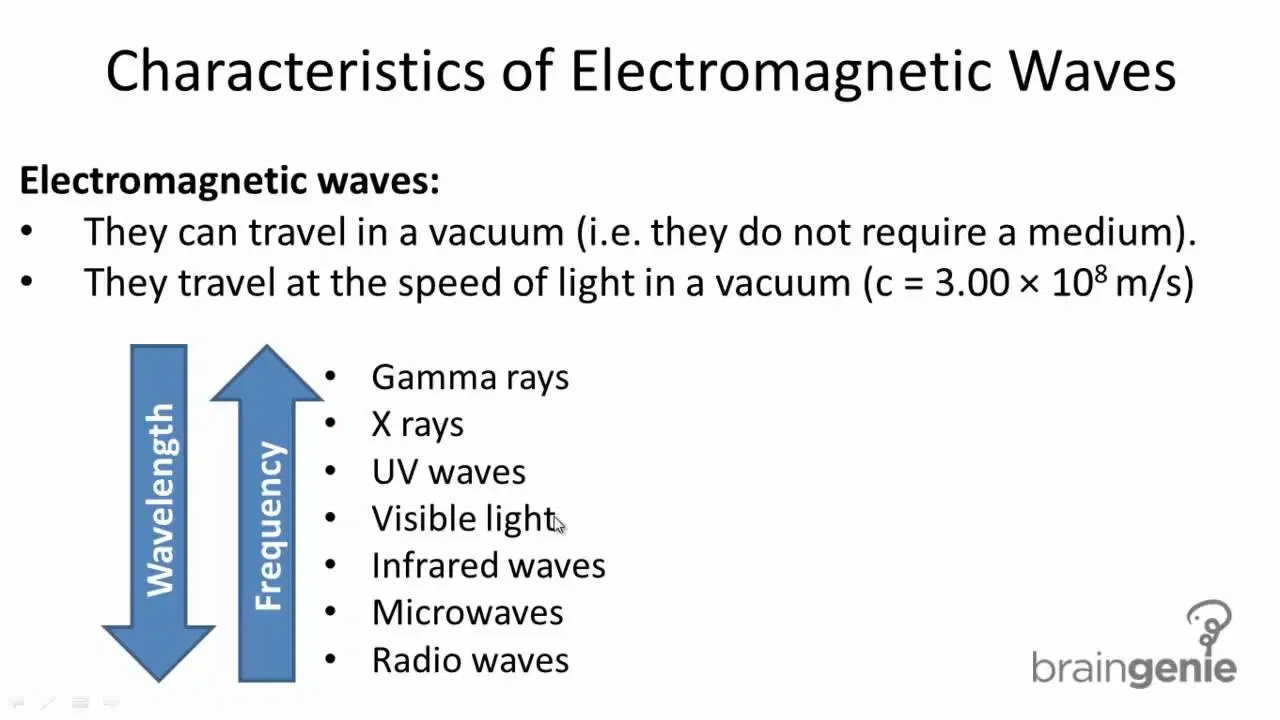
The (a) of an electromagnetic wave is the distinguishing characteristic of its unique behavior.

The part of the Electromagnetic Spectrum that the human eye is sensitive to(can detect), is called the _____ _____.
Optimal Light
Invisible Spectrum
EM Spectrum
Visible Spectrum
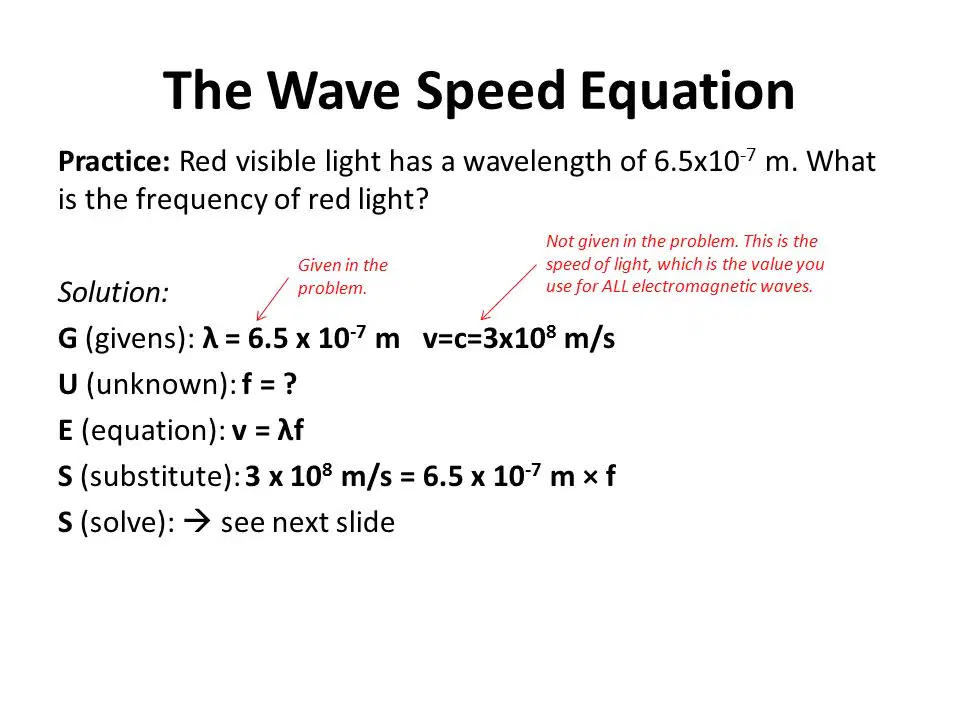
When solving a light wave problem, the appropriate equation to use is _____.
c = f x λ
v = f x λ
s = f x λ
f = s ÷ λ

The E-M waves having the lowest frequency, approximately (106 Hz − 109Hz ) , are _____.
Gamma Rays
Microwaves
Radio Waves
X-Rays

The E-M Wave of visible light having the longest wavelength is (a) light.
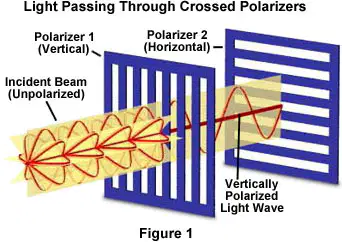
_____, in general, is the direction of the electric field in a light wave.
Polarization
Doppler Shift
Unpolarization
Intensity

The Angstrom, Nanometer, Micrometer and Meter are units of measurement for the (a) of a wave.
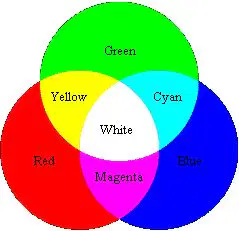
The human eye has three types of light-sensitive cells that detect _____, respectively, known as the primary colors.
Yellow, Orange and Purple Light
Red, Green and Blue Light
Magenta, Yellow and Cyan Light
Blue, Yellow and Magenta Light

