
 Worksheets
Semester II Review
Total questions: 121
Worksheet time: 1hrs 1mins
Name
Class
Date
1.
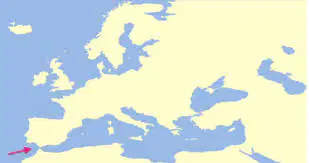
What landform is indicated by the arrow?
a)
English Channel
b)
Norwegian Channel
c)
Strait of Gibraltar
d)
Strait of Hermosa
2.
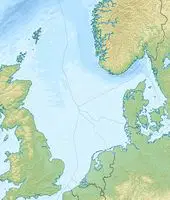
What body of water is in the image?
a)
Norwegian Sea
b)
Black Sea
c)
Baltic Sea
d)
North Sea
3.
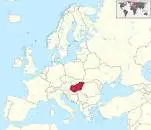
Which country is highlighted?
a)
Hungary
b)
Switzerland
c)
Austria
d)
Lichtenstein
4.
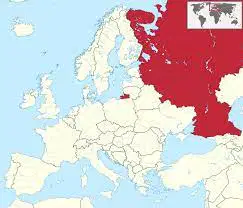
Which country is highlighted?
a)
Russia
b)
Crimea
c)
Ukraine
d)
Belarus
5.
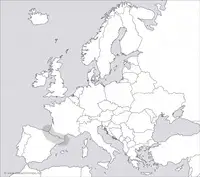
Which mountain range is displayed in the image?
a)
Carpathian Mountains
b)
Alps Mountains
c)
Pyrenees Mountains
d)
Apennines Mountains
6.
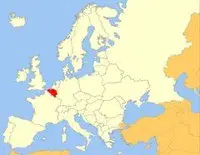
Which country is highlighted?
a)
England
b)
France
c)
Belguim
d)
Denmark
7.
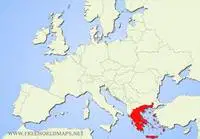
Which country is highlighted?
a)
Cyprus
b)
Malta
c)
Greece
d)
Italy
8.
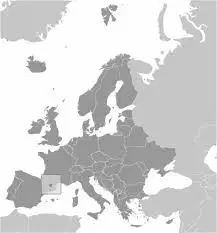
Which country is highlighted?
a)
Switzerland
b)
France
c)
Andorra
d)
Spain
9.

Which country is highlighted?
a)
France
b)
Spain
c)
Greece
d)
Italy
10.
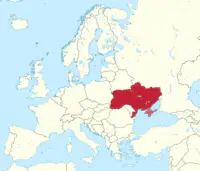
Which country is highlighted?
a)
Belarus
b)
Russia
c)
Croatia
d)
Ukraine
11.
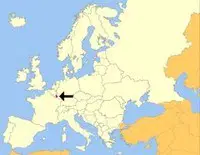
a)
Luxembourg
b)
Liechenstein
c)
Belguim
d)
Netherlands
12.
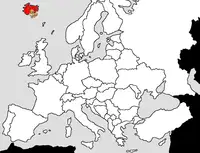
Which country is highlighted?
a)
Ireland
b)
United Kingdom
c)
Iceland
d)
Andorra
13.
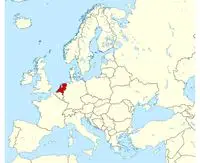
Which country is highlighted?
a)
Netherlands
b)
Belguim
c)
Denmark
d)
France
14.

Which country is highlighted?
a)
Ireland
b)
Iceland
c)
France
d)
United Kingdom
15.
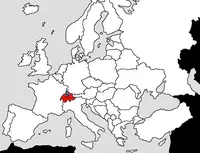
Which country is highlighted?
a)
Austria
b)
Hungary
c)
Switzerland
d)
Luxembourg
16.
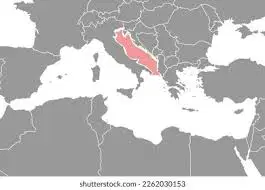
What body of water is highlighted?
a)
Baltic Sea
b)
Adriatic Sea
c)
Ionian Sea
d)
Aegean Sea
17.
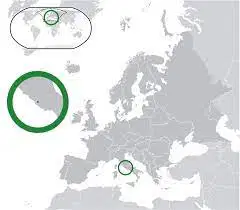
Which country is highlighted
a)
Vatican City
b)
Italy
c)
San Marino
d)
Rome
18.
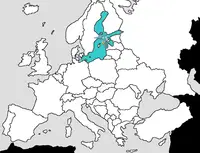
What body of water is highlighted in the image below?
a)
Black Sea
b)
Baltic Sea
c)
Mediterranean Sea
d)
Aegean Sea
19.

Which country is highlighted?
a)
Poland
b)
France
c)
Turkey
d)
Germany
20.
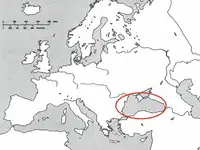
What waterway is circled?
a)
Mediterranean Sea
b)
Black Sea
c)
Aegean Sea
d)
Ionian Sea
21.

a)
Spain
b)
Portugal
c)
France
d)
San Marino
22.
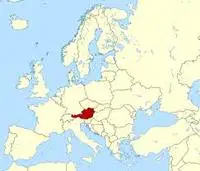
What European country is highlighted?
a)
Austria
b)
Hungary
c)
Switzerland
d)
Rhineland
23.

Which mountain range is pictured?
a)
Pyrenees
b)
Carpathian
c)
Alps
d)
Rocky
24.
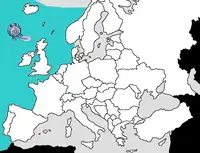
Which body of water is highlighted?
a)
Mediterranean Sea
b)
Adriatic Sea
c)
Atlantic Ocean
d)
Pacific Ocean
25.

Which country is highlighted?
a)
France
b)
Portugal
c)
Spain
d)
Italy
26.
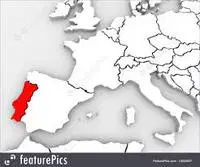
Which country is highlighted?
a)
France
b)
Portugal
c)
Spain
d)
Italy
27.
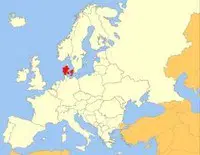
Which country is highlighted?
a)
Belgium
b)
Finland
c)
Germany
d)
Denmark
28.
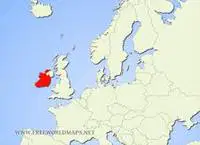
Which European country is highlighted?
a)
Iceland
b)
Switzerland
c)
Belguim
d)
Ireland
29.
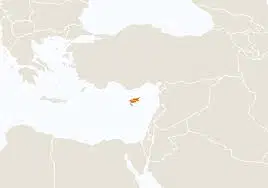
Which country is highlighted?
a)
Italy
b)
Cyprus
c)
Malta
d)
Andorra
30.

Which country is highlighted?
a)
Norway
b)
Finland
c)
Sweden
d)
Iceland
31.

Which country is highlighted?
a)
Norway
b)
Finland
c)
Sweden
d)
Iceland
32.
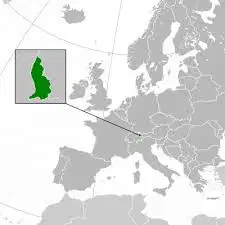
Which country is highlighted?
a)
Switzerland
b)
Austria
c)
Hungary
d)
Liechtenstein
33.

Which country is highlighted?
a)
Finland
b)
Norway
c)
Sweden
d)
Iceland
34.
Due to the dry conditions, poor soil quality extremely cold temperatures, and frozen ground, vegetation in the ___ climate is limited
a)
Humid continental
b)
Marine west coast
c)
Subarctic
d)
Arctic tundra
35.
The Kemi river in ____ is harnessed for hydroelectric power, a significant renewable resource.
a)
Denmark
b)
Sweden
c)
Norway
d)
Finland
36.
The landforms created through repeated ice ages and the folding and faulting associated with continental drift and ____.
a)
geysers
b)
plate tectonics
c)
wind patterns
d)
hot springs
37.
Which of the following best describes the population of Iceland?
a)
varied religiously
b)
diverse cultures
c)
ethnically homogenous
d)
racially mixed
38.
____ is contributing to wetland destruction, with many lakes in Norway and a significant proportion of lakes in Sweden and Finland showing impacts.
a)
Deforestation
b)
Climate Change
c)
Acid Rain
d)
Overfishing
39.
In Northern Europe, air warmed by the ____ creates a mild climate even though the region is located in higher latitudes.
a)
North Atlantic Oscillation
b)
Volcanic emissions
c)
Gulf Stream
d)
Arctic Pressure Dome
40.
The ____ is changing more rapidly in Northern Europe than in most other parts of the world.
a)
population
b)
cultural diversity
c)
tectonic activity
d)
climate
e)
41.
A number of invasive species have been introduced in the Baltic Sea due to an increase in:
a)
phytoplankton
b)
ship traffic
c)
algea
d)
hydroelectric power
42.
A large amount of carbon as decomposed or partly decomposed material is stored in trees and soil of the:
a)
Wetlands
b)
Boreal forest
c)
Peat bogs
d)
Pine forests
43.
To complement its reputation as a world leader in its support of humanitarian causes, Finland is open to all beliefs, but it is the only country in the region without an official:
a)
Social welfare system
b)
International justice network
c)
Religion
d)
Equal rights department
44.
State supported day-care is an example of ____ policies in the Nordic countries.
a)
low-taxes
b)
conservative
c)
social welfare
d)
family friendly fun
45.
Steep- walled inlets, reaching like fingers of water from the sea into coastal mountains, are called:
a)
fjords
b)
hot springs
c)
glaciers
d)
geysers
46.
Dry conditions, poor soil quality, cold temperatures, and frozen ground limit _____ in the arctic tundra regions of Northern Europe.
a)
mineral deposits
b)
marine life
c)
plant growth
d)
peat deposits
47.
Early explorers and settlers of Northern Europe, known as Norsemen relied on:
a)
Strong hardy horses
b)
Fast, light sleds
c)
A network of footpaths
d)
Long, narrow boats
48.
The Scandinavian peninsula is known for its:
a)
Hundreds of thousands of lakes
b)
Vast, dry deserts
c)
Abundantly large rainforests
d)
Windy, baron, savanas
49.
Which of the following is NOT a pull factor for migration?
a)
Safety & freedom
b)
Family reunification & availability of services
c)
Higher wages & Job prospects
d)
Crop failure, Pollution, Natural disaste
50.
The ____ are the descendants of nomadic people who lived in Northern Scandinavia for thousands of years.
a)
Old Norse
b)
Vikings
c)
Sami
d)
Finnish
51.
Sweden and Finland are part of the LIFE+Environment Policy and Governance established by the European Union to offer:
a)
Development Incentives
b)
Economic Programs
c)
Environmental Benefits
d)
Farm Subsidies
52.
In Iceland, ____ constitutes more than 70% of exports.
a)
agricultural products
b)
fish and fish products
c)
mineral products
d)
forestry products
53.
Early explorers and settlers of Northern Europe known as Norsemen relied on:
a)
strong, hardy horses
b)
fast, light sleds
c)
a network of footpaths
d)
ships of war
54.
Nordic countries became integrated with mainland Europe during the 1300s, which caused the region to become more:
a)
continental
b)
remote
c)
industralized
d)
inaccessible
55.
The remaining forest in Northern Europe that has not been deforested is the ___ or taiga, of Scandinavia and Russia.
a)
peat bog
b)
wetland
c)
ecosystem
d)
boreal forest
56.
The runoff of chemicals and waste from ___ areas nearby adds to pollution that endangers coastal areas, wetlands, and rivers in Northern Europe.
a)
agriculture
b)
forested
c)
industralized
d)
rural
57.
Warmer temperatures caused ice melt in Northern Europe, endangering lands used for:
a)
manufacturing and industry
b)
herding and farming
c)
chemical production
d)
commercial development
58.
Though tourism can threaten fragile ecosystems, _____ can teach people about conserving Northern Europe's vulnerable land.
a)
ecotourism
b)
industralism
c)
invasive species
d)
wetlands
59.
The languages of Italy, Spain and Portugal are categized as Romantic languages, which are based on:
a)
Greek
b)
Roman
c)
Latin
d)
Vatican
60.
The source of Europe's most important river systems, including those of Southern Europe is:
a)
The Alps
b)
The Pyrenees
c)
The Massifs of the Iberian Peninsula
d)
The Tagus and Tiber Rivers
61.
A period of cultural rebirth began in Italy in the 1300s
a)
Democracy
b)
City-States
c)
Renaissance
d)
Deforestation
62.
In 1975 saw the creation of the ___ which was an attempt by Mediterranean Nations to limit the damage to to the environment caused by human activity.
a)
World Wildlife Fund
b)
European Union
c)
Mediterranean Action Plan
d)
Environmental NGO Coalition
63.
The landform of Southern Europe which includes Spain and Portugal.
a)
Balkan Peninsula
b)
Alps
c)
Iberian Peninsula
d)
Carpathians
64.
A very rare heavy-metal element essential to high-tech industry, mined along the Pyrenees.
a)
Bauxite
b)
Aluminum
c)
Tungsten
d)
Barium
65.
An environmental consequence of hotter, drier conditions and the fires this climate may produce.
a)
Deforestation
b)
Erosion
c)
Mistrel
d)
Massif
66.
Greeks in ancient Athens introduced the concept of ______________, which has influenced society, politics, and culture around the world.
a)
Rule of Law
b)
Democracy
c)
Theocracy
d)
Code of Hammurabi
67.
Tourism is a major component of Southern Europe's economy. This is an example of the region's increasing dependence on the ___________________ sector.
a)
manufacturing
b)
agriculture
c)
service
d)
financial
68.
Which of the following is NOT a peninsula in Southern Europe?
a)
Iberian Peninsula
b)
Italian Peninsula
c)
Jutland Peninsula
d)
Balken Peninsula
69.
What economic actions by the European Union have caused political tension among member states?
a)
The EU ended the membership of Portugal, Italy, Greece and Spain due to their high unemployment, government overspending and extreme debt.
b)
The EU promoted economic stability and prosperity in Southern Europe so it outpaced growth and standards of living elsewhere in Europe.
c)
The EU allowed unresolved ethnic tension within the Balkan Peninsula to spill over into other regions of Europe.
d)
The EU gave loans and subsidies to some members in Southern Europe, stretching resources and creating resentment among member states.
70.
Which political-historical process led Southern Europe to transition from city-states and ethnic regions into modern countries?
a)
nationalism
b)
democracy
c)
renaissance
d)
colonialism
71.
An independently governed community and surrounding lands, such as ancient Athens or Sparta.
a)
Colonialism
b)
City-State
c)
Democracy
d)
Theology
72.
The longest river in Spain, used for hydroelectric power, but inaccessible to boats.
a)
Seine River
b)
Rhine River
c)
Elbo River
d)
Thames River
73.
Which lists a geographical feature that has kept the Balkan Peninsula isolated and slow to develop economically, and another feature that has helped to offset, or balance, that isolation?
a)
Alpine mountains/network of navigable rivers
b)
flat terrain/surrounded by oceans
c)
network of non-navigable rivers/flat, inland plains
d)
surrounded by three seas/mountainous terrain
74.
Which describes the population patterns of Southern Europe, today?
a)
declining
b)
unchanged
c)
growing modestly
d)
growing sharply
75.
What is one way that growing tourism directly affects the health of the marine life within the Mediterranean ecosystem?
a)
Algae blooms use up all the oxygen where they occur, resulting in marine dead zones
b)
Erosion leads to the runoff of harmful industrial and agricultural agents
c)
Growing numbers of tourist want to sample local cuisine, especially seafood dishes in coastal areas resulting in overfishing
d)
Overdevelopment leads to deforestation, which contributes to global warming.
76.
Which of the following belongs under the heading "Managing Resources"?
a)
pollution hot spots
b)
preventing deforestation
c)
waste from cruise ships
d)
overdevelopment
77.
Removal of which essential element leads to erosion that can cause desert like conditions?
a)
topsoil and vegetation it supports
b)
bare rock, serving as foundation for soil
c)
glaciers, which support rivers
d)
deep rooted agricultural crops
78.
Erosion and deforestation are both caused by:
a)
a decrease in human activity
b)
industrial and agricultural pollutants
c)
climate change, leading to loss of vegetation
d)
lack of snowfall in higher elevations
79.
Which characterizes winters in southern Europe?
a)
cold and snowy
b)
mild and rainy
c)
cool and dry
d)
warm and rainy
80.
NGOs, such as EarthWatch, Nature Conservancy, and World Wildlife Fund, are examples of how:
a)
regional governments are attempting to protect the environment
b)
private, non-profit groups are attempting to address issues critical to the global environment
c)
volunteer groups are prioritizing issues about climate change over environmental issues
d)
groups controlled by the EU place economic development issues over environmental protection
81.
The major mountain chains of Southern Europe include the:
a)
Apennines, Adriatic, and Ionian
b)
Black, Pyrenees, and Alpines
c)
Alps, Pyrenees, and Apennines
d)
Tiber, Po, and Mediterranean
82.
Southern Europe is a popular destination for tourism because of its _____ summer climate
a)
hot & rainy
b)
cool & dry
c)
mild & damp
d)
warm & dry
83.
Why does most of the agriculture of Southern Europe occur along the coastal plain region?
a)
It has lower amounts of rainfall and warmer temperatures
b)
It has higher amounts of rainfall and rich, sedimentary soil conditions
c)
It has irrigation opportunities from the river systems of nearby mountains
d)
It has beneficial soil conditions and does NOT flood
84.
Which of the following is an example of governments efforts to protect the environment of Southern Europe?
a)
Forest Stewardship Council
b)
Nature Conservancy
c)
European Environmental Agency
d)
World Wildlife Fund
85.
Which type of landform is found in regions that may be prone to earthquakes causes by plate tectonic forces?
a)
peninsula
b)
plateau
c)
massif
d)
Meseta
86.
The largest mountain range in Southern Europe, that separates the marine west coast climate from the Mediterranean climate.
a)
The Pyreneese
b)
The Apennines
c)
The Alps
d)
The Carpathian
87.
Which statement summarizes trends in population patterns of Southern Europe today?
a)
Births are occurring at a slower rate than deaths, resulting in a shrinking, aging population
b)
Births are occurring at a faster rate than deaths, resulting in a growing, younger population
c)
Births and deaths are occurring at about the same rate
d)
Births are occurring at a faster rate than deaths, resulting in larger families but an unchanged population
88.
As manufacturing activities decline across Southern Europe over the past thirty years, the ____ sector has increased
a)
agricultural
b)
industrial
c)
financial
d)
service
89.
Which of the following belongs under the heading "Human Impact"?
a)
Preventing chemical fertilizer run-off
b)
Limiting soil erosion
c)
Overfishing to meet tourism demands
d)
Increased awareness of the effects of climate change
90.
Which factors account for economic activity instability in the Southern European region?
a)
energy scarcity, post war reconstruction, EU membership
b)
loss of manufacturing, consumer overspending. lack of healthcare, low literacy rates
c)
government overspending, high unemployment, high national debt
d)
EU loans and subsidies, over reliance on tourism
91.
Art that depicts the human form as accurately as possible is called:
a)
Classical art
b)
Modernism
c)
Neo-Classical
d)
Realism
92.
What is the term for wet or dry airborne acids that fall to the ground?
a)
acid rain
b)
acid sentiment
c)
acid deposition
d)
air pollution
93.
State supported day-care is an example of ____ policies in the Nordic countries.
a)
low-taxes
b)
conservative
c)
social welfare
d)
family friendly
94.
A primary purpose of restoration work on the rivers in Northwestern Europe is to:
a)
dredge rivers to allow ocean going vessels to travel further inland
b)
widen rivers to increase waterway traffic, especially commercial traffic
c)
control floodplain drainage and lessen damage from pollution
d)
enhance their natural settings to encourage tourism and recreations
95.
Which of the following is an example of a coniferous tree most likely to be found in a cool, alpine mountain area?
a)
beech
b)
spruce
c)
oak
d)
ash
96.
Which best describes the Northern European Plain?
a)
an area of soft rolling hills and flat valleys
b)
an area of plateaus and dry basins
c)
an area of low plateaus and high mountains
d)
an area of relatively flat and low lying lands
97.
The North Atlantic Current carries ____ over the coasts and inland to the Northern European Plain
a)
cold, moist air
b)
cold, dry air
c)
warm, moist air
d)
warm, dry air
98.
The Central Uplands are characterized by:
a)
low mountains, rolling hills, and high plateaus
b)
rugged cliffs, high mountains, and broad valleys
c)
high mountains, deep gorges, and low plateaus
d)
gentle mountains, deep basins, and narrow valleys
99.
Which country has especially fertile soil that is covered by deposits of loess, a rich sediment left by glaciers?
a)
Switzerland
b)
Ireland
c)
Monaco
d)
Belgium
100.
Among countries in Northwestern Europe., fragmentation due to roads and railway lines is highest in:
a)
Germany and France
b)
Austria and Liechtenstein
c)
Ireland and the United Kingdom
d)
Belgium, the Netherlands, and Luxembourg
101.
A primary mission of Greenpeace, Oceana, and Seas at Risk is to:
a)
promote ecotourism
b)
protect marine and coastal ecosystems
c)
regulate the fishing industery
d)
enhance biological diversity of marine life
102.
The two greatest sources of air pollution in Northwestern Europe are vehicles and ____ industries.
a)
agriculture
b)
construction
c)
service
d)
manufacturing
103.
Which of the following is true about how countries in NW Europe are addressing environmental issues caused by acid rain?
a)
Governments have focused on both reducing the causes and the damage it causes
b)
All countries have restricted the use of fossil fuels that cause acid rain
c)
Industries in many countries continue to build factories with tall smokestacks to carry pollution away from communities
d)
Membership in the EU is based on compliance with environmental protection laws.
104.
The ____ are the descendants of nomadic people who lived in Northern Scandinavia for thousands of years.
a)
Old Norse
b)
Vikings
c)
Sami
d)
Finnish
105.
In Iceland, ____ constitutes more than 70% of exports.
a)
agricultural products
b)
fish and fish products
c)
mineral products
d)
forestry products
106.
Early explorers and settlers of Northern Europe known as Norsemen relied on:
a)
strong, hardy horses
b)
fast, light sleds
c)
a network of footpaths
d)
ships of war
107.
Nordic countries became integrated with mainland Europe during the 1300s, which caused the region to become more:
a)
continental
b)
remote
c)
industralized
d)
inaccessible
108.
The Central Uplands is an area of:
a)
low-lying and flat land eroded by glaciers
b)
rugged coastlines, low hills, and rolling plains
c)
high plateaus, low rounded mountains, and hills
d)
high, jagged mountains and flat plateaus
109.
Agribusiness developed as a result of:
a)
increased demand for specialty food products
b)
declining numbers of farmers
c)
a growing shortage of arable land
d)
a desire for more environmentally friendly agriculture practices
110.
How has the European Union promoted trade among member countries, as well as countries such as the United States and China?
a)
by increasing tariffs for non-trading partners
b)
by offering subsidies to poor countries
c)
by eliminating tariffs and trade barriers
d)
by instituting export quotas
111.
Bacteria that once broke down waste disposed of in the Mediterranean Sea is less able to do so due to:
a)
growing population and tourism, along with weak currents
b)
changes in ocean currents due to global warming
c)
warmer sea water due to global warming
d)
inefficient water filtration technology
112.
Which river has limited use for water navigation due to shallowness, fluctuations in volume, and silt?
a)
Danube River
b)
Loire River
c)
Rhone River
d)
Seine River
113.
Which of the following is an example of devolution?
a)
the collapse of the Soviet Union
b)
the division of Germany following World War II
c)
the transfer of power granting self-rule to Northern Ireland
d)
the cessation of hostilities following the end of the Cold War
114.
Most of Northwestern Europe has:
a)
cool summers and mild winters
b)
cool summers and frigid winters
c)
warm summers and mild winters
d)
warm summers and cool winters
115.
An environmental group that focuses its efforts on preserving and restoring marine and coastal ecosystems particularly in the North Atlantic, Irish Sea, and North Sea is:
a)
Greenpeace
b)
Earthwatch
c)
Oceana
d)
Seas at Risk
116.
The Alps run through which country?
a)
United Kingdom
b)
Austria
c)
the Netherlands
d)
Luxembourg
117.
According to the student handbook, re-testing is ONLY permitted with a extenuating circumstances. Please outline your extenuating circumstance, why are you requesting a grade adjustment from this re-quiz?
4 lines
118.
The practice and business of recreational travel that considers its impact on the environment is known as:
a)
development
b)
ecotourism
c)
sustainability
d)
conservation
119.
Which of the following countries is NOT a member of the European Union?
a)
Norway
b)
Finland
c)
Sweden
d)
Denmark
120.
A large amount of carbon as decomposed or partly decomposed materials is stored in trees and soils of the ____
a)
tidal marshes
b)
peat bogs
c)
wetlands
d)
boreal forest
121.
A number of invasive species have been introduced in the Baltic Sea due to an increase in:
a)
phytoplankton
b)
ship traffic
c)
algea
d)
hydroelectric power
100 %

