
NEW
Font size
 Worksheets
HB Interdependent Relationships Review
Total questions: 38
Worksheet time: 39mins
What happens to a population if it goes beyond carrying capacity?
It will crash after it uses up all the available resources
it will start growing faster
The organism will go extinct
There will be a new carrying capacity
Which of the following trophic levels has the most available energy in an ecosystem?
Producers
Herbivore
Omnivore
Carnivore

In this energy pyramid, which organism would most likely be in level 2?
bird (omnivore)
fox (carnivore)
caterpillar (herbivore)
tree (producer)

Which of the following best described the predator-prey cycle?
Increase in prey leads to increase in predators, with lag time
Increase in predators leads to increase in prey, with lag time
Increase in predators leads to decrease in producers
Increase in producers leads to increase in prey
Why are predators essential to ecosystems?
Keeping prey populations healthy
Controlling the gene pool (natural selection)
Prevention of prey overpopulation
All of the above
Sea otters are removed from the ecosystem and as a result, the urchin population explodes and as a result, reduces the overall biodiversity of the ecosystem. This describes:
Co-evolution
Lag time
Trophic cascade
Mutualism

When wolves were extirpated from Yellowstone, it caused a trophic cascade due to overpopulation of elk. Which ecological problem was NOT caused by elk?
Few trees were on river banks
Small mammals couldn't hide from predators due to less grass and shrub cover.
Weather patterns changed and there were more severe storms.
Rivers were muddy, making it harder for fish and amphibians to survive.

A species that plays a critical role in the health, maintenance, growth, or definition of an ecosystem.
keystone
invasive
engineer
predator

Which of the following would be the most likely effect, if there were a sudden increase in the cricket population?
There would be a decrease in the small bird population.
There would be a decrease in the grass/flowers population.
There would be a decrease in the mice population.
There would be an increase in the grass/flowers population.


Examine the graph below of two animal populations. Which animal must be the prey species?
A
B

The graph below shows populations, over several years, for two animals that share a habitat. Foxes are mammals that hunt for food, and grouse are birds, a common prey animal of foxes. According to the data, in which year did the population of foxes show a decrease that is most likely the result of a decrease in the availability of a source of food?
2003
2005
2008
2012

The population of deer in a certain area is monitored over a period of six years. The data is represented in the graph provided. Which of the following is the most likely explanation for the change in population in 2009?
Wolves, which prey on deer, were being hunted more than usual.
Rainfall in the previous spring was higher than the yearly average.
Humans introduced grazing animals that feed on the same plants as the deer.
More insects that pollinate flowering plants move into the habitat.


Cattle egrets forage (feed) in fields among cattle. The egret gets easy access to flying insects stirred up by the cattle, and the cattle don't care if the egrets are there or not.
mutualism
commensalism
competition
parasitism
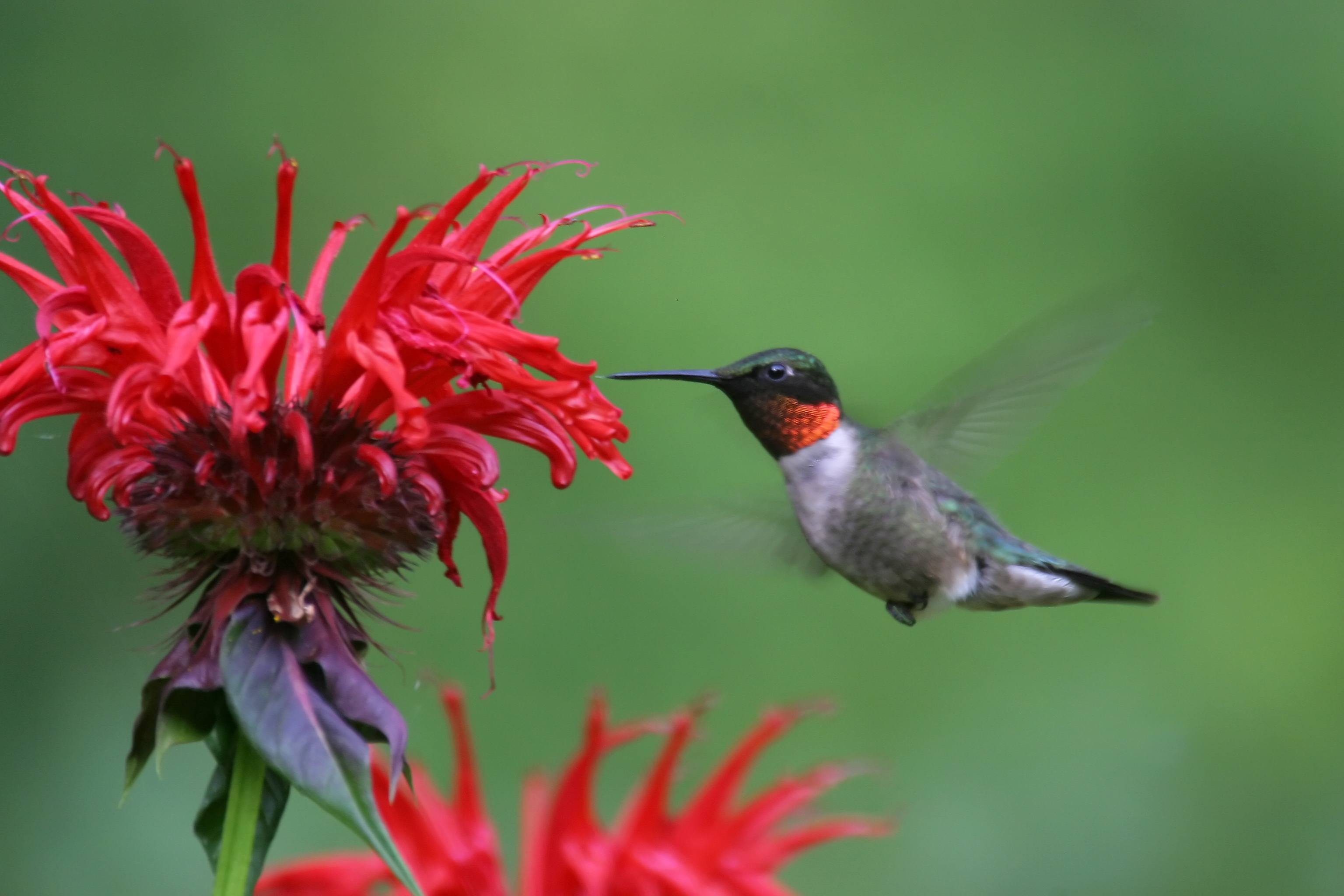
Hummingbirds feed on nectar from flowers. The flowers are pollinated by hummingbirds as they move from flower to flower.
commensalism
mutualism
parasitism
predation
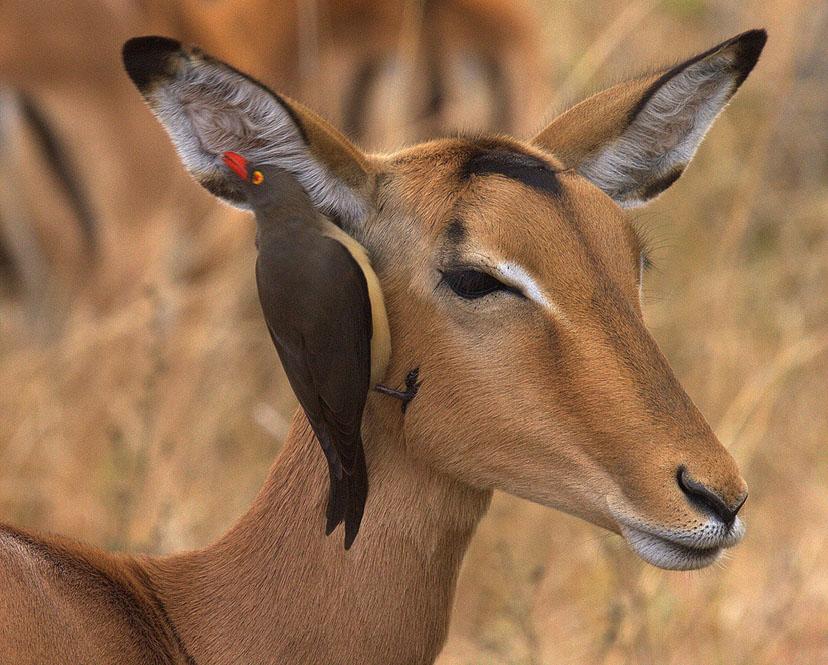
Red-billed oxpeckers are birds that often feed on parasites that infest impala. This is an example of ....
commensalism
mutualism
paratisism
predation
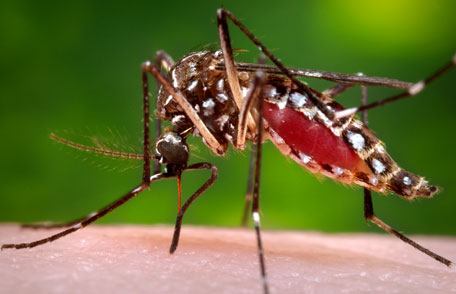
When a mosquito bites you, you are the __________ and the mosquito is the ____________.
host, hostess
parasite, host
host, parasite
prey, predator

Aphids are tiny insects that live on and eat the leaves of plants, removing vital nutrients from the plants.
Predation
Parasitism
Commensalism
Mutualism
Which of the following descriptions about the organization of an ecosystem is correct?
communities make up species, which make up populations
populations make up species, which make up communities
species make up communities, which make up populations
species are grouped in populations, which make up communities
The simplest grouping of MORE than one organism in the biosphere is a(n)
population
community
ecosystem
species
When individuals in a population reproduce at a constant rate and their numbers increase, it produces a growth pattern called
logistic growth
growth density
exponential growth

Type 2 curve shows us
deaths at the end
the graph going down
constant death at all stages
death at the beginning

parasites, disease, predators, are examples of what type of limiting factors?
density dependent
density independent
survivorship
type 1 curve
An S-shaped curve is known as
Exponential graph
Logistic Graph
Survivorship curves
Graphs
A herd of zebras would be considered a
community
ecosystem
species
population
All of the following are density-dependent factors that limit animal populations EXCEPT
weather
food competition
predation
birthrate

Which letter shows the the exponential growth of a population?
A
B
C
D
Refer to a population of 500 that experiences 55 births and 5 deaths during a one year period.If the population maintains the current growth pattern, a plot of its growth would resemble which of the following?
exponential growth
K-selected growth
fluctuating growth
logistic growth
________ grow slowly over time, cares for its young over a long period of time and is usually near the carrying capacity of its ecosystem.
K-strategists
Uniform strategists
environmentalists
R-strategists
Why do scientists use sampling techniques to gather population data?
their lazy
it is not possible to count an entire population
it is possible to count an entire population
they like to make estimations

If 50 crabs were captured and marked and then released and then a few days later 25 were caught and of those 5 were marked. What would the estimate of the population be?
500
250
75
200
If the number of births is greater than the number of deaths in a population, what will happen to the growth of the population? (assuming no immigration or emigration)
What is true about nutrients in the ecosystem (such as water, carbon, and nitrogen)?
They are not affected by humans in the ecosystem.
They cannot be recovered if they are lost in the ecosystem.
They cycle through the ecosystem in different forms to support life.
They are usually only found in one form in the ecosystem to support life.
Which of the following is the name given to organisms that make their own food?
autotrophs
heterotrophs
decomposers
omnivores

In an ecosystem, energy ___?___ and matter is ___?___
moves through, recycled
moves through, lost
is recycled, moves through
is gained, lost as heat

In this food web, mushrooms
all choices are correct
gain energy from all other organisms
are considered decomposers
recycle matter

Which organism would have the most bioaccumulation?
eucalyptus tree
wombats
kookaburras
koalas

