
 Worksheets
YEAR 5 SUMMER TERM C.A.T. REVISION
Total questions: 75
Worksheet time: 2hrs 47mins
How many manipulated/independent variables should be in an experiment?
One
Two
Many
What is a responding/dependent variable?
A variable being tested in an experiment.
A variable that changes depending on another variable.
A variable that is kept the same in an experiment.
How many responding/dependent variables should be in an experiment?
One
Two
Many
What is a constant?
A variable being tested in an experiment.
A variable that changes depending on another variable.
Variables that are kept the same in an experiment.
The height of bean plants depends on the amount of water they receive. What is the responding variable?
Height of plants
Condition of soil
Salt or fresh water
Amount of water
The higher the temperature of the air in the oven, the faster a cake will bake. What is the independent variable?
Time to bake a cake
Type of cake
Place in the oven
Temperature of the oven
Lemon trees receiving the most water produced the most lemons. What is the dependent variable?
Amount of lemons produced
Salt or fresh water
Amount of water
Type of citrus
One tank of gold fish is fed the normal amount of food once a day. A second tank is fed twice a day. A third tank is fed four times a day during a six week study. The fish’s weight is recorded daily. What should you keep the same?
Amount of food
Size of the tank
The weight of the fish at the end
Experimenter's hair color
______________ variables are quantities that a scientist wants to remain constant, and she or he must observe them as carefully as the dependent variables.
controlled
dependent
independent
materials
_____________ variables are the things that the scientist focuses his or her observations on to see how they respond to the change made to the independent variable.
controlled
dependent
independent
materials
_________________ variable is the one that is changed by the scientist.
controlled
dependent
independent
materials
An experiment usually has _________kinds of variables.
two
four
three
five
Which variable is intentionally changed by the scientist?
controlled
independent
not this one
dependent
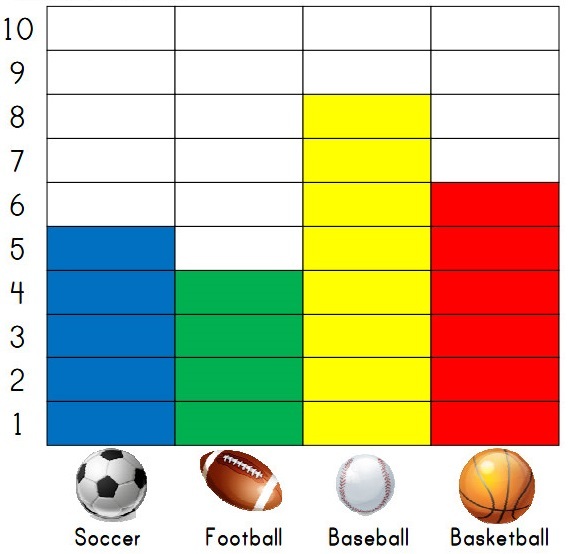

An experiment is performed on plants to see how different liquids affect plant growth. Each plant in the experiment is given a different liquid; water, apple juice, or milk. Each plant has the same amount of soil, sunlight, and listens to the same music. In this investigation, the variable is ...
The type of plant
The amount of sunlight
The type of music
The type of liquid
A student is planning an experiment to find out how the height from which he drops a ball affects how high the ball bounces. The variable is the _____.
Diameter of the ball
Force acting on the ball
Height that the ball bounces
Height from which the ball is dropped

Sadie is testing how the age of a seed affects how fast plants grow. Look at the picture to see if you can figure out what makes her experiment unfair.
She used different types of seeds/plants.
The plants are in same pots.
She did not plant very many plants.
Seed age might not make a difference.
Mrs. Goodwyn wants to see if studying time affects test scores...She gives all 6 classes the same assignment but assigns different study times. What is the constant/controlled variable?
Study Times
Test Scores
Same Assignment
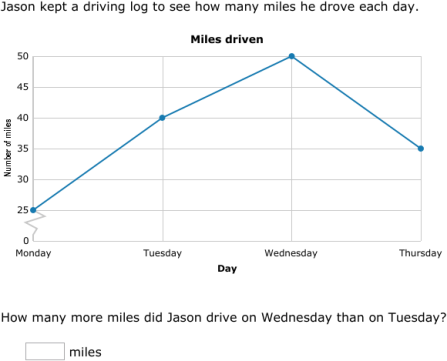

What is the dependent variable in this hypothesis:
If toxic waste is dumped into the lake, then the fish population will decrease.
Toxic waste being dumped
The decrease of the fish population
neither of these
Maddies wants to determine if the weight of the dog will determine the number of puppies in a litter. What is the dependent variable?
type of dog
number of puppies

The vertical axis of a line graph is called the __________.
slope
line of best fit
x-axis
y-axis

The horizontal axis of a line graph is called the __________.
slope
line of best fit
x-axis
y-axis
Bar Graph

The one factor that a scientist changes during an experiment.
Controlled Variable
Dependent Variable
Independent Variable
The variable that is measured.
Controlled Variable
Dependent Variable
Independent Variable
The factors that stay the same or are constant throughout the experiment.
Controlled Variable
Dependent Variable
Independent Variable


In the table, Bubbles is the ______________.
independent variable
dependent variable

Adnan sets up an experiment to see how the mass of a ball affects the distance it rolls off a ramp. Identify the independent variable.
Which is NOT a rule for a bar graph?
Color
Title
Y and X axis
Headline
Does a bar graph HAVE to have a title?
Yes
No
Which axis on a graph usually displays the dependent variable (DV)?
X
Y
Z

What is the independent variable in the dog data graph?
Dog's Mass (kg)
Year

Which axis is the independent variable in an X-Y line graph?
X-axis
Y-axis
The students grades are the ___________ variable.
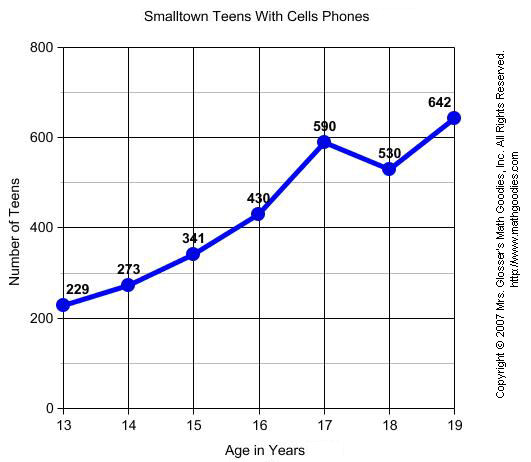

Choose the best title for this graph from the list below?
The effect of the number of trees on the type of tree
The change in type of trees over number of trees
Number of trees vs. Type of trees
A comparison of the number of trees for 5 different types of trees

The worlds population is constant over time.
The worlds population is going down (decreasing).
The worlds population was growing but now is decreasing.
The worlds population has been growing and will continue to grow.

The line graph shows five years of data about a dog. What information does the graph show?
How the mass of the dog changed.
How much food the dog consumed.
What kinds of food the dog consumed.
When the dog was measured each month.

The missing number at the top should be
0.0
2.0
1.5
1.2

This values are going up by increments of
1
2
3
4

The correct title to this graph would be
bounce height vs. distance dropped
distance dropped vs. bounce height
distance vs. time
distance dropped vs. time

The correct title to this graph would be
Baby zebras born vs. amount of rain
Amount of rain vs. baby zebras born
Baby zebras born vs. years
Amount of rain vs. years

Which equipment heats objects with an open flame?
hot plate
thermometer
bunsen burner
beaker


Used to hold solids and liquids during chemical reactions
(a)

evaporating dish
watch glass
mortar and pestle
funnel


It is very important that you wear ........ and ........ during every lab in order to protect my self from an type of harm.


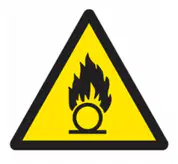
Identify the symbol.
Oxidizing agent
Flammable
No open flames
Hot surface
A student is finished working with chemicals or biologic specimens. Which of these is best for the student to do before leaving the laboratory?
Wipe your hands on your uniform
Rinse hands with water
Wash hands with soap and water
Use lotion to protect your hands


What safety symbol is this?
Explosion
Flammable
No Open Flame
Oxidizing Agent

4. Why are safety symbols important?
They tell me how to do an experiment
Because the icon looks cool
Symbols tell me the content of the substances
They tell me specific dangers
It is okay to drink water from a beaker if it looks clean.
True
False
Only report major injuries to your teacher.
True
False

Which of the following hazard symbols means flammable?
A
B
C
D

