
Font size
 Worksheets
Philosophy - summary
Total questions: 15
Worksheet time: 5mins
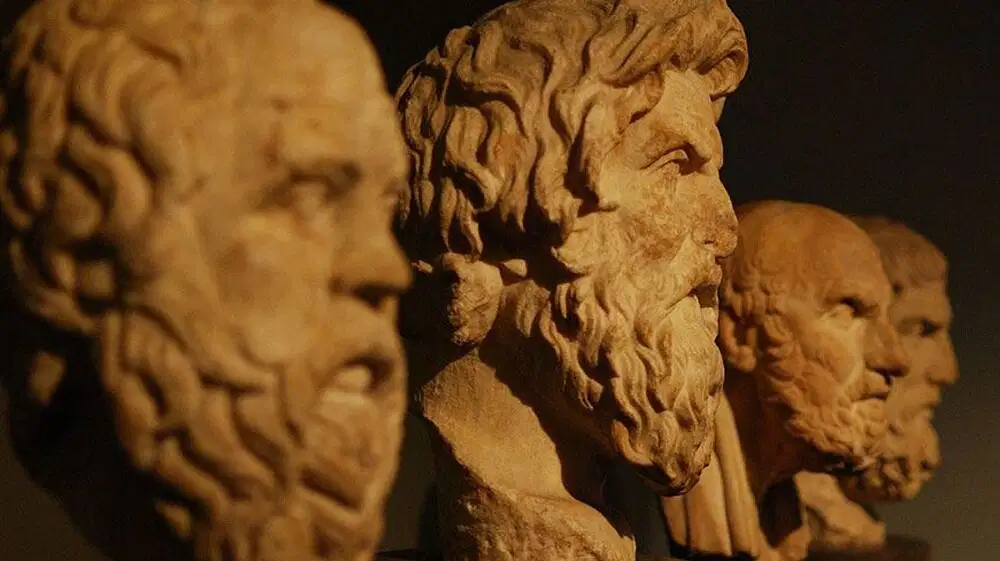
The Presocratics were looking for:
the source of our knowledge
the fundamental substance
a way to defend the Christian doctrines
the source of our morality

Who suggested that all matter, regardless of its apparent properties, must be "water":
Empedocles
Anaxagoras
Anaximenes
Thales
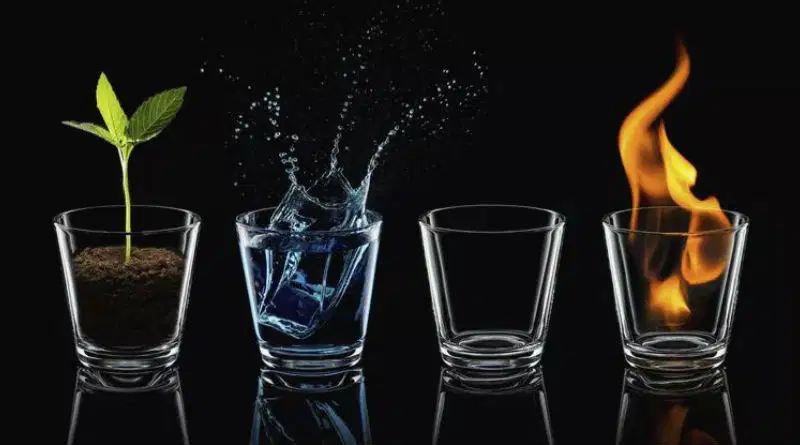
Who assumed that all matter was composed of four essential elements: fire, air, water, and earth?
Thales
Anaximenes
Empedocles of Acragas
Socrates
Who wrote about the Sophists and described them as "the anglers"?
Socrates
Plato
Aristotle
Thales
The so called "world of ideas" or "Forms" was created by:
Aristotle
Plato
Pythagoras
Socrates

Who is often referred to as one of the founders of Western philosophy, and yet he wrote nothing?
Pythagoras
Socrates
Plato
Aristotle
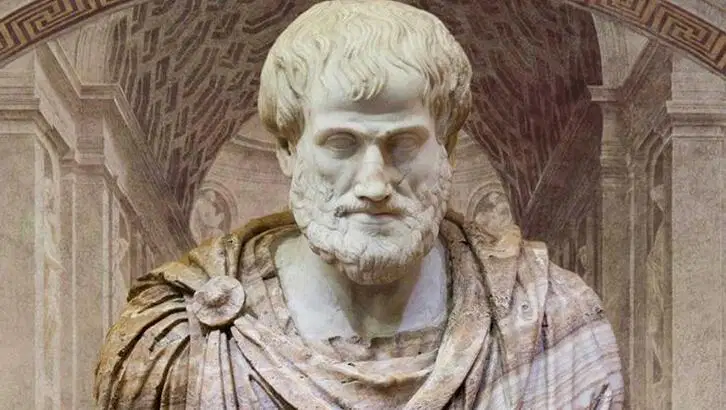
Who developed the first known classification system for plants and animals?
Aristotle
Plato
René Descartes
Thomas More

Which philosopher was interested in the problem of evil?
René Descartes
St. Augustine
Francis Bacon
St. Thomas Aquinas

Who decided to combine Aristotle's philosophy and the Bible (regarding the beginning of the world)?
St. Augustine
René Descartes
St. Thomas Aquinas
John Locke
Which of the following philosophers belong to rationalism?
René Descartes
John Locke
Gottfried Leibniz
Francis Bacon

Which of the following philosophers was NOT concerned with political philosophy?
Niccolo Machiavelli
St. Augustine
John Locke

John Locke believed that the human mind is like a blank canvas, also known as:
tabula rasa
ego cogito
cardboard
blackboard

________ is a belief that all values are baseless and that nothing can be known or communicated.
realism
nihilism
rationalism
empiricism
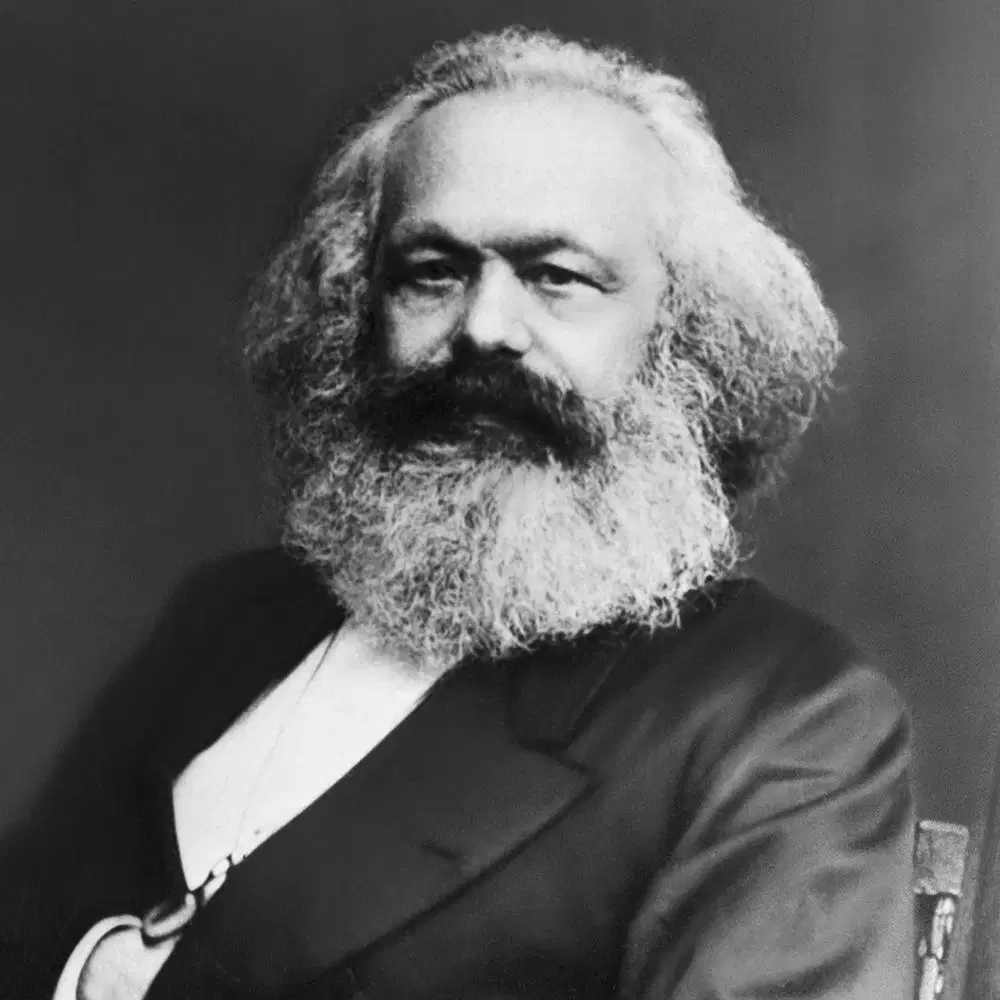
Karl Marx focused on:
group conflicts
source of our knowledge
meaning of life
fundamental substance

Which philosopher combines rationalism and empiricism into transcendental idealism?
Karl Marx
Friedrich Nietzsche
Immanuel Kant

