
Font size
 Worksheets
Environmental Systems Final Exam
Total questions: 20
Worksheet time: 19mins
What part of the water cycle takes place when water vapor sticks to particles in the air and forms clouds?
Precipitation
Evaporation
Condensation
Water accumulation
What is an aquifer?
An underground area of rock and soil that is soaked with water.
A freshwater source that is frozen year round.
A river that runs through a mountain.
An open area where glaciers melt.
How much of Earth’s water is fresh water?
1 percent
3 percent
77 percent
97 percent
Often water must be treated to become _______, safe to drink
pathogen
potable
clarified
bonifide
Which category uses the most water?
agriculture
cooling systems
industrial
residential
_______________ are any type of pollutant directly into the environment.
asbestos
smog
primary pollutants
secondary pollutants
___________ results from chemical reactions involving sunlight, air, exhaust, and ozone
Fog
Smog
Nitrogen
Oxygen
_______________ is an atmospheric condition that traps pollution near the ground
Temperature inversion
Pressure
inversion
Temperature anomaly
Pressure
gradient
What urban area has the worst air quality in the world for 2018?
Beijing
Delhi
Mexico City
Bombay
Gases, such as carbon dioxide from the burning of fossil fuels, increase the (a) effect when released into the atmosphere.

Catalytic converters, scrub-
bers, and electrostatic pre-
cipitators are examples of
technologies used to treat
sick-building syndrome.
technologies used to
counteract the effects of
acid precipitation on
aquatic ecosystems.
technologies used to cap-
ture radon gas.
technologies used to con-
trol pollution emissions.

Uranium-bearing rocks
underneath a house can be a
source of
ozone.
asbestos.
radon.
formaldehyde.
How much will the percentage of the world's population living in cities have increased by between the years 1950 and 2030?
38%
60%
22%
98%
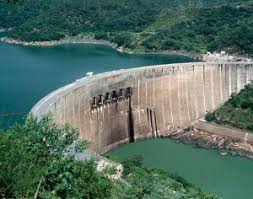
The image here is how humans control rivers for the last few hundred years. This is
diverting water thru canels
create an aquaduct
damming a river
desalination plant
A power plant requires a supply of fresh water from a lake to cool down its equipment. Once the water is used to cool down the equipment, the water is now hot and it is released back to the lake. What type of pollution is this?
non-point pollution
point-source pollution
thermal pollution
groundwater pollution
What can happen to fish when there is not enough oxygen in the water?
They can suffocate
They can't float
They can't see.
Nothing. Fish don't need oxygen.
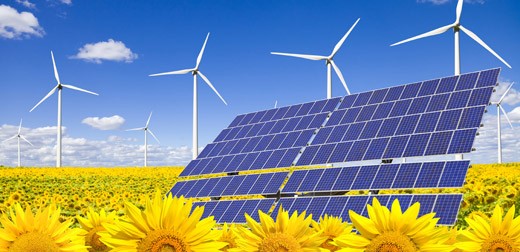
__________ is an energy resource that WILL NOT run out in the next several hundred years.
Renewable Energy Resource
Nonrenewable Energy Resource
Fossil fuels
biodegradable
What is a fossil fuel?
oil
biomass
wind
hydro

