
 Worksheets
Social Studies Final Exam
Total questions: 90
Worksheet time: 2hrs 43mins
What does the word "Renaissance" mean?
After Death
Rebirth
The Light
The study of Greece and Rome
What artistic technique was developed during the Renaissance that allowed paintings to have depth and made them appear more realistic?
Linear perspective
3D
2D
Impressionism
In what city did the Renaissance begin?
Paris France
London England
Berlin Germany
Florence Italy
What artist is well known for his painting of the Last Supper and Mona Lisa, he is also known for his inventions and studies of the human anatomy.
Leonardo da Vinci
Michelangelo di Lodovico Buonarroti Simoni
Donato di Niccolò di Betto Bardi
Raffaello Sanzio da Urbino
What scientist believed that the Sun was at the center of our solar system and that the Earth rotated around the Sun.
George Lucas
Mark Hamel
Galileo Galilei
Neil de Tyson
What five principles did the people of the Renaissance study?
Paintings, math, languages, alchemy, and Religion
Art, Humanism, Music, Religion, and Science
School. Math, Art, Computer, ELA
Music, Inventions, Space, Animals, Time
What invention during the Renaissance allowed astronomers like Galileo study the planets?
Microscope
Telescope
Alesocope
fiberglass
This method was developed during the Renaissance that allowed scientist to follow the same steps to formulate and test theories, this method also lead to the Scientific Revolution.
Music Method
Writing Method
Scientific method
Mathematics Method
An Italian sculptor, painter, poet, engineer, and architect. Famous works include the mural on the ceiling of the Sistine Chapel, and the sculpture of the biblical character David.
Michelangelo
Giovanni de Medici
Humanism (Renaissance)
John Calvin
4
Arguments written by Martin Luther against the Catholic church. They were posted on Octobe 31, 1517.
Florence
95 Theses
Renaissance
During the Renaissance, artwork became less realistic.
What device helped Europeans navigate at sea by using a magnetized needle that points to a coordinate direction?
Steam Engine
Compass
Astrolabe
Rudder

Which navigational device invented by the Portuguese had a rudder, square and triangular sails, several masts, and could be used to travel close to the shore?
Caravel
Astrolabe
Frigate
Compass

Conquistadors is a Spanish word meaning:
to entrust
to connect
court
conquerors

The inhumane voyage of slaves across the Atlantic ocean was called the
End of Days
Middle Passage
Final Destination
End of Freedom

Japan responded to European exploration by introducing what policy?
Mercantilism
Closed Country
Open Country
Free Trade
An instrument used in navigation that used astronomy to determine direction
Astrolabe
Compass
Cross Staff
Cartography
The intentional and unintentional exchange of ideas, food, diseases, people, and animals between the Old World and the New World.
Triangular Trade
Columbian Exchange
Old World/New World Exchange
Brazilian Exchange
Ferdinand Magellan was the first explorer to...
find the Cape of Good Hope.
discover modern-day Canada.
encounter the Mayans.
circumnavigate the globe.
What is capitalism?
an economic system in which the people have limited rights
an economic system where businesses are privately owned and operated for profit
a system where the government controls business
an economic system in which most property and resources are publicly owned or controlled


What continent is this?
Eurasia
North America
South America
Australia

What continent is this?
Eurasia
North America
South America
Australia

What continent is this?
Eurasia
North America
South America
Australia
The largest continent in the world is?
Asia
Africa
Europe
Australia


Germany is a country on which continent?
North America
South America
Russia
Europe
Guatemala and Mexico are countries on which continent?
South America
North America
Mexico
Europe
The Sahara desert is in...
America
Europe
Africa
Asia
Australia, New Zealand and Papua New Guinea are in...
Oceania
Antarctica
Asia
Africa
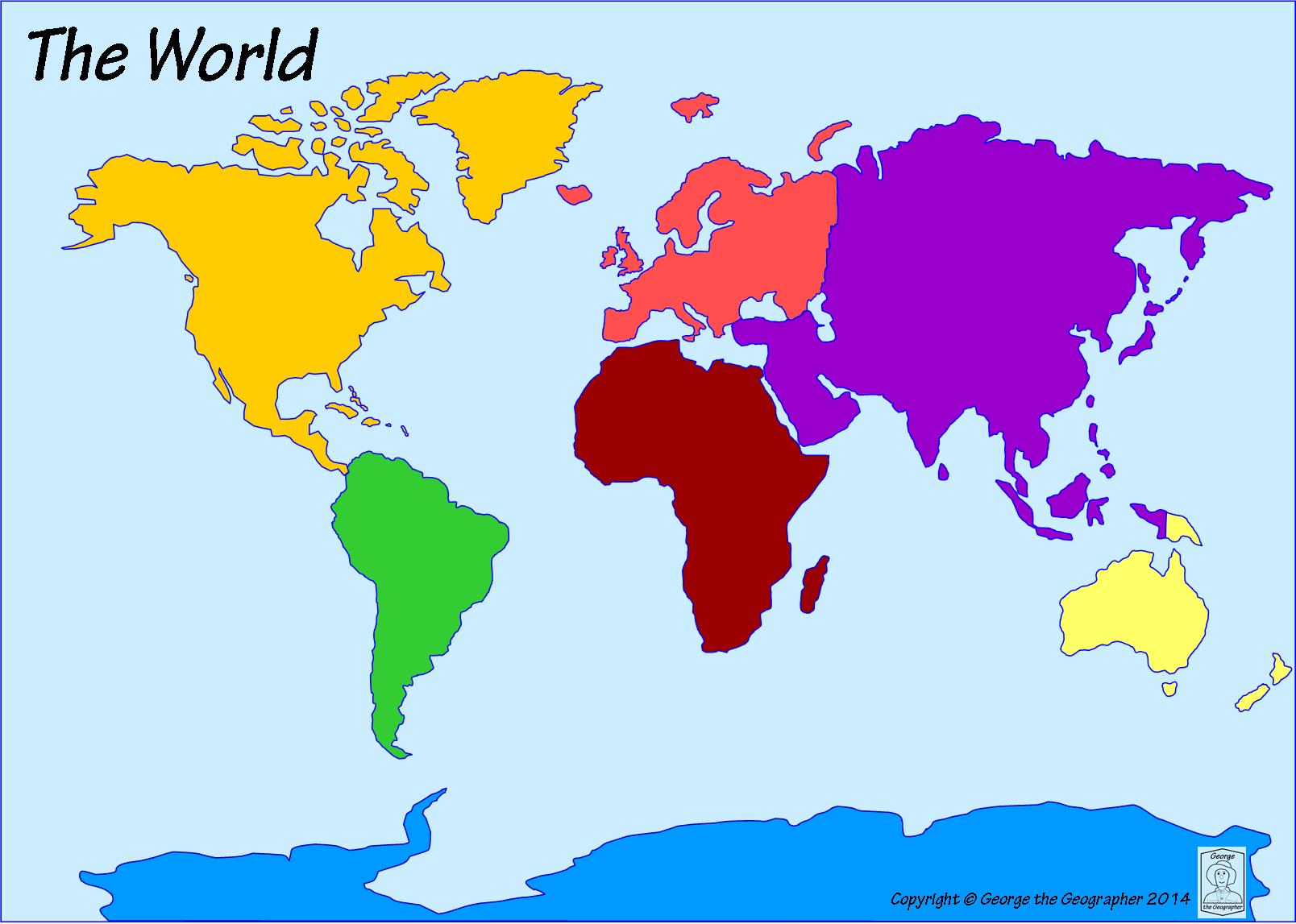
What continent is directly south of North America?
Australia
Europe
Africa
South America

What state is this ?
Baltimore
Tennessee
New York
New Jersey

What is the capital of Wyoming ?
Springfield
Cheyenne
Denver
Baltimore

What is the capital of Colorado
Topeka
Frankfort
Denver
Baltimore

What state is this ?
New York
Carolina
Colorado
Virginia

What is the state is this
Indiana
Missouri
Illinois
Kentucky
What is the capital of Texas
Houston
Austin
Dallas
Clarksville
What is the capital of Tennessee
New York
Denver
Nashville
Clarksville

What state is this
Florida
Louisiana
Arkansas
Georgia
What is the capital of Alabama
Houston
Atlanta
Georgia
Montgomery
What is the capital of New Mexico?
Santa Fe
Boise
Boston
Alabama
What state has the capital of Lansing?
Alabama
Arkansas
Michigan
Connecticut
Washington D.C,______________
United States
New York
Alabama
Virginia
What is the capital of Kansas?
Harrisburg
Topeka
Pierre
Springfield
_____________,North Carolina
Raleigh
Georgia
Columbia
Lincoln

What era most inspired people in the Enlightenment to apply reason to society and government?
The Protestant Reformation
The Age of Exploration
The Scientific Revolution
The Renaissance
When the government agrees to protect natural rights and citizens agree to abide by the laws and respect their leaders, they have a:
Separation of Church and State
Separation of Powers
Social Contract
Right to Rebel
The idea that religion should not be involved with government is called:
Separation of Powers
Separation of Church and State
Religious Tolerance
Natural Rights
Which one of the following is not a natural right?
Life
Money
Liberty
Property
Many Kings before and during the Enlightenment believed that they were given the right to rule from God. This idea is called:
Natural Right to rule
Divine Right
Unlimited Power
Absolute Monarchy
Which enlightenment thinker came up with the idea of laissez-faire?
John Locke
Adam Smith
Voltaire
Rousseau
The term "laissez-faire" literally means:
hands on
total control
hands off
zero control
What is a tyrant?
Cruel leader
Enlightened Despot
Strong ruler
A Monarch
During which years was the Enlightenment occurring in the world?
1701 - 1788
1776 - 1865
1715 - 1789
1987 - 2017

According to Enlightenment thinker John Locke, why are governments created?
God gives monarchs a divine right to rule over their people
People are naturally selfish and need a strong ruler to create order
People set up governments to protect their lives and property
Civil government must be established to offset the power of the church
What happed on July 14, Bastille Day?
Robespierre was executed by guillotine.
French women marched all the way to Versailles.
a mob stormed the prison looking for gunpowder
all of these
Which group most strongly embraced the ideals and principles of the Enlightenment?
the nobility
the bourgeoisie
the peasant classes
the urban class


The movement of people from rural areas to cities.
Urbanization
Socialism
Industrialism
Utilitarianism
Several corporations were guilty of creating an ___________, or having total control of one industry.
Mass Production
Patent
Monopoly
Railroad
Manufacturing large quantities of identical goods at a cheap price.
Proletariat
Trade Unions
Assembly line
Mass Production
Supporters of this type of society believed that the government should own and control the means of productions- land, factories, raw materials, etc.
Utilitarianism
Liberalism
Socialism
Capitalism
The time in history were there was an increase in machines which replaced work that was once performed by animals or humans.
Corporation
Industrialism
Monopoly
Mass Production
The name Karl Marx gave to the middle class citizens that he believed would revolt and create a communist society.
Railways
Agricultural Revolution
Proletariat
Farmers
Where did the Industrial Revolution begin?
Massachusetts
France
England
Ireland
During the mid-1800s the development of the factory system in the United States contributed to .....
a decline in number of immigrants
the rapid growth of cities
the overall lowering of standard of living
a decrease in agricultural production
This machine allowed factories to be built anywhere, powered by coal?
flying shuttle
spinning jenny
steam engine
cotton gin
Which statement is true?
Children were not allowed to work in the mines during the Industrial Revolution.
Work conditions were closely regulated
There were no labor laws that prevented children from working
Children were allowed to work but they were treated fairly
The system in which the government owns and controls the means of production, such as mines and factories, is called?
fascism
capitalism
communism
mercantilism
The powered loom made textile production easier. What is the best synonym for "textile?"
Steel
Coal
Cloth
Cotton
Which of the following was a major effect of the Industrial Revolution?
Poverty was completely eliminated.
Societies moved from agriculture to industry.
The number of wars between countries decreased dramatically.
Unemployment increased dramatically.

