
Font size
 Worksheets
SUMMER HOME ECONOMICS YEAR 8 REVISION BOOK
Total questions: 115
Worksheet time: 56mins

WHAT TYPE OF FAMILY RESOURCES IS THE PICTURE
MATERIAL RESOURCES
NON-MATERIAL RESOURCES
HUMAN RESOURCES
Tangible assets such as house and lot, furniture and appliances, jewelry, automobiles, and cash.
HUMAN RESOURCES
MATERIAL RESOURCES
NON-MATERIAL RESOURCES
Serves as protection against natural threats, such as extreme weather and dangerous creatures, and even as security against human beings.
FOOD
CAR
SHELTER
Groceries, raw, cooked food, staples, condiments, and spices are what component of family’s budget allocation?
Clothing
EDUCATION
FOOD
SHELTER
Tuition fees, books, daily food, transportation allowance of children are example of?
Food
Utilities
Health
Education
Intangible resources such as time, health, and experiences
Material resources
Human resources
Non-material Resources
Family reources
Amount of money set aside or deposited in bank.
Food
Health
Savings
Education
The Mariano family has a vegetable garden in their backyard. Excess harvests are sold in the neighborhood which is a good source for _____ income
Material Income
Psychic
Real
Supplementary Income
Human resources are those which refer to family members and what each one possesses.
TRUE
FALSE
Non-human resources are things and elements which are available to the family and to everyone.
TRUE
FALSE
Which of the following is a non- material resources
a. Intelligence
b. Health
c. Jewelry
Which of the following is a material resources
a. Strength
b. money
c. health
Skills is what kind of resources?
a. Material resources
b. Non- Material resources
c. Human Resources
Plants is what kind of resources?
a. Material resources
b. Non- Material resources
c. Human Resources
Knowledge doesn’t include facts and information.
TRUE
FALSE
Money is the purchasing power that helps one acquire his needs.
TRUE
FALSE
A ___________ include anything tangible or intangible that helps provide for the needs of its members.
a. Family’s resources
b. Income
c. Salary
d. Wages
Resources that includes everything owned by the family like house and lot, appliances, and jewelry are___________.
a. Non-material resources
b. Resources
c. Material resources
d. Human Resources

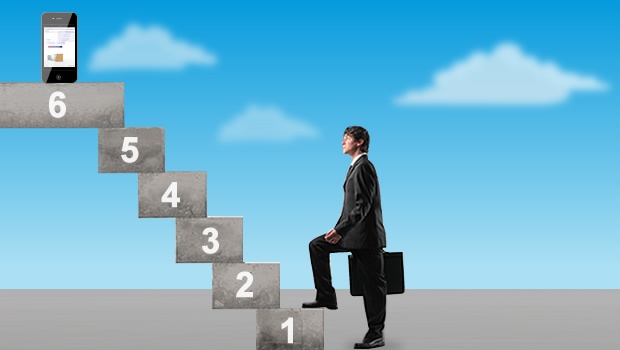
B. State the problem or situation
List your possible choices
The process of making a choice or solving a problem.
Decision Making
Experience
Integrity
Values

How many steps does the decision-making process have?
4
6
10
12
We need _____________ for our body to grow well and stay healthy.
teeth
nutrients
food
sleep
Our body uses _____________ to carry out daily activities.
energy
hands
nutrients
protein
What nutrients do different types of food have?
carbohydrates and vitamins
protein and carbohydrates
fats, vitamins and minerals
fats, vitamins and minerals, protein, carbohydrates
__________________ are energy giving foods.
minerals
fats
carbohydrates
protein
What nutrient keeps our body warm?
fat
protein
fruits and vegetables
carbohydrates
Tick all foods that belong to the Protein Food Group.


Water makes up more than half of our body.
True
False
How much water does our body have?
50%
90%
75%
100%
Tick all the foods that belong to the Carbohydrates Food Group.


We have ____________ milk teeth.
twenty-five
20
thirty
35
The Essential Nutrients are:
1.) Vitamins and Minerals
2.) Fats
3.) Proteins
4.) (a)
5.) Fiber
6.) Water

This bread contains . . .
carbohydrate
fat

This juice contains . . .
protein
vitamin

This cheese contains . . .
protein
carbohydrate

This Soybean contains . . .
protein
carbohydrate

This milk contains . . .
carbohydrate
protein

this banana contains . . .
vitamin
protein

this fatty meat contains . . .
protein
fat

this butter contains . . .
vitamin
fat
What is a carbohydrate?
Fish
Rice
Melon
Meat
Eggs are...
Proteins
Carbohydrates
Fats
Oils

Which of the following nutrients provides energy to the body?
carbohydrates
vitamins
water
minerals

Which of the following nutrients is important for body, cell, and muscle growth and repair?
vitamins
fats
proteins
carbohydrates

Yogurt belongs to what food group?
Dairy
Protein

One half of your plate should be
Protein
Dairy
Grains
Fruits and Vegetables

Which mineral helps build strong bones and teeth? (found in milk)
Potassium
Calcium
Iron
None
To be healthy we have to...
eat junk food.
sleep all day.
do exercise, eat healthy and rest.
watch TV all day.
Which group of foods should be taken in a small amount?
Carbohydrates
Fats
Vitamins
Proteins
The following are foods that contain carbohydrates except?


We get protein from?


What happens when you have too much fat in your diet?
Obesity
Diabetes
Thin
Kidney disease
What is the food pyramid?
A guide to take care of our food
A guide to choose healthy food
A guide to increase stamina
A guide to buy types of food
Vegetables are a protein supplier to the human body. Vegetables are a first class protein.
Correct
Wrong
Not accurate
No answer
Carbohydrate provides the most important source of energy for our body. Example of carbohydrate is


Dairy products are made up of milk, cheese and milk. These foods are rich in protein, vitamin B and fat
Correct
Wrong
Not accurate
No answer
On level 4 of the food pyramid, we are encouraged to consume these types of foods in small quantities. Among the types of foods in this level are oil, sugar and ________
Meat
Nuts
Cereal
Salt
What is the function of fat?
Provide energy
Protect our vital organs such as heart and kidney
For formation of bones and muscles
To maintain a healthy body

Which kitchen layout is represented in the picture?
Parallel Shape
Straight Shape
U-Shape
L-Shape

Which kitchen layout is represented in the picture?
Parallel Shape
U-Shape
L-Shape
Straight Shape

Which kitchen layout is represented in the picture?
U-Shape
Peninsular Shape
Parallel Shape
Straight

The image is a demonstration of which type of kitchen unit?
Parallel Unit
Peninsular Unit
Base Unit
Counter Unit
The most common kitchen layouts are:
Peninsular Shape
L-Shape
Parallel Shape
U-Shape
Which of the following is a peninsular unit?


Which kitchen layout is represented in the picture?
Parallel Shape
Straight Shape
U-Shape
L-Shape
Which kitchen layout is represented in the picture?
Parallel Shape
U-Shape
L-Shape
Straight Shape
Which kitchen layout is represented in the picture?
U-Shape
Peninsular Shape
Parallel Shape
Straight
Which of the following units will be most appropriate if only a small space is available for a kitchen?


Which kitchen unit stands in the center of a large kitchen with a hob or sink unit in the work top?
Base Unit
Wall Unit
Work tops unit
Island Unit
Units that fit from floor to ceiling, and may include oven housing as well as cupboards and drawers is know as what type of kitchen unit?
Base Unit
Wall Unit
Tall Unit
Worktops Unit
Which of the following units is used to form a barrier between the kitchen and the dining area?


Which of the following is the correct food preparation sequence?
Food storage
Food preparation Cooking
Serving
Cleaning up
Food storage
Cooking
Food preparation
Serving
Cleaning up
Food storage
Serving
Food preparation Cooking
Cleaning up
Food storage
Cleaning up
Food preparation Cooking
Serving
The THREE major appliances in a kitchen are:
Refrigerator
Cooker/Range
Microwave
Refrigerator
Cooker/Range
Dishwasher
Refrigerator
Cooker/Range
Sink
Counter Top
Cooker/Range
Sink
The sink should be placed between the refrigerator and the cooker.
True
False
The sum of the sides of the work triangle should not be smaller than 15 feet or larger than 22 feet.
True
False

This is an example of what type of Kitchen?
One Wall
L Shaped
Corridor / Galley
U Shaped
Island

This is an example of what type of Kitchen?
One Wall
L Shaped
Corridor / Galley
U Shaped
Island

This is an example of what type of Kitchen?
One Wall
L Shaped
Corridor / Galley
U Shaped
Island

This is an example of what type of Kitchen?
Peninsula
Double L
Corridor / Galley
U Shaped
Island

This is an example of what type of Kitchen?
Peninsula
Double L
Corridor / Galley
G Shaped
Island


You must always _________ to prevent accidents. Choose the correct answers
Concentrate
Read your recipe whilst chopping
Listen
Watch where you are walking
Use plastic tools
Q4. Describe one way to carry a knife safely when moving around the kitchen.
By the handle pointing forwards
By the blade so it is covered up
By the handle pointing downwards
On a tray
Q5. What are the temperatures that form the danger zone for food safety?
0 to 60 degrees
60 degrees to 100 degrees
Between 5 degrees and 63 degrees
Under 5 degrees
Q6.Identify 3 times you should wash your hands whilst cooking.
When shaking hands with someone
After you have sneezed or coughed
After you have been to the bathroom
When you leave the classroom
After you have handled meat
Q7. What should you use to take a tray out of the oven.
A tea towel
A damp dishcloth
One oven glove
A pair of oven gloves
Q7. Match this knife hold - bridge hold


Q7. Match this knife hold - claw grip
What temperature should frozen food be stored at?
Below -18C
Below 5C
Over 60c
None of these
What does bacteria need to grow?
Warmth
Ice
Water
Time
Food
Bacteria ______ very fast.
multiply
divide
addition
What foods are ideal for bacteria to grow?
chocolate
chips
meat
cheese
Why should you leave the sink and work surfaces clean at the end of your practical lesson?
To keep miss happy
To ensure that all bacteria has been killed, making it safe for the next class
So the next class don't know what you made
So the room doesn't smell
Why do we use washing up liquid to wash the dishes?
Bubbles!!
The washing up liquid breaks down the fats and helps to removes dirt
The washing up liquid makes the plates smell nice
It helps to make the dishes clean and shiny
What happens to bacteria when they are cooled to below 5c?
Bacteria is dormant - grows slowly or not at all
Bacteria dies
Bacteria is in a deep sleep
Bacteria is active so multiplying fast

