
Font size
 Worksheets
general revision Q4
Total questions: 225
Worksheet time: 2hrs 7mins
Why do some saguaro cactuses have more branches
than others?
The environment has more sunlight.
The environment has more water.
The environment has more temperature.
The
the environment has more space.
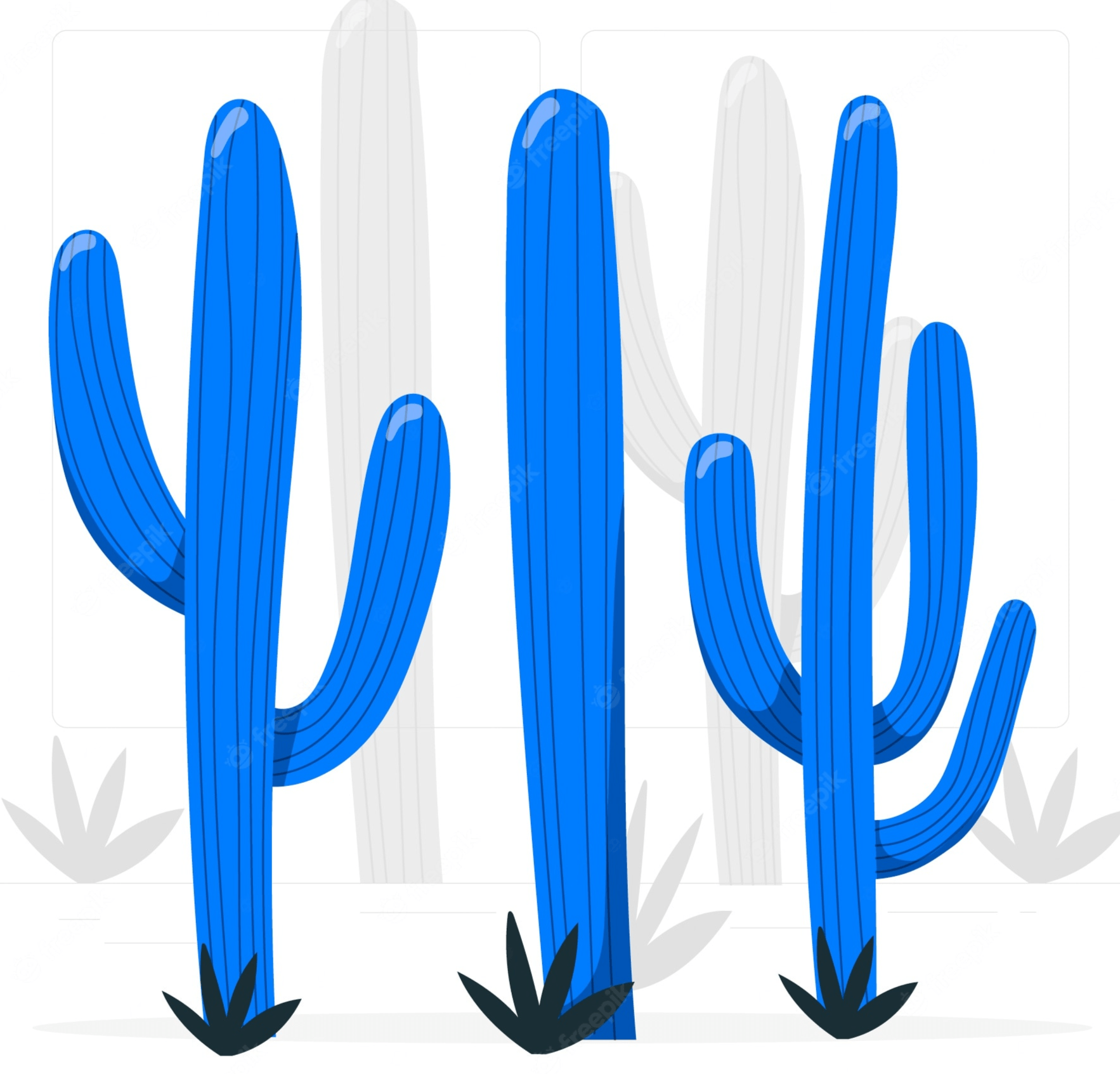
Why do the cactuses have different shapes?
The cactus with many branches gets less wind.
The cactus with no branches gets more
sunlight.
The amount of water they get influences their
shape.
The cactus with many branches gets less soil.
A flamingo’s feathers are originally orange in color.
true
false
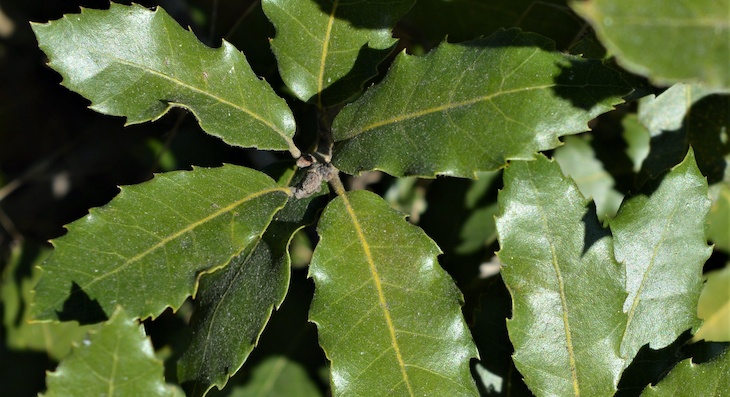
When the environment is warmer, the leaves of the holy oak
the tree grows larger.
true
false
Organisms' traits don’t affect by the environment.
true
false

Plant stems grow toward the sunlight.
True
False
The flamingo’s environment affects its color.
True
False
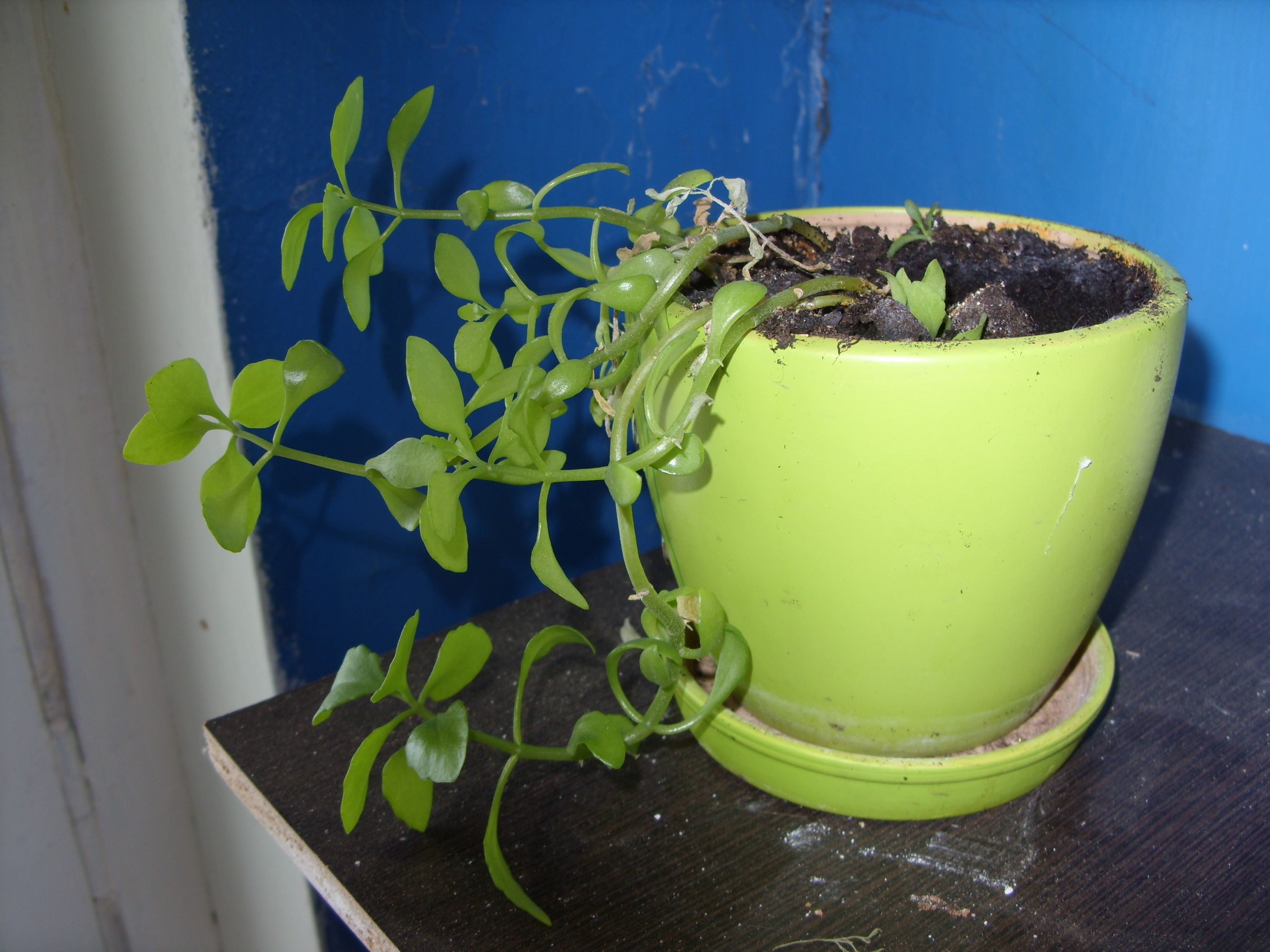
Look at the picture. How is the environment influencing the
growth of the plants?
The plant is only getting sunlight from one
side.
The plant is getting too much soil.
The plant is not getting watered.
The plant is not getting air.
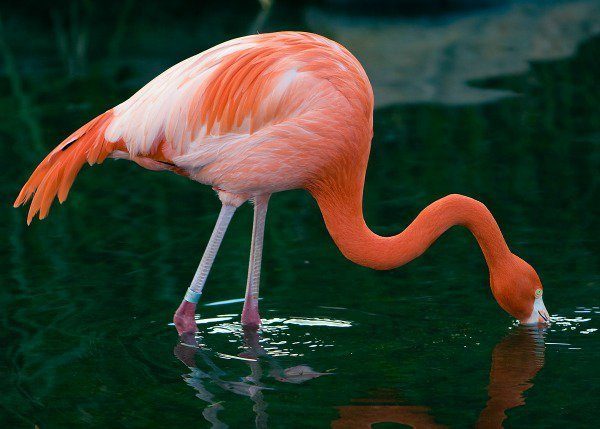
How can the kind of food affect flamingos?
flamingos grow large leaves.
flamingos become male or female.
Flamingos' Feathers turn pink when they eat shrimp
Flamingos develop longer tails and helmet-like protection
How can temperature affect the holy oak tree?
The holy oak tree has large leaves in warm temperatures and small leaves in cold temperatures.
The holy oak tree grows helmet-like protection and a long tail.
The holy oak tree can be male or female.
How can temperature affect the crocodile eggs?
The crocodile eggs become male or female
The crocodile eggs develop longer tails and helmet-like protection.
The crocodile eggs grow large leaves in the warmer temperature.
why the cactuses have different shapes?
because of the amount of water
because of the sunlight
saguaro cactuses form more branches when the environment has more
water
air
when the flamingo eats algae and shrimps the color becomes
white
pink
environment with more water shows


flamingo's feathers turn to ............. after eating shrimps and algea.
pink
white
Which of the following is/are factor that influence the plant's growth?
air
water
food
all of them
Which one is a definition of inherited trait?
a characteristic a living thing gets from its parents
a characteristic a living thing gets during its lifetime
a behavior a living thing learns from its parents
a behavior a living thing learns from experience
A _________ is a living thing, such as a plant or an animal.
organism
gene
trait
variation

How are the plants in the picture influenced by their environment?
They are being grown in the dark.
They are not getting watered.
They are getting too much soil.
They are only getting sunlight from one side.

True or False. One way that the environment affects the traits of crocodile eggs is that they may become male or female based on the temperature.
True
False
Camel has adaptation helps it to live in .............. habitat.
hot-dry
cold
warm-moist
forest
.............. is a trait that helps an organism to survive, find mates or reproduce.
Variation
Adaptation
Trait
Inherit
Sandfish lizard has adaptation. what is it?
Has webbed feet
Grow more arms
Digs holes in the sand
Has thick fur
Plants that live in cold habitats have .......... to keep them warm.
hairs
fur
hump
fins
.......... is a group of living things of the same kind.
Adaptation
Species
Trait
Sandfish
A bear's fur is ............
a habitat
an adaptation
an environment
a lizard
Adaptation helps an organism find mates.
True
false
which animal can survive in hot dry
habitat?
tree frog
sandfish lizard
polar bear
fish
Saguaro cactus has adaptation helps it to …………..
Survive in the desert
Digs holes in the sand
Snakes are covered with scales that help them move over the hot desert sand.
true
false
Cactus with fewer arms will produce more offspring.
true
false
Cactus with more arms will produce more offspring.
true
false
………. is a feature of an organism.
Parent
Trait
Variation
The sandfish lizard lives in ……………………
arctic
desert
Forest
warm-moist
The tree frog lives in ………… habitat.
warm moist
hot dry
cold
Polar bear lives in warm moist habitat.
True
False
.............. is a trait that helps an organism to survive, find mates or reproduce.
Variation
Adaptation
Trait
Inherit

Cactus with fewer branches will reproduce more
true
false
Cactus with more branches will produce more offspring.
true
false

A cactus has............. , Survive in strong wind
Wide, short stem
Long and narrow stem
A cactus that lives in desert ........... to survive
Store more water
Store less water
Store more oxygen
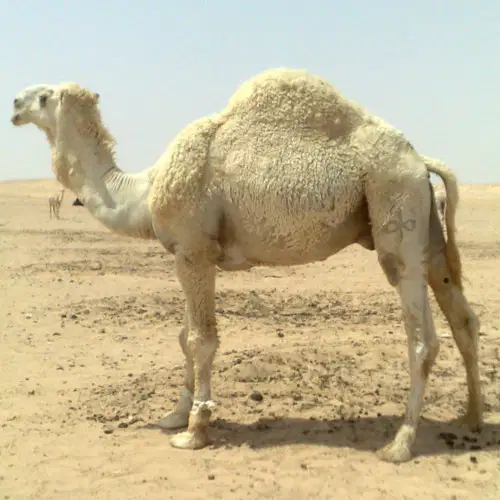
camel adapted in .................... that has a ....................to store food and water
desert
water
hump
wings
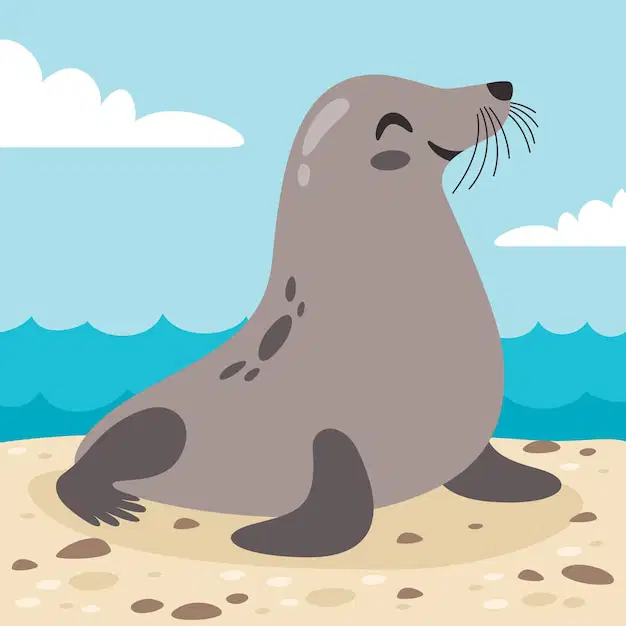
sea lion lives in......................., it has ....................to protect it
hot water
cold water
thick fat layer
thin fat layer
plants live in cold places covered with .....................
hair
feather
fur

......................dig hole in sand for protection and survive
sand fish lizards
bears
frogs
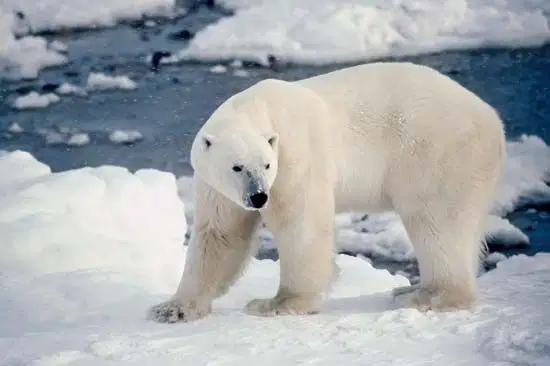
polar bear lives in .....................and has ..........to survive
cold area
thick fur and fat
hot area
feather
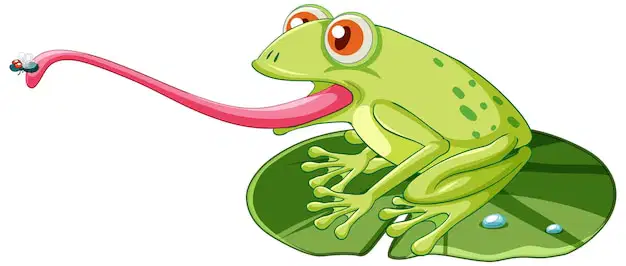
.......has long tongue to survive to help it catches insects
tree frog
sand fish
shark
which animal can survive in hot dry
habitat?
tree frog
sandfish lizard
polar bear
fish
Adaptation helps an organism find mates and reproduce
True
false
The tree frog lives in ………… habitat.
warm moist
hot dry
cold
Polar bear lives in warm moist habitat.
True
False
Saguaro cactus has adaptation helps it to …………..
Survive in the desert
Digs holes in the sand
A bear's fur is ............
a habitat
an adaptation
an environment
a lizard
.......... is a group of living things of the same kind.
Adaptation
Species
Trait
Sandfish
a male widowbird has an adaptation ......................... to reproduce more and attracts more female
long tail
short tail
a giraffe adaptation is ...............to eat leave on a tree
long neck
short neck
long tail
short tail
Individuals of the same kind may have ............... traits
Same
Different
........... is a group of living things of the same kind.
Species
Team
Male widow birds with longer tails attract for mating more than males ŵidow birds with shorter tails.
True
False
Male widowbirds with.............. tailsattractfor mating than males widow birds with shorter tails.
Longer
Shorter
Canada geese migrate ......... every fall.
North
Wintereast
South
There is danger in number of baboons.
True
False
........... means move to a different place.
Play
Drink
Migrate
..........means anything that helps the animal.
Disadvantage
Advantage
........... is a trait that helps animal survive, find mates or reproduce.
Adaptation
Survive
Migrate means to stay in the same place.
True
False
Sandfish lizard would not live in the arctic because there is no ......... there
Sand
Water
Ice
Each leave cutter ant works alone to feed itself
True
False
Fish work together to avoid being eaten by a predator.
True
False
There are some animals that survive by living alone.
True
False
Choose animals survive in groups
Lion
Penguins
Ants
Baboon
Polar bear
Baboon live in groups for
Protection
Sleeping
Save energy
Why do penguins live in groups
To warm themselves
To play with each other
To swim
.......... Live in groups to catch larger prey
Wolves
Elephant
Baboons
Birds
Leaves cutter Ants live in group to
Find food
Walk together
Catch prey
......... Live in groups to raise up offsprings
Ants
Elephant
Wolves
...................... migrate
Canada geese
elephants
some birds migrate to ........................
find food or warmth
raise up offspring
...............lives in groups
cats
tiger
wolves
polar bear
...............lives individually
tiger
penguins
bees
polar bear
...............survive individually
sealion
penguins
bees
camel
all animals live in group to survive
true
false
Some advantages for animals in large groups is .....
Keeping cool
Protection
Animals living in groups is ........
An advantage
A mistake
There is ..... in number of baboons.
Risk
Safety
Some predators work together to help capture ......
Herds
Prey
Elephants form ....... or groups.
Herds
Sand
Animals must find food and avoid predators.
True
False
Live in groups advantages are
find food and live easier
fight together
Raising up young
protect each other
Live in groups disadvantages is
make predators see group easier
find food
live easier
protect each other
Disadvantage is anything that harms the animal
true
false
what's the meaning of disadvantage ?
anything that harms the animals
anything that helps the animals
Geese usually fly South during the winter. That means geese ____________.
explore
migrate
hibernate
molt
Skunks rest when less food is available for them to eat. That is an example of skunks
hibernating
migrating
exploring
molting
Snakes shed their skin as they grow. That means snakes ________ their skin as they get older.
hibernate
migrate
eat
molt
When a plant goes dormant in the winter, the plant
is slowly dying
protecting itself from predators
goes into a state of rest
is falling apart

Bats rest when less food is available for them to eat. That is an example of bats
hibernating
migrating
exploring
molting
Bison shed their fur in the spring. . That means bison ________
hibernate
migrate
eat
molt
To _________ is to stay alive.
design
prey
survive
infer

Geese usually fly South during the winter. That means geese ____________.
explore
migrate
hibernate
molt

wildfires may cause
slow changes
fast changes

beavers cut trees to
they build mounds
they release poison
they build dams
ice melt
fast change
slow change
The movement of some animals from place yo another in winter
Migration
Hibernation
When animals stay in rest or sleep all winter
Migration
Hibernation
Bats and bears
Hibernate
Migrate
Animals migrate to warmer place to
Find food
Find friend
Butterfly and canada geese
Hibernate
Migrate
Bears hibernate to
Save energy
Save water
Save money
bison shed their fur in
winter
spring
fall
which animals shed their fur in spring
cow
bison
tiger
birds
Why do animals hibernate?
They are tired
They want to move to a warmer place
To save energy and survive the winter
bison regrow their thick fur in ................ to survive in cold weather
winter
summer
fall
Animals shedding their fur
Molt
migrate
hibernate
sleep
Camellia bushes regrow their leaves in
Winter
Spring
Fall
Camellia bushes leaves fall down in
Winter
Summer
Spring
caladium become dormant in
dry season
winter
rainy season
some plants become in dormancy to
find food
To save water in dry season
warm

caladium become.......in dry season
hibernate
dormant
migrate
sleep
A bear's fur is ............
a habitat
an adaptation
an environment
a lizard
.............. is a trait that helps an organism to survive, find mates or reproduce.
Variation
Adaptation
Trait
Inherit
Adaptation helps an organism find mates.
True
false
………. is a feature of an organism.
Parent
Trait
Variation
Select ALL the ways why animals adapt to their environment. (3)
to help them get food
to help them run fast
to help them survive in their environment
to protect themselves from danger
to learn new things
Describes a group of living things that are no longer living.
fossil
extinct
endangered
dinosaur
The hardened remains of a living thing that died long ago.
fossil
extinct
endangered
minerals
Why are there more animal fossils than plant fossils?
Animals are smaller than plants.
Plants have harder bodies than animals.
Plans have softer bodies than animals.
Animals eat plants.
Which type of fossil would look just like the body part of a once-living thing?
mineral
footprint
cast
petrified wood
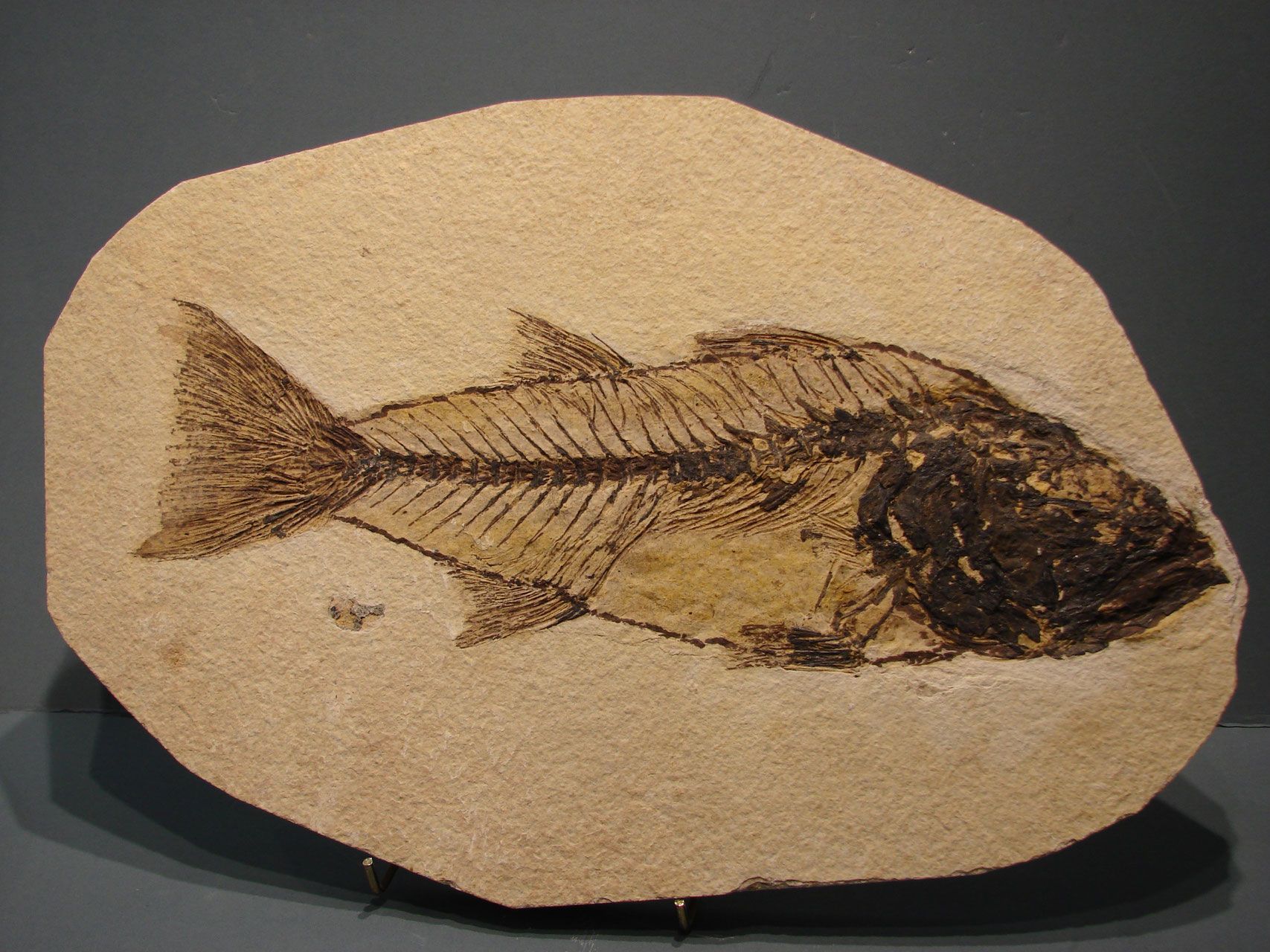
If a scientist found a fish fossil in the desert, what can they infer?
An animal ate the fish.
The water covered the area long ago.
Today's fish looks the same
The fish is endangered.
What statement is true about fossils?
All living organisms leave behind fossils.
Fossils show that camels never change.
Some living things have not really changed in millions of years.
Plant fossils have never changed.
What needs to happen FIRST for a fossil to form?
A plant or animal must be covered by sediment.
A plant or animal must die and decompose.
Sediments fill a a mold to form a cast.
An earthquake shifts the land up.

This type of fossil is tree sap hardened and replaced by minerals.
Petrified wood
Imprint
Amber
Mold
Scientists can study fossils to learn about
the ___________.
past
present
future
none of the above

What most likely made this fossil?
Plant
Animal
Footprint
Bone

What most likely made this fossil?
Plant
Animal
Footprint
Bone
A fossil of a fish is found on top of a
mountain. You can argue that the area
was once
underwater
a desert
much colder
much warmer
Which is a fossil?
bone from a chicken dinner
a live plant
the preserved remains of a plant or animal that lived long ago
a piece of pottery

What is the correct listing of steps for a fossil?
1) Pressure created a rock.
2) Plant or animal is buried.
3) Plant or animal is left alone for years.
4) Plant or animal dies.
1) Plant or animal dies.
2) Plant or animal is left alone for years.
3) Pressure created a rock.
4) Plant or animal is buried.
1) Plant or animal dies.
2) Plant or animal is left alone for years.
3) Plant or animal is buried.
4) Pressure created a rock.
1) Plant or animal dies.
2) Plant or animal is buried.
3) Plant or animal is left alone for years.
4) Pressure created a rock.
How did scientists first learn about dinosaurs?
by studying their fossils
by reading about them
by watching movies
by looking at pictures
What must happen to an organism's body for it to become a fossil?
It must remain above ground.
It must dry out in the sunlight.
It must be buried right after death.
It must be eaten by other animals.

Which feature helps the most to identify the organism as a plant?
size
color
smell
shape

Which property of the leaf can be learned from
the fossil?
the size of the leaf
the color of the leaf
how fast the leaf grew
which animals ate the leaf

Which of these can you learn from a fossil? CHOOSE 3.
The size of the animal
What the animal ate
The color of the animal
Where the animal lived

Which animal part would most likely form a fossil?
Muscle
Fur
Lung
Bone
True or False: Fossils are found all over the world.
True
False
Why are there more animal fossils than plant fossils?
Animals are smaller than plants.
Plants have harder bodies than animals.
Plans have softer bodies than animals.
Which would be an example of a fossil?
Rocks
Dinosaur Footprint
Oyster Pearl
How do scientists learn about dinosaurs?
by studying fossils
by reading about them
by watching movies
by looking at pictures

A dinosaur footprint fossil is a __________.
cast
amber
trace fossil
the remains or traces of dead plants and animals that lived long time ago
extinct
amber
fossil
decay

which fossil?
cast
mold
What forms when a fossil mold is filled minerals?
cast
mold

What kind of fossil is this?
Mold fossil
Cast fossil

True or False. All fossils come from dinosaurs.
TRUE
FALSE
which of the following must happen second to form fossils
minerals filled mold cast
soft parts decayed
An animal dies.
dead animals covered with sand and mud

A bird nest fossil is a __________.
cast
amber
trace fossil
which of the following must happen first to form fossils
minerals filled mold cast
soft parts decayed
An animal dies.
dead animals covered with sand and mud

What kind of fossil is this?
Mold fossil
Cast fossil
This type of fossil is trapped in tree sapsl
Petrified wood
Imprint
Amber
Mold
Mammoth Fossils tapped in
Ice
Saps
Tar

Animals preserved in .......
Tar
Ice
Resin

Amber
Ice
Tar

fossils Trapped in
Ice
Tar
Resin
What is a trace fossil?
the bones of a plant or animal
the mold of a plant or animal
the imprint of a plant or animal
the plant or animal itself
What is a true fossil?
the bones of a plant or animal
the mold of a plant or animal
the imprint of a plant of animal
the plant or animal itself
Why do scientists study fossils?
to study the development of humans
to learn about the past, the fossils where, what, when, why and how they lived.
to research human changes
they find dinosaurs interesting.
A mark on a surface such as mud or rock is an imprint fossil.
True
False
When an animal dies, soft parts ___________
Decay or get eaten by animals
Turn into rocks
turn into fossils
none of them
______ include teeth, bones, and shells.
Trace fossils
Parts of the body fossils
Preserved fossils
Mold fossils
total number of fossils found
index fossil
evidence
fossil record
data
remains or evidence of plants and animals that lived long ago preserved in minterals
data
fossil
argue
extinct
the death of all organisms of a particular kind
evidence
index fossil
argue
extinct
fossils of organisms that lived for a short, known time
data
extinct
evidence
index fossil
a footprint, burrow, or other mark left by a living thing
trace fossil
cast fossil
mold fossil
Minerals pour into a cavity where an organism once was. Those minerals harden and take the shape of the once living thing.
Mold Fossil
Cast Fossil
Trace Fossil
An empty hollowed out space in a rock that once contained an organism such as a plant or animal.
Trace Fossil
Cast Fossil
Mold Fossil

What type of fossils provide evidence of the activities of ancient organisms?
molds and casts
petrified fossils
trace fossils
carbon films

A ______________________ is a scientist who studies fossils.
biologist
chemist
paleontologist
astronomer

Where can the oldest layer be found?
The top layer
The middle layer
They are all the same age
The bottom layer
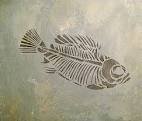

What conclusions could you make about the environment where the animal that made this fossil lived in?
It was under water because it has fins.
It might have been a grassland because it has 4 legs.
It could fly and live in trees because it has wings.

What is a good rule to follow when determining the age of rock layers?
The oldest is always on the top.
The rock layers get older as you dig deeper.
The youngest is always on the bottom.
7. The total number of fossils on earth
Coprolite
Theory
Fossil Record
A dinosaur nest would be a ....
mold Fossil
Trace Fossil
Describes a group of living things that are no longer living.
fossil
extinct
endangered
dinosaur
If a scientist found a fish fossil in the desert, what can they infer?
An animal ate the fish.
The water covered the desert long ago.

shell fossils in a rock in the desert. What does it means?
Millions of years ago, the desert was an ocean.
Millions of years ago, the desert was a rainforest.
Millions of years ago, the desert was the top of a mountain.
What parts of organisims usually become fossils?
soft tissues and organs
bone, teeth, and shells
**BONUS** Which layer of earth contains the oldest fossils?
top layer
bottom layer
**BONUS** Which layer of earth contains the newest or youngest fossils?
top layer
bottom layer
What is the geological time scale ?
A clock
A calendar
Something that divides Earths history into eras
What era did dinosaurs go extinct ?
Paleozoic
Mesozoic
Cenozoic
Which era are we today
Paleozoic
Mesozoic
Precambrian
Cenozoic
At the end of each era all organisms extict
True
False
The dinosaurs extinct from____million years ago.
66
During which era did first humans, first mammals appear?
Cenozoic
Mesozoic
Paleozoic
During which era was ocean
plants and animals appear
Paleozoic
Mesozoic
Cenozoic
Precambrian
In what era were dinosaurs live?
Cenozoic

Which layer is the youngest?
Layer A
Layer B
LAyer C
Layer D
Which layer is the oldest?
Layer A
Layer B
Layer C
Layer D
what are true about index fossils.
Found in many places on earth
identify the age of rocks
little amount in earth
Which is the best index fossil?


Choose the correct geographic time eras.
Cenozoic, Paleontologist ,Mesozoic, Paleozoic.
Cenozoic , Mesozoic, Paleozoic.
year, Month, Week
Some fossil of animals found in area different from their environment
True
False
Fish fossil found in desert today still live in desert
True
False
Star fish can survive in desert
True
False

Mammoth fossil found in Florida which Has
Warm climate
Cold climate
Mammoth fossil that found in hot places
lived in cold area
lived in hot area

Fern fossils
were lived in cold area
were lived in warm area
Fern fossils found in
in cold area
in warm area
Fossil evidence of climate change over time
True
False
Lizard can survive in desert
True
False
Many organisms extinct because of
Climate change
No food to eat
No water to drink
Mammoth fossils extinct because of
climate change
climate doesn't change
Extinct crocodile were lived in
Area with water
Desert
Extinct crocodile fossil found now in
Area with water
Desert
Choose which of these extinct because of climate change
Extinct crocodile
Mammoth
Fern
Dinosaurs

