wayground logo

Free Printable Worksheets

Font size

S
M
L
XL
Worksheets

6th Grade: Second Semester Review

Total questions: 26

Worksheet time: 14mins
Name
Class
Date
1.
Russia and countries that were formerly part of the Soviet republic continue to discuss the __________ of the countries. (Chapter 13, Unit 4)
a)
borders
b)
government
c)
farming
d)
culture
2.
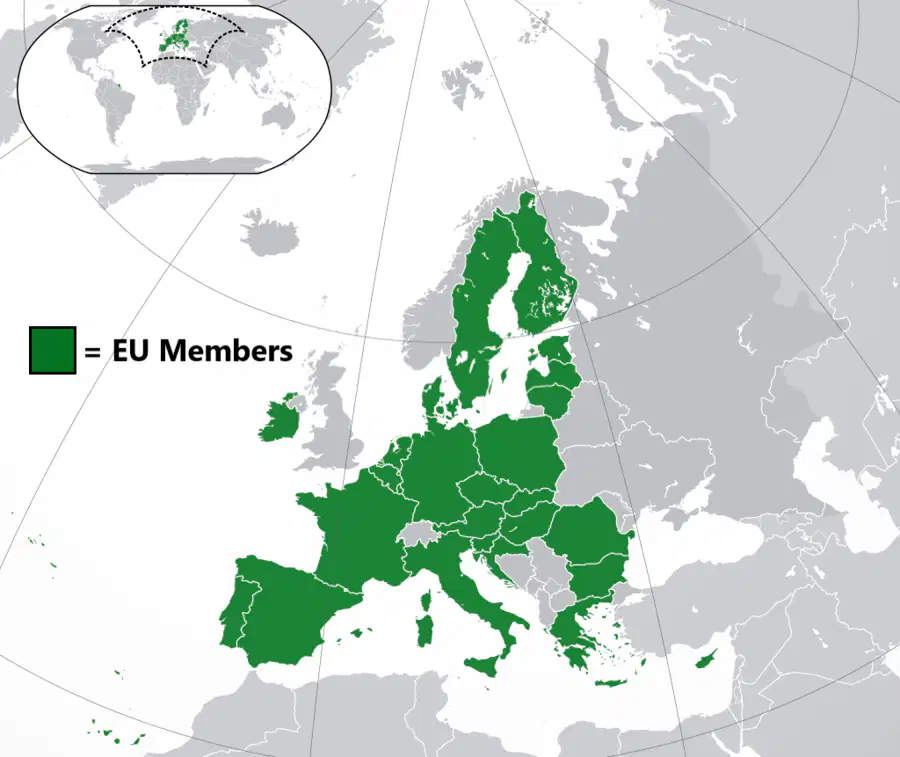
The European Union (EU) was created to unite European economies and prevent future conflicts. The EU helps its member countries with issues such as trade, security, and the rights of citizens. It has also helped its members compete more successfully with larger economies. Based on the reading and the map, what can you infer about the EU? (Chapter 11, Unit 4)
a)
The EU includes the United States and Canada.
b)
The EU includes most of the countries of Europe.
c)
The European Union was formed to bring together the countries of Europe.
d)
The EU includes all of the countries of Europe.
e)
A country with a small economy benefits from being a part of the EU's larger economy.
3.

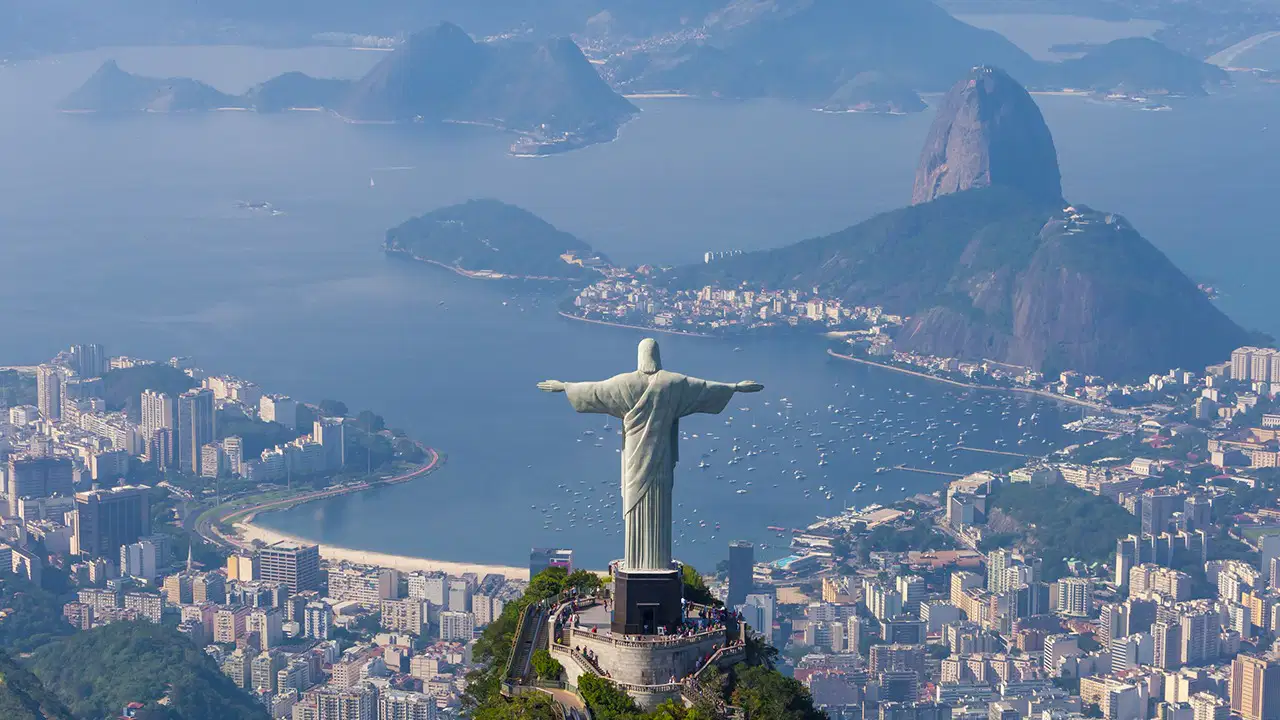
This picture shows the famous statue that overlooks the Brazilian city of Christ the Redeemer. What city is it located in? (Chapter 8, Unit 3)

a)

Rio de Janeiro, Brazil

b)

New York, New York

c)

Rome, Italy

d)

Athens. Greece

4.
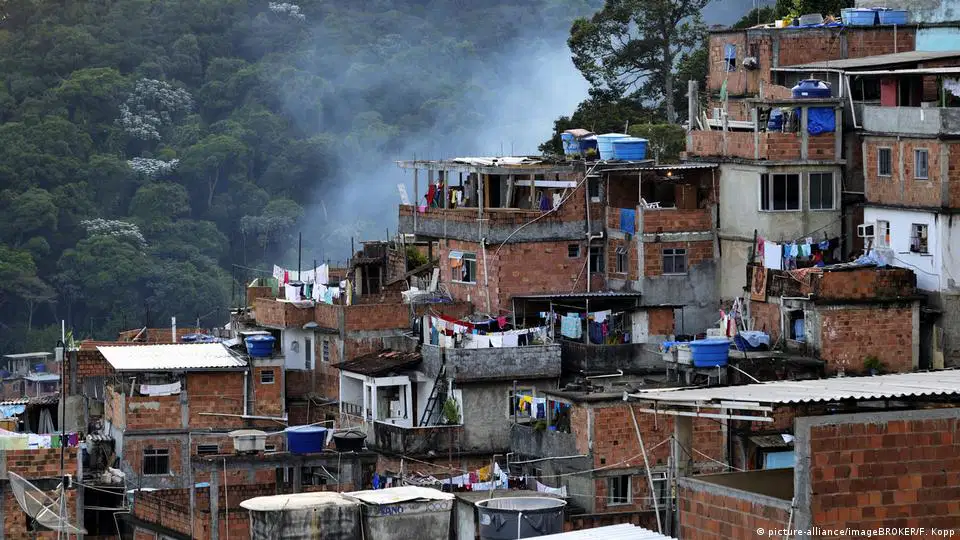
Millions of poor Brazilians with few skills and little education migrated to cities to seek better lives. These people could not afford housing, so they settled on land they did not own and built shacks. What are these Brazilian shacks called? (Chapter 8, Unit 3)
a)
favelas
b)
sheds
c)
cabins
d)
huts
5.
Most cities and towns in Siberia are located along or near which feature? (Chapter 17, Unit 5)
a)
Siberia’s eastern coast
b)
The Ural Mountains
c)
the route of the Trans-Siberian Railroad
d)
Lake Baikal
6.

Which of the following cities has over 5,000,000 people (Unit 5)?

a)

Ulaanbaatar, Mongolia

b)

Tokyo, Japan

c)

Sendai, Japan

d)

Pune, India

7.

Select the sentence that explains the usual amount of languages spoken by Western Europeans: There are different languages spoken throughout Western Europe. Some of the most popular languages include German, French, Dutch, and English. However, Western Europe is also home to many people who are minorities who often speak the language of their homeland. It is usual for Western Europeans to speak more than one language. (Chapter 11, Unit 4)
a)

There are different languages spoken throughout Western Europe.

b)

However, Western Europe is also home to many people who are minorities who often speak the language of their homeland.

c)

Some of the most popular languages include German, French, Dutch, and English.

d)

It is usual for Western Europeans to speak more than one language.

8.
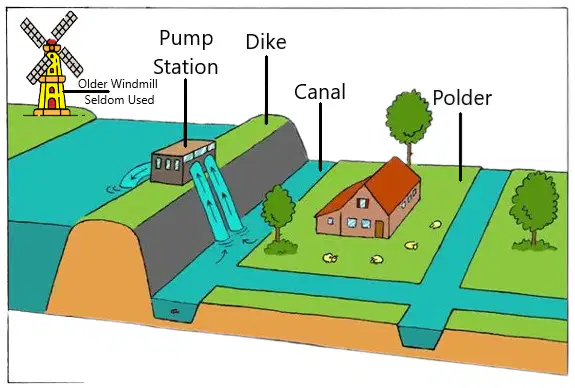
Since 25% of the Netherlands is below sea level, the Dutch have built _____ to hold back the water. (Chapter 11, Unit 4)
a)
windmills
b)
dikes
c)
canals
d)
polders
9.

Select the sentence that explains which city has the biggest Carnival. "Each February, Brazilians celebrate a four-day holiday called Carnival. Millions of Brazilians spend much of the year preparing for it. Rio de Janeiro’s Carnival is the largest and is world famous. Elaborately costumed Brazilians ride equally elaborate floats in dazzling parades with lively music." (Chapter 8, Unit 3)

a)

Each February, Brazilians celebrate a four-day holiday called Carnival.

b)

Millions of Brazilians spend much of the year preparing for it.

c)

Rio de Janeiro’s Carnival is the largest and is world famous.

d)

Elaborately costumed Brazilians ride equally elaborate floats in dazzling parades with lively music.

10.

A planned city is the organized and thought-out design of all the new buildings, roads, and parks in a place. Which of the following Brazilian cities is a planned city? (Chapter 8, Unit 3)

a)

Brasília

b)

São Paulo

c)

Rio de Janeiro

d)

Salvador

11.
Question Image

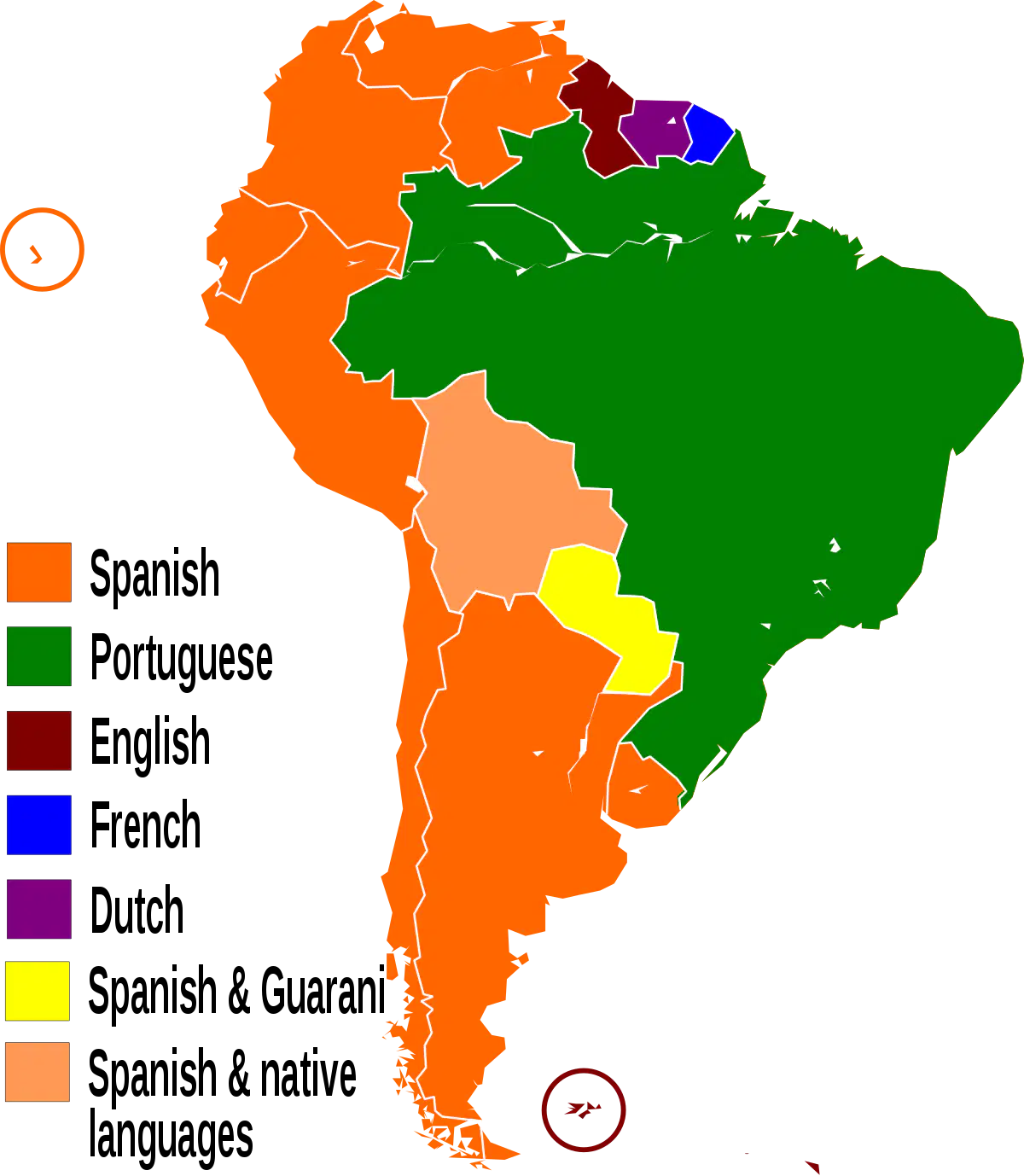
Using the diagram, match each listed country with its official language. (Chapter 10, Unit 3)

a)

Spanish

1.

Peru

b)

Portuguese

2.

Brazil

c)

English

3.

Guyana

d)

Dutch

4.

Suriname

e)

French

5.

French Guiana

12.
The former Soviet Union was the first country to form a Communist government. Which of the following choices make up a communist government? (Chapter 13, Unit 4)
a)
There is no such thing as private property.
b)
The government owns all the businesses.
c)
There is no freedom of speech.
d)
The citizens, not governments, own and run companies.
13.
In which system does the government control all economic goods and services? (Chapter 14, Unit 5)
a)
capitalism
b)
anarchism
c)
communism
d)
socialism
14.
Why is the Paraguay River especially important to the country of Paraguay? (Chapter 10, Unit 3)
a)
The river is the only source of drinking water for the country.
b)
The people of Paraguay rely on fish for much of their diet.
c)
The river provides access to the Pacific Ocean.
d)
Paraguay is landlocked, so the river is an important transportation route.
15.
Which Western European country devotes more surface area to agriculture than any other country in the region, and is Western Europe's leading agricultural producer? (Chapter 11, Unit 4)
a)
France
b)
United Kingdom
c)
Switzerland
d)
Germany
16.

Norway and Sweden make up which peninsula? (Chapter 12, Unit 4)

a)

Scandinavian Peninsula

b)

Italian Peninsula

c)

Baja California Peninsula

d)

Florida Peninsula

17.
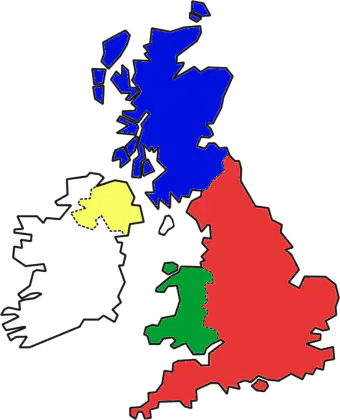
The United Kingdom is made up of which locations? (Chapter 11, Unit 4)
a)
Scotland
b)
England
c)
Wales
d)
Northern Ireland
e)
Ireland
18.

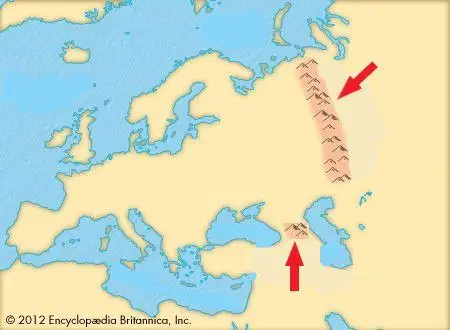
What are the two important natural boundaries of Europe? (Chapter 13, Unit 4)

a)

Ural Mountains

b)

Caucasus Mountains

c)

Alps Mountains

d)

Pyrenees Mountains

19.
In the Amazon Basin, what has become a major environmental issue? (Chapter 8, Unit 3)
a)
air pollution
b)
forest fires
c)
oil spills
d)
logging
20.
In a tundra region, the only plants that can survive are _____. (Chapter 12)
a)
coniferous trees
b)
deciduous trees
c)
lichens and mosses
d)
short grasses and shrubs
21.
The northern part of Norway is located as far north as Alaska, but it is not nearly as cold. Why is this? (Chapter 12, Unit 4)
a)
The dry deserts surrounding the northern coast of Norway keep it dry and warm.
b)
Norway is located on a different line of longitude than Alaska, which effects its climate.
c)
The rain shadow effect blocks the northern cold winds from blowing into Norway.
d)
The Norwegian Current flows past Norway carrying warm water from the tropics.
22.

Altitude is the main factor that determines ______ in the Andes. (Chapter 10, Unit 3)

a)

precipitation

b)

climate

c)

wind direction

d)

humidity

23.

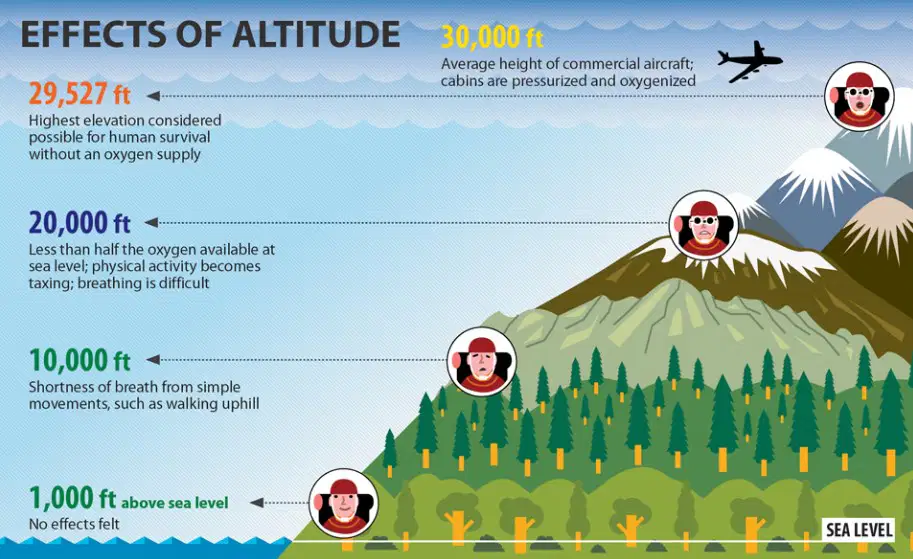
Based on the graph of the Andean Region, which of the following is a valid conclusion? (Chapter 10, Unit 3)

a)

At 29,527 ft. there are no effects felt with altitude.
b)

At 10,000 ft. there are no effects felt with altitude.
c)

At 20,000 ft. there are no effects felt with altitude.

d)

At 1,000 ft. there are no effects felt with altitude.

24.
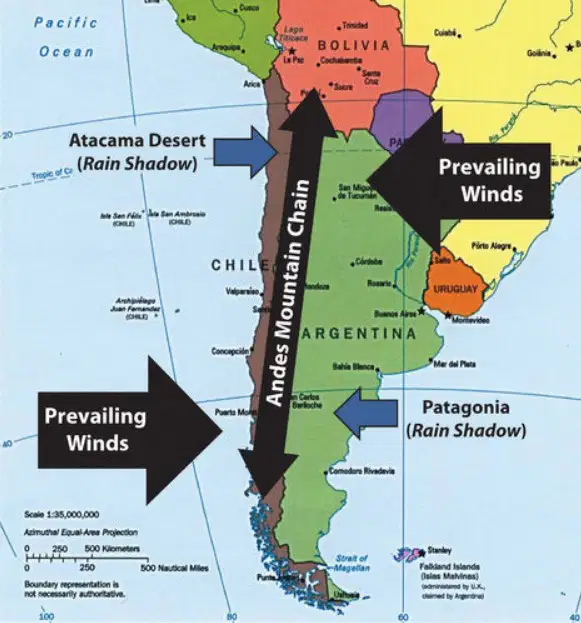
Why are both the Atacama Desert and Patagonian Desert in a rain shadow effect, even though they both border opposite sides of the Andes? (Chapter 10, Unit 3)
a)
they are both protected from the prevailing winds by a mountainous region
b)
they are both in the path of the prevailing winds and in front of a mountainous region
c)
all of the land surrounding the Andes Mountains is in a desert area
d)
they are both located in high elevations, and high elevations do not get any precipitation
25.
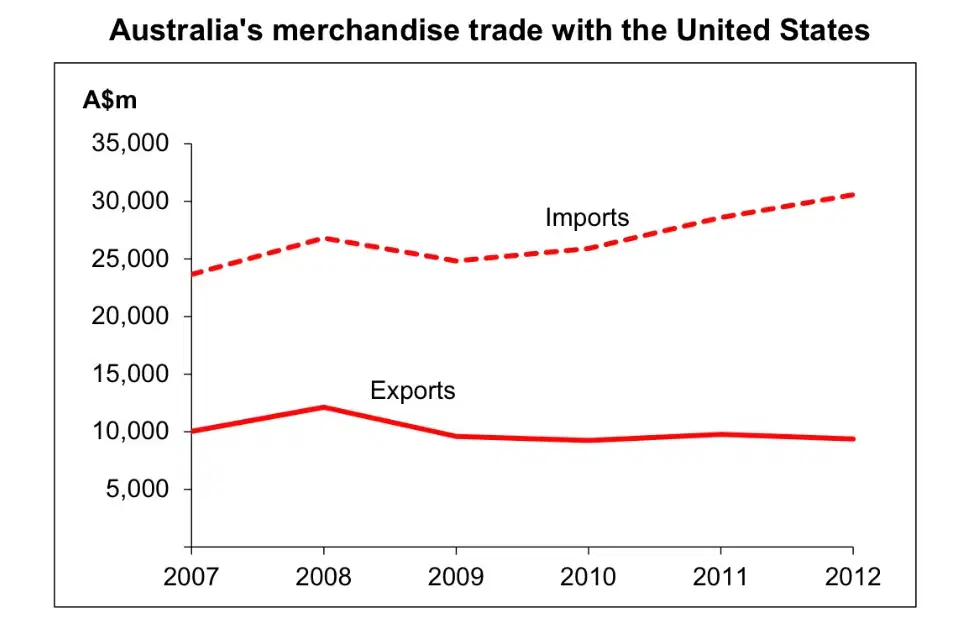
Which of the following statements below are true about the economic interdependence between the United States and Australia from 2007 - 2012? (Unit 7)
a)

Australia exported $10,000m goods to the US in 2007

b)

Australia had a trade surplus with the United States.

c)

Australia had a balanced trade with the United States.

d)

The United States had a trade deficit with Australia.
26.

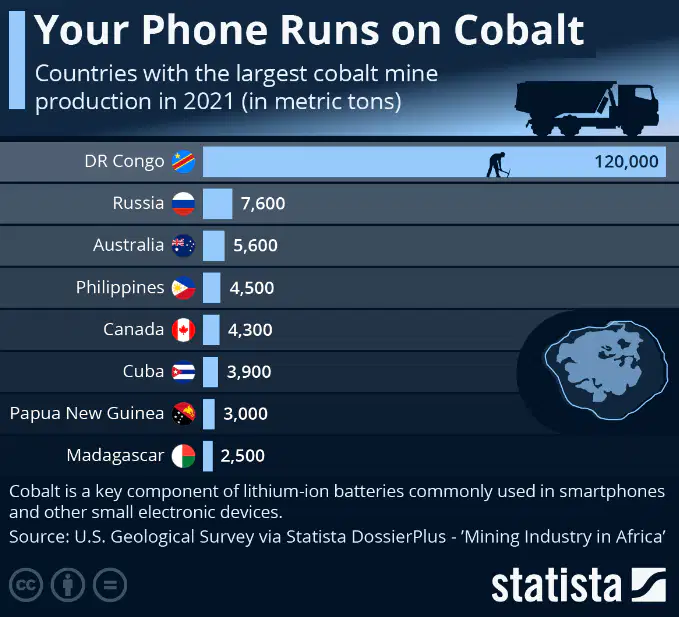
How many tons of cobalt did the Democratic Republic of Congo mine in 2021? (Unit 6)

a)

120,000

b)

7,600

c)

5,600

d)

4,500