
 Worksheets
Human Beings and Health
Total questions: 31
Worksheet time: 40mins
Select the physical defences from the folowing external defences
mucous membrane
skin
cerumen
mucus
intestinal flora
Select the chemical defences from the following external defences
gastric juice
tears
skin
saliva
mucus
White blood cells (leukocytes) classified into two types:
phagocytes
lymphocytes
erythrocytes
platelets
These are the main lymphatic organs in a human body:
Tonsils, thymus gland, Lymph nodes, Lymph vessels, Spleen, Red bone marrow
Tonsils, pituitary gland, Lymph nodes, Lymph vessels, Spleen, Red bone marrow
Pineal gland, thymus gland, Lymph nodes, Lymph vessels, Parathyroid gland, Red bone marrow
The main components of nonspecific immunity (Innate inmmunity) defense are:
Phagocytes
Inflamation
T-Lymphocytes
Memory cells
B-Lymphocytes
These cells recognize antigens and produce antibodies, proteins that specifically bind to the pathogen or its toxins to deactivate or destroy them.
T-Lymphocytes
B-lymphocytes
Phagocytes
Memory cells
Proteins that specifically bind to the pathogen or its toxins to deactivate or destroy them
Antibodies
Receptors
Pathogens
Enzymes
White blood cells that surround and consume foreign microorganisms and dead cells.
Leukocytes
Phagocytes
Erythrocytes
Lymphocytes
Some protozoans can cause serious illnesses in humans like (select two):
Sleeping sickness
Malaria
Ebola
Covid
Salmollela
Which of the following statments about viruses is FALSE?
Viruses that infect bacteria are called bacteriophages or phages
Viruses are non-cellular, do not have a cell structure.
Viruses consist of genetic material and a protective protein coat, called a capsid.
Viruses only have the life processes of reproduction and nutrition
Unicellular eukaryotic organisms. They reproduce and colonize the tissues, disturbing or destroying its cells
Fungus
Protozoa
Bacteria
Viruses
Unicellular prokaryotic organisms, no nucleus. Many are harmless or even useful to humans, but some causes diseases: Salmonella, tetanus, cholera
Bacteria
Viruses
Protozoa
Fungus
This infection is via an intermediary like contaminated food, air, water and eating utensils like cups and glasses
Indirect infection
Direct infection
Intermediate infection
This infection occurs by physical contact (skin, mucosa, blood or secretions) or through the air (saliva).
Direct infection
Indirect Infection
Select the non-infection illness from the following terms
Heart attacks
Diabetes
Cancer
The flu
Pneumonia
Select the SIGNS from the following manifestations
high blood pressure
rashes
fever
tiredness
stomach pain
Select the SYMPTOMS from the following manifestations
chest pain
eye irritation
cough
feeling confused
headache
Pollution, radiation, pathogenic microorganisms are ___________factors that affect the HEALTH:
environmental
genetic
lifestyle
Select the lifestyle factors that affect the health
balance diet
physical exercise
stress levels
age
pathogenic microorganisms
Fragment of genetic material encased within a structure formed by proteins.
Not considered living organisms,
they need to infect compatible cells and use their mechanisms to reproduce: Herpes, Rabies, Influenza
Viruses
Bacteria
Protozoa
Fungus
Select the CORRECT statements about VIRUSES
Viruses have their own system of classification
Viruses belong to Kingdom Monera
Viruses are not living organisms, because they do not have genetic material
Viruses can only multiply when they have infected a cell.
Viruses are smaller than the smallest known cell.
Look at the following images, which one do not correspond to a VIRUS?
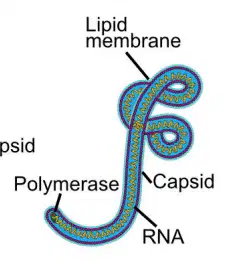
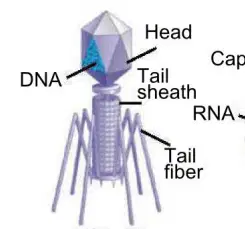
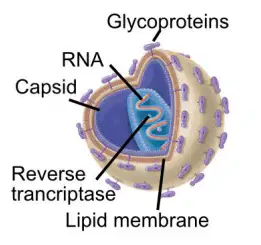
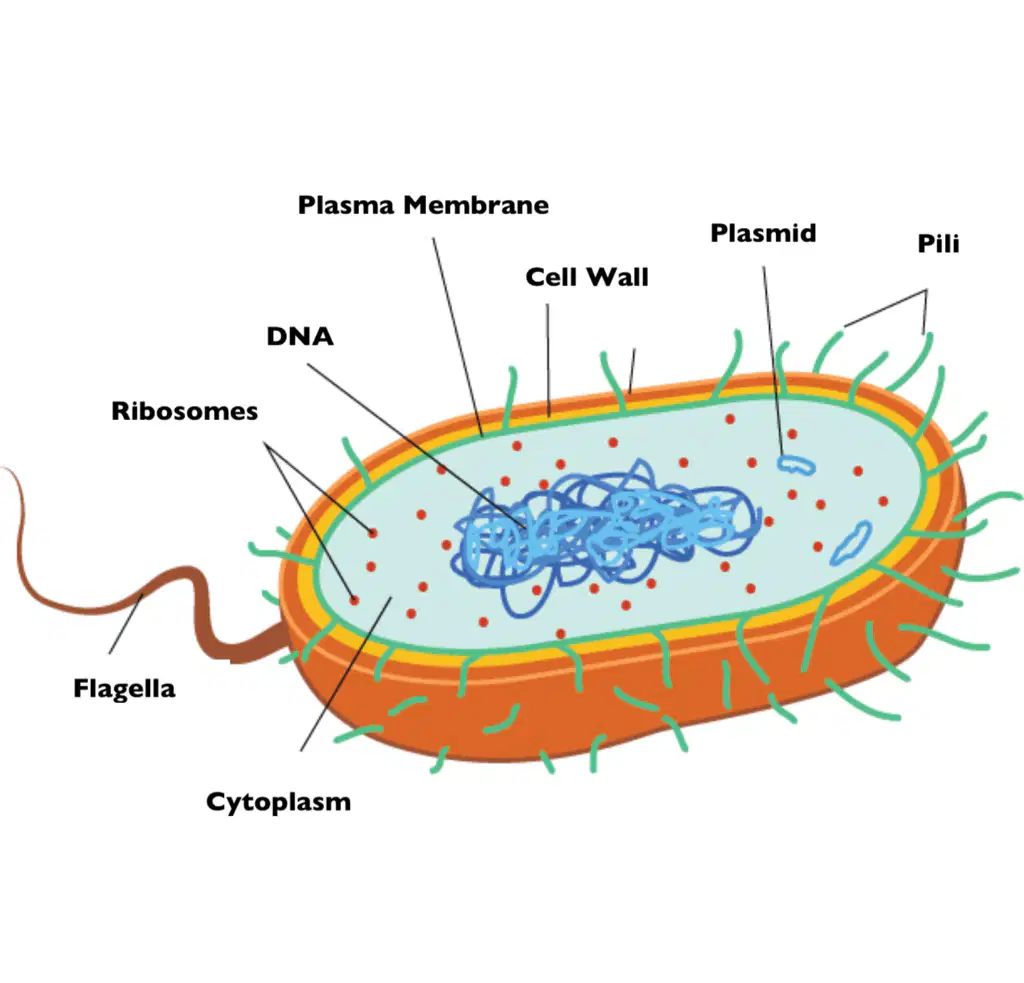
Look at the following images, which one DO NOT correspond to a BACTERIA?
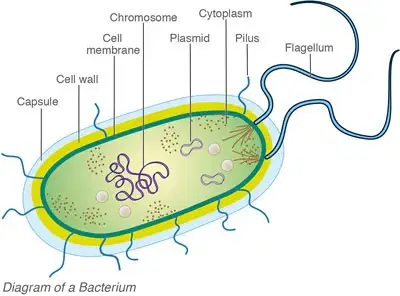
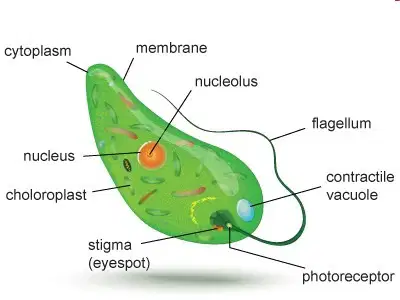

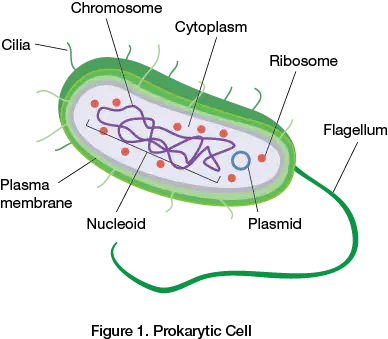
Biological preparation that tipically provides immunity against a specific infectious disease. Are tipically injectable preparations
(a)
These treatment is used to
stop bacteria growing and multiplying.
Antiviral
Antisera
Antibiotic
Fungicide
Which of the following statements is FALSE?
Antibiotics are only effective for bacterial infections.
As a result of increased antibiotic use, some bacteria have mutated to form ‘superbugs’
Antibiotics are used to treat most common illnesses, such as colds, flu and the majority of sore throats.
Antibiotics is a treatment medicine, it is not a prevention treatment
Non-infectious illness can be related to genetic, lifestyle and environmental factors. The most common are
Cardiovascular illness, respiratory illness and anaemia.
Varicella, cancer, cardiovascular illness and meningitis.
Cancer, cardiovascular illness, diabetes and respiratory illness
Cancer, hepatitis, cardiovascular illness and respiratory illness.
Antibodies are...
Cells for destroying damaged cells.
Antigen-destroying proteins
Plasma cells.
White blood cells.
Which of the following statements about vaccination is FALSE?
Vaccination involves introducing specific deactivated antigens into the body.
Immunization via vaccination is not always 100% effective.
Vaccines are a type of treatment when an infection illness develops
It is not currently possible to vaccinate against all illnesses.
Which of the following statements about the specific immune response is FALSE?
Phagocytes participate in the specific immune response
Some of the antibodies produced are stored in the lymph nodes, ensuring the immune memory in this way
T-cells become memory cells that store information on antigens
For this immune response to occur, a B-lymphocyte specifically identifies the pathogen
A list of negative health factors could be…
Old age, low stress levels, enough sleep recommendation.
A congenital disease, not enough physical exercise, free pollution environment.
Malnutrition, high pollution, environments with toxic substances.
Consumption of alcohol, balanced diet and radiation exposition.

