
 Worksheets
AQA Product Design: Unit 1
Total questions: 60
Worksheet time: 40mins

The 6 R's: Which R is this the definition for? Is the product necessary
(a)
The 6 R's: Which R is this the definition for? Are there alternative materials or design options that are more sustainable
(a)
The 6 R's: Which R is this the definition for? Can the product be made from fewer materials
(a)
The 6 R's: Which R is this the definition for? Can parts of the product used in another product
(a)
The 6 R's: Which R is this the definition for? Can the product be broken apart
(a)
The 6 R's: Which R is this the definition for? Can the product be fixed
(a)
A resource that can be replaced.
Finite
Non-Finite
A resource that cannot be replaced.
Finite
Non-Finite
A material that can be broken down or decomposed by microorganisms
(a)
Life Cycle Assessment is a way for companies to assess the environmental impact of their products. Which is the 1st stage?
Use
End of Life
Distribution
Raw material extraction
Creation of the product (factory).
Life Cycle Assessment is a way for companies to assess the environmental impact of their products. Which is the 2nd stage?
Use
End of Life
Distribution
Raw material extraction
Creation of the product (factory).
Life Cycle Assessment is a way for companies to assess the environmental impact of their products. Which is the 3rd stage?
Use
End of Life
Distribution
Raw material extraction
Creation of the product (factory).
Life Cycle Assessment is a way for companies to assess the environmental impact of their products. Which is the 4th stage?
Use
End of Life
Distribution
Raw material extraction
Creation of the product (factory).
Life Cycle Assessment is a way for companies to assess the environmental impact of their products. Which is the 5th stage?
Use
End of Life
Distribution
Raw material extraction
Creation of the product (factory).

Which label displays the most efferent product?
A+++
B
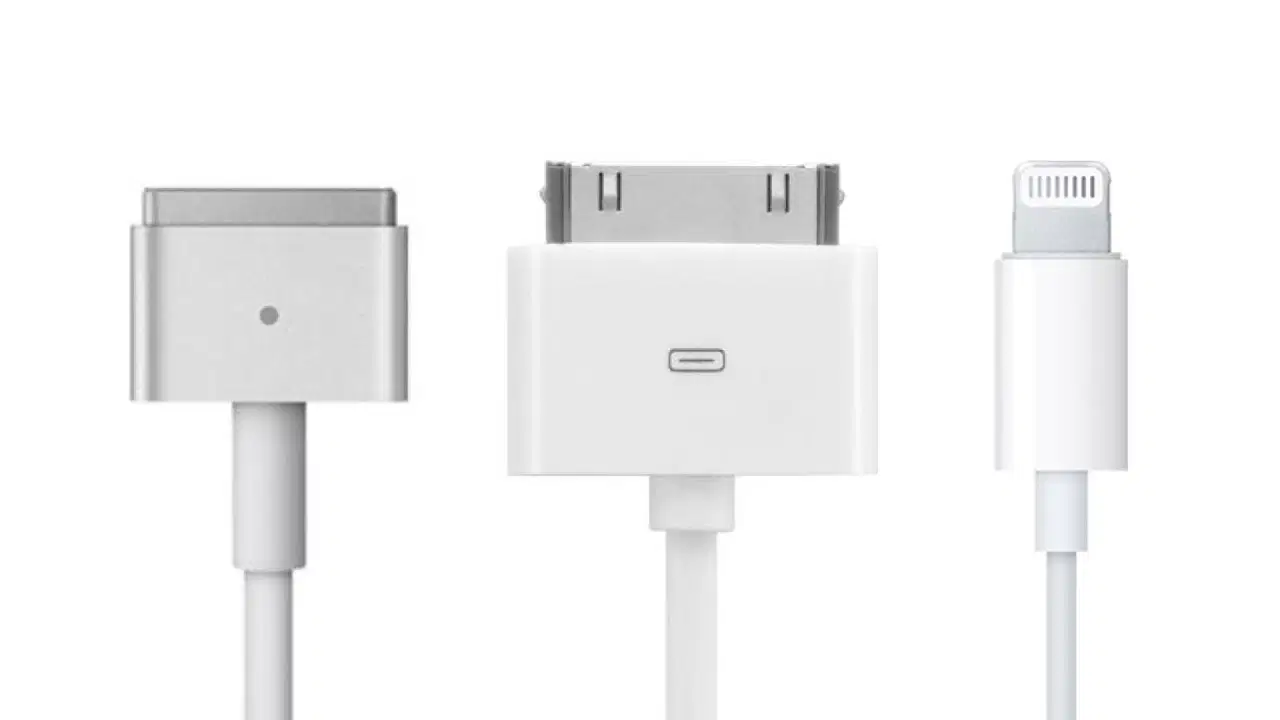
What is is called when manufactures are constantly trying to improve their products?
(a)

Fossil Fuels: What is a benefit of using them?
They are reliable
They are finite
Impact on the environment
Release greenhouse gases
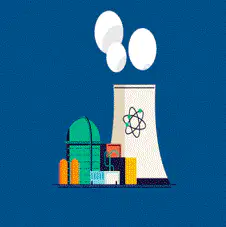
Nuclear is a (a) energy source.

Oil is a (a) energy source.
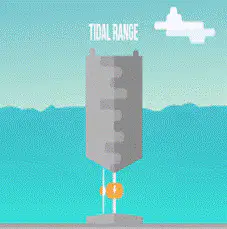
Tidal is a (a) energy source.

Wind is a (a) energy source.

Solar is a (a) energy source.
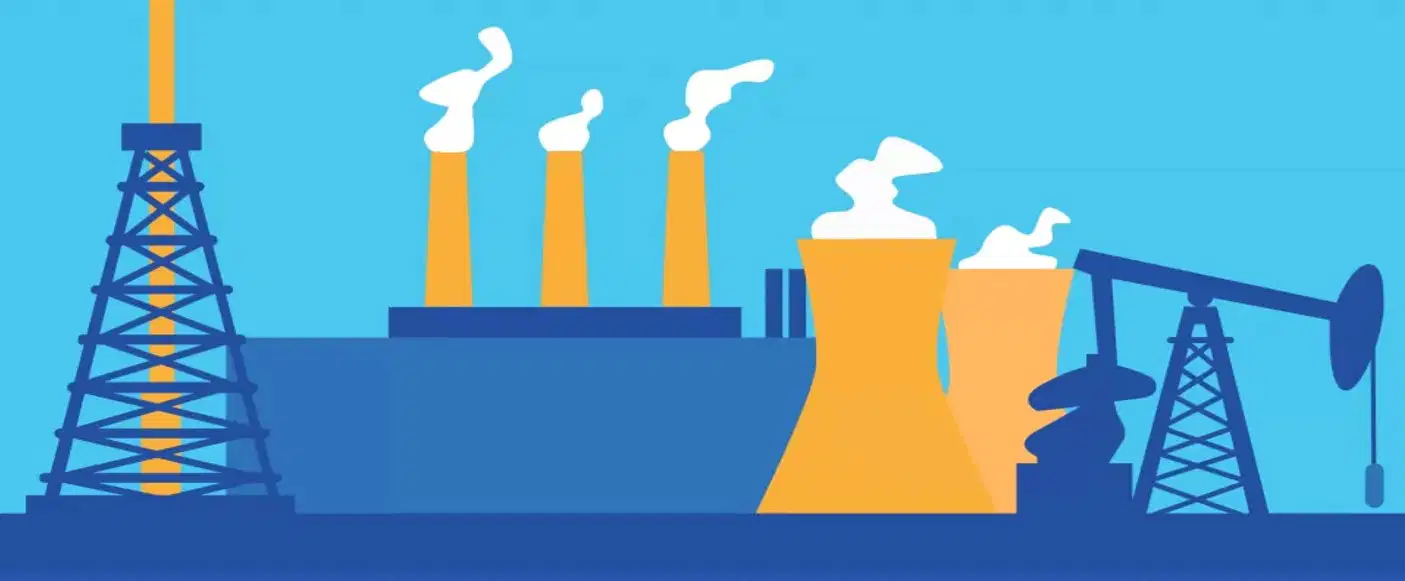
Fossil Fuels: What is the issue with using them?
They are reliable
Enough to meet current demand
Low running costs
Cost efficient
Release greenhouse gases
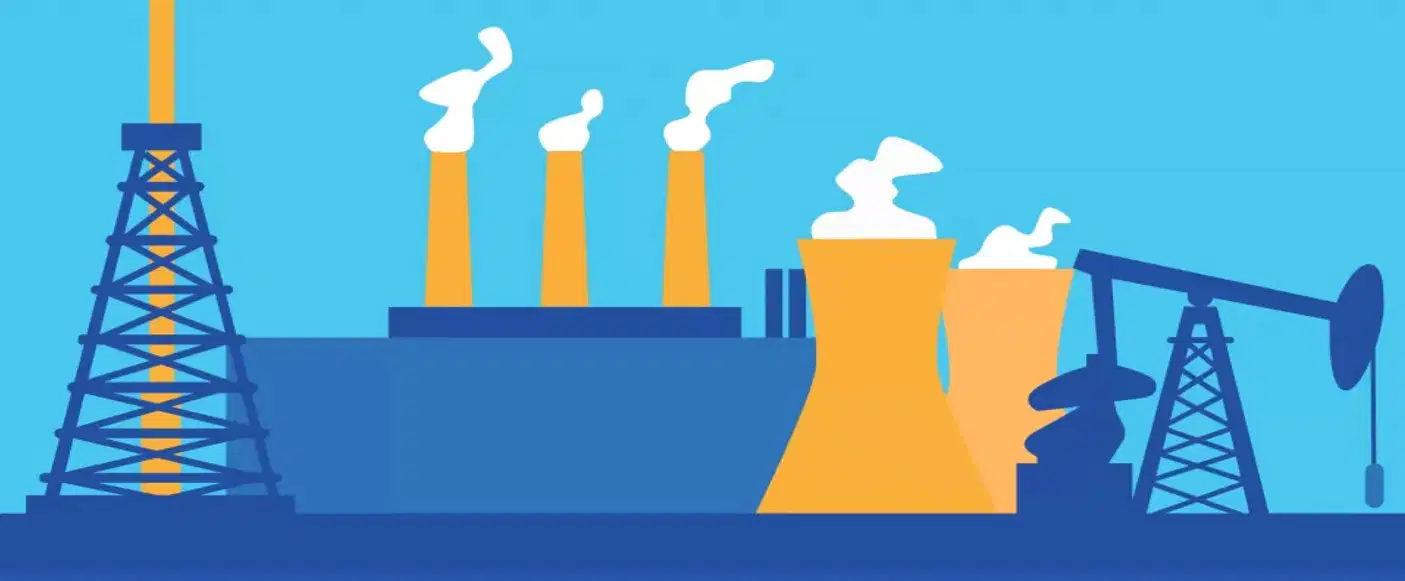
Renewables: Why do people not want to use?
High inital setup costs
Rely on external factors (wind/sun)
Energy is free
Smaller impact on the environment

Renewables: What are the benefits of using them?
High initial setup costs
Look ugly
Rely on external factors (wind/sun)
Energy is free
Smaller impact on the environment
Renewables: What are the benefits of using them?
High initial setup costs
Look ugly
Rely on external factors (wind/sun)
Smaller impact on the environment
Renewables: What are the benefits of using them?
High initial setup costs
Look ugly
Rely on external factors (wind/sun)
Energy is free
Identifying new business opportunities with an element of risk.
(a)
What is somebody called who starts up new businesses?
(a)
What is it called if somebody creates something new?
(a)

Typically groups of farmers that work together so they have stronger negotiation power. This enables them to get a higher price.
Crowdfunding
Co-Operatives
Virtual Marketing
Fairtrade
Typically groups of farmers that work together so they have stronger negotiation power. This enables them to get a higher price.
Crowdfunding
Co-Operatives
Virtual Marketing
Fairtrade
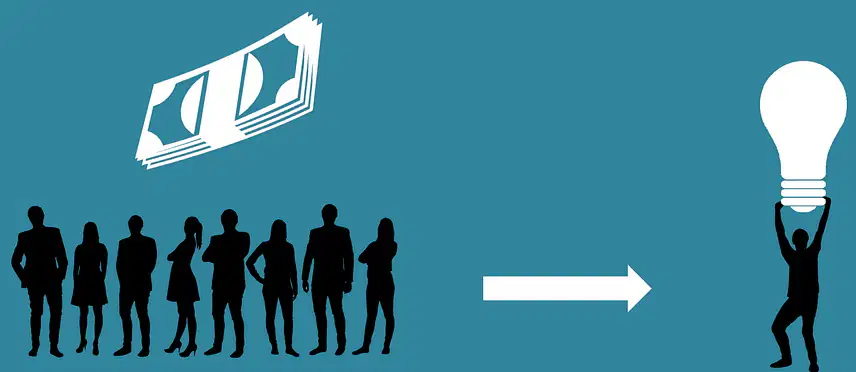
Typically groups of farmers that work together so they have stronger negotiation power. This enables them to get a higher price.
Crowdfunding
Co-Operatives
Virtual Marketing
Fairtrade
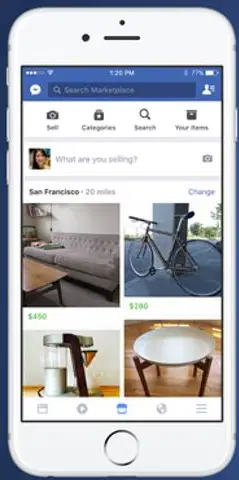
Typically groups of farmers that work together so they have stronger negotiation power. This enables them to get a higher price.
Crowdfunding
Co-Operatives
Virtual Marketing
Fairtrade
Which image best represents 'Technology Push'?

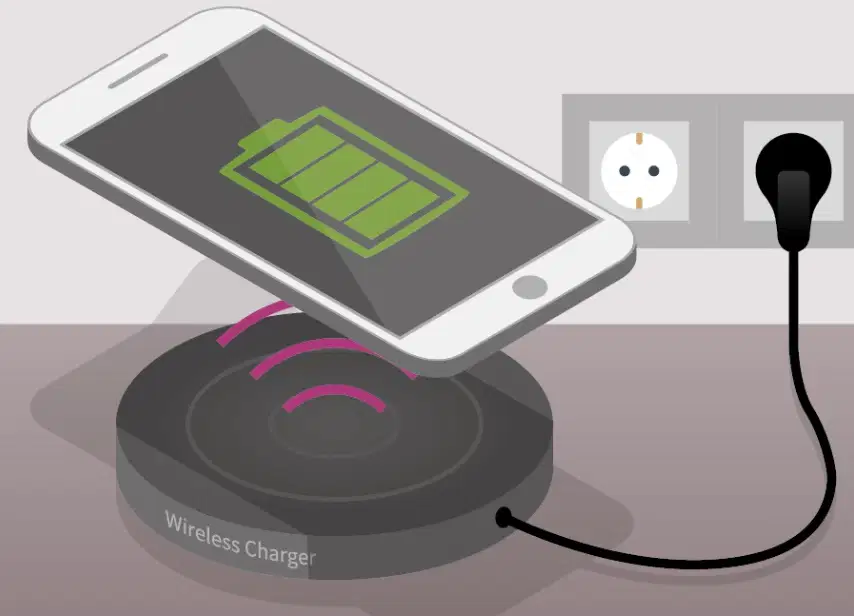
What is the definition of CAD in Product Design?
Ctrl Alt Del
Computer Aided Drafting
Computer Aided Design
Computer Aided Drawing
What is the definition of CAM in Product Design?
Computer Aided Machinery
Computer Assited Manufacturing
Computer Aided Manufacture
Computer Aided Machinery
CAD
CAM

This is an example of?
CAD
CAM

This is an example of?
CAD
CAM
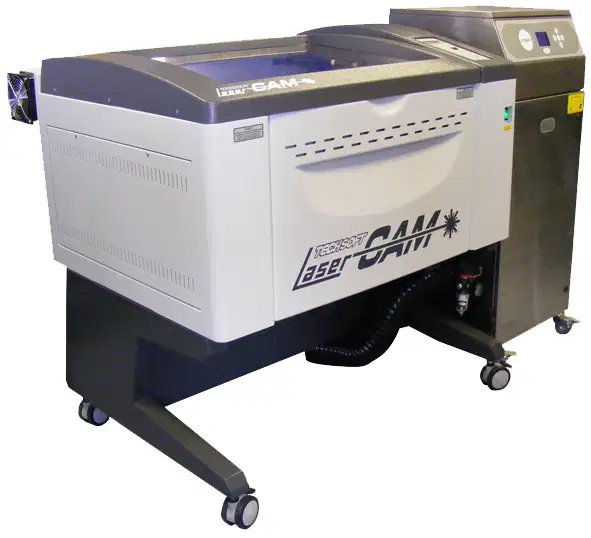
This is an example of?
CAD
CAM

This is an example of?
CAD
CAM
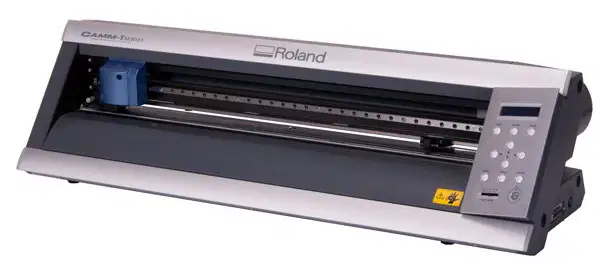
This is an example of?
CAD
CAM
CAD software works from how many axis?
2
3
4
5
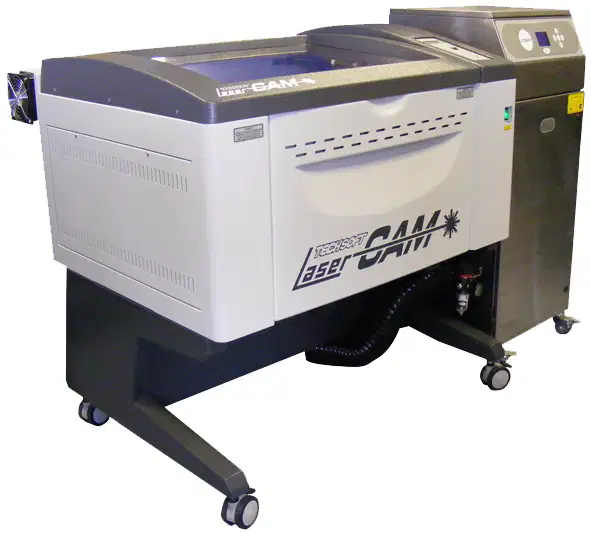
This machine works on how many axis?
2
3
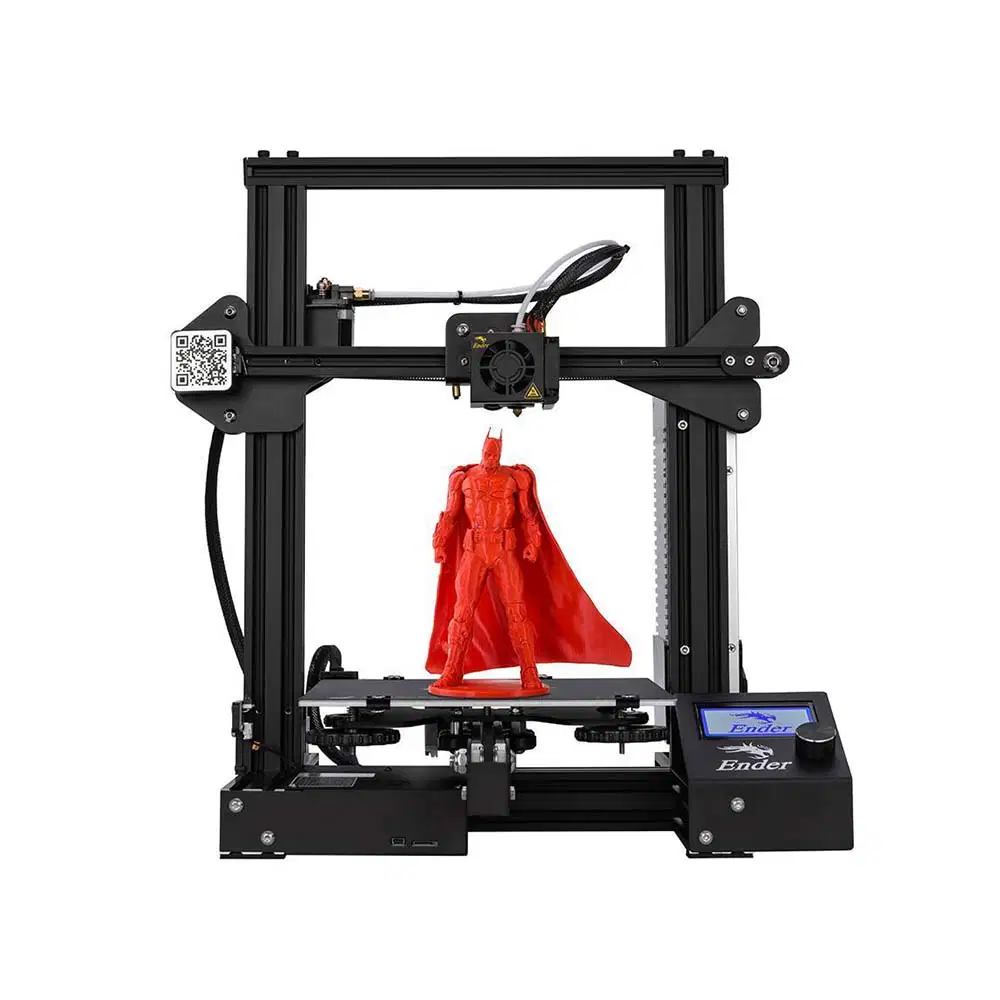
This machine works on how many axis?
2
3
machines remove material from a solid block.
(a)
machines add material to create a product.
(a)
A manufacturing system can be simplified into how many parts?
2
3
4
5
List the advantages of automation of manufacturing processes:
Robots can replace human workers so there are fewer jobs.
Robots can increase speed of production.
Robots work with high accuracy.
Robots are very expensive.
Robots can work in dangerous situations.
List the disadvantages of automation of manufacturing processes:
Robots can replace human workers so there are fewer jobs.
Robots can increase speed of production.
Robots work with high accuracy.
Robots are very expensive.
Robots can work in dangerous situations.
What is the definition of CAD in Product Design?
Ctrl Alt Del
Computer Aided Design
Computer Aided Drafting
Computer Aided Drawing
What is the definition of CAM in Product Design?
Computer Aided Machinery
Computer Assisted Manufacturing
Computer-Aided Manufacture
Computer Aided Machining

What manufacturing development is pictured here?
Specialised Building
Specialised Communication
Specialised Tracking
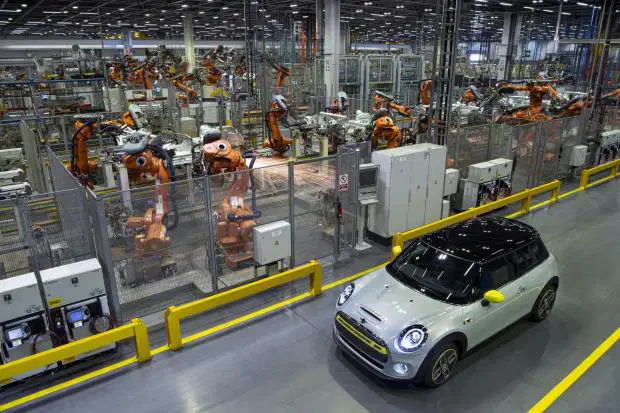
What manufacturing development is pictured here?
Specialised Building
Specialised Communication
Specialised Tracking

What manufacturing development is pictured here?
Specialised Building
Specialised Communication
Specialised Tracking
What is the definition of JIT in Product Design?
Job Instructional Training
Just Incorporate Time
Just In Time
Joint Intervention Team
What is the definition of JIT in Product Design?
Flexible Modeling System
Fleet Management System
Facilities Management Software
Facilities Management Software
List the disadvantages of JIT systems:
Relies on products arriving being fault free.
Saves money on storage of materials.
Company money available as it is not tied up in stock.
Relies on products arriving on time.
List the advantages of JIT systems:
Relies on products arriving being fault free.
Saves money on storage of materials.
Company money available as it is not tied up in stock.
Relies on products arriving on time.

