
 Worksheets
Chemistry year 10 wk 5 carbon
Total questions: 172
Worksheet time: 2hrs 56mins
What is covalency?
What is the first statement of the audio clip?
When an element shares electrons with other atoms of the same or different elements to acquire stable electronic configuration
it is called covalency.
If an atom shares 1 electron, its covalency is equal to 1
If it can share 2 electrons, its covalency is 2.
What is covalency?
What is the Second statement of the audio clip?
When an element shares electrons with other atoms of the same or different elements to acquire stable electronic configuration
it is called covalency.
If an atom shares 1 electron, its covalency is equal to 1
If it can share 2 electrons, its covalency is 2.
What is covalency?
What is the Third statement of the audio clip?
When an element shares electrons with other atoms of the same or different elements to acquire stable electronic configuration
it is called covalency.
If an atom shares 1 electron, its covalency is equal to 1
If it can share 2 electrons, its covalency is 2.
What is covalency?
What is the Fourth statement of the audio clip?
When an element shares electrons with other atoms of the same or different elements to acquire stable electronic configuration
it is called covalency.
If an atom shares 1 electron, its covalency is equal to 1
If it can share 2 electrons, its covalency is 2.
What is a Covalent Bond? - Polar & Nonpolar - Intramolecular Forces
What is the first statement of the video clip?
The bonds that hold atoms together in compounds are called intramolecular forces.
The 3 main types of intramolecular forces are ionic bonds, covalent bonds, and metallic bonds.
This video will focus on covalent bonds: Ionic bonds and Metallic bonds will be featured
in their own videos.
Covalent bonds are stable because the bonding atoms achieve noble gas configuration by sharing
electrons.
The name, covalent, should suggest to you that the atoms are sharing their valence electrons.
What is a Covalent Bond? - Polar & Nonpolar - Intramolecular Forces
What is the second statement of the video clip?
We can show this with a Lewis dot diagram..
The 3 main types of intramolecular forces are ionic bonds, covalent bonds, and metallic bonds.
This video will focus on covalent bonds: Ionic bonds and Metallic bonds will be featured
in their own videos.
Covalent bonds are stable because the bonding atoms achieve noble gas configuration by sharing
electrons.
The name, covalent, should suggest to you that the atoms are sharing their valence electrons.
What is a Covalent Bond? - Polar & Nonpolar - Intramolecular Forces
What is the third statement of the video clip?
We can show this with a Lewis dot diagram..
Hydrogen fluoride (HF) is a molecule with a single covalent bond formed between two
atoms.
This video will focus on covalent bonds: Ionic bonds and Metallic bonds will be featured
in their own videos.
Covalent bonds are stable because the bonding atoms achieve noble gas configuration by sharing
electrons.
The name, covalent, should suggest to you that the atoms are sharing their valence electrons.
What is a Covalent Bond? - Polar & Nonpolar - Intramolecular Forces
What is the fourth statement of the video clip?
We can show this with a Lewis dot diagram..
Hydrogen fluoride (HF) is a molecule with a single covalent bond formed between two
atoms.
Fluorine has 7 valence electrons, and hydrogen has one.
Covalent bonds are stable because the bonding atoms achieve noble gas configuration by sharing
electrons.
The name, covalent, should suggest to you that the atoms are sharing their valence electrons.
What is a Covalent Bond? - Polar & Nonpolar - Intramolecular Forces
What is the fifth statement of the video clip?
We can show this with a Lewis dot diagram..
Hydrogen fluoride (HF) is a molecule with a single covalent bond formed between two
atoms.
Fluorine has 7 valence electrons, and hydrogen has one.
By sharing 2 electrons in a bond, now hydrogen has 2 valence electrons, and has the same
electron configuration as the noble gas helium.
The name, covalent, should suggest to you that the atoms are sharing their valence electrons.
What is a Covalent Bond? - Polar & Nonpolar - Intramolecular Forces
What is the sixth statement of the video clip?
We can show this with a Lewis dot diagram..
Hydrogen fluoride (HF) is a molecule with a single covalent bond formed between two
atoms.
Fluorine has 7 valence electrons, and hydrogen has one.
By sharing 2 electrons in a bond, now hydrogen has 2 valence electrons, and has the same
electron configuration as the noble gas helium.
Fluorine now has 8 valence electrons, and has the same electron configuration as the
noble gas neon.
What is a Covalent Bond? - Polar & Nonpolar - Intramolecular Forces
What is the seventh statement of the video clip?
We can replace those 2 shared electrons in the diagram by a single line, representing
the single covalent bond.
Hydrogen fluoride (HF) is a molecule with a single covalent bond formed between two
atoms.
Fluorine has 7 valence electrons, and hydrogen has one.
By sharing 2 electrons in a bond, now hydrogen has 2 valence electrons, and has the same
electron configuration as the noble gas helium.
Fluorine now has 8 valence electrons, and has the same electron configuration as the
noble gas neon.
What is a Covalent Bond? - Polar & Nonpolar - Intramolecular Forces
What is the eighth statement of the video clip?
We can replace those 2 shared electrons in the diagram by a single line, representing
the single covalent bond.
Sometimes, two atoms share more than 2 electrons, in the case of a double or triple covalent
bond.
Fluorine has 7 valence electrons, and hydrogen has one.
By sharing 2 electrons in a bond, now hydrogen has 2 valence electrons, and has the same
electron configuration as the noble gas helium.
Fluorine now has 8 valence electrons, and has the same electron configuration as the
noble gas neon.
What is a Covalent Bond? - Polar & Nonpolar - Intramolecular Forces
What is the ninth statement of the video clip?
We can replace those 2 shared electrons in the diagram by a single line, representing
the single covalent bond.
Sometimes, two atoms share more than 2 electrons, in the case of a double or triple covalent
bond.
We can see an example of that in carbon dioxide, CO2.
By sharing 2 electrons in a bond, now hydrogen has 2 valence electrons, and has the same
electron configuration as the noble gas helium.
Fluorine now has 8 valence electrons, and has the same electron configuration as the
noble gas neon.
What is a Covalent Bond? - Polar & Nonpolar - Intramolecular Forces
What is the ninth statement of the video clip?
We can replace those 2 shared electrons in the diagram by a single line, representing
the single covalent bond.
Sometimes, two atoms share more than 2 electrons, in the case of a double or triple covalent
bond.
We can see an example of that in carbon dioxide, CO2.
By sharing 2 electrons in a bond, now hydrogen has 2 valence electrons, and has the same
electron configuration as the noble gas helium.
Fluorine now has 8 valence electrons, and has the same electron configuration as the
noble gas neon.
What is a Covalent Bond? - Polar & Nonpolar - Intramolecular Forces
What is the tenth statement of the video clip?
We can replace those 2 shared electrons in the diagram by a single line, representing
the single covalent bond.
Sometimes, two atoms share more than 2 electrons, in the case of a double or triple covalent
bond.
We can see an example of that in carbon dioxide, CO2.
The Lewis dot structure looks like this: Carbon has 4 valence electrons, and Oxygen has 6
valence electrons.
Fluorine now has 8 valence electrons, and has the same electron configuration as the
noble gas neon.
What is a Covalent Bond? - Polar & Nonpolar - Intramolecular Forces
What is the eleventh statement of the video clip?
We can replace those 2 shared electrons in the diagram by a single line, representing
the single covalent bond.
Sometimes, two atoms share more than 2 electrons, in the case of a double or triple covalent
bond.
We can see an example of that in carbon dioxide, CO2.
The Lewis dot structure looks like this: Carbon has 4 valence electrons, and Oxygen has 6
valence electrons.
Carbon needs 4 more electrons to achieve noble gas configuration.
What is a Covalent Bond? - Polar & Nonpolar - Intramolecular Forces
What is the Twelfth statement of the video clip?
Oxygen needs 2 more electrons to achieve noble gas configuration.
Sometimes, two atoms share more than 2 electrons, in the case of a double or triple covalent
bond.
We can see an example of that in carbon dioxide, CO2.
The Lewis dot structure looks like this: Carbon has 4 valence electrons, and Oxygen has 6
valence electrons.
Carbon needs 4 more electrons to achieve noble gas configuration.
What is a Covalent Bond? - Polar & Nonpolar - Intramolecular Forces
What is the Thirteenth statement of the video clip?
Oxygen needs 2 more electrons to achieve noble gas configuration.
This can be achieved if the carbon atom forms 2 double bonds with each oxygen atom.
We can see an example of that in carbon dioxide, CO2.
The Lewis dot structure looks like this: Carbon has 4 valence electrons, and Oxygen has 6
valence electrons.
Carbon needs 4 more electrons to achieve noble gas configuration.
What is a Covalent Bond? - Polar & Nonpolar - Intramolecular Forces
What is the Thirteenth statement of the video clip?
Oxygen needs 2 more electrons to achieve noble gas configuration.
This can be achieved if the carbon atom forms 2 double bonds with each oxygen atom.
We can see an example of that in carbon dioxide, CO2.
The Lewis dot structure looks like this: Carbon has 4 valence electrons, and Oxygen has 6
valence electrons.
Carbon needs 4 more electrons to achieve noble gas configuration.
What is a Covalent Bond? - Polar & Nonpolar - Intramolecular Forces
What is the Fourteenth statement of the video clip?
Oxygen needs 2 more electrons to achieve noble gas configuration.
This can be achieved if the carbon atom forms 2 double bonds with each oxygen atom.
We can replace the two shared pairs of electrons in the diagram with 2 straight lines, representing
a double bond.
The Lewis dot structure looks like this: Carbon has 4 valence electrons, and Oxygen has 6
valence electrons.
Carbon needs 4 more electrons to achieve noble gas configuration.
What is a Covalent Bond? - Polar & Nonpolar - Intramolecular Forces
What is the Fifteenth statement of the video clip?
Oxygen needs 2 more electrons to achieve noble gas configuration.
This can be achieved if the carbon atom forms 2 double bonds with each oxygen atom.
We can replace the two shared pairs of electrons in the diagram with 2 straight lines, representing
a double bond.
If the two atoms in a covalent bond are identical, they have the exact same electronegativity
as each other.
Carbon needs 4 more electrons to achieve noble gas configuration.
What is a Covalent Bond? - Polar & Nonpolar - Intramolecular Forces
What is the Fifteenth statement of the video clip?
Oxygen needs 2 more electrons to achieve noble gas configuration.
This can be achieved if the carbon atom forms 2 double bonds with each oxygen atom.
We can replace the two shared pairs of electrons in the diagram with 2 straight lines, representing
a double bond.
If the two atoms in a covalent bond are identical, they have the exact same electronegativity
as each other.
Carbon needs 4 more electrons to achieve noble gas configuration.
What is a Covalent Bond? - Polar & Nonpolar - Intramolecular Forces
What is the Sixteenth statement of the video clip?
Oxygen needs 2 more electrons to achieve noble gas configuration.
This can be achieved if the carbon atom forms 2 double bonds with each oxygen atom.
We can replace the two shared pairs of electrons in the diagram with 2 straight lines, representing
a double bond.
If the two atoms in a covalent bond are identical, they have the exact same electronegativity
as each other.
The bond between these identical atoms is called a non-polar covalent bond.
What is a Covalent Bond? - Polar & Nonpolar - Intramolecular Forces
What is the Seventeenth statement of the video clip?
Hydrogen, for instance, exists in nature as a diatomic molecule, H2.
This can be achieved if the carbon atom forms 2 double bonds with each oxygen atom.
We can replace the two shared pairs of electrons in the diagram with 2 straight lines, representing
a double bond.
If the two atoms in a covalent bond are identical, they have the exact same electronegativity
as each other.
The bond between these identical atoms is called a non-polar covalent bond.
What is a Covalent Bond? - Polar & Nonpolar - Intramolecular Forces
What is the Eighteenth statement of the video clip?
Hydrogen, for instance, exists in nature as a diatomic molecule, H2.
The two hydrogen atoms pull equally on the shared pair of electrons in the bond, so there
is no directionality, or POLARITY, of the bond.
We can replace the two shared pairs of electrons in the diagram with 2 straight lines, representing
a double bond.
If the two atoms in a covalent bond are identical, they have the exact same electronegativity
as each other.
The bond between these identical atoms is called a non-polar covalent bond.
What is a Covalent Bond? - Polar & Nonpolar - Intramolecular Forces
What is the Nineteenth statement of the video clip?
Hydrogen, for instance, exists in nature as a diatomic molecule, H2.
The two hydrogen atoms pull equally on the shared pair of electrons in the bond, so there
is no directionality, or POLARITY, of the bond.
Compare that with the bonds in a polar molecule, like water, H2O.
If the two atoms in a covalent bond are identical, they have the exact same electronegativity
as each other.
The bond between these identical atoms is called a non-polar covalent bond.
What is a Covalent Bond? - Polar & Nonpolar - Intramolecular Forces
What is the Twentieth statement of the video clip?
Hydrogen, for instance, exists in nature as a diatomic molecule, H2.
The two hydrogen atoms pull equally on the shared pair of electrons in the bond, so there
is no directionality, or POLARITY, of the bond.
Compare that with the bonds in a polar molecule, like water, H2O.
Oxygen is much more electronegative than hydrogen, so the electrons in the covalent bonds spend
more time around the oxygen than around the hydrogen.
The bond between these identical atoms is called a non-polar covalent bond.
What is a Covalent Bond? - Polar & Nonpolar - Intramolecular Forces
What is the Twenty-first statement of the video clip?
Hydrogen, for instance, exists in nature as a diatomic molecule, H2.
The two hydrogen atoms pull equally on the shared pair of electrons in the bond, so there
is no directionality, or POLARITY, of the bond.
Compare that with the bonds in a polar molecule, like water, H2O.
Oxygen is much more electronegative than hydrogen, so the electrons in the covalent bonds spend
more time around the oxygen than around the hydrogen.
We call this kind of uneven sharing of electrons a polar covalent bond.
What is a Covalent Bond? - Polar & Nonpolar - Intramolecular Forces
What is the Twenty-second statement of the video clip?
We call this kind of uneven sharing of electrons a polar covalent bond.
The two hydrogen atoms pull equally on the shared pair of electrons in the bond, so there
is no directionality, or POLARITY, of the bond.
Compare that with the bonds in a polar molecule, like water, H2O.
Oxygen is much more electronegative than hydrogen, so the electrons in the covalent bonds spend
more time around the oxygen than around the hydrogen.
We call this kind of uneven sharing of electrons a polar covalent bond.
What is a Covalent Bond? - Polar & Nonpolar - Intramolecular Forces
What is the Twenty-third statement of the video clip?
We call this kind of uneven sharing of electrons a polar covalent bond.
Notice that this results in the water molecule being polar as a whole - one side of the molecule
is more negative than the other side.
Compare that with the bonds in a polar molecule, like water, H2O.
Oxygen is much more electronegative than hydrogen, so the electrons in the covalent bonds spend
more time around the oxygen than around the hydrogen.
We call this kind of uneven sharing of electrons a polar covalent bond.
What is a Covalent Bond? - Polar & Nonpolar - Intramolecular Forces
What is the Twenty-third statement of the video clip?
We call this kind of uneven sharing of electrons a polar covalent bond.
Notice that this results in the water molecule being polar as a whole - one side of the molecule
is more negative than the other side.
Compare that with the bonds in a polar molecule, like water, H2O.
Oxygen is much more electronegative than hydrogen, so the electrons in the covalent bonds spend
more time around the oxygen than around the hydrogen.
We call this kind of uneven sharing of electrons a polar covalent bond.
What is a Covalent Bond? - Polar & Nonpolar - Intramolecular Forces
What is the Twenty-fourth statement of the video clip?
We call this kind of uneven sharing of electrons a polar covalent bond.
Notice that this results in the water molecule being polar as a whole - one side of the molecule
is more negative than the other side.
A lowercase delta is used to show the partial negative charge on the oxygen atom and the
partial positive charge on the hydrogen atoms.
Oxygen is much more electronegative than hydrogen, so the electrons in the covalent bonds spend
more time around the oxygen than around the hydrogen.
We call this kind of uneven sharing of electrons a polar covalent bond.
What is a Covalent Bond? - Polar & Nonpolar - Intramolecular Forces
What is the Twenty-fifth statement of the video clip?
We call this kind of uneven sharing of electrons a polar covalent bond.
Notice that this results in the water molecule being polar as a whole - one side of the molecule
is more negative than the other side.
A lowercase delta is used to show the partial negative charge on the oxygen atom and the
partial positive charge on the hydrogen atoms.
We use this delta notation to distinguish these partial charges from the full charges
carried by ions.
We call this kind of uneven sharing of electrons a polar covalent bond.
What is a Covalent Bond? - Polar & Nonpolar - Intramolecular Forces
What is the Twenty-Sixth statement of the video clip?
We call this kind of uneven sharing of electrons a polar covalent bond.
Notice that this results in the water molecule being polar as a whole - one side of the molecule
is more negative than the other side.
A lowercase delta is used to show the partial negative charge on the oxygen atom and the
partial positive charge on the hydrogen atoms.
We use this delta notation to distinguish these partial charges from the full charges
carried by ions.
You might get confused between molecules which contain polar covalent bonds and molecules
which are polar as a whole.
What is a Covalent Bond? - Polar & Nonpolar - Intramolecular Forces
What is the Twenty-Seventh statement of the video clip?
Water is both - it contains polar bonds, and is a polar molecule (as a whole) because one end of the molecule is slightly positive and the other side is slightly negative.
Notice that this results in the water molecule being polar as a whole - one side of the molecule
is more negative than the other side.
A lowercase delta is used to show the partial negative charge on the oxygen atom and the
partial positive charge on the hydrogen atoms.
We use this delta notation to distinguish these partial charges from the full charges
carried by ions.
You might get confused between molecules which contain polar covalent bonds and molecules
which are polar as a whole.
What is a Covalent Bond? - Polar & Nonpolar - Intramolecular Forces
What is the Twenty-Seventh statement of the video clip?
Water is both - it contains polar bonds, and is a polar molecule (as a whole) because one end of the molecule is slightly positive and the other side is slightly negative.
Notice that this results in the water molecule being polar as a whole - one side of the molecule
is more negative than the other side.
A lowercase delta is used to show the partial negative charge on the oxygen atom and the
partial positive charge on the hydrogen atoms.
We use this delta notation to distinguish these partial charges from the full charges
carried by ions.
You might get confused between molecules which contain polar covalent bonds and molecules
which are polar as a whole.
What is a Covalent Bond? - Polar & Nonpolar - Intramolecular Forces
What is the Twenty-Eighth statement of the video clip?
Water is both - it contains polar bonds, and is a polar molecule (as a whole) because one end of the molecule is slightly positive and the other side is slightly negative.
That’s a result of the polar covalent bonds that hold the water molecule together.
A lowercase delta is used to show the partial negative charge on the oxygen atom and the
partial positive charge on the hydrogen atoms.
We use this delta notation to distinguish these partial charges from the full charges
carried by ions.
You might get confused between molecules which contain polar covalent bonds and molecules
which are polar as a whole.
What is a Covalent Bond? - Polar & Nonpolar - Intramolecular Forces
What is the Twenty-ninth statement of the video clip?
Water is both - it contains polar bonds, and is a polar molecule (as a whole) because one end of the molecule is slightly positive and the other side is slightly negative.
That’s a result of the polar covalent bonds that hold the water molecule together.
But consider the carbon tetrachloride molecule, CCl4.
We use this delta notation to distinguish these partial charges from the full charges
carried by ions.
You might get confused between molecules which contain polar covalent bonds and molecules
which are polar as a whole.
What is a Covalent Bond? - Polar & Nonpolar - Intramolecular Forces
What is the Thirtieth statement of the video clip?
Water is both - it contains polar bonds, and is a polar molecule (as a whole) because one end of the molecule is slightly positive and the other side is slightly negative.
That’s a result of the polar covalent bonds that hold the water molecule together.
But consider the carbon tetrachloride molecule, CCl4.
Chlorine is more electronegative than carbon, so this molecule has 4 polar covalent bonds.
You might get confused between molecules which contain polar covalent bonds and molecules
which are polar as a whole.
What is a Covalent Bond? - Polar & Nonpolar - Intramolecular Forces
What is the Thirty-first statement of the video clip?
Water is both - it contains polar bonds, and is a polar molecule (as a whole) because one end of the molecule is slightly positive and the other side is slightly negative.
That’s a result of the polar covalent bonds that hold the water molecule together.
But consider the carbon tetrachloride molecule, CCl4.
Chlorine is more electronegative than carbon, so this molecule has 4 polar covalent bonds.
You might think, adding the 4 bonds together, this molecule is going to be VERY polar as
a result.
What is a Covalent Bond? - Polar & Nonpolar - Intramolecular Forces
What is the Thirty-first statement of the video clip?
Water is both - it contains polar bonds, and is a polar molecule (as a whole) because one end of the molecule is slightly positive and the other side is slightly negative.
That’s a result of the polar covalent bonds that hold the water molecule together.
But consider the carbon tetrachloride molecule, CCl4.
Chlorine is more electronegative than carbon, so this molecule has 4 polar covalent bonds.
You might think, adding the 4 bonds together, this molecule is going to be VERY polar as
a result.
What is a Covalent Bond? - Polar & Nonpolar - Intramolecular Forces
What is the Thirty-second statement of the video clip?
But actually, when you look at the 3 dimensional structure, you see that the 4 bonds point
That’s a result of the polar covalent bonds that hold the water molecule together.
But consider the carbon tetrachloride molecule, CCl4.
Chlorine is more electronegative than carbon, so this molecule has 4 polar covalent bonds.
You might think, adding the 4 bonds together, this molecule is going to be VERY polar as
a result.
What is a Covalent Bond? - Polar & Nonpolar - Intramolecular Forces
What is the Thirty-third statement of the video clip?
But actually, when you look at the 3 dimensional structure, you see that the 4 bonds point in 4 opposite directions,
so they cancel each other out.
But consider the carbon tetrachloride molecule, CCl4.
Chlorine is more electronegative than carbon, so this molecule has 4 polar covalent bonds.
You might think, adding the 4 bonds together, this molecule is going to be VERY polar as
a result.
What is a Covalent Bond? - Polar & Nonpolar - Intramolecular Forces
What is the Thirty-fourth statement of the video clip?
But actually, when you look at the 3 dimensional structure, you see that the 4 bonds point in 4 opposite directions,
so they cancel each other out.
You can’t find one SIDE of CCl4 that is more negative or positive than the other,
so carbon tetrachloride as a whole is a nonpolar molecule.
Chlorine is more electronegative than carbon, so this molecule has 4 polar covalent bonds.
You might think, adding the 4 bonds together, this molecule is going to be VERY polar as
a result.
What is a Covalent Bond? - Polar & Nonpolar - Intramolecular Forces
What is the Thirty-Fifth statement of the video clip?
But actually, when you look at the 3 dimensional structure, you see that the 4 bonds point in 4 opposite directions,
so they cancel each other out.
You can’t find one SIDE of CCl4 that is more negative or positive than the other,
so carbon tetrachloride as a whole is a nonpolar molecule.
Chemists generally measure the polarity of a bond according to a scale established by
Linus Pauling {show table of values}.
You might think, adding the 4 bonds together, this molecule is going to be VERY polar as
a result.
What is a Covalent Bond? - Polar & Nonpolar - Intramolecular Forces
What is the Thirty-Fifth statement of the video clip?
But actually, when you look at the 3 dimensional structure, you see that the 4 bonds point in 4 opposite directions,
so they cancel each other out.
You can’t find one SIDE of CCl4 that is more negative or positive than the other,
so carbon tetrachloride as a whole is a nonpolar molecule.
Chemists generally measure the polarity of a bond according to a scale established by
Linus Pauling {show table of values}.
You might think, adding the 4 bonds together, this molecule is going to be VERY polar as
a result.
What is a Covalent Bond? - Polar & Nonpolar - Intramolecular Forces
What is the Thirty-sixth statement of the video clip?
But actually, when you look at the 3 dimensional structure, you see that the 4 bonds point in 4 opposite directions,
so they cancel each other out.
You can’t find one SIDE of CCl4 that is more negative or positive than the other,
so carbon tetrachloride as a whole is a nonpolar molecule.
Chemists generally measure the polarity of a bond according to a scale established by
Linus Pauling {show table of values}.
If the relative electronegativities of the two bonded atoms differ by less than 0.4 on
the Pauling scale, the bond is considered nonpolar covalent.
What is a Covalent Bond? - Polar & Nonpolar - Intramolecular Forces
What is the Thirty-seventh statement of the video clip?
If the difference in relative electronegativities is between 0.4 and 1.7, we call it a polar
covalent bond.
so they cancel each other out.
You can’t find one SIDE of CCl4 that is more negative or positive than the other,
so carbon tetrachloride as a whole is a nonpolar molecule.
Chemists generally measure the polarity of a bond according to a scale established by
Linus Pauling {show table of values}.
If the relative electronegativities of the two bonded atoms differ by less than 0.4 on
the Pauling scale, the bond is considered nonpolar covalent.
What is a Covalent Bond? - Polar & Nonpolar - Intramolecular Forces
What is the Thirty-eighth statement of the video clip?
If the difference in relative electronegativities is between 0.4 and 1.7, we call it a polar
covalent bond.
And if the electronegativities differ by more than 1.7, it’s an ionic bond.
You can’t find one SIDE of CCl4 that is more negative or positive than the other,
so carbon tetrachloride as a whole is a nonpolar molecule.
Chemists generally measure the polarity of a bond according to a scale established by
Linus Pauling {show table of values}.
If the relative electronegativities of the two bonded atoms differ by less than 0.4 on
the Pauling scale, the bond is considered nonpolar covalent.
What is a Covalent Bond? - Polar & Nonpolar - Intramolecular Forces
What is the Thirty-ninth statement of the video clip?
If the difference in relative electronegativities is between 0.4 and 1.7, we call it a polar
covalent bond.
Are covalent bonds, like many ionic bonds, disrupted by water?
You can’t find one SIDE of CCl4 that is more negative or positive than the other,
so carbon tetrachloride as a whole is a nonpolar molecule.
Chemists generally measure the polarity of a bond according to a scale established by
Linus Pauling {show table of values}.
If the relative electronegativities of the two bonded atoms differ by less than 0.4 on
the Pauling scale, the bond is considered nonpolar covalent.
What is a Covalent Bond? - Polar & Nonpolar - Intramolecular Forces
What is the Fortieth statement of the video clip?
If the difference in relative electronegativities is between 0.4 and 1.7, we call it a polar
covalent bond.
Are covalent bonds, like many ionic bonds, disrupted by water?
Some are, some are not.
Chemists generally measure the polarity of a bond according to a scale established by
Linus Pauling {show table of values}.
If the relative electronegativities of the two bonded atoms differ by less than 0.4 on
the Pauling scale, the bond is considered nonpolar covalent.
What is a Covalent Bond? - Polar & Nonpolar - Intramolecular Forces
What is the Fortieth statement of the video clip?
If the difference in relative electronegativities is between 0.4 and 1.7, we call it a polar
covalent bond.
Are covalent bonds, like many ionic bonds, disrupted by water?
Some are, some are not.
For instance, Sucrose, C12H22O11 (that’s table sugar), is a molecule with atoms held
together by covalent bonds.
If the relative electronegativities of the two bonded atoms differ by less than 0.4 on
the Pauling scale, the bond is considered nonpolar covalent.
What is a Covalent Bond? - Polar & Nonpolar - Intramolecular Forces
What is the Forty-First statement of the video clip?
If the difference in relative electronegativities is between 0.4 and 1.7, we call it a polar
covalent bond.
Are covalent bonds, like many ionic bonds, disrupted by water?
Some are, some are not.
For instance, Sucrose, C12H22O11 (that’s table sugar), is a molecule with atoms held
together by covalent bonds.
If you put sucrose, or other sugars in water, the covalent bonds stay intact and a sugar-water
solution does not conduct electricity as well as a salt-water solution.
What is a Covalent Bond? - Polar & Nonpolar - Intramolecular Forces
What is the Forty-Second statement of the video clip?
If you put sucrose, or other sugars in water, the covalent bonds stay intact and a sugar-water
solution does not conduct electricity as well as a salt-water solution.
Are covalent bonds, like many ionic bonds, disrupted by water?
Some are, some are not.
For instance, Sucrose, C12H22O11 (that’s table sugar), is a molecule with atoms held
together by covalent bonds.
If you put sucrose, or other sugars in water, the covalent bonds stay intact and a sugar-water
solution does not conduct electricity as well as a salt-water solution.
What is a Covalent Bond? - Polar & Nonpolar - Intramolecular Forces
What is the Forty-Third statement of the video clip?
If you put sucrose, or other sugars in water, the covalent bonds stay intact and a sugar-water
solution does not conduct electricity as well as a salt-water solution.
Acids, on the other hand, like HCl, hydrochloric acid, are covalent compounds which readily
dissociate into H+ and Cl- ions, so they DO conduct electricity.
Some are, some are not.
For instance, Sucrose, C12H22O11 (that’s table sugar), is a molecule with atoms held
together by covalent bonds.
If you put sucrose, or other sugars in water, the covalent bonds stay intact and a sugar-water
solution does not conduct electricity as well as a salt-water solution.
What is a Covalent Bond? - Polar & Nonpolar - Intramolecular Forces
What is the Forty-Fourth statement of the video clip?
If you put sucrose, or other sugars in water, the covalent bonds stay intact and a sugar-water
solution does not conduct electricity as well as a salt-water solution.
Acids, on the other hand, like HCl, hydrochloric acid, are covalent compounds which readily
dissociate into H+ and Cl- ions, so they DO conduct electricity.
We call these substances that ionize when they dissolve “electrolytes.”
For instance, Sucrose, C12H22O11 (that’s table sugar), is a molecule with atoms held
together by covalent bonds.
If you put sucrose, or other sugars in water, the covalent bonds stay intact and a sugar-water
solution does not conduct electricity as well as a salt-water solution.
What is a Covalent Bond? - Polar & Nonpolar - Intramolecular Forces
What is the Forty-Fifth statement of the video clip?
If you put sucrose, or other sugars in water, the covalent bonds stay intact and a sugar-water
solution does not conduct electricity as well as a salt-water solution.
Acids, on the other hand, like HCl, hydrochloric acid, are covalent compounds which readily
dissociate into H+ and Cl- ions, so they DO conduct electricity.
We call these substances that ionize when they dissolve “electrolytes.”
Most soluble salts, acids, and bases act this way.
If you put sucrose, or other sugars in water, the covalent bonds stay intact and a sugar-water
solution does not conduct electricity as well as a salt-water solution.
What is a Covalent Bond? - Polar & Nonpolar - Intramolecular Forces
What is the Forty-sixth statement of the video clip?
If you put sucrose, or other sugars in water, the covalent bonds stay intact and a sugar-water
solution does not conduct electricity as well as a salt-water solution.
Acids, on the other hand, like HCl, hydrochloric acid, are covalent compounds which readily
dissociate into H+ and Cl- ions, so they DO conduct electricity.
We call these substances that ionize when they dissolve “electrolytes.”
Most soluble salts, acids, and bases act this way.
Even though some covalent bonds can come apart in water, they are considered strong bonds,
as are ionic bonds.
What is a Covalent Bond? - Polar & Nonpolar - Intramolecular Forces
What is the Forty-Seventh statement of the video clip?
If you put sucrose, or other sugars in water, the covalent bonds stay intact and a sugar-water
solution does not conduct electricity as well as a salt-water solution.
Acids, on the other hand, like HCl, hydrochloric acid, are covalent compounds which readily
dissociate into H+ and Cl- ions, so they DO conduct electricity.
We call these substances that ionize when they dissolve “electrolytes.”
Most soluble salts, acids, and bases act this way.
Even though some covalent bonds can come apart in water, they are considered strong bonds,
as are ionic bonds.
What is a Covalent Bond? - Polar & Nonpolar - Intramolecular Forces
What is the Forty-Eighth statement of the video clip?
If you put sucrose, or other sugars in water, the covalent bonds stay intact and a sugar-water
solution does not conduct electricity as well as a salt-water solution.
Acids, on the other hand, like HCl, hydrochloric acid, are covalent compounds which readily
dissociate into H+ and Cl- ions, so they DO conduct electricity.
We call these substances that ionize when they dissolve “electrolytes.”
Most soluble salts, acids, and bases act this way.
Even though some covalent bonds can come apart in water, they are considered strong bonds,
as are ionic bonds.
What is a Covalent Bond? - Polar & Nonpolar - Intramolecular Forces
What is the Forty-Ninth statement of the video clip?
If you put sucrose, or other sugars in water, the covalent bonds stay intact and a sugar-water
solution does not conduct electricity as well as a salt-water solution.
Acids, on the other hand, like HCl, hydrochloric acid, are covalent compounds which readily
dissociate into H+ and Cl- ions, so they DO conduct electricity.
We call these substances that ionize when they dissolve “electrolytes.”
Most soluble salts, acids, and bases act this way.
Even though some covalent bonds can come apart in water, they are considered strong bonds,
as are ionic bonds.
What is a Covalent Bond? - Polar & Nonpolar - Intramolecular Forces
What is the Fiftieth statement of the video clip?
If you put sucrose, or other sugars in water, the covalent bonds stay intact and a sugar-water
solution does not conduct electricity as well as a salt-water solution.
Acids, on the other hand, like HCl, hydrochloric acid, are covalent compounds which readily
dissociate into H+ and Cl- ions, so they DO conduct electricity.
We call these substances that ionize when they dissolve “electrolytes.”
Most soluble salts, acids, and bases act this way.
Even though some covalent bonds can come apart in water, they are considered strong bonds,
as are ionic bonds.
What type of oxide is:
Potassium oxide
Amphoteric Oxide
Basic Oxide
Neutral Oxide
Acidic Oxide
What type of oxide is:
Water
Amphoteric Oxide
Basic Oxide
Neutral Oxide
Acidic Oxide
What type of oxide is:
Nitrogen Dioxide
Amphoteric Oxide
Basic Oxide
Neutral Oxide
Acidic Oxide
What type of oxide is:
Copper (II) Oxide
Amphoteric Oxide
Basic Oxide
Neutral Oxide
Acidic Oxide
What type of oxide is:
Carbon monoxide
Amphoteric Oxide
Basic Oxide
Neutral Oxide
Acidic Oxide
What type of oxide is:
Zinc (II) oxide
Amphoteric Oxide
Basic Oxide
Neutral Oxide
Acidic Oxide
What type of oxide is:
Carbon Dioxide
Amphoteric Oxide
Basic Oxide
Neutral Oxide
Acidic Oxide
What is the test to prove the presence of oxygen?
Add a lit splint and it relights
Add a lit splint and it burns with a pop
Add a glowing splint and it relights
Add a glowing splint and it burns with a pop
What are the chemicals required to produce oxygen in the lab?
Water
Hydrogen peroxide
manganese
manganese (IV) Oxide
What type of reaction is used to prepare oxygen in the lab?
Displacment
Decomposition
Precipitation
Synthesis
The catalyst used to prepare oxygen is:
manganese (IV) oxide
Salt
Sugar
Hydrogen peroxide
All basic oxides are soluble in water
True
False
Amphoteric oxides are substances that
Reacts with acids only
Reacts with bases only
Reacts with acids and bases
Do not react with acids or bases
Which of these basic oxides does not dissolve in water
potassium oxide
iron (II) oxide
aluminum oxide
calcium oxide
The name of the acid that forms when sulfur trioxide dissolves in water is:
sulfurous acid
sulfuric acid
A basic oxide reacts with an acid to give
salt
carbon dioxide
water
hydrogen
Oxygen (not pure) is collected by
downward delivery
upward delivery
gas syringe
over water
Neutral oxides are substances that
Reacts with acids only
Reacts with bases only
Reacts with acids and bases
Do not react with acids or bases
Insoluble bases can be tested with the following:
Add to water and test with litmus
Add to acid and test with litmus
Test acid with litmus, add base to acid and test with litmus
Add base to acid and test with litmus
Oxygen exist as
O
O2
O3
The use of diamond in abrasives is due to its
high melting point
hardness
octahedral shape
durability
Graphite and diamond are similar in that they
have octahedral shape
have same density
form carbon(IV) oxide o combustion
conduct electricity
Which of the allotropes of carbon is a constituent of a lead pencil?
Graphite
Diamond
Lampblack
Soot
The 'gasification of coke' is used for the manufacture of
producer gas
natural gas
synthetic gas
industrial gas
Which of the following compounds is a neutral oxide?
Carbon(IV) oxide
Carbon(II) oxide
Sulphur (IV) oxide
Sulphur (VI) oxide
A form of carbon used for absorbing poisonous gases and purification of noble gases is
wood charcoal
animal charcoal
carbon fibres
carbon black
Synthetic gas is a mixture of
CH4 and H2O
CH4 and H2
CO and H2
CO2 and H2
The allotropes of carbon used in the decolourisation of sugar of
graphite
soot
charcoal
lamp black
When steam is passed over red - hot carbon, the substances produced are
hydrogen and trioxocarbonate(IV) acid
hydrogen, oxygen and carbon(II)oxide
hydrogen and carbon(II) oxide
hydrogen and carbon(IV) acid
Carbon is tetravalent because
electrons in both the 2s and 2p orbitals are equivalent
the electrons in all the orbitals of carbon are equivalent
the 2s and 2p orbitals hybridised
all the atomic orbitals of carbon hybridise
Zn(OH)2 is an example of a...
acid
base
salt
water
H3PO4 is an example of a ...
acid
base
salt
non-electrolyte
If a solution has a pH of 1.5, then litmus would turn
red
purple
blue
yellow
Which substance is always a product when an Arrhenius acid in an aqueous solution reacts with an
Arrhenius base in an aqueous solution?
HBr
KBr
H2O
KOH
Match
H+
Acid
OH-
Base
NaCl
Salt
Select the name of the following acid: HF
Hydrofluoric acid
Fluorous acid
Fluoric acid
Flourine acid
What does pH measure?
the concentration of OH- ions
the concentration of salt ions
the concentration of H+ ions
The pH of 4 solutions were measure in a lab. Which of the solutions is the most basic (alkaline)?


What characteristic of a substance has to change in order for it to act as an indicator?
concentration
color
temperature
taste
Which salt is formed in a reaction between HBr and LiOH?
LiBr
BrLi
NaCl
NaOH
Which property is not associated with an acid?
dissolves metals
turns blue litmus red
has a bitter taste
Tastes bitter.
Acids
Bases
Salts
All
Turns red litmus blue.
Acids
Bases
Salts
All
Which chemical tastes sour?
Acid
Base
Which chemical feels slippery on the skin?
Acid
Base
What is the formula for hydrobromic acid?
HBr
HB
HBrO3
HBO3
What is the formula for hydroiodic acid?
HIO2
HIo
HI
IO2
carbonic acid
H2CO3
H2CrO4
H2C2O4
HCO3
Write the formula of the following compound.
Magnesium hydroxide.
Mg(OH)3
Mg(OH)2
MgOH
Write the formula of the following compound.
Sodium hydroxide.
NaOH
Na(OH)2
Na2O
Write the formula of the following compound.
Iron(III) hydroxide.
Fe(OH)3
Fe(OH)2
FeOH
Write the formula: tin(II) hydroxide
Sn2OH
Sn(OH)2
Sn2OH2
Sn3(OH)2
……………….is used to tell whether a material is acidic or basic.
(a)
When carbon dioxide is bubbled through limewater a positive result could be described as.....
colourless to milky
burns with pop
relights a glowing splint
the solution goes clear
If an acid was added to a base, what happens to the pH of the solution?
pH increases
pH decreases
pH remains the same
Which is the most likely pH for a solution of a weak acid?
1
5
11
14

What can neutralise a strong base
Neutral
Weak base
Base
Strong acid
Which pH value indicates the most basic solution?
7
8
3
11
A solution with a pH of 8.6 would be…
Acid
Neutral
Base
Buffer
Base has a pH range of ______________.
0-6.9
7.1-14
0-14
The pH scale is a range from:
1–7
1–5
0–14
1–20
A compound turns litmus paper into blue and universal indicator into purple. By that information, what's the possible pH of that compound?
0
4
7
12
Basic solutions have pH values
Greater than 7 (>7)
Less than 7 (<7)
Equal to 7 (7)
Between 0–14
An acid reacts with metal to produce _______ gas.
Hydrogen
Carbon dioxide
Oxygen
water vapour
The name of the reaction when acid react with base.
(a)

Choose the correct answer. Acid or base?
Acid
Base

Choose the correct answer. Acid or base?
Acid
Base

Choose the correct answer. Acid or base?
Acid
Base

Choose the correct answer. Acid or base?
Acid
Base

Choose the correct answer. Acid or base?
Acid
Base
Which of these gases are created from the following reactions?
1) Calcium Carbonate + HCl ➔ Salt + Water + (a)
2) Magnesium + H₂SO₄ ➔ Salt + (b)
3) NaOH + Ammonium Chloride ➔ Salt + Water + (c)
Acids and Bases react with certain substances to release gaseous products. Select the appropriate reactant to produce each gas. (Place the acid/base first)
1) (a) + (b) ➔ Carbon Dioxide gas
2) (c) + (d) ➔ Ammonia gas
3) Acid + (e) ➔ Hydrogen gas
Acids react with ______ to produce salt and water only.
Metal Hydroxides
Metal Oxides
Metals
Metal Sals
In a volcano model, vinegar is combined with baking soda (sodium bicarbonate) to create an overflowing lava effect.
---
The bubbles are made of a gas produced by this reaction.
What gas is released?
(a)
Arrange the following in order of pH
from lowest on the left
Stomach Acid
Soda/
Soft Drinks
Tap Water
Dishwashing Liquid
Sodium Hydroxide Solution
All bases are alkali
True
False
All alkali are bases
True
False
A base is a substance that dissolves in water to produce OH– ions
True
False
An alkali is a substance that dissolves in water to produce OH– ions
True
False
An acid is a substance that dissolves in water to produce OH– ions
True
False
An acid is a substance that dissolves in water to produce H+ ions
True
False
Write the chemical equation for a neutralisation reaction.
(arrange the reactants/products in alphabetical order from left to right)
(a) + (b) ➔ (c) + (d)
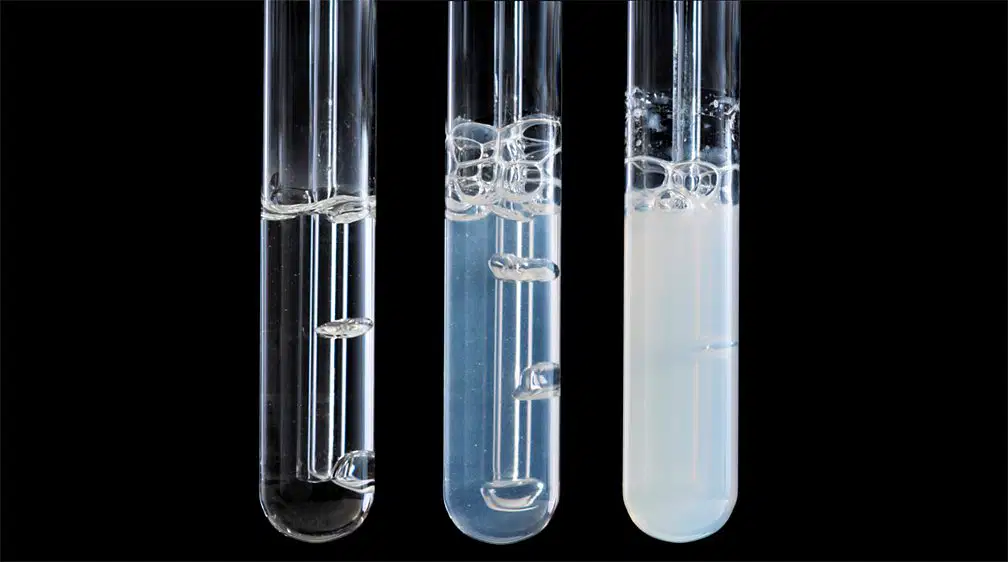
To test for (a) gas, the gas is bubbled through limewater (calcium hydroxide). A white precipitate is formed if (b) is present.
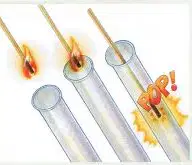
To test for (a) gas, the lighted splint is placed into the mouth of the test tube. The flame extinguishes with a 'pop' sound if (b) is present.
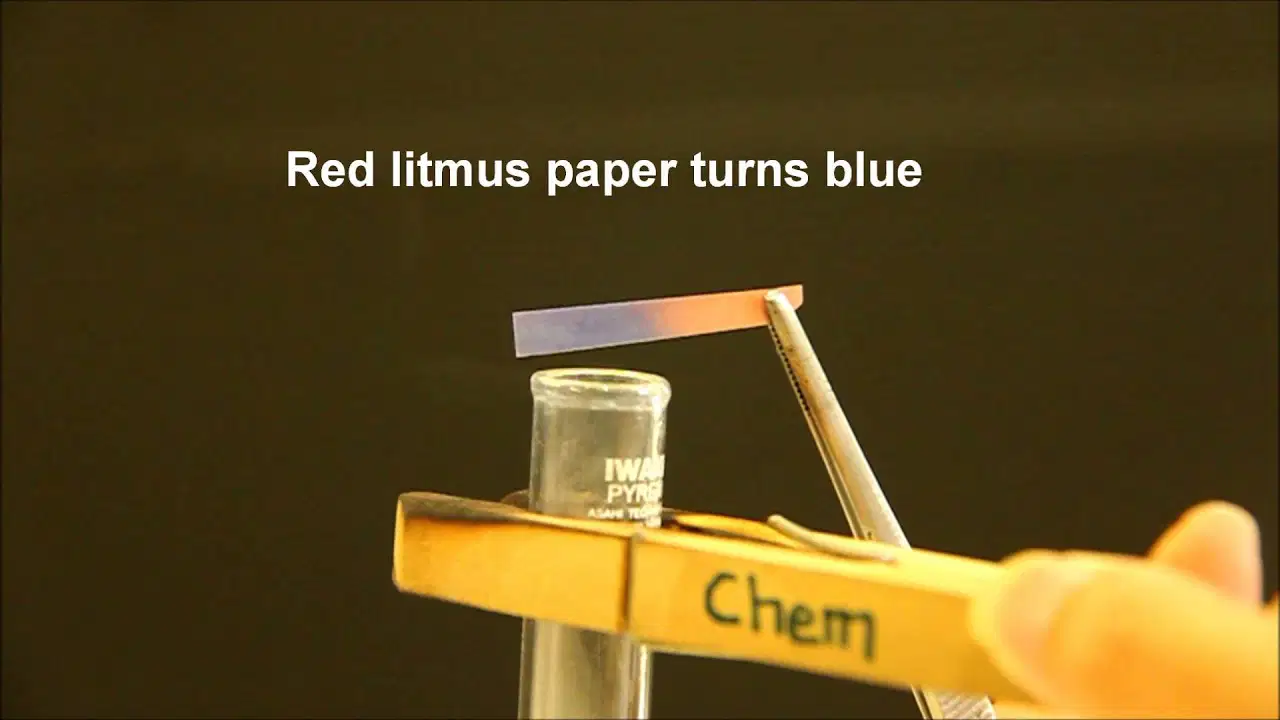
To test for (a) gas, a moist red litmus paper is placed at the mouth of the test tube. The red litmus paper turns blue if (b) is present.

There are 3 forms of energy that we talked about in class. Which one is NOT a form of energy?
Renewable energy.
Independent energy.
Nonrenewable energy.
Inexhaustible energy.

Which is an example(s) of non-renewable energy? There is 2 correct answers.
Coal.
Solar.
Oil.
Fish.

Why is wood considered a renewable resource?
It only has a single-use.
It releases carbon dioxide into the air.
We will never run out of it!
It can grow back!

Click on all the inexhaustible energy sources.
Fish.
Hydro.
Tidal.
Natural gas.

Coal is what type of energy source?
Nonrenewable.
Renewable.
Inexhaustible.
None of the above.

Coal is formed from...
Chocolate chips.
Died ancient animals.
Died ancient trees.
Old carboniferous rocks.

Carbon is made mostly of...
Oxygen.
Hydrogen.
Water.
Carbon.

Coal formed 300-350 million years ago during the...
Carboniferous period.
Jurassic period.
Triassic period.
Mesozoic era.

Plants evolved what over time during the Carboniferous period?
Specialized leaves.
Feet.
Wood.
Longer roots.

What countries are you most likely to find coal? (More than one answer).
Russia.
Australia.
Canada.
Italy.

You need heat, time, and one more ingredient to make coal.
Fertilizer.
Sun.
Water.
Pressure.

Bands of coal that are visible between layers of rocks are called...
Coal mines.
Coal drags.
Coal seams.
Coal stripe.

Click on all of the different types of coal mining (multiple answers).
Mountain top removal.
Underground mining.
Underwater mining.
Open pit mining.

The picture shows which kind of coal mining?
Open pit mining.
Strip mining.
Mountain top removal.
Underground mining.

This picture represents what type of coal mining?
Mountain top removal.
Strip mining.
Open pit mining.
Underground mining.

Click on all of the potential environmental impacts of coal mining (multiple answers)
Purple lung disease.
Surface environment destruction.
Subsidence.
Acid mine drainage.

Breathing in coal dust over long periods of time can cause you to develop...
Gingivitis disease.
Black lung disease.
Blue lung disease.
None of the above.

Click on all of the major applications of coal today (multiple answers).
Environmental restoration.
Electricity generation.
Steel manufacturing.
Powering cars.

The SMRA enforces laws for coal mining companies to...
Restore the environment after mining.
Pay miners more money.
Destroy the environment and not fix it.
None of the above.

Modern day coal mining sites were areas where ancient what were located?
Mountains and valleys.
Mammals and dinosaurs.
Lakes and rivers.
Coastal swamps.