
 Worksheets
5th Grade-Final Quizizz
Total questions: 170
Worksheet time: 2hrs 20mins

How does the Earth move?
It rotates on its axis.
It does not move.
It bounces.

How long does it take for the Earth to make one orbit around the sun?
2 weeks
1 year or 365 days
2 years

Why don't we feel the Earth moving?
It spins smoothly at the same speed and never stops turning.
It is not moving at all.
It only moves at night.

What is an axis?
The imaginary line through the center of the planet.
The action of spinning around the center.
A force that attracts a body to the center of the Earth.

What does the vocabulary word orbit mean?
An imaginary line through the center of the planet.
A sloping or leaning position.
One object travels in a path around another object.

In the sentence below, what does the word rotate mean?
The Earth rotates on its axis to give us day and night.
A sloping or leaning position.
The action of spinning around an axis or center.
A force that attracts a body to the center of the Earth.

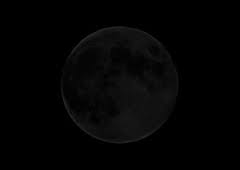
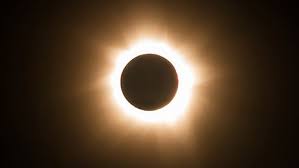
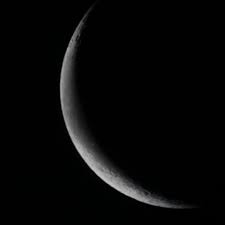
Approximately how long does it take from new moon to the next new moon?
24 hourd
365 days
12 days
28 days

How long does it take the Earth to rotate once on its axis?
24 days
365 days
24 hours
28 days

Sun appears to rise in the__________and set in the ________.
West, East
East, East
East, West
West, West

Which of the following can be found on Earth but not on the moon?
Water
Atmosphere
life
All of the above

The moon does not produce any light. Yet we can we see the moon in the sky. Why?
Moon reflecting Earth's light
Earth reflecting the Moon's light
Moon reflecting the Sun's light

What is the 6th planet from the Sun?
Mercury
Saturn
Earth
Venus

Which planet is closer to the Sun?
Earth
Venus
Saturn
Neptune


Mercury,Saturn
Jupiter, Uranus, Neptune
Jupiter, Neptune,
Mercury,Saturn,
Uranus
Mars,Jupiter,
Saturn,Uranus
Neptune
Which planet could be referred to as a Gas Giant?
Venus
Mars
Saturn
Earth




What are the four inner planets?
Earth, Uranus, Mercury, Venus
Mercury Venus Earth Saturn
Mars, Earth , Mercury, Venus
Mars, Earth, Neptune, Mercury
What are the outer planets?
Jupiter, Saturn, Earth, Neptune
Saturn, Neptune, Mars, Uranus
Uranus, Saturn, Neptune, Jupiter
Mercury, Venus, Earth, Mars

Pluto is a..?
Tiny planet
Dwarf planet
A planet
Moon
Why is Venus so hot?
It's closest to the sun
It was just made like that
It has the thickest atmosphere
It is pure fire


Mercury, Earth, Mars, Jupiter, Saturn and Neptune spin counterclockwise. Which way does Venus spin?
Clockwise
Counterclockwise
It doesn't spin
Venus is fake
Organisms that make their own food.
producers
consumers
detritivores
A simple model that shows how energy moves from the Sun, to a producer, to one or more consumers through feeding relationships.
Food web
Food chain
Energy pyramid

Which of the following is NOT a producer in this food web?
grass
shrub
fungi
tree

The berries and plantain are best known as
producers
primary consumers
secondary consumers
decomposers
How much energy is transferred from one organism to another?
only 10%
all of it, 100%
only 50%
20%


True or false: Ecosystems are made up of both living and non-living things.
True
False

This process is used by Producers to create usable energy.
Photosynthesis
Respiration

Organisms that have to eat other organisms for energy because they are unable to create their own are called...
Consumers
Decomposers
Producers
Animals
Who was the author of Declaration of Independence?
Thomas Paine
John Adams
Richard Henry Lee
Thomas Jefferson
General Cornwallis surrendered at the Battle of:
Fort Ticonderoga
Saratoga
Charlestown
Yorktown
People in the thirteen colonies who supported independence were called
loyalists
patriots
tories
pacifists
Who was the first person to sign the Declaration of Independence?
Thomas Jefferson
John Adams
John Hancock
George Washington
Which of these sentences is an opinion?
Debate over the Declaration began on July 1, 1776.
A person should not call a signature a "John Hancock".
On July 4, 1776, Congress approved the Declaration of Independence
The Declaration was copied on paper made of sheepskin.
Who was King of Great Britain during the American Revolutionary Era?
King George the III
King Charles
Queen Victoria
King Julian
What document was signed that ENDED the American Revolution?
The Treaty of Paris
The Declaration of Independence
The Treaty of Alliance
Second Continental Congress
Who was chosen to lead the Continental Army?
Patrick Henry
George Washington
John Hancock
Samuel Adams
Congress sent the "Olive Branch Petition" to King George. The petition asked the king to repeal his governing policies for the colonies. An olive branch is a symbol of:
war
peace
encouragement
anger
How did the king react to the Olive Branch Petition?
He agreed with the colonists
He refused to read it
He removed soldiers from the colonies
He knew that a peaceful solution could be reached
Which event/battle was considered a turning point in the Revolutionary War?
Yorktown
Trenton
Valley Forge
Saratoga
Which of these events did NOT occur at the Battle of Yorktown?
A blockade prevented British troops and supplies from arriving
Armistead passed on British information to the Patriots
General Cornwallis was victorious
The French and the Patriot army surrounded the British
Many women in the Revolutionary War...
nursed fallen soldiers
cooked meals
fought in battles
made maps
all of these answers
Winter at Valley Forge was a cold battle in which the British and American forces continually fought.
True
False
During the winter at Valley Forge, Washington set up headquarters in Valley Forge, PA, but food and supplies were in short supply.
True
False
December 25, 1776 was when Washington and his men crossed the Delaware River and marched 9 miles to Trenton, NJ.
True
False
After crossing the Delaware River, Washington was not victorious. The Hessians captured the Patriot troops.
True
False
Who said, "Give me liberty or give me death."?
Patrick Henry
Nathan Hale
Thomas Jefferson
George Washington
Match the word to the correct definition: BLOCKADE
professional soldiers
a group of soldiers
using ships to prevent passage of people or supplies from a port
working against one's own country
Match the people to the description: PATRIOT
supported the Revolution
supported the King
Member of the Continental Congress
Match the date with the events: July 4, 1776
Congress approved the Declaration of Independence
Boston Tea Party
Boston Massacre
French and Indian War
An advantage for the Americans was that the soldiers only signed up for 6 months.
True
False
A disadvantage for the Americans was that they lacked uniforms.
True
False
An advantage for the Americans was that the citizens made musket balls and the farmers gave them food.
True
False
A disadvantage for the Americans was that they had a difficult time getting soldiers and supplies across the ocean
True
False
An advantage for the British was that they had at least 60,000 soldiers
True
False
A disadvantage for the British was that they were trained to fight in open battle fields.
True
False
An advantage for the British was that they had red uniforms and were easy to spot.
True
False
A disadvantage for the British was some British didn't support the war since it raised taxes
True
False
Match the law to the description: STAMP ACT
Colonists could only buy sugar and molasses from England
Colonists must pay a tax on all paper goods including playing cards
Colonists must house and feed British soldiers
Colonists could not settle west of the Appalachian mountains

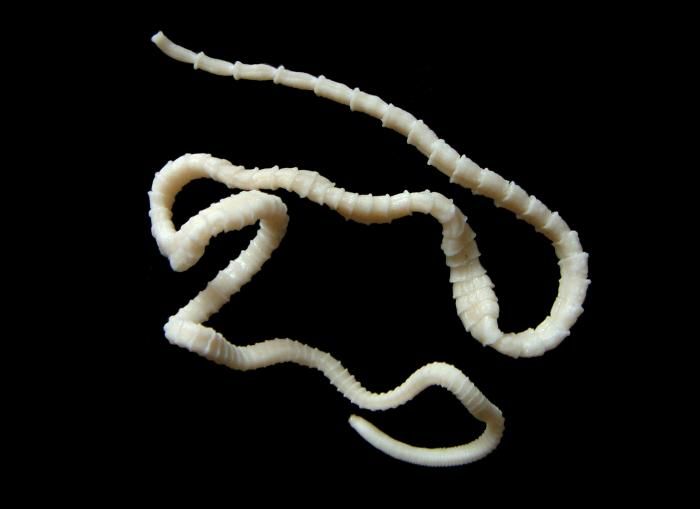
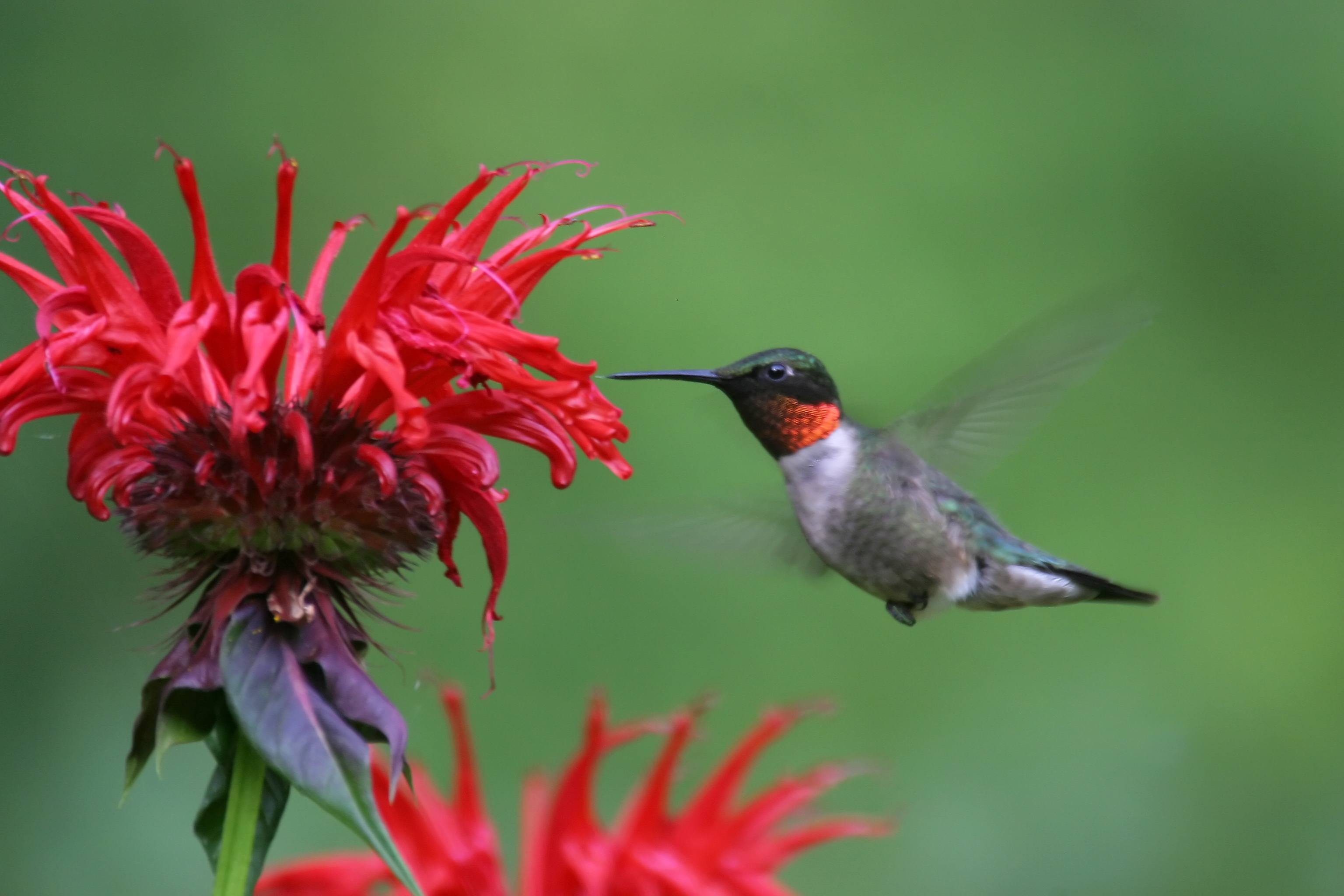
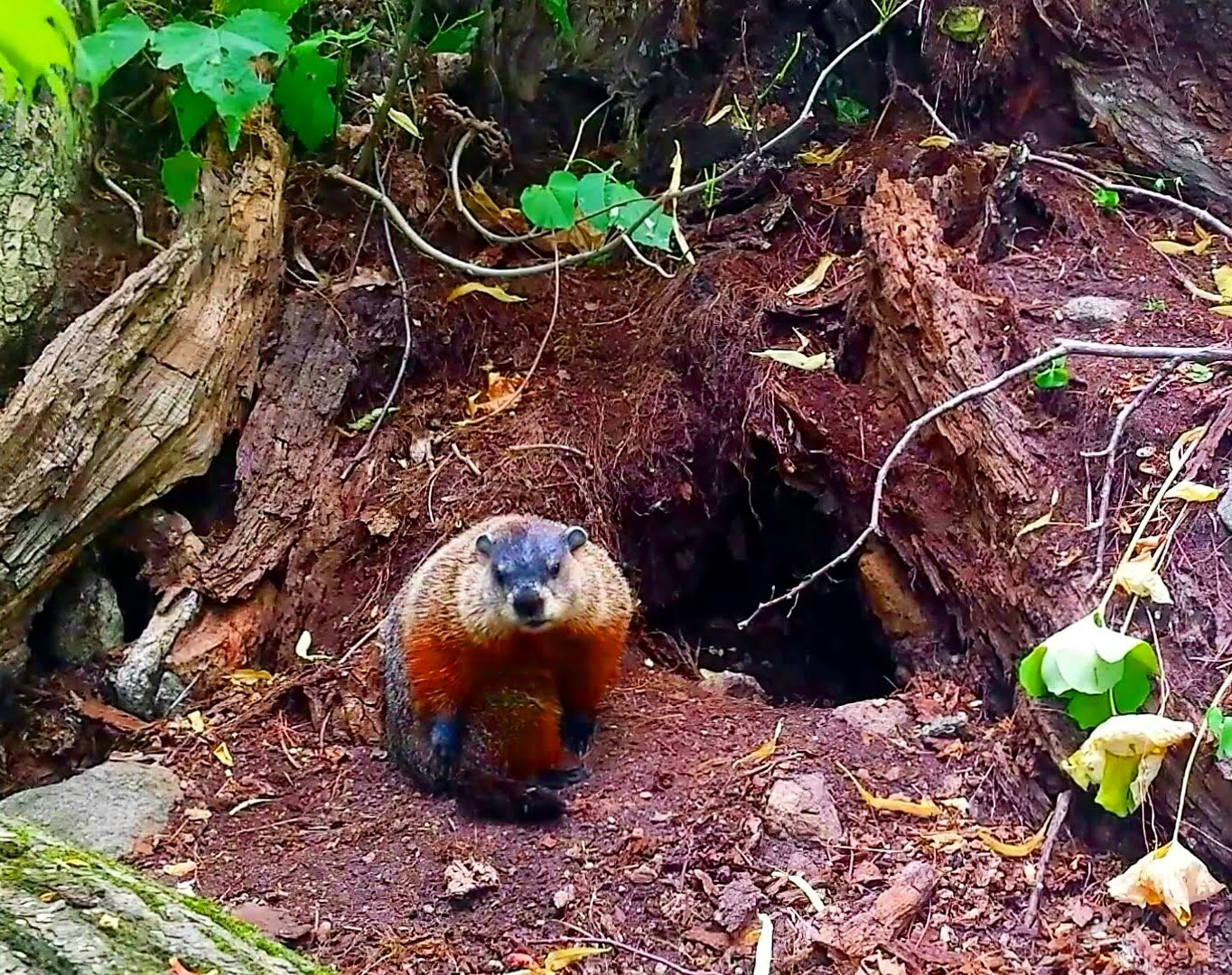
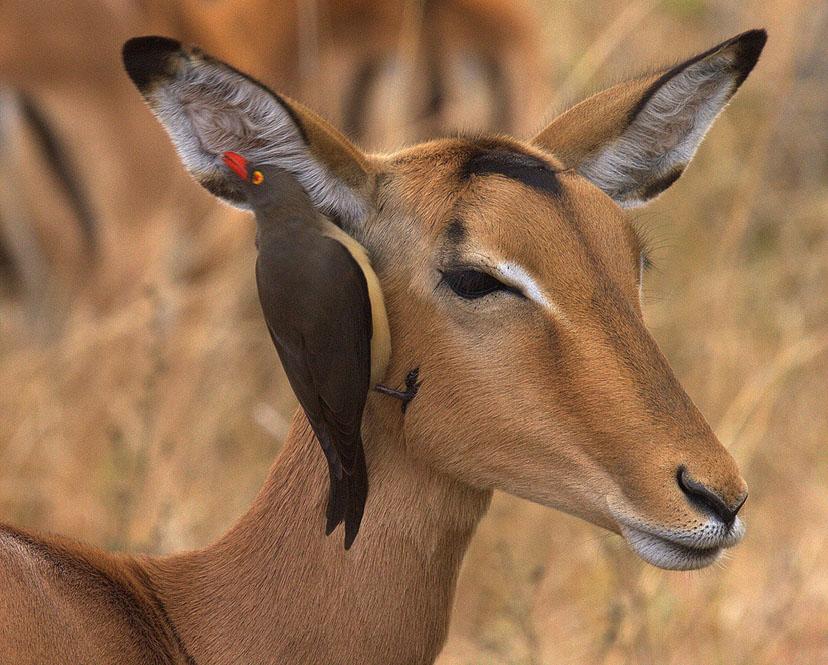
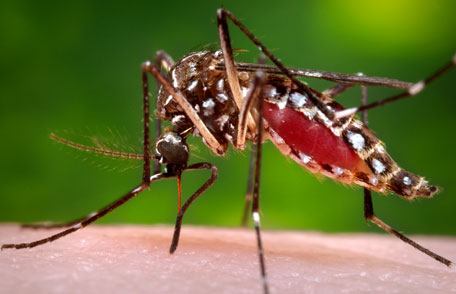

Aphids are tiny insects that live on and eat the leaves of plants, removing vital nutrients from the plants.
Predation
Parasitism
Commensalism
Mutualism


One organism hunts and eats another organism.
predation
mutualism
carnivore
parasitism
When different species live together.
symbiosis
habitat
competiton
predation


Matter must have weight and _________.
be visible
take up space
be a solid
all of these

If 25 grams of sugar dissolves into 150 grams of water, what is the new weight of the liquid?
125 g
150 g
25 g
175 g

What evidence was found for conservation of matter in the fire snake demo?
looked the same before and after
about the same weight before and after
smelled the same before and after
matter was not conserved

The fire snake weighed slightly less after it burned. Where did that matter go?
disappeared
burned up
escaped as gas
soaked into sand

Why does the weight of the dry ice go down while it's sitting on the scale?
it's melting
it's disappearing
turning into a gas
none of these

As the balloon collects gas, what happens to the weight reading on the scale?
increases
decreases
stays the same
goes to zero

As this candle burns it gets shorter. Where does the wax go?
wax goes into the air
disappears
melts into the candle
burns and releases gases into the air

What makes cinnamon rolls get bigger when you bake them?
more matter
gas bubbles get smaller
more energy
gas bubbles get larger

Where did Zoe's flash paper go when it disappeared?
converted to gas
converted into pure energy
into the candle
she hid it in her hand

If you could weigh a sealed air bag before and after it inflates, the weight would do what?
increase
decrease
go to zero
stay the same
Why is a balloon with air in it heavier than a balloon without air?
It's larger
It takes up more space
It has matter in it
None of the above
Which of these is matter?
energy
air
peace
love
Which property did Zoe use to identify these two metals?
soluability
color
density
magnetism
Which of these is LESS dense than air?
styrofoam
sodium hexafluoride
helium
wood
Which property of matter did the team use to figure out which gas was which?
conductivity
magnetism
solubility
density
What property of matter did the team use to figure out which clear liquid was which?
density
solubility
conductivity
magnetism
____________ is the property that tells us how well something dissolves.
liquidness
density
dissolvability
solubility
What is causing the Styrofoam to disappear?
density
trapped gas escaping
chemical reaction
none of these
How did Charlotte make slime with magnetic properties?
aluminum powder
iron powder
sodium powder
ink powder
What property of plastic makes it a good choice for the pot handle?
It is conductive
It is not conductive
solubility
density
What percentage of Earth’s water is located in OCEANS:
3%
50%
71%
97%
ATMOSPHERE
IT HAS SOIL
IT HAS WATER
IT HAS LIVING THINGS
IT HAS AIR

(_______________)- Land (Earth's core, mantle, mountains, sand, metals)
Geosphere
Hydrosphere
Atmosphere
Biosphere

(_______________)- Water (oceans, lakes, rivers, groundwater, glaciers)
Geosphere
Hydrosphere
Atmosphere
Biosphere

(_______________)- Air (oxygen, nitrogen, water vapor, zone, wind)
Geosphere
Hydrosphere
Atmosphere
Biosphere

(_______________)- Life (plants, animals, insects, humans)
Geosphere
Hydrosphere
Atmosphere
Biosphere
The Biosphere is......
Gas
Life
Rocks
Magma
The Atmosphere is......
Density
Water
Air
Dirt
The Hydrosphere is.......
Water
Air
Life
All of the above
The Geosphere is.......
Water
Rock
Magma
Hair
What percentage of earth's water is DRINKABLE FRESH WATER???
3%
97%
100%
150%
They make or produce their own food
I am the chef for the ecosystem because I am the only organism that can make my own food.
consumer
producer
decomposer
I rely on eating other organisms for the energy I need to function since I can not make my own food.
consumer
producer
decomposer
I am Mother Nature's recycler because I take dead things and turn them back into soil.
consumer
producer
decomposer
Which part of the Engineer Design Process must happen FIRST?
Imagine
Plan
Ask
WHich part of the EDP is the step where you realize you may have to start the whole process over again?
test/improve
create
plan
You and a partner should be drawing pics and diagrams in which part of the EDP?
plan
imagine
create
The part of the EDP where you BUILD, BUILD, BUILD is where you _____.
ask
plan
create
The guidelines or directions that must be followed when solving a problem are?
Criteria
Prototypes
Research
Constraints
A collection of information that we can sort and use to understand things is?
Model
Variable
Solution
Data
The steps that engineers take to solve problems which include: ask, imagine, plant, create, test, improve are called?
The Scientific Method
The Engineering Design Process
The Science Project
Mrs. McMahan and Ms. Hedgespeth's Problem Solving

