
 Worksheets
Grammar end of year
Total questions: 144
Worksheet time: 1hrs 22mins
I ________________ lots of fun!
have
am having
haves
I _________________ a very funny book at the moment.
is reading
do read
am reading
read
THEY......... EVERY DAY
GO TO SCHOOL
ARE GOING TO SCHOOL
...... YOUR MUM........JEANS TODAY?
DOES....WEAR
IS....WEARING
RIGHT NOW, MY FRIENDS....
IS SKIING
ARE SKIING
SKI
MARY..... TO THE CINEMA TODAY
GOES
ISN'T GOING
WILLIAM AND JANE............AT NIGHT
WORK
ARE WORKING
SOMEONE................ME A QUESTION AT THE MOMENT
ASKS
IS ASKING
DOESN'T ASK
......SHE.... TO LONDON EVERY YEAR?
DO....COME
DOES....COME
IS....COMING
I....AT THE MOMENT
ARE WORKING
AM WORKING
IS WORKING
WORK
DO, DOES, DON'T Y DOESN'T SE USAN EN
PRESENT SIMPLE CON ORACIONES AFIRMATIVAS
PRESENT CONTINUOUS
PRESENT SIMPLE CON ORACIONES NEGATIVAS E INTERROGATIVAS
PREGUNTAS EN PRESENT CONTINUOUS
USOS DEL PRESENT SIMPLE
RUTINAS
ACCIONES QUE SE REPITEN CON FRECUENCIA
HORARIOS DE TRANSPORTES
ACCIONES PASADAS
_____ HE PLAY BASKETBALL?
DOES
IS
DON'T
HAVE GOT
DO YOU LIKE MY NEW JUMPER?
Yes, I do
No, I doesn't
Yes, I are
No, I aren't
In the past, humans _____________ on cave walls.
used to paint
paint
In the present, humans _____________ jeans.
used to wear
wear
In the past, humans _____________ animal skins.
used to wear
wear
Lions _________ deers.
used to hunt
hunt
Humans _____________ mammoths.
used to hunt
hunt
Humans _____________ with spears.
used to hunt
hunt
used to cook
cook
Humans _____________ food from super markets.
used to buy
buy
used to paint
paint
In the present , humans _____________ on paper.
used to draw
draw
Dinosaurs ____________ on the Earth.
used to live
live
Humans ____________ at home.
used to cook
cook
¿Cuales son las partes del primero condicional?
Respuesta y acción.
Condición y resultado.
Reacción y acción.
IF + "COMA" hacen parte de:
Condición
Resultado
LEE LA SIGUIENTE ORACIÓN:
If she smokes, she will get lung cancer.
ESTA ORACIÓN COMIENZA CON RESULTADO Y LUEGO CON CONDICIÓN?
Verdadero
Falso
¿Para que usamos el "primero condicional"
Para hablar de situaciones que sucedieron en el pasado.
Para hablar de situaciones que tiene alta probabilidad de suceder.
Para hablar de situaciones que NO tienen probabilidad de suceder.
¿Cuando comienza una oración con CONDICIÓN?
Cuando la oración comienza con un verbo.
Cuando la oración comienza con el pronombre.
Cuando la oración comienza con "IF"
¿Si una oración comienza con "IF" y tiene "coma" es porque?
La oración comienza con condición y luego con resultado.
La oración comienza con resultado y luego con condición.
COMPLETA LA ORACIÓN:
If it rains, we _________ the walk.
cancel
will cancel
won´t cancel
OBSERVA LA SIGUIENTE ORACIÓN:
I will go to the cinema if i have money.
ESTA SITUACIÓN EMPIEZA CON:
Condición
Resultado
WIL + VERBO hacen parte de:
Resultado
Condición

Which sentence in correct?
I going to meet my friends
I am go to meet my friends
I am going to met my friends
I am going to meet my friends

What ... your brother going to do tomorrow?
is
are
am
-

"..." you going to play cards at the weekend?
Am
are
is
do

What "..." she going to do? - "..." going to play the piano
are- is
is- is
am-is
are-are

"What "..." you going to do tomorrow? - "..." going to go to the doctor.
am-am
am-is
is-are
are-am

Peter "..." going to get married in June
am
is
are
does

(...) the plane going to land soon?
is
are
does
do

We "..." going to have lunch at 2.00
is not
am not
are is
are

What time "..." he going to leave England?
am
is
are
did

It "..." going to be a great show!
am
is
are
does
The present perfect is formed by...
HAVE + PAST PARTICIPLE
HAVE / HAS + PAST PARTICIPLE
AM/ IS/ ARE + PAST PARTICIPLE
AM / IS / ARE + V-ING
Present perfect is used with these words...
JUST
NOW
FOR / SINCE
YET
EVER

Cristiano Ronaldo
have represented Portugal
has Portugal represented
has represented Portugal
hasn´t represented Portugal

The song contest hasn't started
already
never
yet
usually

Rafael Nadal has
earned
win
won
winned

Have you....been to Lisbon?
ever
never
already
since

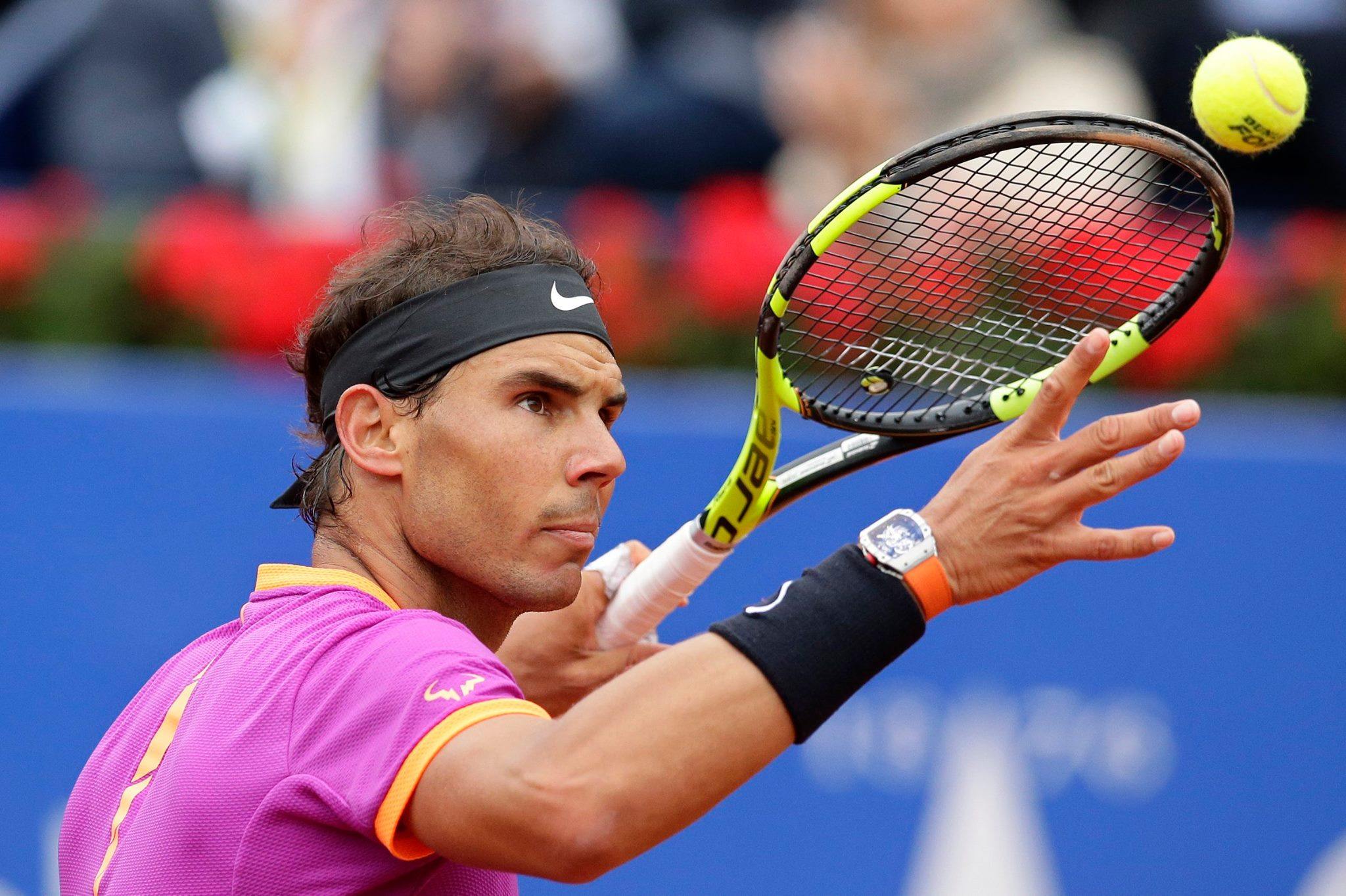

Shakira ....composed songs in Arabic, English, Portuguese, Spanish and French
have
hasn't
has
haven´t
The interrogative form is...
Have you been...?
You have been...?
Have been you...?
been have you...?

el auxiliar modal muestra
un pedido de permiso
una posibilidad
una habilidad

el auxiliar modal muestra
una obligación
una posibilidad
una sugerencia o recomendación

el auxiliar modal muestra
una posibilidad
una obligación
una crítica a una acción pasada

el auxiliar modal muestra
un pedido de permiso
una habilidad
una inferencia lógica

el auxiliar modal muestra
una crítica a una acción pasada
una posibilidad
una habilidad

Indica habilidad o posibilidad. En estos casos puede ser traducido como “poder” en español.
Will
Should
Can
Shall

Indica posibilidad o habilidad en el pasado. También se usa para indicar lo mismo en el futuro.
Could
Would
Shall
Have to

Se usa para indicar posibilidades en el futuro.
May
Should
Would
Ought to

Se usa para indicar posibilidades en el presente o el futuro. En estos casos, es un sinónimo de “may”. También se puede usar al igual que “may”, para pedir permisos o hacer peticiones corteses.
May
Should
Might
Would

Es un sinónimo de “should” aunque es menos común.
May
Ought to
Should
Can

Los verbos modales se usan para:
_____ I use your telephone, please?
MAY
SHOULD
CAN
He _____ pay his rent.
CAN
HAS TO
SHOULD
I _____ eat my dinner last night. My stomach hurt.
CAN
COULDN'T
DON'T HAVE TO
You ______ have an accident. I don't think it's wise to take the risk.
SHOULD
MIGHT
MUSTN'T
The cut looks infected, you ______ go to the doctor.
MIGHT
CAN
SHOULD
You _____ accept Tina's proposal.
CAN
HAVE TO
SHOULD
Megan _____ play both the piano and the guitar.
CAN
COULD
MUST


Lee y completa.
"The reflexive pronoun of YOU in singular is (a) ".

Lee y completa la pregunta con el pronombre reflexivo correcto.
Did you and Tom enjoy __________ on your holiday?
ourselves
yourself
themselves
yourselves

Escoge la oración correcta.
I cut me
she cut myself
I cut myself

Lee y completa la oración correctamente.
"Megan wrote a poem by_________".
yourself
herself
myself
himself

Observa la imagen y completa la oración con el pronombre reflexivo correcto.
"You can do it by (a) "

Usa las siguientes palabras y escribe la oración en el orden correcto.
the / painted / house / we / ourselves
(a)

Lee la oración y escribe el pronombre reflexivo correcto.
"Diana learned to read all by (a) ".

Lee y responde TRUE or FALSE.
"We use reflexive pronouns when the subject and the object are not the same"
TRUE
FALSE
Lee y escribe la palabra correcta.
"The reflexive pronoun of HE is (a) ".

Lee y completa la oración con el pronombre reflexivo correcto.
The dogs bring the balls by __________.
itself
itselves
themselves
yourselves

