
 Worksheets
Hortatory_Adverbial clause
Total questions: 20
Worksheet time: 55mins

Read the following hortatory exposition text, answer the question, and then choose the correct answer.
The Benefits of Banning Plastic Bags to Protect the Environment
Introduction: Plastic bags have become an integral part of our daily lives, but their convenience comes at a significant cost to the environment. With their adverse effects on ecosystems and human health, it is imperative that we consider the benefits of banning plastic bags. This hortatory exposition aims to highlight the environmental advantages of eliminating plastic bags and encourage the adoption of more sustainable alternatives.
Body:
Reduction of Marine Pollution: Plastic bags are notorious for their devastating impact on marine life. When improperly disposed of, they often find their way into rivers and oceans, where they pose a grave threat to marine creatures. Marine animals can mistake plastic bags for food, leading to ingestion and entanglement, which can result in injury or even death. Banning plastic bags helps reduce marine pollution, safeguarding the delicate balance of aquatic ecosystems.
Mitigation of Land Pollution: Plastic bags are a major contributor to land pollution. They are lightweight, easily airborne, and can end up littering our streets, parks, and natural habitats. Not only do they detract from the aesthetic appeal of our surroundings, but they also take hundreds of years to decompose. By banning plastic bags, we can significantly reduce the amount of waste in our environment, preserving the natural beauty of our landscapes and protecting wildlife habitats.
Conservation of Natural Resources: Plastic bags are derived from non-renewable resources, such as fossil fuels. The production and disposal of these bags require a substantial amount of energy and contribute to greenhouse gas emissions. By banning plastic bags, we can conserve valuable resources and reduce our carbon footprint, helping combat climate change and promote a more sustainable future.
Promotion of Sustainable Alternatives: Banning plastic bags encourages the use of more sustainable alternatives. Reusable bags made from materials such as cloth, jute, or recycled materials offer a practical and eco-friendly solution. These bags can be used multiple times, significantly reducing waste and minimizing the environmental impact associated with single-use plastic bags. By embracing reusable alternatives, we can instill a culture of responsible consumption and contribute to the long-term health of our planet.
Inspiration for Change: Banning plastic bags sends a powerful message to individuals, businesses, and governments. It serves as a catalyst for broader change and encourages the adoption of sustainable practices in other areas of our lives. By taking a proactive stance against plastic bags, we can inspire others to rethink their habits, reduce their reliance on single-use plastics, and explore alternative solutions that prioritize the well-being of the environment.
Conclusion:
Banning plastic bags offers a multitude of benefits for the environment. By reducing marine and land pollution, conserving natural resources, promoting sustainable alternatives, and inspiring positive change, we can take significant strides towards protecting our planet. It is our collective responsibility to embrace this shift and seek out alternative solutions that align with our commitment to environmental sustainability. Let us work together to ban plastic bags and pave the way for a cleaner, healthier, and more sustainable future for generations to come.
Question:
Why should we ban plastic bags?
To reduce marine pollution
To increase the production of plastic waste
To encourage the use of non-renewable resources
To promote single-use plastic consumption
To support the growth of land pollution
Read the following hortatory exposition text, answer the question, and then choose the correct answer.
The Benefits of Banning Plastic Bags to Protect the Environment
Introduction: Plastic bags have become an integral part of our daily lives, but their convenience comes at a significant cost to the environment. With their adverse effects on ecosystems and human health, it is imperative that we consider the benefits of banning plastic bags. This hortatory exposition aims to highlight the environmental advantages of eliminating plastic bags and encourage the adoption of more sustainable alternatives.
Body:
Reduction of Marine Pollution: Plastic bags are notorious for their devastating impact on marine life. When improperly disposed of, they often find their way into rivers and oceans, where they pose a grave threat to marine creatures. Marine animals can mistake plastic bags for food, leading to ingestion and entanglement, which can result in injury or even death. Banning plastic bags helps reduce marine pollution, safeguarding the delicate balance of aquatic ecosystems.
Mitigation of Land Pollution: Plastic bags are a major contributor to land pollution. They are lightweight, easily airborne, and can end up littering our streets, parks, and natural habitats. Not only do they detract from the aesthetic appeal of our surroundings, but they also take hundreds of years to decompose. By banning plastic bags, we can significantly reduce the amount of waste in our environment, preserving the natural beauty of our landscapes and protecting wildlife habitats.
Conservation of Natural Resources: Plastic bags are derived from non-renewable resources, such as fossil fuels. The production and disposal of these bags require a substantial amount of energy and contribute to greenhouse gas emissions. By banning plastic bags, we can conserve valuable resources and reduce our carbon footprint, helping combat climate change and promote a more sustainable future.
Promotion of Sustainable Alternatives: Banning plastic bags encourages the use of more sustainable alternatives. Reusable bags made from materials such as cloth, jute, or recycled materials offer a practical and eco-friendly solution. These bags can be used multiple times, significantly reducing waste and minimizing the environmental impact associated with single-use plastic bags. By embracing reusable alternatives, we can instill a culture of responsible consumption and contribute to the long-term health of our planet.
Inspiration for Change: Banning plastic bags sends a powerful message to individuals, businesses, and governments. It serves as a catalyst for broader change and encourages the adoption of sustainable practices in other areas of our lives. By taking a proactive stance against plastic bags, we can inspire others to rethink their habits, reduce their reliance on single-use plastics, and explore alternative solutions that prioritize the well-being of the environment.
Conclusion:
Banning plastic bags offers a multitude of benefits for the environment. By reducing marine and land pollution, conserving natural resources, promoting sustainable alternatives, and inspiring positive change, we can take significant strides towards protecting our planet. It is our collective responsibility to embrace this shift and seek out alternative solutions that align with our commitment to environmental sustainability. Let us work together to ban plastic bags and pave the way for a cleaner, healthier, and more sustainable future for generations to come.
Question:
How do plastic bags harm the environment?
By decomposing quickly
By conserving natural resources
By reducing greenhouse gas emissions
By causing entanglement and ingestion in marine life
By promoting sustainable alternatives

Read the following hortatory exposition text, answer the question, and then choose the correct answer.
The Benefits of Banning Plastic Bags to Protect the Environment
Introduction: Plastic bags have become an integral part of our daily lives, but their convenience comes at a significant cost to the environment. With their adverse effects on ecosystems and human health, it is imperative that we consider the benefits of banning plastic bags. This hortatory exposition aims to highlight the environmental advantages of eliminating plastic bags and encourage the adoption of more sustainable alternatives.
Body:
Reduction of Marine Pollution: Plastic bags are notorious for their devastating impact on marine life. When improperly disposed of, they often find their way into rivers and oceans, where they pose a grave threat to marine creatures. Marine animals can mistake plastic bags for food, leading to ingestion and entanglement, which can result in injury or even death. Banning plastic bags helps reduce marine pollution, safeguarding the delicate balance of aquatic ecosystems.
Mitigation of Land Pollution: Plastic bags are a major contributor to land pollution. They are lightweight, easily airborne, and can end up littering our streets, parks, and natural habitats. Not only do they detract from the aesthetic appeal of our surroundings, but they also take hundreds of years to decompose. By banning plastic bags, we can significantly reduce the amount of waste in our environment, preserving the natural beauty of our landscapes and protecting wildlife habitats.
Conservation of Natural Resources: Plastic bags are derived from non-renewable resources, such as fossil fuels. The production and disposal of these bags require a substantial amount of energy and contribute to greenhouse gas emissions. By banning plastic bags, we can conserve valuable resources and reduce our carbon footprint, helping combat climate change and promote a more sustainable future.
Promotion of Sustainable Alternatives: Banning plastic bags encourages the use of more sustainable alternatives. Reusable bags made from materials such as cloth, jute, or recycled materials offer a practical and eco-friendly solution. These bags can be used multiple times, significantly reducing waste and minimizing the environmental impact associated with single-use plastic bags. By embracing reusable alternatives, we can instill a culture of responsible consumption and contribute to the long-term health of our planet.
Inspiration for Change: Banning plastic bags sends a powerful message to individuals, businesses, and governments. It serves as a catalyst for broader change and encourages the adoption of sustainable practices in other areas of our lives. By taking a proactive stance against plastic bags, we can inspire others to rethink their habits, reduce their reliance on single-use plastics, and explore alternative solutions that prioritize the well-being of the environment.
Conclusion:
Banning plastic bags offers a multitude of benefits for the environment. By reducing marine and land pollution, conserving natural resources, promoting sustainable alternatives, and inspiring positive change, we can take significant strides towards protecting our planet. It is our collective responsibility to embrace this shift and seek out alternative solutions that align with our commitment to environmental sustainability. Let us work together to ban plastic bags and pave the way for a cleaner, healthier, and more sustainable future for generations to come.
Question:
When should the ban on plastic bags be implemented?
Immediately
In the distant future
Only during specific seasons
On alternate days
Never
Read the following hortatory exposition text, answer the question, and then choose the correct answer.
The Benefits of Banning Plastic Bags to Protect the Environment
Introduction: Plastic bags have become an integral part of our daily lives, but their convenience comes at a significant cost to the environment. With their adverse effects on ecosystems and human health, it is imperative that we consider the benefits of banning plastic bags. This hortatory exposition aims to highlight the environmental advantages of eliminating plastic bags and encourage the adoption of more sustainable alternatives.
Body:
Reduction of Marine Pollution: Plastic bags are notorious for their devastating impact on marine life. When improperly disposed of, they often find their way into rivers and oceans, where they pose a grave threat to marine creatures. Marine animals can mistake plastic bags for food, leading to ingestion and entanglement, which can result in injury or even death. Banning plastic bags helps reduce marine pollution, safeguarding the delicate balance of aquatic ecosystems.
Mitigation of Land Pollution: Plastic bags are a major contributor to land pollution. They are lightweight, easily airborne, and can end up littering our streets, parks, and natural habitats. Not only do they detract from the aesthetic appeal of our surroundings, but they also take hundreds of years to decompose. By banning plastic bags, we can significantly reduce the amount of waste in our environment, preserving the natural beauty of our landscapes and protecting wildlife habitats.
Conservation of Natural Resources: Plastic bags are derived from non-renewable resources, such as fossil fuels. The production and disposal of these bags require a substantial amount of energy and contribute to greenhouse gas emissions. By banning plastic bags, we can conserve valuable resources and reduce our carbon footprint, helping combat climate change and promote a more sustainable future.
Promotion of Sustainable Alternatives: Banning plastic bags encourages the use of more sustainable alternatives. Reusable bags made from materials such as cloth, jute, or recycled materials offer a practical and eco-friendly solution. These bags can be used multiple times, significantly reducing waste and minimizing the environmental impact associated with single-use plastic bags. By embracing reusable alternatives, we can instill a culture of responsible consumption and contribute to the long-term health of our planet.
Inspiration for Change: Banning plastic bags sends a powerful message to individuals, businesses, and governments. It serves as a catalyst for broader change and encourages the adoption of sustainable practices in other areas of our lives. By taking a proactive stance against plastic bags, we can inspire others to rethink their habits, reduce their reliance on single-use plastics, and explore alternative solutions that prioritize the well-being of the environment.
Conclusion:
Banning plastic bags offers a multitude of benefits for the environment. By reducing marine and land pollution, conserving natural resources, promoting sustainable alternatives, and inspiring positive change, we can take significant strides towards protecting our planet. It is our collective responsibility to embrace this shift and seek out alternative solutions that align with our commitment to environmental sustainability. Let us work together to ban plastic bags and pave the way for a cleaner, healthier, and more sustainable future for generations to come.
Question:
Where are plastic bags commonly found in the environment?
Floating in outer space
Deep within the Earth's core
Littering city streets and parks
Only in recycling centers
Nowhere, as they are biodegradable
Read the following hortatory exposition text, answer the question, and then choose the correct answer.
The Benefits of Banning Plastic Bags to Protect the Environment
Introduction: Plastic bags have become an integral part of our daily lives, but their convenience comes at a significant cost to the environment. With their adverse effects on ecosystems and human health, it is imperative that we consider the benefits of banning plastic bags. This hortatory exposition aims to highlight the environmental advantages of eliminating plastic bags and encourage the adoption of more sustainable alternatives.
Body:
Reduction of Marine Pollution: Plastic bags are notorious for their devastating impact on marine life. When improperly disposed of, they often find their way into rivers and oceans, where they pose a grave threat to marine creatures. Marine animals can mistake plastic bags for food, leading to ingestion and entanglement, which can result in injury or even death. Banning plastic bags helps reduce marine pollution, safeguarding the delicate balance of aquatic ecosystems.
Mitigation of Land Pollution: Plastic bags are a major contributor to land pollution. They are lightweight, easily airborne, and can end up littering our streets, parks, and natural habitats. Not only do they detract from the aesthetic appeal of our surroundings, but they also take hundreds of years to decompose. By banning plastic bags, we can significantly reduce the amount of waste in our environment, preserving the natural beauty of our landscapes and protecting wildlife habitats.
Conservation of Natural Resources: Plastic bags are derived from non-renewable resources, such as fossil fuels. The production and disposal of these bags require a substantial amount of energy and contribute to greenhouse gas emissions. By banning plastic bags, we can conserve valuable resources and reduce our carbon footprint, helping combat climate change and promote a more sustainable future.
Promotion of Sustainable Alternatives: Banning plastic bags encourages the use of more sustainable alternatives. Reusable bags made from materials such as cloth, jute, or recycled materials offer a practical and eco-friendly solution. These bags can be used multiple times, significantly reducing waste and minimizing the environmental impact associated with single-use plastic bags. By embracing reusable alternatives, we can instill a culture of responsible consumption and contribute to the long-term health of our planet.
Inspiration for Change: Banning plastic bags sends a powerful message to individuals, businesses, and governments. It serves as a catalyst for broader change and encourages the adoption of sustainable practices in other areas of our lives. By taking a proactive stance against plastic bags, we can inspire others to rethink their habits, reduce their reliance on single-use plastics, and explore alternative solutions that prioritize the well-being of the environment.
Conclusion:
Banning plastic bags offers a multitude of benefits for the environment. By reducing marine and land pollution, conserving natural resources, promoting sustainable alternatives, and inspiring positive change, we can take significant strides towards protecting our planet. It is our collective responsibility to embrace this shift and seek out alternative solutions that align with our commitment to environmental sustainability. Let us work together to ban plastic bags and pave the way for a cleaner, healthier, and more sustainable future for generations to come.
Question:
What is the key benefit of banning plastic bags?
Increased use of non-renewable resources
Higher production of plastic waste
Reduced carbon footprint
Expansion of land pollution
Promotion of single-use plastic consumption
Read the following hortatory exposition text, answer the question, and then choose the correct answer.
The Benefits of Banning Plastic Bags to Protect the Environment
Introduction: Plastic bags have become an integral part of our daily lives, but their convenience comes at a significant cost to the environment. With their adverse effects on ecosystems and human health, it is imperative that we consider the benefits of banning plastic bags. This hortatory exposition aims to highlight the environmental advantages of eliminating plastic bags and encourage the adoption of more sustainable alternatives.
Body:
Reduction of Marine Pollution: Plastic bags are notorious for their devastating impact on marine life. When improperly disposed of, they often find their way into rivers and oceans, where they pose a grave threat to marine creatures. Marine animals can mistake plastic bags for food, leading to ingestion and entanglement, which can result in injury or even death. Banning plastic bags helps reduce marine pollution, safeguarding the delicate balance of aquatic ecosystems.
Mitigation of Land Pollution: Plastic bags are a major contributor to land pollution. They are lightweight, easily airborne, and can end up littering our streets, parks, and natural habitats. Not only do they detract from the aesthetic appeal of our surroundings, but they also take hundreds of years to decompose. By banning plastic bags, we can significantly reduce the amount of waste in our environment, preserving the natural beauty of our landscapes and protecting wildlife habitats.
Conservation of Natural Resources: Plastic bags are derived from non-renewable resources, such as fossil fuels. The production and disposal of these bags require a substantial amount of energy and contribute to greenhouse gas emissions. By banning plastic bags, we can conserve valuable resources and reduce our carbon footprint, helping combat climate change and promote a more sustainable future.
Promotion of Sustainable Alternatives: Banning plastic bags encourages the use of more sustainable alternatives. Reusable bags made from materials such as cloth, jute, or recycled materials offer a practical and eco-friendly solution. These bags can be used multiple times, significantly reducing waste and minimizing the environmental impact associated with single-use plastic bags. By embracing reusable alternatives, we can instill a culture of responsible consumption and contribute to the long-term health of our planet.
Inspiration for Change: Banning plastic bags sends a powerful message to individuals, businesses, and governments. It serves as a catalyst for broader change and encourages the adoption of sustainable practices in other areas of our lives. By taking a proactive stance against plastic bags, we can inspire others to rethink their habits, reduce their reliance on single-use plastics, and explore alternative solutions that prioritize the well-being of the environment.
Conclusion:
Banning plastic bags offers a multitude of benefits for the environment. By reducing marine and land pollution, conserving natural resources, promoting sustainable alternatives, and inspiring positive change, we can take significant strides towards protecting our planet. It is our collective responsibility to embrace this shift and seek out alternative solutions that align with our commitment to environmental sustainability. Let us work together to ban plastic bags and pave the way for a cleaner, healthier, and more sustainable future for generations to come.
Question:
Why is it important to find sustainable alternatives to plastic bags?
To increase the demand for plastic production
To contribute to climate change
To promote the use of non-renewable resources
To reduce environmental impact and waste
To support the growth of land pollution
Read the following hortatory exposition text, answer the question, and then choose the correct answer.
The Benefits of Banning Plastic Bags to Protect the Environment
Introduction: Plastic bags have become an integral part of our daily lives, but their convenience comes at a significant cost to the environment. With their adverse effects on ecosystems and human health, it is imperative that we consider the benefits of banning plastic bags. This hortatory exposition aims to highlight the environmental advantages of eliminating plastic bags and encourage the adoption of more sustainable alternatives.
Body:
Reduction of Marine Pollution: Plastic bags are notorious for their devastating impact on marine life. When improperly disposed of, they often find their way into rivers and oceans, where they pose a grave threat to marine creatures. Marine animals can mistake plastic bags for food, leading to ingestion and entanglement, which can result in injury or even death. Banning plastic bags helps reduce marine pollution, safeguarding the delicate balance of aquatic ecosystems.
Mitigation of Land Pollution: Plastic bags are a major contributor to land pollution. They are lightweight, easily airborne, and can end up littering our streets, parks, and natural habitats. Not only do they detract from the aesthetic appeal of our surroundings, but they also take hundreds of years to decompose. By banning plastic bags, we can significantly reduce the amount of waste in our environment, preserving the natural beauty of our landscapes and protecting wildlife habitats.
Conservation of Natural Resources: Plastic bags are derived from non-renewable resources, such as fossil fuels. The production and disposal of these bags require a substantial amount of energy and contribute to greenhouse gas emissions. By banning plastic bags, we can conserve valuable resources and reduce our carbon footprint, helping combat climate change and promote a more sustainable future.
Promotion of Sustainable Alternatives: Banning plastic bags encourages the use of more sustainable alternatives. Reusable bags made from materials such as cloth, jute, or recycled materials offer a practical and eco-friendly solution. These bags can be used multiple times, significantly reducing waste and minimizing the environmental impact associated with single-use plastic bags. By embracing reusable alternatives, we can instill a culture of responsible consumption and contribute to the long-term health of our planet.
Inspiration for Change: Banning plastic bags sends a powerful message to individuals, businesses, and governments. It serves as a catalyst for broader change and encourages the adoption of sustainable practices in other areas of our lives. By taking a proactive stance against plastic bags, we can inspire others to rethink their habits, reduce their reliance on single-use plastics, and explore alternative solutions that prioritize the well-being of the environment.
Conclusion:
Banning plastic bags offers a multitude of benefits for the environment. By reducing marine and land pollution, conserving natural resources, promoting sustainable alternatives, and inspiring positive change, we can take significant strides towards protecting our planet. It is our collective responsibility to embrace this shift and seek out alternative solutions that align with our commitment to environmental sustainability. Let us work together to ban plastic bags and pave the way for a cleaner, healthier, and more sustainable future for generations to come.
Question:
How can individuals contribute to the reduction of plastic bag usage?
By using single-use plastic bags frequently
By avoiding reusable bags
By practicing responsible consumption and using reusable bags
By encouraging the production of more plastic bags
By disposing of plastic bags in natural habitats

Read the following hortatory exposition text, answer the question, and then choose the correct answer.
The Benefits of Banning Plastic Bags to Protect the Environment
Introduction: Plastic bags have become an integral part of our daily lives, but their convenience comes at a significant cost to the environment. With their adverse effects on ecosystems and human health, it is imperative that we consider the benefits of banning plastic bags. This hortatory exposition aims to highlight the environmental advantages of eliminating plastic bags and encourage the adoption of more sustainable alternatives.
Body:
Reduction of Marine Pollution: Plastic bags are notorious for their devastating impact on marine life. When improperly disposed of, they often find their way into rivers and oceans, where they pose a grave threat to marine creatures. Marine animals can mistake plastic bags for food, leading to ingestion and entanglement, which can result in injury or even death. Banning plastic bags helps reduce marine pollution, safeguarding the delicate balance of aquatic ecosystems.
Mitigation of Land Pollution: Plastic bags are a major contributor to land pollution. They are lightweight, easily airborne, and can end up littering our streets, parks, and natural habitats. Not only do they detract from the aesthetic appeal of our surroundings, but they also take hundreds of years to decompose. By banning plastic bags, we can significantly reduce the amount of waste in our environment, preserving the natural beauty of our landscapes and protecting wildlife habitats.
Conservation of Natural Resources: Plastic bags are derived from non-renewable resources, such as fossil fuels. The production and disposal of these bags require a substantial amount of energy and contribute to greenhouse gas emissions. By banning plastic bags, we can conserve valuable resources and reduce our carbon footprint, helping combat climate change and promote a more sustainable future.
Promotion of Sustainable Alternatives: Banning plastic bags encourages the use of more sustainable alternatives. Reusable bags made from materials such as cloth, jute, or recycled materials offer a practical and eco-friendly solution. These bags can be used multiple times, significantly reducing waste and minimizing the environmental impact associated with single-use plastic bags. By embracing reusable alternatives, we can instill a culture of responsible consumption and contribute to the long-term health of our planet.
Inspiration for Change: Banning plastic bags sends a powerful message to individuals, businesses, and governments. It serves as a catalyst for broader change and encourages the adoption of sustainable practices in other areas of our lives. By taking a proactive stance against plastic bags, we can inspire others to rethink their habits, reduce their reliance on single-use plastics, and explore alternative solutions that prioritize the well-being of the environment.
Conclusion:
Banning plastic bags offers a multitude of benefits for the environment. By reducing marine and land pollution, conserving natural resources, promoting sustainable alternatives, and inspiring positive change, we can take significant strides towards protecting our planet. It is our collective responsibility to embrace this shift and seek out alternative solutions that align with our commitment to environmental sustainability. Let us work together to ban plastic bags and pave the way for a cleaner, healthier, and more sustainable future for generations to come.
Question:
When did the awareness about the environmental impact of plastic bags increase?
In ancient times
In the future
In recent years
In alternate universes
Never Key answer: c) In recent years
Read the following hortatory exposition text, answer the question, and then choose the correct answer.
The Benefits of Banning Plastic Bags to Protect the Environment
Introduction: Plastic bags have become an integral part of our daily lives, but their convenience comes at a significant cost to the environment. With their adverse effects on ecosystems and human health, it is imperative that we consider the benefits of banning plastic bags. This hortatory exposition aims to highlight the environmental advantages of eliminating plastic bags and encourage the adoption of more sustainable alternatives.
Body:
Reduction of Marine Pollution: Plastic bags are notorious for their devastating impact on marine life. When improperly disposed of, they often find their way into rivers and oceans, where they pose a grave threat to marine creatures. Marine animals can mistake plastic bags for food, leading to ingestion and entanglement, which can result in injury or even death. Banning plastic bags helps reduce marine pollution, safeguarding the delicate balance of aquatic ecosystems.
Mitigation of Land Pollution: Plastic bags are a major contributor to land pollution. They are lightweight, easily airborne, and can end up littering our streets, parks, and natural habitats. Not only do they detract from the aesthetic appeal of our surroundings, but they also take hundreds of years to decompose. By banning plastic bags, we can significantly reduce the amount of waste in our environment, preserving the natural beauty of our landscapes and protecting wildlife habitats.
Conservation of Natural Resources: Plastic bags are derived from non-renewable resources, such as fossil fuels. The production and disposal of these bags require a substantial amount of energy and contribute to greenhouse gas emissions. By banning plastic bags, we can conserve valuable resources and reduce our carbon footprint, helping combat climate change and promote a more sustainable future.
Promotion of Sustainable Alternatives: Banning plastic bags encourages the use of more sustainable alternatives. Reusable bags made from materials such as cloth, jute, or recycled materials offer a practical and eco-friendly solution. These bags can be used multiple times, significantly reducing waste and minimizing the environmental impact associated with single-use plastic bags. By embracing reusable alternatives, we can instill a culture of responsible consumption and contribute to the long-term health of our planet.
Inspiration for Change: Banning plastic bags sends a powerful message to individuals, businesses, and governments. It serves as a catalyst for broader change and encourages the adoption of sustainable practices in other areas of our lives. By taking a proactive stance against plastic bags, we can inspire others to rethink their habits, reduce their reliance on single-use plastics, and explore alternative solutions that prioritize the well-being of the environment.
Conclusion:
Banning plastic bags offers a multitude of benefits for the environment. By reducing marine and land pollution, conserving natural resources, promoting sustainable alternatives, and inspiring positive change, we can take significant strides towards protecting our planet. It is our collective responsibility to embrace this shift and seek out alternative solutions that align with our commitment to environmental sustainability. Let us work together to ban plastic bags and pave the way for a cleaner, healthier, and more sustainable future for generations to come.
Question:
Where can individuals obtain reusable bags?
By promoting the use of single-use plastic bags
In local stores, supermarkets, and online retailers
By importing them from distant planets
Only in specific countries
Nowhere, as reusable bags are not available
Read the following hortatory exposition text, answer the question, and then choose the correct answer.
The Benefits of Banning Plastic Bags to Protect the Environment
Introduction: Plastic bags have become an integral part of our daily lives, but their convenience comes at a significant cost to the environment. With their adverse effects on ecosystems and human health, it is imperative that we consider the benefits of banning plastic bags. This hortatory exposition aims to highlight the environmental advantages of eliminating plastic bags and encourage the adoption of more sustainable alternatives.
Body:
Reduction of Marine Pollution: Plastic bags are notorious for their devastating impact on marine life. When improperly disposed of, they often find their way into rivers and oceans, where they pose a grave threat to marine creatures. Marine animals can mistake plastic bags for food, leading to ingestion and entanglement, which can result in injury or even death. Banning plastic bags helps reduce marine pollution, safeguarding the delicate balance of aquatic ecosystems.
Mitigation of Land Pollution: Plastic bags are a major contributor to land pollution. They are lightweight, easily airborne, and can end up littering our streets, parks, and natural habitats. Not only do they detract from the aesthetic appeal of our surroundings, but they also take hundreds of years to decompose. By banning plastic bags, we can significantly reduce the amount of waste in our environment, preserving the natural beauty of our landscapes and protecting wildlife habitats.
Conservation of Natural Resources: Plastic bags are derived from non-renewable resources, such as fossil fuels. The production and disposal of these bags require a substantial amount of energy and contribute to greenhouse gas emissions. By banning plastic bags, we can conserve valuable resources and reduce our carbon footprint, helping combat climate change and promote a more sustainable future.
Promotion of Sustainable Alternatives: Banning plastic bags encourages the use of more sustainable alternatives. Reusable bags made from materials such as cloth, jute, or recycled materials offer a practical and eco-friendly solution. These bags can be used multiple times, significantly reducing waste and minimizing the environmental impact associated with single-use plastic bags. By embracing reusable alternatives, we can instill a culture of responsible consumption and contribute to the long-term health of our planet.
Inspiration for Change: Banning plastic bags sends a powerful message to individuals, businesses, and governments. It serves as a catalyst for broader change and encourages the adoption of sustainable practices in other areas of our lives. By taking a proactive stance against plastic bags, we can inspire others to rethink their habits, reduce their reliance on single-use plastics, and explore alternative solutions that prioritize the well-being of the environment.
Conclusion:
Banning plastic bags offers a multitude of benefits for the environment. By reducing marine and land pollution, conserving natural resources, promoting sustainable alternatives, and inspiring positive change, we can take significant strides towards protecting our planet. It is our collective responsibility to embrace this shift and seek out alternative solutions that align with our commitment to environmental sustainability. Let us work together to ban plastic bags and pave the way for a cleaner, healthier, and more sustainable future for generations to come.
Question:
What is the ultimate goal of banning plastic bags?
To increase the production of plastic waste
To support the growth of land pollution
To promote the use of non-renewable resources
To protect the environment and preserve ecosystems
To encourage the use of single-use plastic bags

Which of the following is a synonym for "irreversible" as used in the text?
Temporary
Reversible
Changeable
Alterable
Transient

Which of the following is an antonym for "conserve" as used in the text?
Preserve
Waste
Sustain
Maintain
Protect

The following question is about adverbial clause.
Which sentence contains an adverbial clause in the text?
"Plastic bags have become an integral part of our daily lives."
"Banning plastic bags helps reduce marine pollution."
"By embracing reusable alternatives, we can instill a culture of responsible consumption."
"It is our collective responsibility to embrace this shift."
"Let us work together to ban plastic bags." consumption."

The following question is about adverbial clause.
What is the purpose of the adverbial clause in the sentence "Banning plastic bags helps reduce marine pollution"?
It provides information about the subject "banning plastic bags."
It modifies the verb "reduce."
It functions as a direct object.
It introduces a contrast in ideas.
It indicates a cause-and-effect relationship.
The following question is about adverbial clause.
Which sentence contains an adverbial clause indicating time?
"Plastic bags have become an integral part of our daily lives."
"When improperly disposed of, they often find their way into rivers and oceans."
"It is our collective responsibility to embrace this shift." Key answer: d) "When improperly disposed of, they often find their way into rivers and oceans."
"Banning plastic bags helps reduce marine pollution."
"By embracing reusable alternatives, we can instill a culture of responsible consumption."

The following question is about adverbial clause.
What is the function of the adverbial clause in the sentence "It is our collective responsibility to embrace this shift"?
It modifies the verb "embrace."
It introduces a contrast in ideas.
It provides information about the subject "it."
It indicates a cause-and-effect relationship.
It indicates a condition.
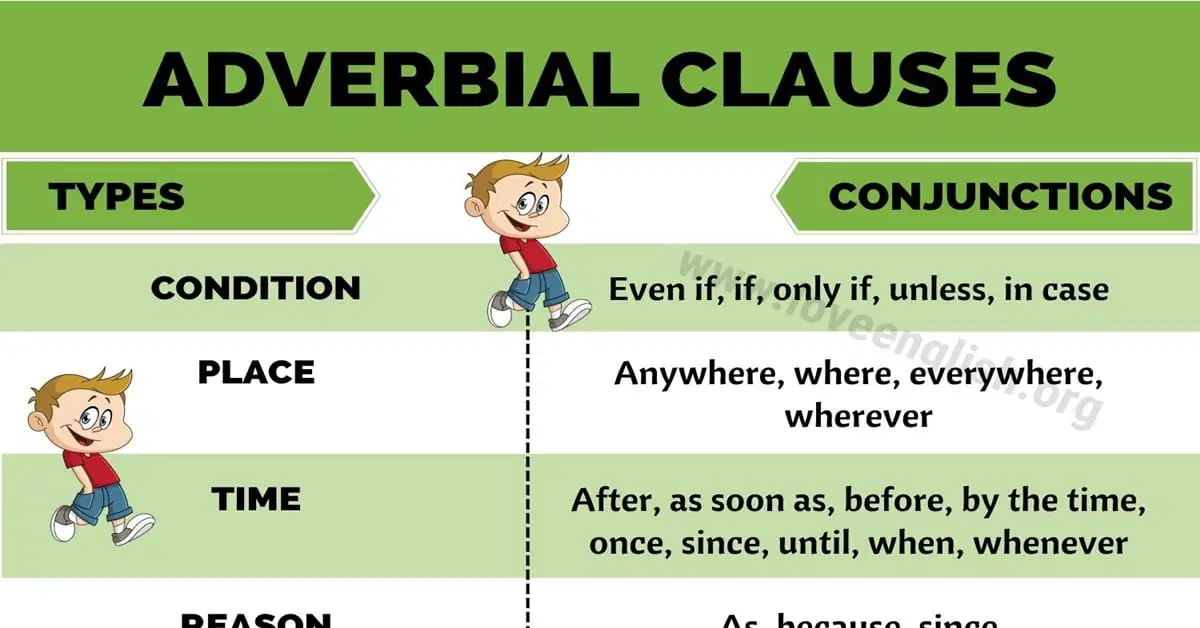
The following question is about adverbial clause.
Which of the following is an adverbial clause of time?
In order to succeed
As if nothing happened
After the storm subsided
Without any hesitation
With great determination
The following question is about adverbial clause.
Which of the following is an adverbial clause of condition?
In the early morning
Although he was tired
With a smile on her face
By following the instructions
With a lot of effort
The following question is about adverbial clause.
Which of the following is an adverbial clause of place?
In a hurry
As fast as possible
When the sun sets
Wherever you go
By reading the book
The following question is about adverbial clause.
Which of the following is an adverbial clause of purpose?
In the meantime
By practicing regularly
With all his heart
After the meeting ended
So that we can learn

