
 Worksheets
Our Environment
Total questions: 17
Worksheet time: 11mins
When is World Environment Day is celebrated?
5 February
5 August
5 June
5 may
What does a food chain always start with?
The herbivore
The carnivore
The producer
The consumer
Which of the following is a primary consumer in a grassland ecosystem?
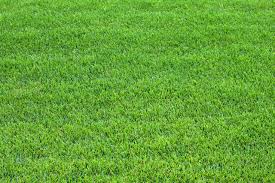
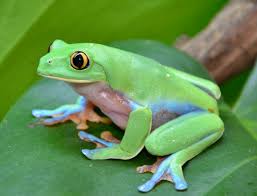
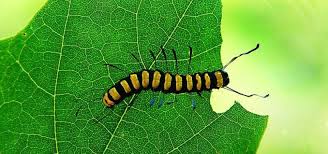
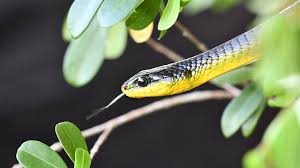
What percentage of energy is passed on to next tropic level?
10%
50%
90%
100%

What is this called?
Food Web
Food Chain
Abiotic Factors
Biotic factors

Which organism recieves the least amount of energy from the producer?
Owl
Grasshopper
Lilypad
Mouse
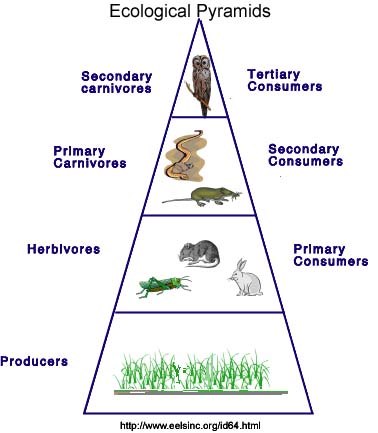
Consider the following food chain:
Algae > Mayfly > Minnow > Trout
In a polluted ecosystem, which organism is likely to have the HIGHEST level of toxic chemicals in its body?
Algae
Mayfly
Minnow
Trout
The phenomenon by which toxins concentrate in the organisms at higher trophic levels within an ecosystem is known as...
Biotoxicity
Biomagnification
Eutrophication
Predation
What does the Ozone in the atmosphere do?
causes the greenhouse effect
causes acid rain
protects the Earth from harmful infrared (IR) rays
protects the Earth from harmful ultraviolet (UV) rays
What is causing damage to the Ozone layer?
Methane
Carbon dioxide
CFCs
All of the above
What damage can UV rays cause?
can cause sunburn.
can cause some types of skin cancer.
cataracts.
all of the above

