
 Worksheets
CCWH#12 Fall of The Roman Empire...in the 15th Century
Total questions: 18
Worksheet time: 9mins
Name
Class
Date
1.

How and when does the traditional view suggest that Rome fell?
a)
Conquered by barbarians in 476 CE
b)
Overthrown by internal revolts in the 5th century BCE
c)
Collapsed due to economic decline in the 3rd century CE
d)
Succumbed to a plague epidemic in the 1st century CE
2.
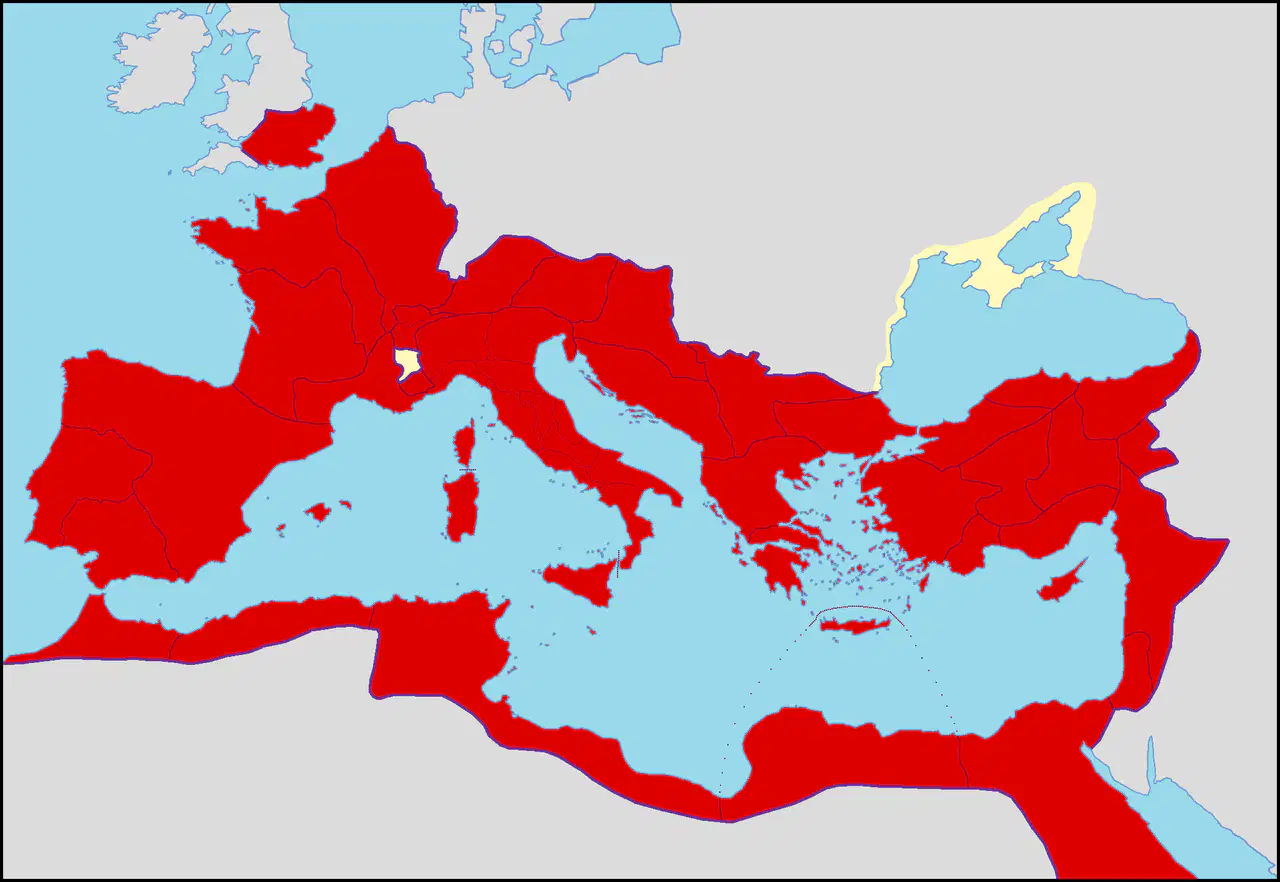
What is the main argument of the anti-imperialistic view?
a)
Rome's spread outside of Italy led to governance challenges
b)
Rome's fall was inevitable due to external invasions
c)
Internal corruption and political instability caused Rome's decline
d)
Rome's fall was a result of religious conflicts and schisms
3.
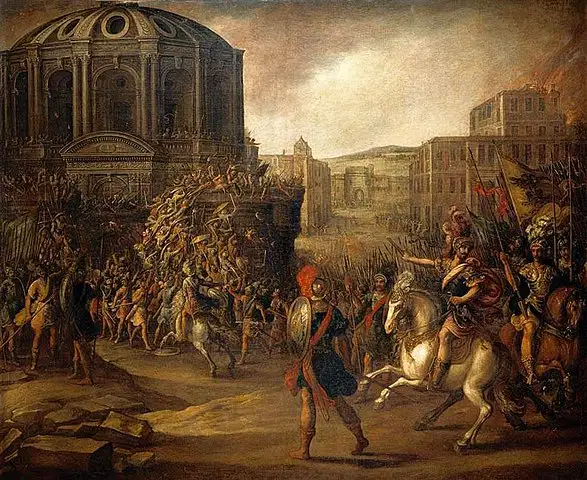
According to this episode, what did the Romans consider as "barbarians inside the gates"?
a)
Mercenary soldiers serving in the Roman Army
b)
Foreign merchants trading in Rome
c)
Non-Roman citizens living in Rome
d)
Roman citizens with anti-imperialistic views
4.

What factor contributed to the decline of the Roman legions even before Rome started getting sacked?
a)
The decline of the Roman legions began before Rome started getting sacked
b)
Lack of military discipline and training
c)
Internal power struggles among Roman generals
d)
Economic struggles and insufficient resources
5.
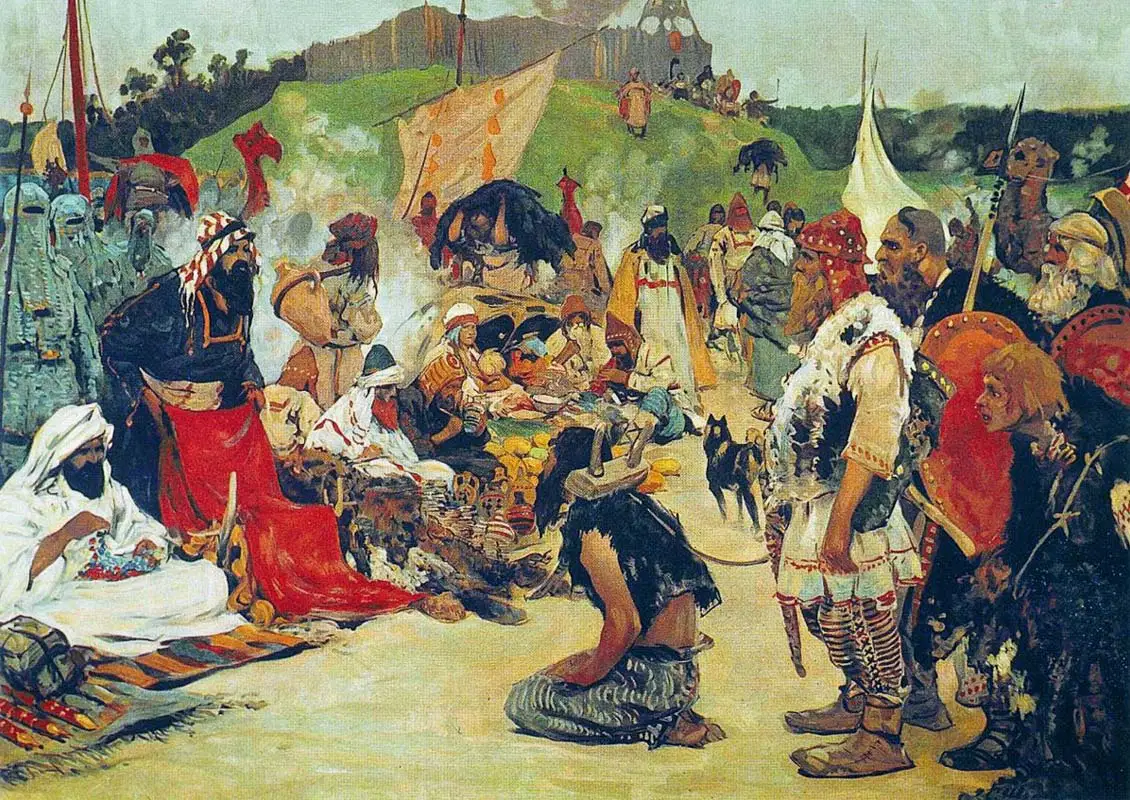
What strategy did Rome adopt to incorporate conquered people into the empire?
a)
Assimilating them into Roman culture and society
b)
Establishing separate colonies for conquered people
c)
Enslaving them and exploiting their labor
d)
Forcing them to pay heavy tributes and taxes
6.
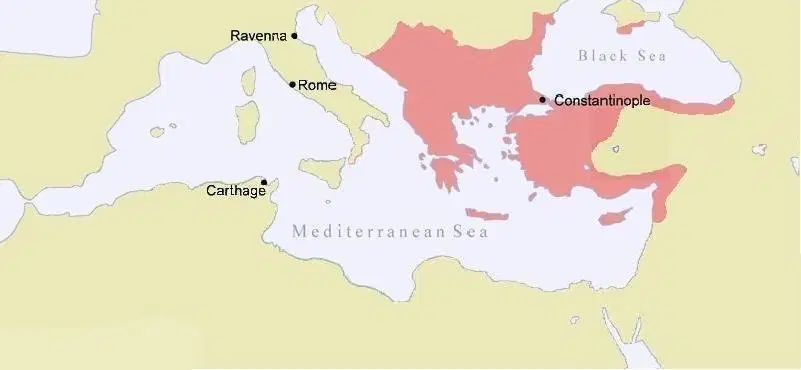
Where did Constantine move the capital of the Roman Empire?
a)
Byzantium
b)
Rome
c)
Athens
d)
Alexandria
7.
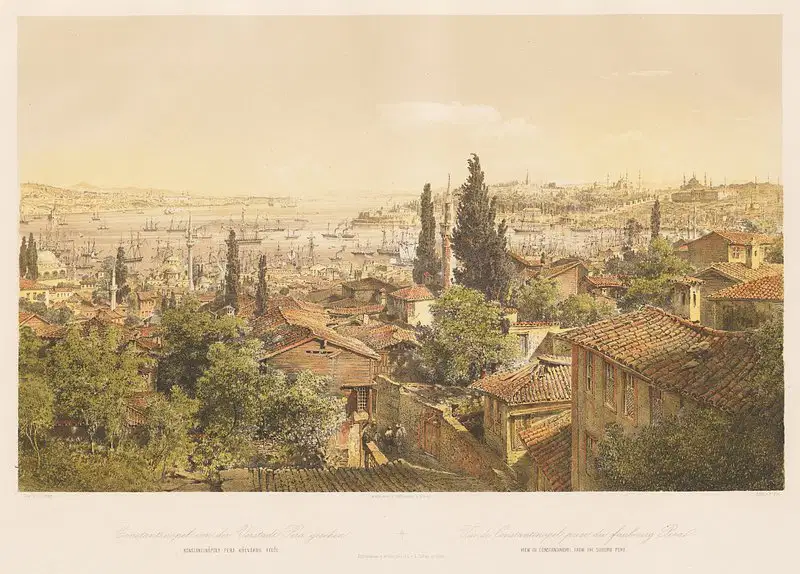
What name did Constantine give to the new capital of the Roman Empire?
a)
Constantinople
b)
Rome II
c)
New Rome
d)
Byzantium
8.

What was the main difference between the Catholic and Orthodox churches in terms of leadership?
a)
The Catholic Church had a Pope, while the Orthodox Church had a Patriarch
b)
The Catholic Church had a Patriarch, while the Orthodox Church had a Pope
c)
Both churches had a Pope as the ultimate authority
d)
Both churches had a Patriarch as the ultimate authority
9.

What was Justinian's major achievement during his rule?
a)
Codifying Roman laws in the Digest
b)
Rebuilding the Coliseum in Rome
c)
Conquering Persia and expanding the empire
d)
Establishing Christianity as the state religion
10.
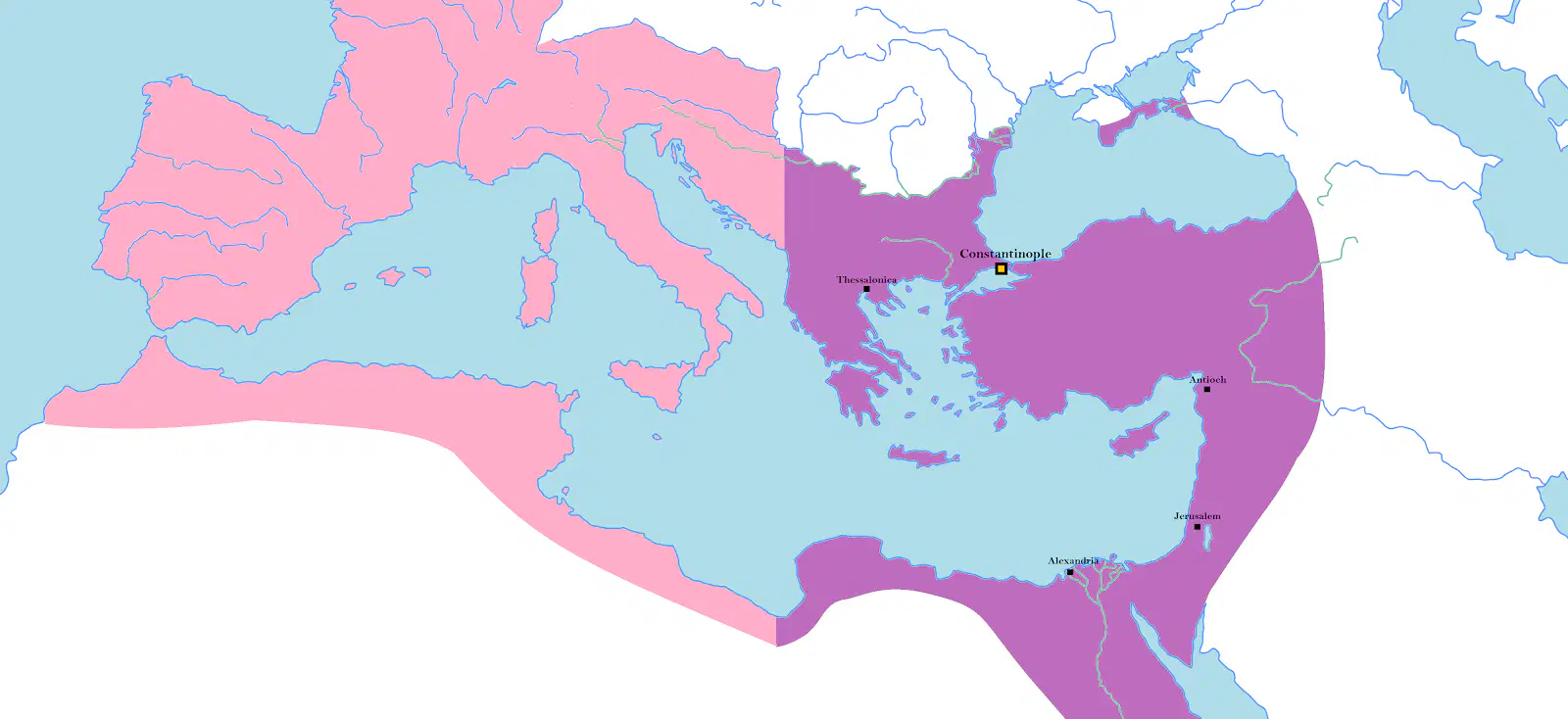
How did the Eastern Roman Empire, or Byzantine Empire, differ from the Western Roman Empire?
a)
The Byzantine Empire spoke Greek, while the Western Roman Empire spoke Latin
b)
The Byzantine Empire was predominantly Christian, while the Western Roman Empire was pagan
c)
The Byzantine Empire had a strong centralized government, while the Western Roman Empire was fragmented
d)
The Byzantine Empire had a powerful navy, while the Western Roman Empire relied on its legions
11.
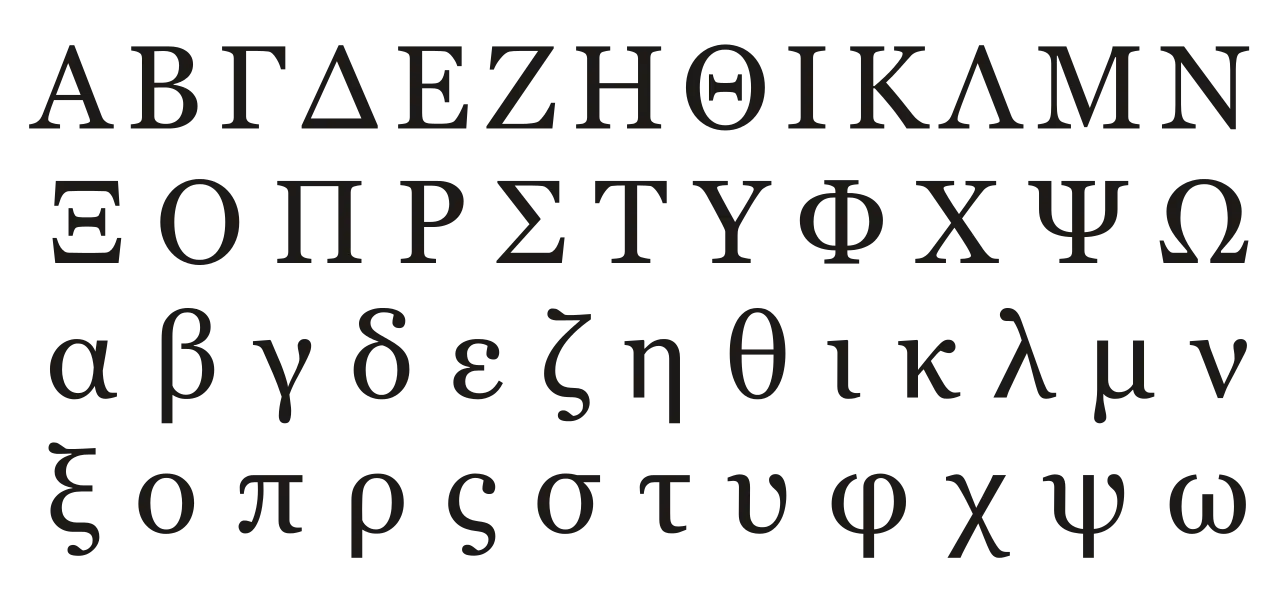
What language was commonly spoken in the Byzantine Empire?
a)
Greek
b)
Latin
c)
Persian
d)
Germanic
12.
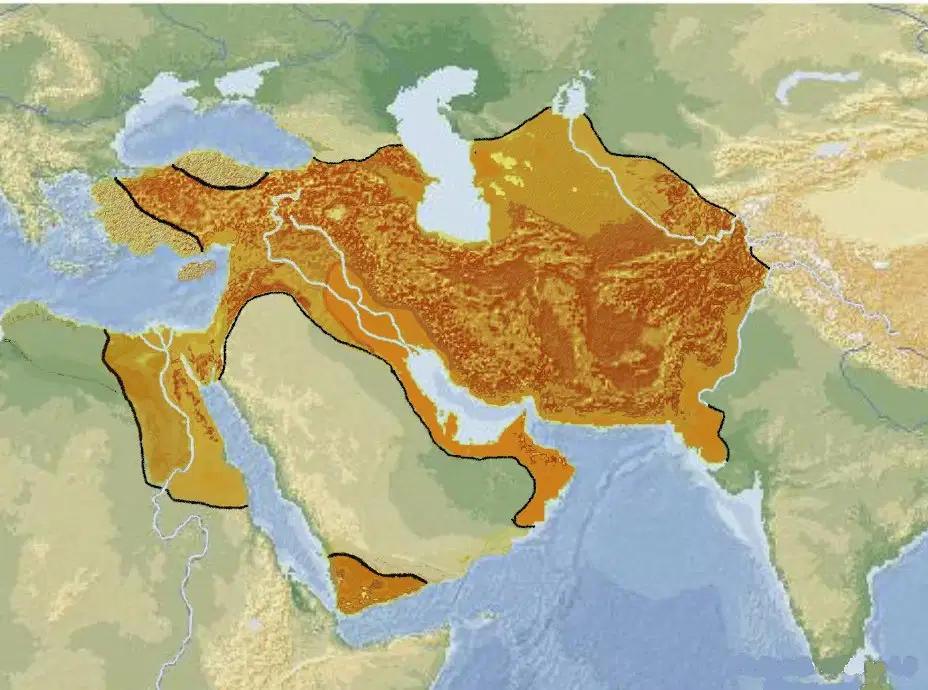
Which empire posed a significant threat to the Byzantine Empire in the East?
a)
Persian Sassanian Empire
b)
Ottoman Empire
c)
Mongol Empire
d)
Egyptian Empire
13.

How did Constantine try to reorient his empire's religion?
a)
Holding the first Church council in Nicaea in 325
b)
Establishing Christianity as the state religion
c)
Promoting pagan rituals and worship
d)
Encouraging the worship of multiple deities
14.

What long-term conflict did Constantine's religious reorientation create?
a)
Tensions between the church centered at Constantinople and the one centered in Rome
b)
Internal conflicts between different Christian sects
c)
Conflicts with pagan cults and traditions
d)
Clashes with neighboring empires over religious dominance
15.

What was the language of the law code published by Justinian?
a)
Latin
b)
Greek
c)
Aramaic
d)
Egyptian
16.

Which famous church, built by Justinian, became a symbol of the Byzantine Empire's opulence?
a)
Hagia Sophia
b)
Colosseum
c)
Pantheon
d)
Parthenon
17.

What did the Byzantines consider themselves despite speaking Greek?
a)
Romans
b)
Greeks
c)
Byzantines
d)
Hellenes
18.
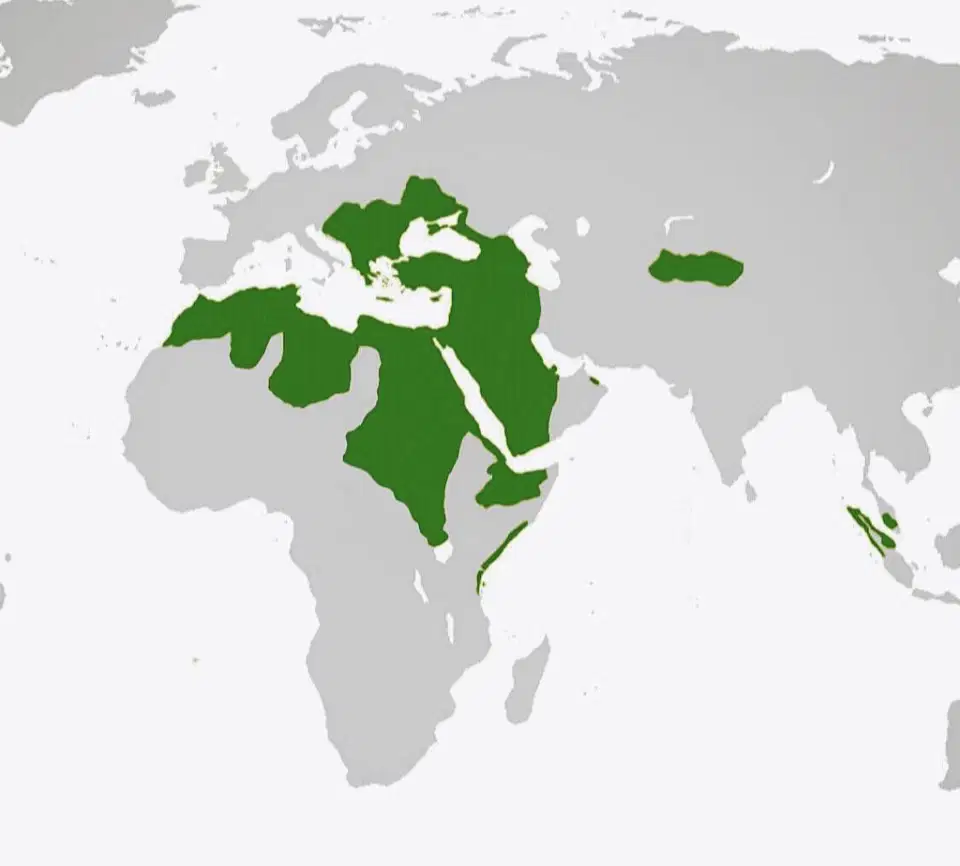
Which Islamic power ultimately conquered the Byzantines?
a)
Ottoman Empire
b)
Abbasid Caliphate
c)
Umayyad Caliphate
d)
Mamluk Sultanate
100 %

