
 Worksheets
CCWH#15 The Crusades - Pilgrimage or Holy War?
Total questions: 15
Worksheet time: 8mins
Name
Class
Date
1.

What were the Crusades?
a)
Military expeditions from Europe to the Eastern coast of the Mediterranean
b)
Religious pilgrimages within Europe
c)
Political alliances formed against the Byzantine Empire
d)
Trade routes established between Europe and the Middle East
2.

According to this episode how were the Crusades primarily framed and promoted to the European population?
a)
Pilgrimages with a touch of warring on the side
b)
Pilgrimages for spiritual enlightenment
c)
Colonization efforts in the Middle East
d)
Cultural exchanges between Christians and Muslims
3.
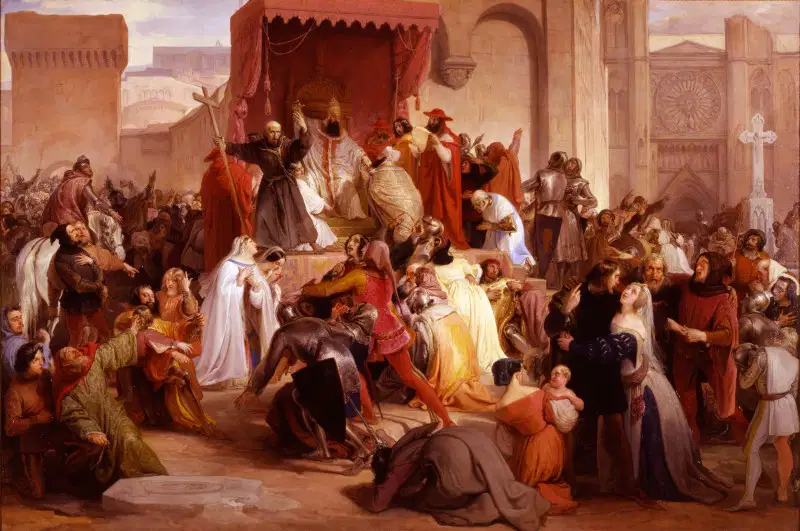
Who called for the first official Crusade?
a)
Pope Urban II
b)
King Richard I of England
c)
Pope Gregory VIII
d)
Sultan Saladin of Egypt
4.

What was the role of the Seljuk Turks in the initiation of the Crusades?
a)
They threatened Christian pilgrimages to the Holy Land
b)
They were allies of the Crusaders
c)
They sponsored the Crusades financially
d)
They encouraged peaceful relations with Christians
5.
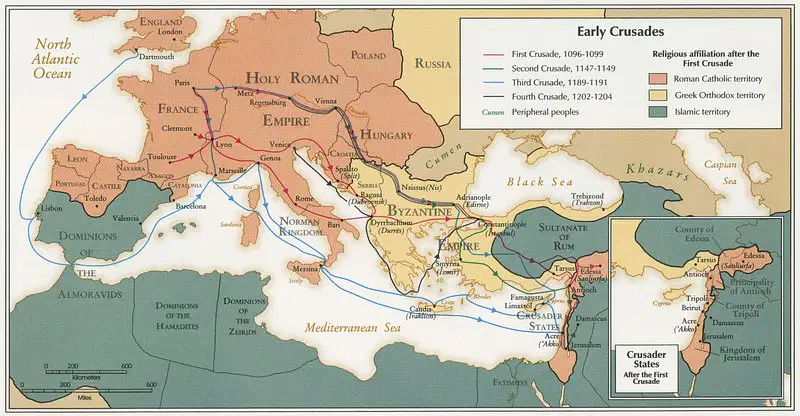
Were the Crusades an example of European colonization?
a)
No, colonization came later. This idea comes from a later Marxist reading of history.
b)
Yes, they established permanent European settlements in the Middle East
c)
No, they were primarily religious and military campaigns
d)
Crusaders aimed to convert Muslims to Christianity
6.
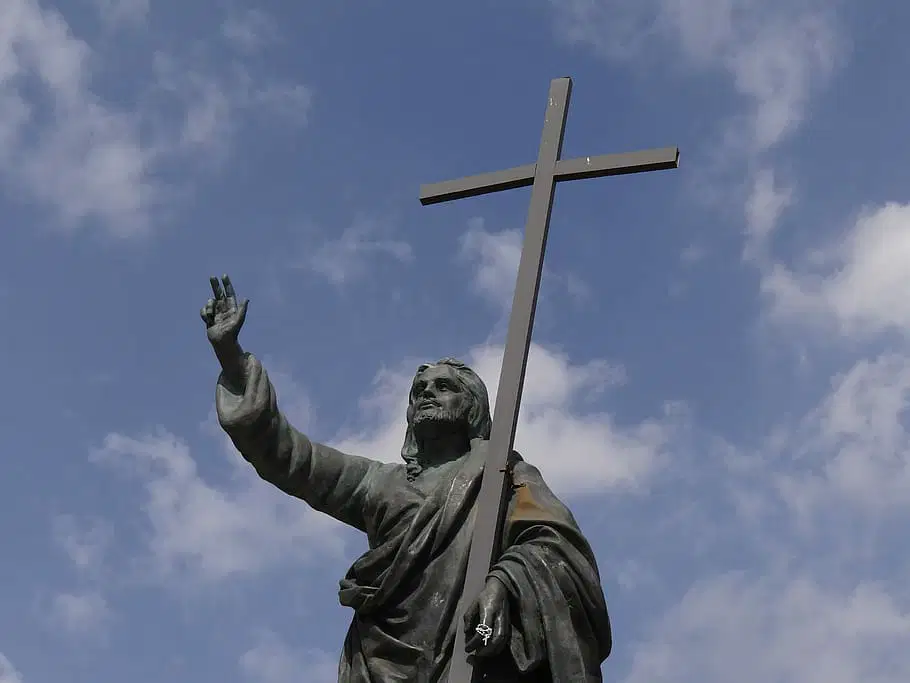
What role did religious faith play in motivating the Crusaders?
a)
They believed they were protecting Christ and his kingdom
b)
Economic and political interests were their main motivations
c)
They sought to expand European territories
d)
Personal glory and fame were their driving forces
7.

Which Islamic power emerged as a significant threat during the Third Crusade?
a)
Saladin, the Egyptian Sultan
b)
Seljuk Turks
c)
Fatimid Egyptians
d)
Umayyads of Spain
8.

Who were the three important European kings that responded to the call for the Third Crusade?
a)
Philip II of France, Richard I (Lionheart) of England, Frederick I (Barbarossa) of the Holy Roman Empire
b)
Edward I of England, Henry IV of Germany, Louis IX of France
c)
William the Conqueror, Henry II of England, John Lackland
d)
Charles V of France, Ferdinand II of Aragon, Henry VII of England
9.

How did the Fourth Crusade impact the Byzantine Empire?
a)
The empire was weakened and eventually conquered by the Turks
b)
It led to the conversion of the Byzantine Empire to Christianity
c)
The empire experienced a period of economic prosperity
d)
The empire expanded its territories into Eastern Europe
10.

What were some long-term consequences of the Crusades?
a)
Solidification of the Muslim majority in the Holy Land
b)
Increased cultural exchange between Europe and the Middle East
c)
Successful establishment of Christian kingdoms in the Holy Land
d)
The decline of religious tensions between Christians and Muslims
11.
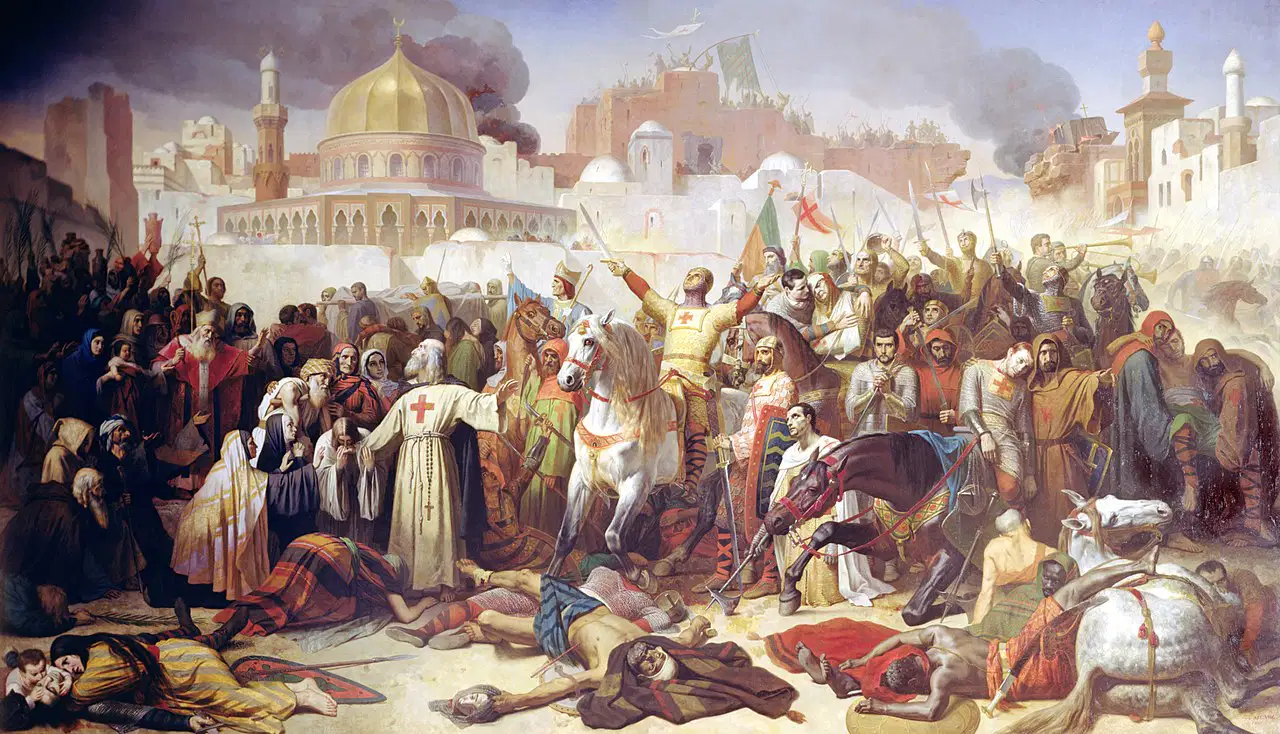
How were the Crusades primarily portrayed in historical narratives?
a)
As romanticized and idealized military expeditions
b)
As political and economic endeavors
c)
As conflicts driven by secular ideologies
d)
As failed attempts at colonization
12.
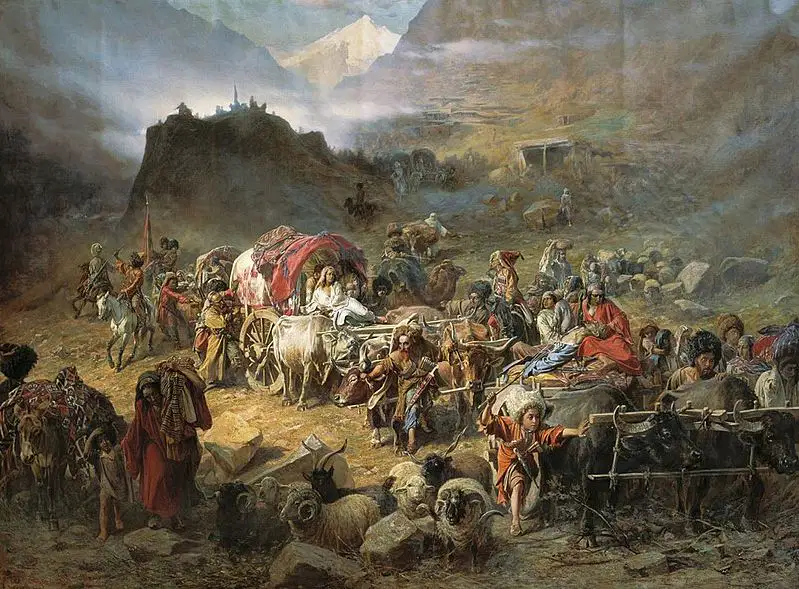
What was the initial response of early Islamic dynasties to Christians and Jews living among them?
a)
They allowed them to live if they paid a tax
b)
They expelled them from their territories
c)
They offered them equal rights and privileges
d)
They engaged in peaceful religious coexistence
13.
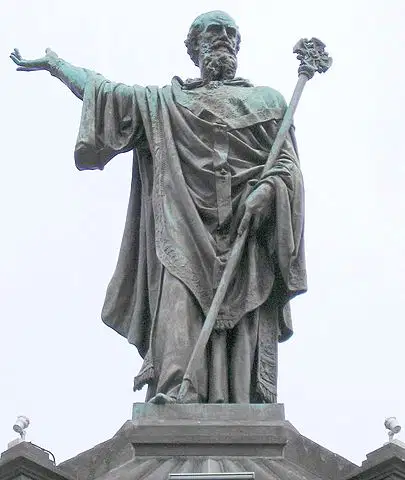
What led to the initiation of the first official Crusade?
a)
The call for help from the Byzantines after the Seljuk Turks sacked holy cities
b)
The desire for European colonization of the Middle East
c)
A conflict between European knights and Muslim leaders
d)
Economic incentives from the Islamic Empire
14.
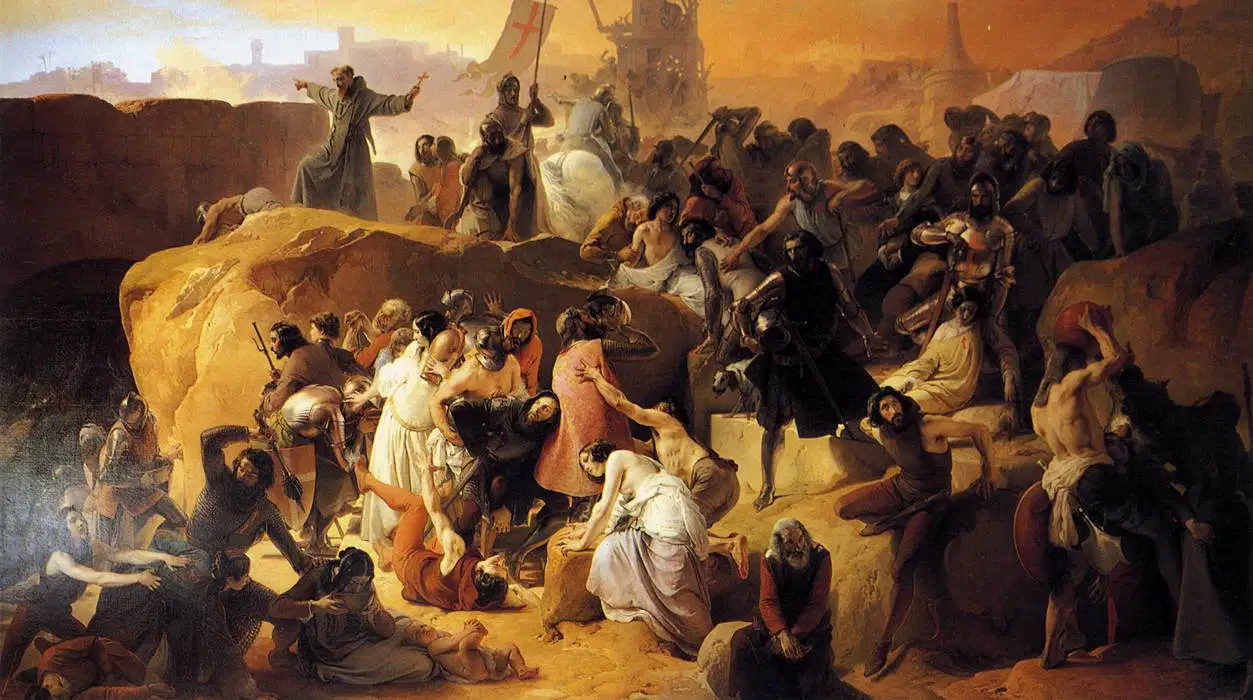
Which city became a focal point of the Crusades?
a)
Jerusalem
b)
Constantinople
c)
Alexandria
d)
Rome
15.
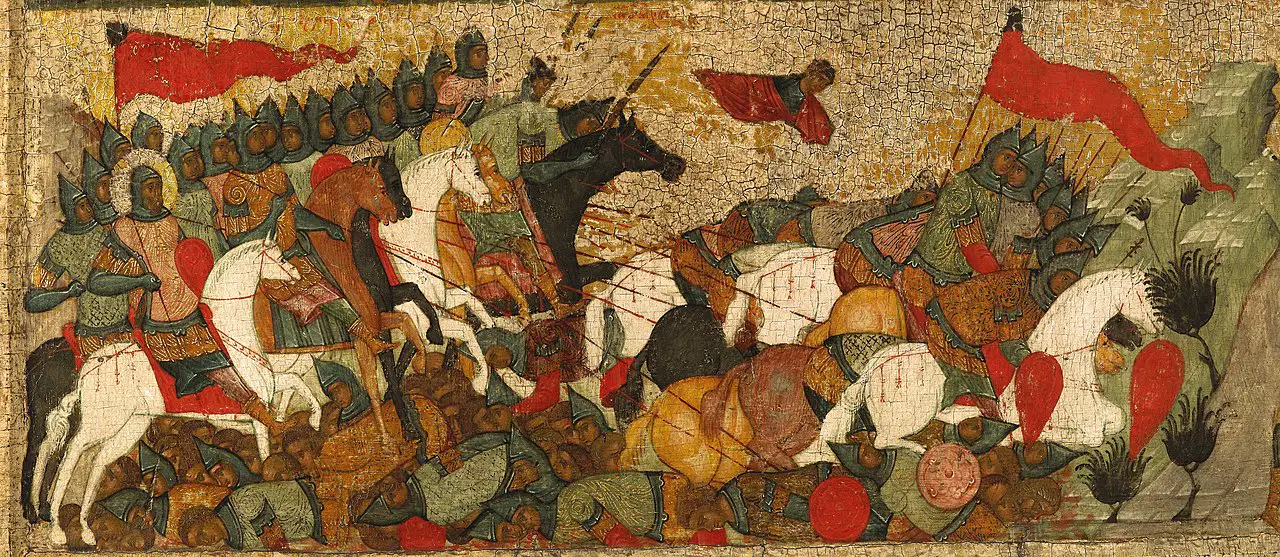
What was the significance of the Battle of Manzikert in 1071?
a)
It weakened the Byzantine Empire and raised concerns about the Islamic threat
b)
It marked the beginning of the Crusades
c)
It solidified the alliance between Europe and the Byzantine Empire
d)
It resulted in the successful Christian liberation of Jerusalem
100 %

